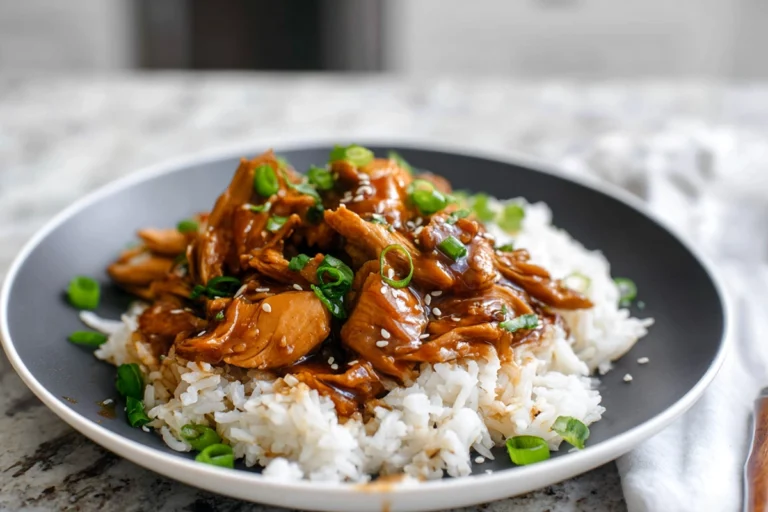
Baked Chicken: Juicy Centers, Bronzed Crust, Zero Fuss

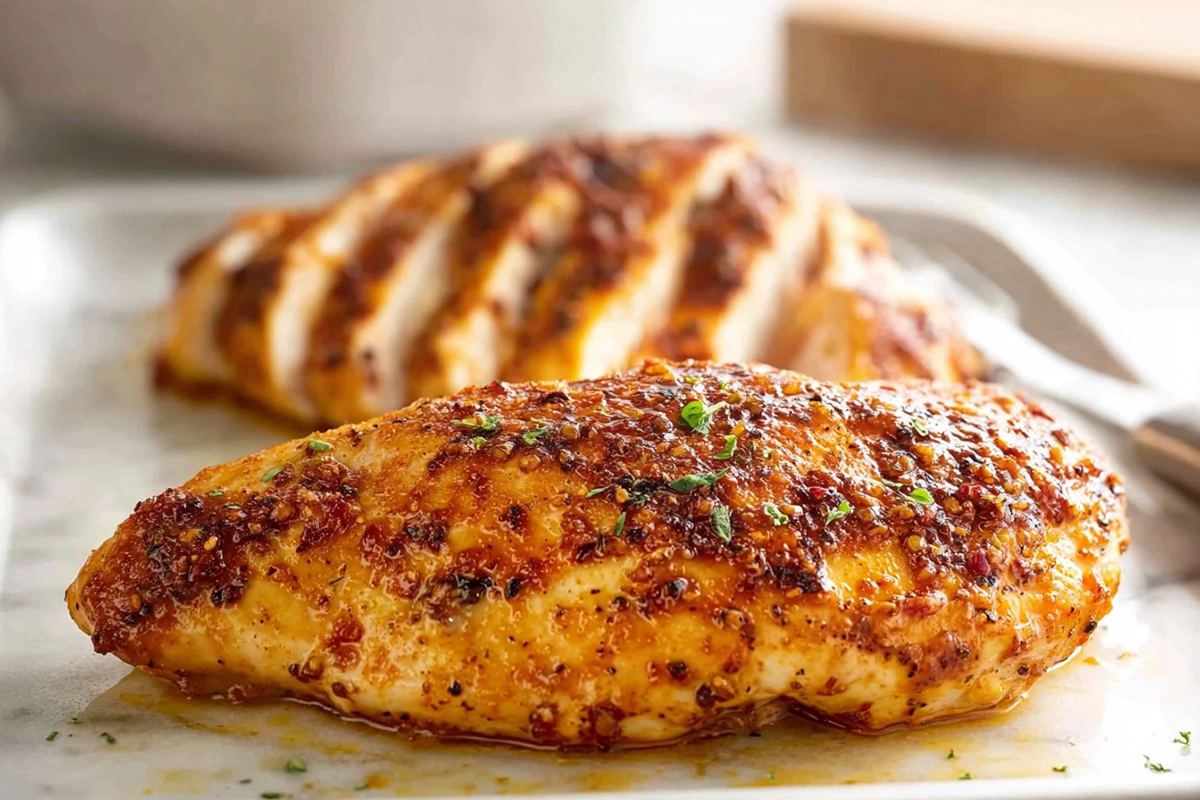
Dry baked chicken is the culinary equivalent of a bad handshake—forgettable, a little disappointing, and way too common. You follow the recipe, you set the timer, you do everything “right,” and still end up with meat that needs a glass of water and an apology. The craving is simple: chicken that stays juicy inside, smells faintly caramelized when it comes out of the oven, and doesn’t require a sauce to rescue it. That’s the problem this baked chicken solves, directly and without drama.
The fix isn’t marinating overnight or drowning the meat in oil. It’s a tight combination of high heat, even thickness, and one eyebrow-raising detail in the seasoning: a small amount of brown sugar. Not enough to make things sweet—just enough to coax moisture to the surface while the chicken bakes, forming a light, glossy coating instead of a dry crust. Add a hot oven and chicken breasts pounded to a consistent thickness, and you get fast cooking before the meat tightens up. The surface turns golden, the edges look just set, and the inside stays tender enough to slice cleanly without leaking all over the plate.
This is weeknight food with standards. You don’t need a stand mixer, a cast-iron shrine, or a pantry scavenger hunt. You need chicken breasts, a short list of everyday seasonings, a hot oven, and the willingness to trust color over fear. In under half an hour, you’ll have baked chicken that smells lightly toasted, cuts like it should, and finally makes the case that the oven can do more than just dry things out.
The Brown Sugar Question (Small Amount, Big Behavior Change)
This is the ingredient that makes people pause—and the one that quietly fixes everything. In this baked chicken, brown sugar isn’t about sweetness; it’s about behavior. A modest amount in the seasoning draws a thin layer of moisture to the surface of the chicken as it heats, encouraging browning without drying the interior. That moisture mixes with olive oil and spices on the tray, creating a light, glossy coating instead of a chalky crust. The result is chicken that looks basted even though nothing was spooned over it.
Brown sugar also lowers the threshold for browning at high heat. At 425°F, it caramelizes just enough to give the chicken color and aroma without burning—provided the meat is thin and evenly cooked. White sugar works in a pinch, but it browns faster and lacks the subtle molasses note that keeps the flavor grounded. If you’re tempted to skip sugar entirely, know that you’ll lose moisture insurance, not just color.
- Chicken breasts: Medium-sized, skinless, and pounded to an even thickness so the sugar can brown without overcooking the center
- Brown sugar: Creates surface moisture and controlled caramelization; not for sweetness
- Olive oil: Helps distribute heat and dissolve fat-soluble flavors like paprika
- Paprika: Adds color and mild warmth without overpowering
- Dried oregano or thyme: Brings a savory backbone that balances the sugar
- Garlic powder: Even flavor distribution without burning, unlike fresh garlic
- Salt and black pepper: Essential for seasoning penetration and contrast
- Parsley (optional): Fresh finish that cuts through the richness, not decoration

Why This Baked Chicken Works (It’s Not Magic, It’s Physics)
Most baked chicken fails because it cooks too slowly and unevenly. By the time the center is safe, the outside has given up all its moisture. This baked chicken flips that script by cooking fast, hot, and flat. Pounding the chicken to about 1.5 cm thick removes the guesswork—heat reaches the center quickly, so the muscle fibers don’t have time to tighten and squeeze out their juices.
High oven heat does two jobs at once. First, it sets the exterior quickly, locking moisture inside. Second, it encourages browning before the meat dries out, especially with the help of oil and brown sugar. That’s why color matters more than the clock here: a golden surface tells you the proteins have coagulated and the sugars have done their work.
Finally, resting the chicken briefly after baking isn’t optional. The juices need a moment to redistribute once the heat stops driving them outward. Slice too soon and they spill; wait a few minutes and they stay put. The end result is baked chicken that cuts cleanly, smells faintly caramelized, and proves that the oven—used correctly—can deliver real comfort, not compromise.
Pounding Isn’t Optional—It’s the Tenderness Switch
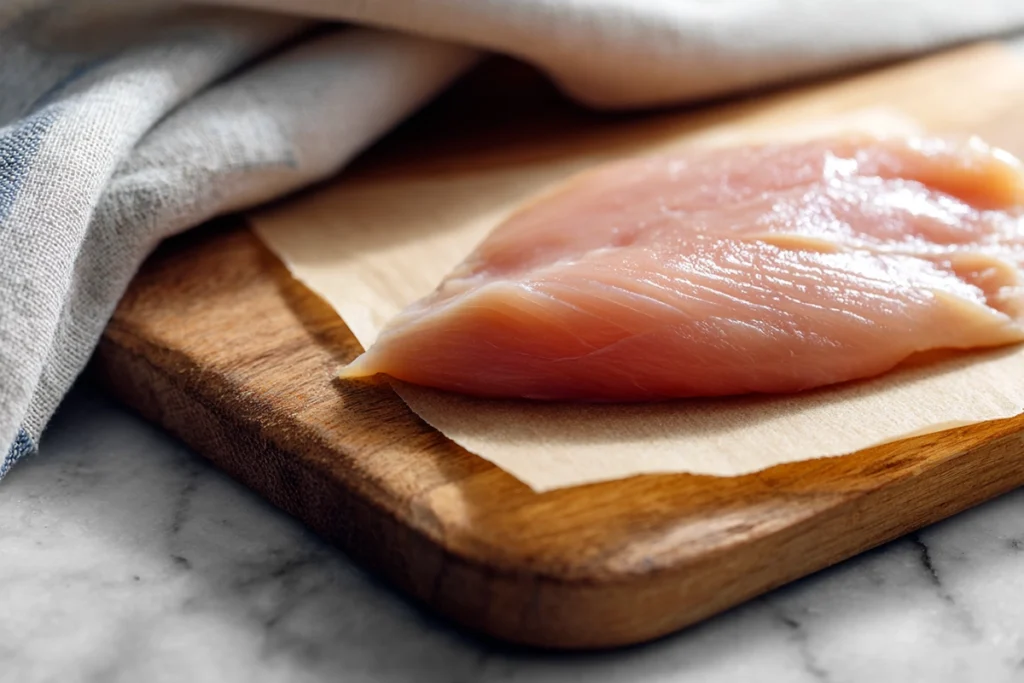
Before the oven even comes into play, this baked chicken is decided by thickness. Set the chicken breast on the board and press it out until the thickest part is about 1.5 cm. You’re not trying to flatten it into submission—just even it out. When you’re done, the surface should feel uniformly springy under your fingers, not bulging in the middle and flimsy at the edges. This is what lets the heat move through the meat evenly, instead of racing through the thin end while the center lags behind.
Seasoning Coverage Beats Seasoning Quantity
Once the chicken is even, oil and seasoning need to cling, not clump. Drizzle a small amount of olive oil and rub it in with your hands until the surface looks lightly glossy, not wet. As you sprinkle the seasoning, aim for full coverage—no pale patches, no spice piles. When it’s right, the chicken should smell faintly sweet and savory, with paprika and herbs coming through before anything sharp or garlicky.
Tray Setup That Saves Cleanup and Prevents Sticking
The lined tray matters more than it sounds. Foil reflects heat back up, parchment prevents sticking, and together they create a hot, forgiving surface. Lay the chicken down smoothly; it should make soft contact with the paper, not curl or buckle. As it hits the hot oven, you’ll hear a gentle sizzle within a minute or two—quiet but confident, never watery or loud.
Doneness Without Guesswork (What to Watch, Not Just When)
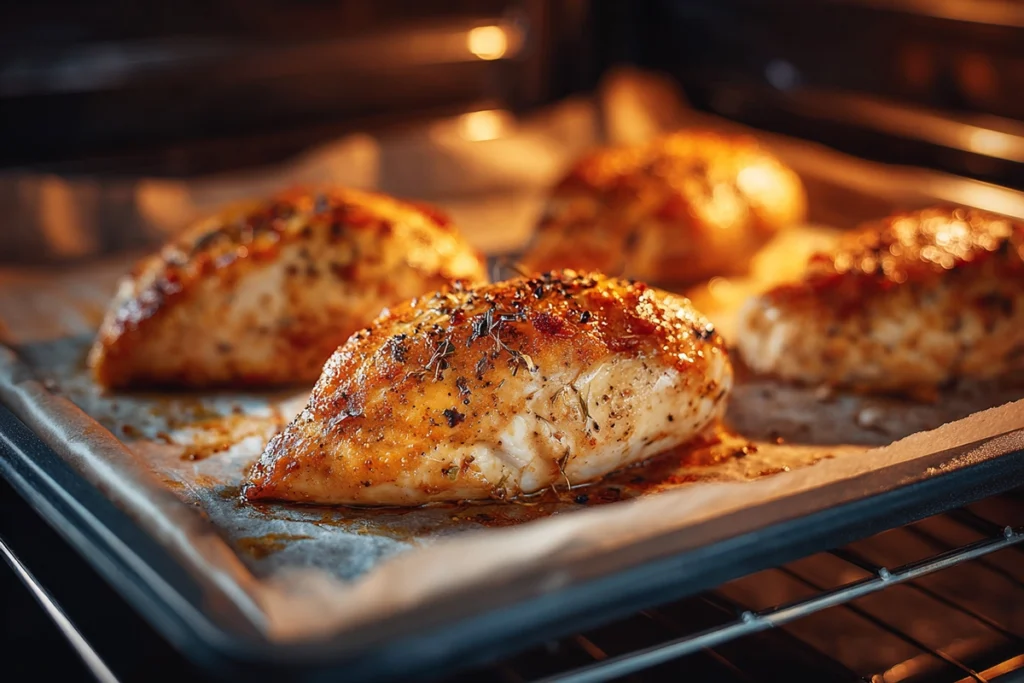
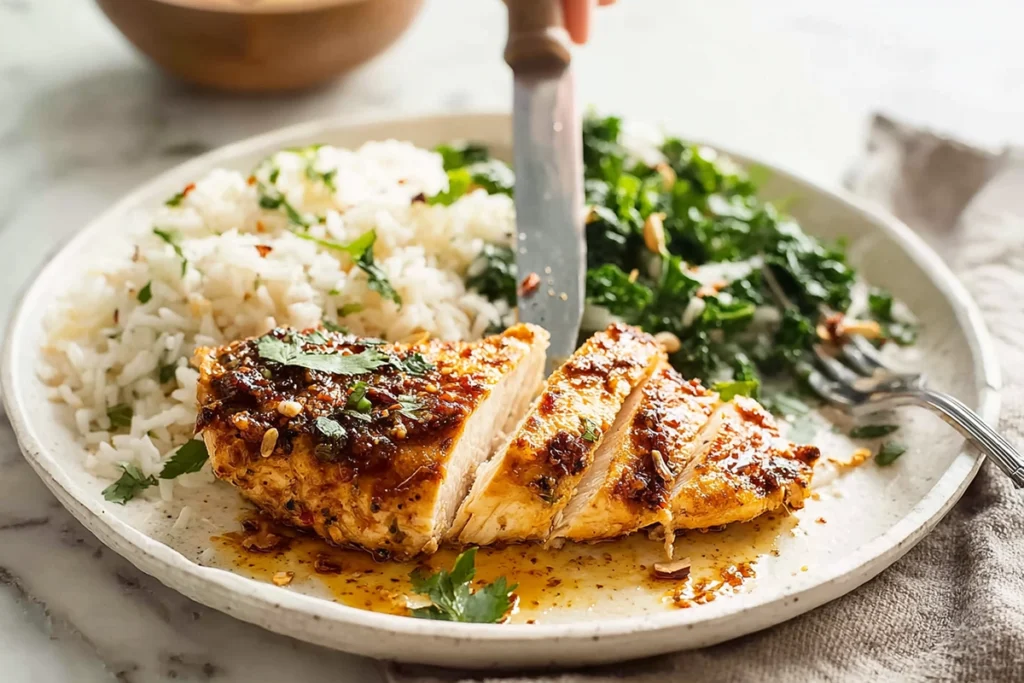
As the baked chicken cooks, your eyes do most of the work. The surface will shift from pale to golden, with darker freckles forming where the sugar and spices concentrate. The smell changes too—from raw spice to something lightly caramelized and toasty. When pressed gently, the chicken should feel firm but still yield slightly, like the base of your thumb. Pull it then, let it rest briefly, and you’ll slice into meat that’s juicy, structured, and exactly what baked chicken is supposed to be.
Swaps That Actually Work (and One That Doesn’t)
If chicken thighs are what you have, use them—boneless and skinless only. They’re more forgiving and stay juicy, but they need more time in the oven, closer to 25 minutes for small pieces and up to 30 for larger ones. Don’t pound them thin; just make sure they’re similar in size so they cook evenly. If your chicken breasts are oversized, slicing them horizontally into thinner cutlets is smarter than pounding forever. What doesn’t work here is bone-in or skin-on chicken. The timing and surface browning are completely different, and you’ll miss the quick, juicy payoff this recipe is built around.
Herb swaps are flexible as long as they stay dry. Thyme, oregano, or a mild Italian blend all behave well at high heat. Fresh garlic, however, is a trap—at 425°F it scorches before the chicken is done. Stick to garlic powder if you want that flavor without bitterness. As for the sugar, reducing it slightly is fine; removing it entirely flattens the texture and color in a way you’ll notice.
Serving in the Real World (Weeknights, Meal Prep, Leftovers)
This baked chicken shines next to simple sides that know their role. Spoon it over rice or buttered grains so they catch the juices, or pair it with roasted vegetables that can handle a little caramelization themselves. It’s especially good with garlicky greens or something lemony that cuts through the richness. For meal prep, slice it once fully cooled and store it plain—saucing later keeps it from going soggy. Cold leftovers are excellent tucked into salads or sandwiches, where the chicken stays tender instead of shredding.
Last Tip Before You Start
Trust your eyes more than the timer. Golden color, lightly crisp edges, and a firm-but-springy feel tell you more than minutes ever will.
This is the kind of baked chicken that earns a spot in regular rotation—not flashy, not fussy, just dependable and satisfying. Make it once, notice how little effort it takes to get it right, and you’ll stop bracing yourself for dry chicken dinners.
Common Questions About Baked Chicken
Can I use chicken thighs instead of breasts?
You can, but you need to adjust how you cook them. Use boneless, skinless thighs only, and do not pound them thin. Thigh meat is denser and fattier, so it needs more time in the oven—about 25 minutes for small to medium thighs and up to 30 minutes for large ones. Keep the oven temperature the same and rely on color and firmness, not the clock. The surface should be golden and the meat should feel springy, not soft.
What if my chicken breasts are very large?
Large breasts should be cut in half horizontally to create thinner cutlets instead of pounding endlessly. The goal is a maximum thickness of about 1.5 cm (0.6 inches). Thick chicken cooks unevenly, which is the fastest way to end up with dry baked chicken. Once halved, you can skip pounding entirely as long as both pieces are similar in thickness.
Is 425°F too hot when there’s sugar in the seasoning?
No—and this temperature is intentional. The small amount of brown sugar is balanced by oil and moisture from the chicken, so it caramelizes instead of burning. Problems only happen when the chicken is too thick or placed too close to the heating element. At the correct thickness, 425°F creates browning fast enough to protect the inside from drying out.
How do I keep the chicken from sticking to the tray?
Line the tray with foil first, then parchment paper on top. Foil reflects heat upward, parchment prevents sticking, and together they create a hot but forgiving surface. Oil alone is not enough at this temperature, and bare trays encourage tearing and moisture loss when you try to lift the chicken.
Can I make this ahead or use it for meal prep?
Yes—but only if you handle it correctly. Let the baked chicken cool completely before slicing, then store it plain in an airtight container. Adding sauces or trapping steam while it’s hot will soften the crust and dry the meat when reheated. For best texture, reheat gently or eat it cold in salads or sandwiches.
Print
Baked Chicken
- Total Time: 23 minutes
- Yield: 4 servings 1x
Description
Juicy oven baked chicken breasts with a golden, lightly caramelized crust. High heat and a simple seasoning blend keep the chicken tender, flavorful, and ready fast—perfect for easy weeknight dinners or meal prep.
Ingredients
- 4 chicken breasts (150–180 g / 5–6 oz each)
- 2 tsp olive oil
- 1 1/2 tbsp brown sugar
- 1 tsp paprika
- 1 tsp dried oregano or thyme
- 1/4 tsp garlic powder
- 1/2 tsp salt
- 1/2 tsp black pepper
- Finely chopped parsley (optional)
Instructions
- Preheat the oven to 425°F (220°C / 200°C fan).
- Pound the chicken breasts to an even thickness of about 1.5 cm at the thickest part.
- Mix the brown sugar, paprika, dried herbs, garlic powder, salt, and pepper.
- Line a baking tray with foil and parchment paper. Place chicken upside down on the tray.
- Drizzle with olive oil, rub to coat, and sprinkle with seasoning. Flip and repeat.
- Bake until golden on the surface and cooked through to 165°F internally.
- Remove from the oven, transfer to plates, and rest briefly before serving.
Notes
- If chicken breasts are very large, slice them horizontally into thinner cutlets instead of pounding.
- Boneless, skinless chicken thighs can be used but require a longer cooking time.
- Do not substitute fresh garlic; it burns at high oven temperatures.
- Prep Time: 5 minutes
- Cook Time: 18 minutes
- Category: Mains
- Method: Baking
- Cuisine: Western
Nutrition
- Serving Size: 1 chicken breast
- Calories: 286
- Sugar: 4
- Sodium: 403
- Fat: 7
- Saturated Fat: 1
- Unsaturated Fat: 2
- Trans Fat: 0
- Carbohydrates: 4
- Fiber: 0
- Protein: 46
- Cholesterol: 127