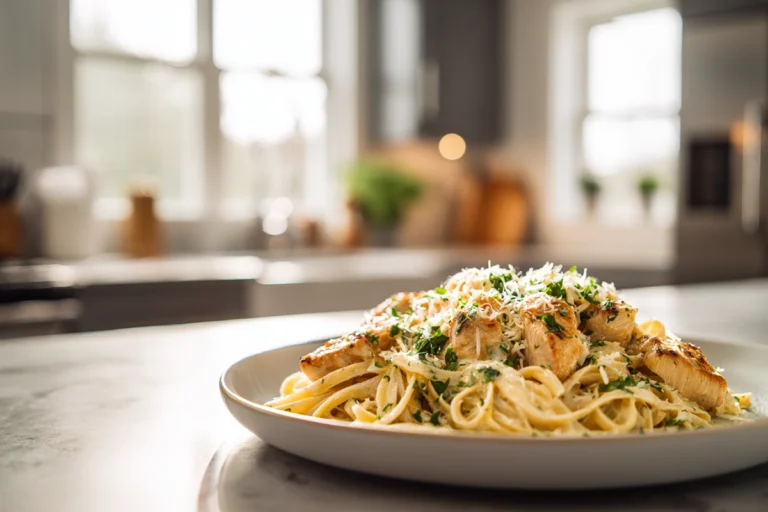
Cajun Chicken Alfredo: Creamy Heat, Blackened Edges, Zero Regret

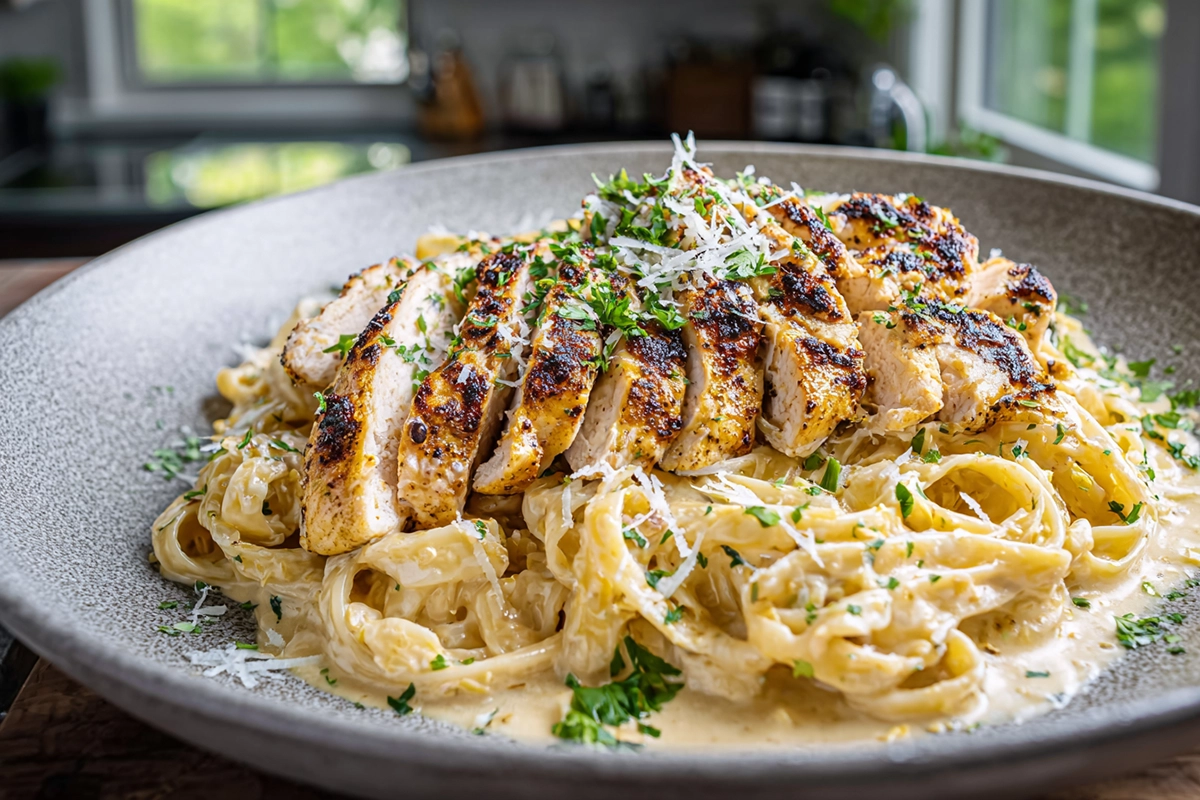
Dry chicken ruins Alfredo. So does a sauce that breaks, turns grainy, or coats the pasta like glue. The craving is simple—lush, glossy noodles with a low, steady burn—but the results are usually disappointing. Too bland. Too spicy in the wrong way. Or worse: creamy for thirty seconds, then greasy and tired. This version fixes all of it, starting where most recipes go wrong.
The fix is restraint and timing. Bite-sized chicken gets coated—not buried—in Cajun seasoning, then hits hot oil long enough to bloom the spices and brown the edges without squeezing the meat dry. The pan stays the hero. Butter melts, heat drops, and garlic gets exactly thirty seconds to turn fragrant, not bitter. Cream warms gently. Parmesan melts slowly. Nothing boils. Nothing rushes. The result is a sauce that clings instead of slides, cools the spice instead of smothering it, and smells like toasted garlic and warm butter with a peppery back note that lingers.
This isn’t about fancy tricks or extra ingredients. It’s about using what’s already here—chicken, Cajun seasoning, cream, Parmesan, pasta—and treating each step like it matters. Reserve a splash of pasta water; it’s the insurance policy that turns a good sauce into a restaurant-gloss finish. You don’t need special equipment or a longer shopping list. You need attention, a steady hand with the heat, and the patience to pull the chicken at the right second. The payoff shows up fast, right there in the pan.
Why This Cajun Chicken Alfredo Works (And Most Don’t)
Cajun Chicken Alfredo lives or dies by balance. You’re asking cream to cool spice, spice to wake up dairy, and chicken to stay juicy while carrying aggressive seasoning. Most versions collapse because one element shouts while the others whisper. This one works because each ingredient has a job beyond “being there,” and none of them are fighting the pan.
The chicken is cut into small pieces on purpose. Whole breasts cook unevenly and tighten up before the spice ever gets fragrant. Bite-sized pieces brown fast, stay tender, and give the Cajun seasoning more surface area to toast instead of burn. The seasoning itself is used as a coating, not a crust — enough to perfume the oil and sauce without turning bitter or sandy.
The sauce is built on fat first, not flour. Butter and cream handle heat differently, and here they’re treated gently so the Parmesan can melt into them instead of clumping. This is why Cajun Chicken Alfredo can be rich without feeling heavy: the sauce clings, it doesn’t sit.
- Boneless, skinless chicken breasts: Lean, fast-cooking, and neutral enough to carry Cajun seasoning without overpowering the sauce. Thighs work, but they soften the spice and add extra fat.
- Cajun seasoning: Provides heat, smoke, and salt in one move. If yours is very salty, hold back on seasoning the sauce later.
- Heavy (double) cream: High fat keeps the sauce stable. Milk or half-and-half can split once the cheese hits the heat.
- Freshly grated Parmesan: Pre-grated won’t melt smoothly. Parmesan thickens the sauce as much as it flavors it.
- Butter and olive oil: Oil for searing without burning; butter for flavor once the heat drops.
- Garlic: One clove is deliberate. More overwhelms the Cajun spice instead of supporting it.
- Fettuccine: Wide noodles hold onto creamy sauces better than thinner pasta.

Pasta Water Is Not Optional — It’s the Sauce Insurance Policy
Pasta water is the quiet stabilizer in Cajun Chicken Alfredo. It’s not there to thin the sauce; it’s there to finish it. The starch suspended in that cloudy water helps bind fat and liquid into something cohesive, glossy, and flexible. Without it, the sauce tightens as it cools and risks breaking when reheated.
Adding a small splash at the end gives you control. Too thick? Loosen it without washing out the flavor. Too tight after sitting? Bring it back without more cream. This is especially important in a Cajun-spiced sauce, where separation makes the heat feel harsher and the cream feel greasy.
Think of pasta water as the bridge between pasta and sauce — it helps them behave like one dish instead of noodles wearing a coat. Skip it, and the whole thing feels heavier than it needs to be.
The Make-or-Break Moment: Cajun Chicken Without Drying It Out
Seasoning and Heat Control
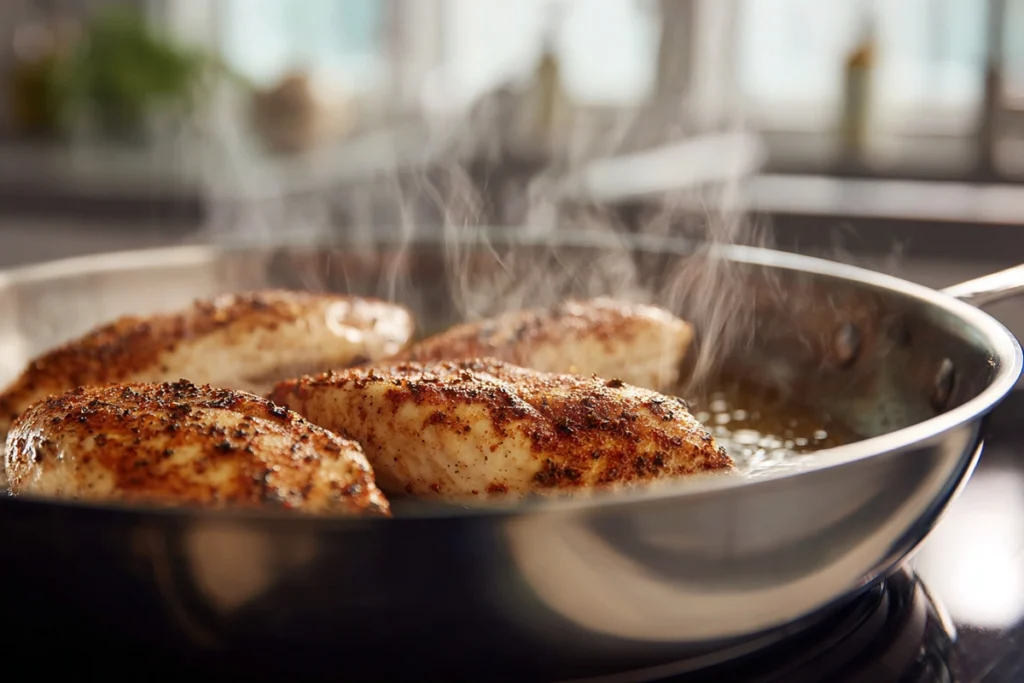
Start while the pasta water comes up to a boil. Cut the chicken into bite-sized pieces and coat them evenly with Cajun seasoning — you want them tinted brick-red, not buried. When the pan heats, listen for a sharp, confident sizzle as the chicken hits the oil. If it whispers instead, the pan isn’t ready, and the chicken will sweat instead of sear.
What You’re Watching For
The chicken should take on dark, bronzed edges within a couple of minutes, especially where it touches the pan. You’ll smell warm spices and toasted paprika, not raw chili powder. As you stir, the pieces should feel springy when pressed, not soft or rubbery. Pull them as soon as they’re cooked through — slightly earlier than you think — because they’ll finish later in the sauce.
Garlic, Butter, Cream: The 90-Second Window You Can’t Mess Up
Dropping the Heat
Lower the heat before adding butter. You’re shifting gears now. The butter should melt quietly, foaming gently instead of browning. When the garlic goes in, the smell should be sweet and nutty within seconds — sharp bitterness means it’s burning and you’ve gone too far.
Building the Alfredo Base
Pour in the cream and let it warm slowly. You’re not looking for bubbles; you’re looking for steam and a subtle thickening around the edges of the pan. When the Parmesan is added, stir patiently. The sauce should look glossy and smooth, coating the back of a spoon without separating. This calm, controlled heat is what keeps Cajun Chicken Alfredo creamy instead of grainy.
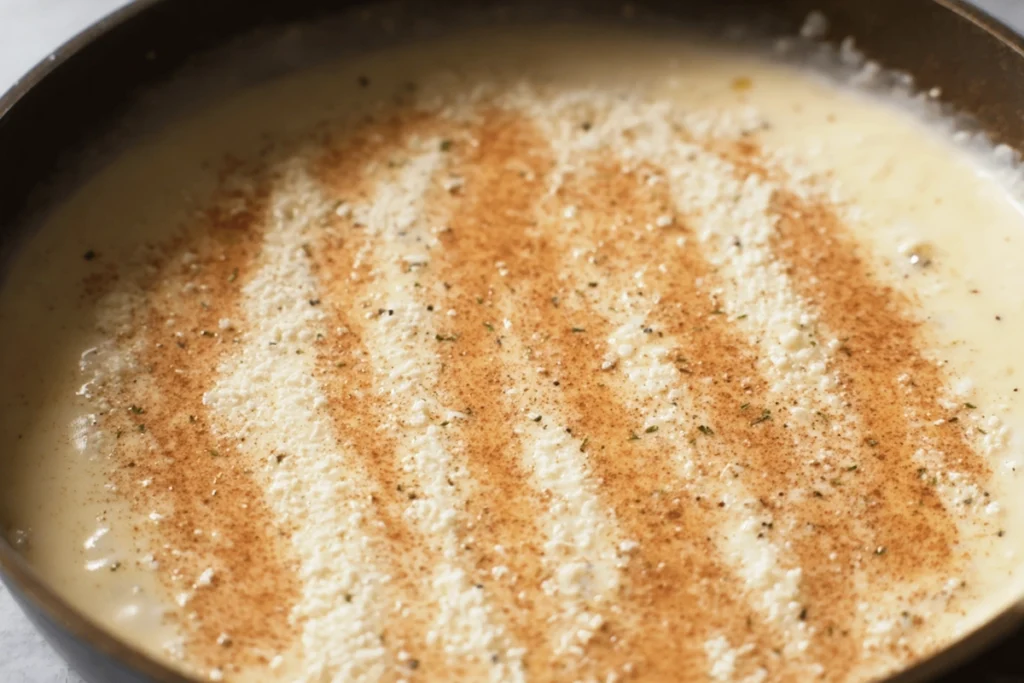
Bringing It All Together
Add the drained fettuccine and the chicken back into the pan. As you toss, listen — the sauce should move silently, not slosh. If it tightens too much, loosen it with a splash of reserved pasta water until the noodles slide easily through the sauce. The finished dish should smell like toasted garlic and warm cream, with a peppery Cajun hum that hits just after the first bite.
Swaps That Actually Work (and One That Doesn’t)
If you’ve got leftovers to use up, a few smart swaps slide right into this dish without wrecking it. Leftover rotisserie chicken works, but only if you shred it cold and add it at the very end, just long enough to warm through. Cooking it again from raw will dry it out and undo the whole point of the sauce. Chicken thighs are another workable option if that’s what’s in the fridge, though they’ll soften the Cajun bite and make the dish feel richer.
On the dairy side, stick with heavy cream if you can. Half-and-half can survive if you keep the heat very low and accept a thinner sauce, but milk is a dead end—it splits once the Parmesan goes in. Pre-grated Parmesan is another shortcut that backfires; it contains anti-caking agents that turn the sauce grainy. If you want to stretch the cheese you have, use slightly less and rely on pasta water for body.
One thing that doesn’t work: baking this dish. The sauce tightens, the chicken dries, and the Cajun seasoning turns harsh. This is a stovetop dish for a reason.
What to Serve With It (And When to Just Leave It Alone)
Cajun Chicken Alfredo is rich and loud, so anything on the side should calm things down. A crisp green salad with lemony vinaigrette cuts straight through the cream and spice. Steamed or roasted broccoli works well too, especially if it’s left a little firm and lightly salted.
Bread is optional. If you’re serving it, go simple—something crusty and plain that can swipe the sauce without adding more fat. Garlic bread is usually overkill here; the dish already has enough going on.
For weeknights, this pasta is a complete meal. For the company, it shines as the anchor dish with one sharp, fresh side to keep the table balanced.
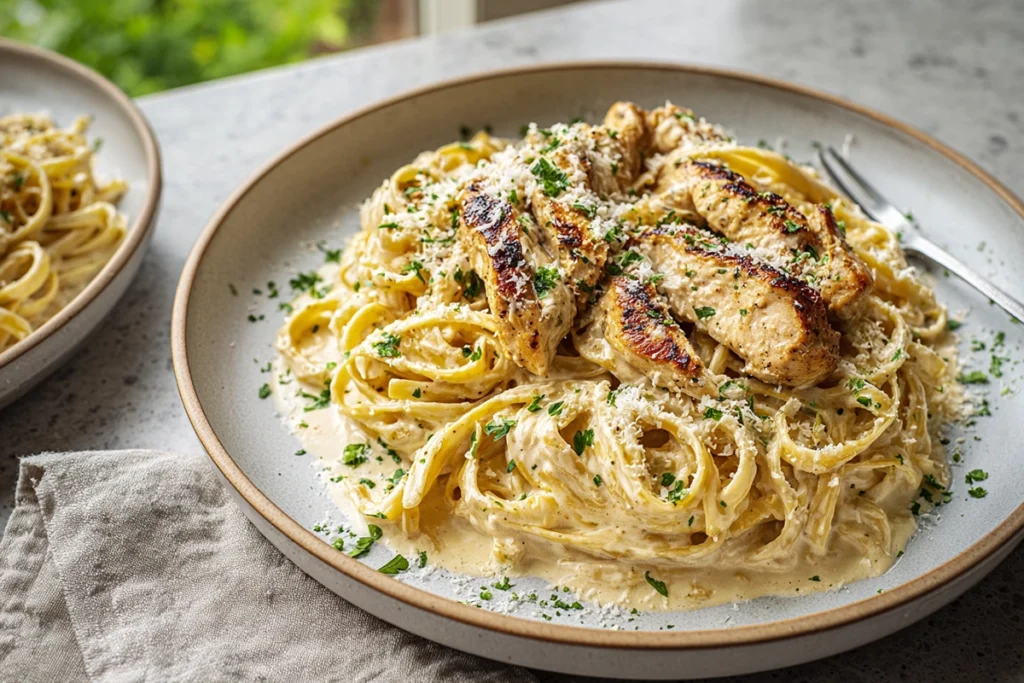
Last Tip Before You Start
Taste at the very end, after the pasta water goes in. Cajun seasoning, Parmesan, and pasta water all bring salt in different ways, and seasoning earlier can push things too far.
Cajun Chicken Alfredo is one of those recipes that rewards attention more than effort. Treat the heat gently, pull the chicken early, and trust your senses. When it’s right, the sauce clings, the spice hums instead of shouts, and every forkful feels indulgent without being exhausting—the kind of dinner qthat makes leftovers something to look forward to.
Common Questions About Cajun Chicken Alfredo
Can I make Cajun Chicken Alfredo less spicy without losing flavor?
Yes—adjust the Cajun seasoning, not the technique. Use half the amount of seasoning on the chicken, but keep the sear hot enough to toast the spices you do use. The flavor comes from blooming the seasoning in oil, not from piling it on. Avoid rinsing or scraping spice off after cooking; that just dulls everything and leaves the sauce flat.
What’s the best Cajun seasoning for Alfredo sauce?
Use a balanced Cajun blend with paprika, garlic powder, onion powder, and a controlled amount of cayenne. Extremely salty or cayenne-heavy blends overpower the cream and make the sauce taste sharp. If your seasoning is salt-forward, do not add extra salt to the sauce until the very end—Parmesan and pasta water will bring plenty on their own.
Can I use chicken thighs instead of breasts here?
You can, but expect a different result. Chicken thighs stay juicy and are forgiving, but they soften the Cajun spice and make the dish heavier. If you use thighs, cut them small and cook them thoroughly so the extra fat renders out; otherwise, the sauce can feel greasy instead of silky.
Why did my Alfredo sauce turn grainy?
The sauce broke because the heat was too high when the cheese went in, or the cheese wasn’t suitable. Parmesan must be freshly grated and added off direct heat so it melts smoothly into the cream. If the sauce starts to look sandy or separated, pull it from the heat immediately and loosen it with warm pasta water while stirring gently.
Does Cajun Chicken Alfredo reheat well, or should I plan leftovers differently?
It reheats best slowly on the stovetop, not in the microwave. Add a small splash of water or cream, keep the heat low, and stir until the sauce loosens and becomes glossy again. Microwaving blasts the fat and tightens the cheese, which makes Cajun Chicken Alfredo feel dry and oily instead of creamy.
Print
Cajun Chicken Alfredo
- Total Time: 30 minutes
- Yield: 6 servings 1x
Description
Creamy Cajun Chicken Alfredo made with tender chicken, a silky Parmesan cream sauce, and fettuccine pasta. Bold Cajun spice is balanced by rich dairy for a comforting, restaurant-style stovetop dinner.
Ingredients
2 skinless boneless chicken breasts
2 tablespoons Cajun seasoning
2 tablespoons olive oil
1 clove garlic, grated or pressed
2 tablespoons butter
500 ml (2 cups) heavy/double cream
120 g (1¼ cups) Parmesan cheese, freshly grated
Salt, to taste
450 g (1 lb) fettuccine pasta
Instructions
-
Cook the fettuccine in a large pot of well-salted water according to package instructions.
-
Cut the chicken into bite-sized pieces and coat evenly with Cajun seasoning.
-
Heat olive oil in a large frying pan over medium heat and cook the chicken until browned and cooked through; remove to a plate.
-
Lower the heat, add butter to the same pan, then add garlic and cook briefly until fragrant.
-
Pour in the cream and warm gently; stir in the Parmesan until the sauce is smooth and glossy.
-
Drain the pasta, reserving some pasta water; add pasta and chicken to the sauce and toss to combine.
-
Loosen with reserved pasta water if needed and season with salt to taste.
Notes
Use freshly grated Parmesan for a smooth, cohesive sauce.
Keep the heat low when adding cheese to prevent the sauce from breaking.
Reheat leftovers gently on the stovetop with a splash of water or cream.
- Prep Time: 10 minutes
- Cook Time: 20 minutes
- Category: Main Dish
- Cuisine: American
Nutrition
- Serving Size: 1 serving
- Calories: 814
- Sugar: 3
- Sodium: 867
- Fat: 48
- Saturated Fat: 26
- Unsaturated Fat: 19
- Trans Fat: 1
- Carbohydrates: 61
- Fiber: 3
- Protein: 35
- Cholesterol: 186