Cheesecake Crescent Rolls That Feel Like Home

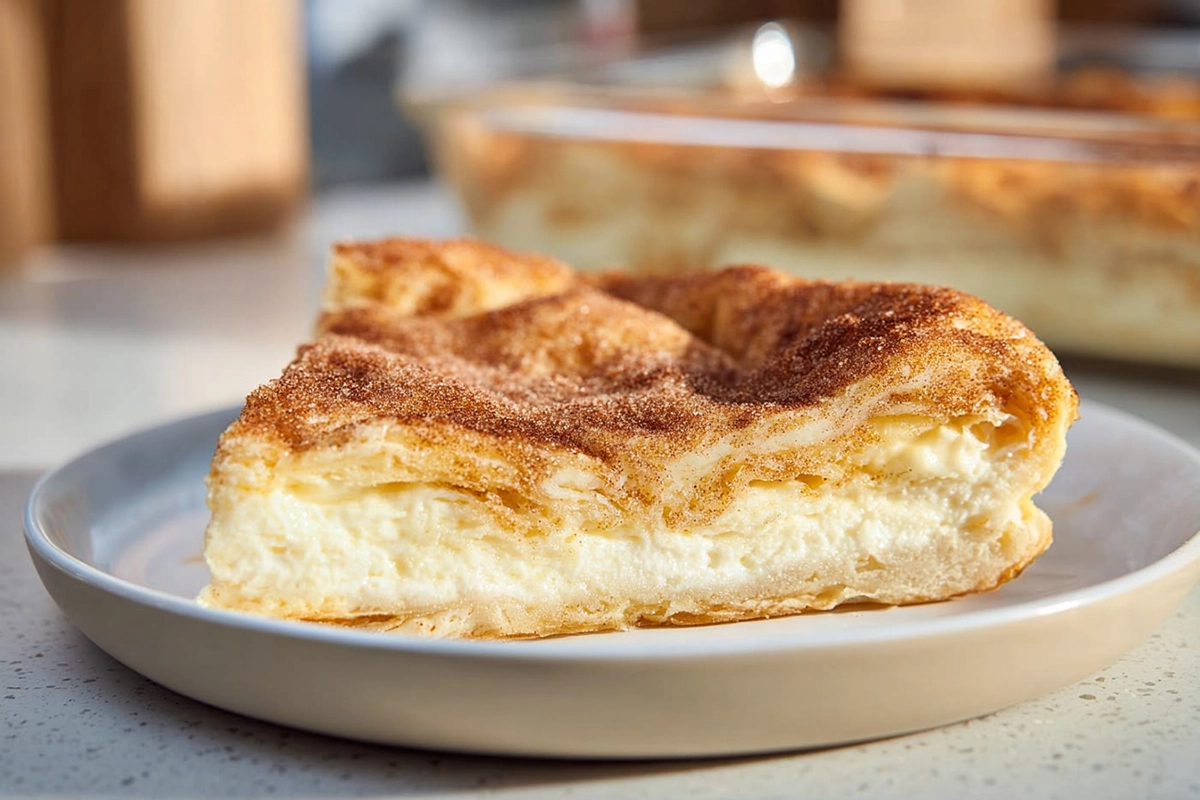
There’s something special about desserts that don’t try too hard. The kind you throw together in one pan, slide into the oven, and suddenly the whole kitchen smells like butter, cinnamon, and comfort. Cheesecake crescent rolls are exactly that kind of recipe. They remind you that homemade doesn’t have to mean complicated, and that the best treats are often the ones you grew up sneaking seconds of while they were still warm.
This is the dessert you make when family is coming over and you want something everyone will recognize and love. It’s flaky, creamy, gently sweet, and just indulgent enough without feeling heavy. If you’ve ever loved crescent rolls straight from the oven or a classic cheesecake at a potluck, this recipe brings those two comforts together in the most approachable way.
Why This Recipe Works (A Real Kitchen Moment)
The first time you make this, you’ll probably be surprised by how simple it feels. Crescent roll dough is forgiving, cream cheese filling comes together in minutes, and the cinnamon sugar topping does all the flavor work for you. It’s the kind of recipe that doesn’t punish you if your seams aren’t perfect or your spreading isn’t bakery-level smooth.
What really makes this work is the contrast. The bottom layer bakes up soft but sturdy, the center stays creamy and slightly tangy, and the top turns golden with a buttery crunch. It’s not fussy cheesecake, and it’s not just a roll-and-bake pastry. It lands somewhere in the middle, which is exactly why people keep coming back for another piece.
Ingredients You’ll Actually Use (And Why They Matter)
You don’t need anything fancy here, and that’s part of the charm. These ingredients are easy to find, easy to work with, and familiar in the best way.
Ingredients
- 2 cans refrigerated crescent rolls
- 2 packages (8 ounces each) cream cheese, at room temperature
- 1 ½ cups granulated sugar, divided
- 1 teaspoon vanilla extract
- ¼ teaspoon salt
- 1 teaspoon ground cinnamon
- ½ cup (1 stick) unsalted butter, melted
The crescent rolls act as both the base and the topping, so choose a brand you like the taste of on its own. Full-fat cream cheese gives you the smoothest, richest filling, and letting it come to room temperature makes mixing effortless. The sugar is split so the filling stays balanced while the cinnamon topping adds that familiar bakery-style finish.

Assembly Method Overview (Before You Start Baking)
Before you begin, preheat your oven to 350°F and lightly grease a 9×13-inch baking dish. This size gives you enough room for even layers without crowding the filling.
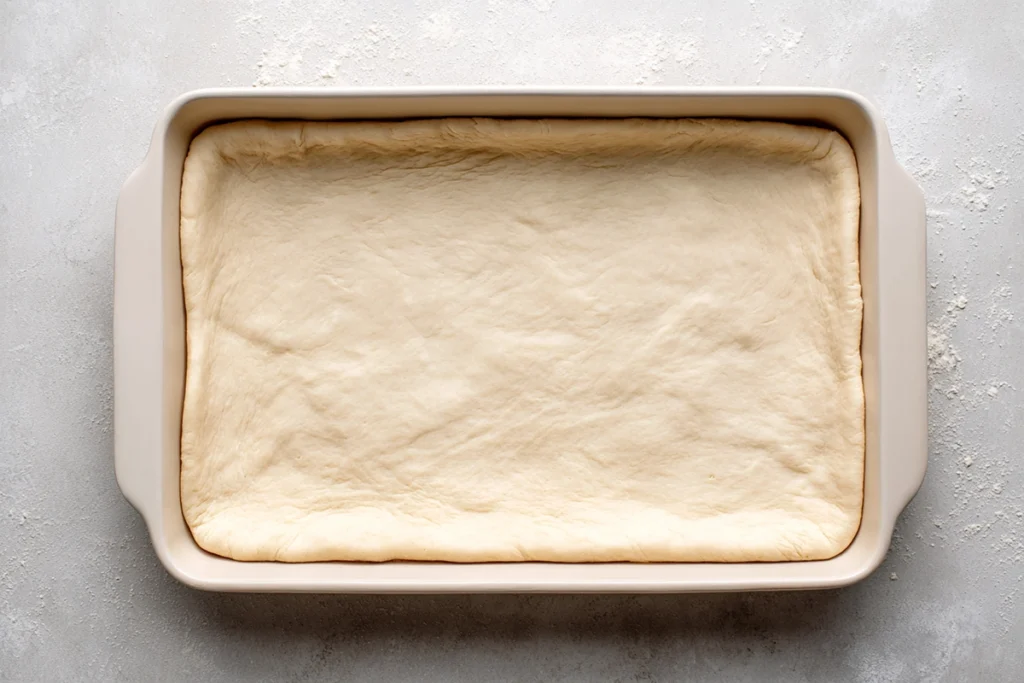
Start by unrolling one can of crescent rolls and pressing the dough into the bottom of the pan. Don’t worry too much about perfection here. Gently press the seams together with your fingers so you have one even layer. This base will support the filling, so take a moment to seal any obvious gaps.
In a medium bowl, beat the softened cream cheese until it’s smooth and lump-free. Add 1 cup of the sugar, the vanilla extract, and the salt. Mix until everything looks creamy and cohesive. The texture should be spreadable, not stiff. Spread this mixture evenly over the crescent roll base, going all the way to the edges.
Unroll the second can of crescent rolls and lay it gently over the cream cheese layer. Some people stretch the dough slightly to cover the surface, while others patch it together. Either way works. The goal is coverage, not perfection.
Pour the melted butter evenly over the top layer. Use a brush or the back of a spoon to make sure it reaches the corners. In a small bowl, mix the remaining sugar with the cinnamon and sprinkle it generously over the buttered dough.
Baking Time, Doneness, and Texture Cues
Slide the pan into the oven and bake for about 30 minutes. As it bakes, the top will puff slightly and turn a warm golden brown. You’ll know it’s close when the edges look set and the center no longer appears wet or glossy.
The middle should still have a slight jiggle when you gently move the pan, similar to how cheesecake behaves when it’s done. If the top is browning too quickly but the center seems underdone, loosely cover the pan with foil for the last few minutes.
Once baked, remove the pan from the oven and let it cool. This step matters more than people expect. As it cools, the cream cheese layer firms up, making the bars easier to slice and giving you that clean, creamy bite instead of a loose filling.

Common Mistakes and How to Avoid Them
One of the most common issues is a soggy bottom crust. This usually happens when the seams on the bottom layer aren’t pressed together well enough. Taking an extra minute to seal them makes a noticeable difference.
Another mistake is slicing too soon. It’s tempting, especially when the smell is irresistible, but giving it time to cool helps everything set properly. If your filling seems too soft, it likely just needs more resting time.
Overbaking can dry out the top and make the filling grainy. Trust the visual cues more than the clock. Golden, not dark brown, is what you’re looking for.
Easy Variations That Still Feel Like Cheesecake
This recipe is a great canvas if you want to change things up without losing the original comfort.
You can add a thin layer of fruit filling, like cherry or blueberry, over the cream cheese before adding the top dough. Keep it light so the filling doesn’t become watery.
For a warmer flavor, swap half of the granulated sugar in the topping with brown sugar or add a pinch of nutmeg to the cinnamon mix. A drizzle of caramel or chocolate sauce after baking can make it feel a little more dessert-table ready without overpowering the cheesecake flavor.
Make-Ahead, Storage, and Reheating Tips
You can bake this dessert a day ahead and store it covered in the refrigerator. In fact, many people prefer it chilled because the cheesecake layer becomes even more set and creamy.
Leftovers keep well for up to four days in an airtight container. To reheat, warm individual pieces gently in the microwave for a few seconds, just until the chill is gone. Avoid overheating, which can dry out the dough.
Freezing is possible, but the texture of the crescent rolls may soften after thawing. If you do freeze it, wrap it tightly and thaw overnight in the refrigerator.
Serving Ideas for Real Life
These bars are easy to cut into squares for casual serving or triangles if you follow the crescent perforations. They work just as well at brunch with coffee as they do as a simple dessert after dinner.
A dollop of whipped cream or a few fresh berries on the side can lighten each bite, but honestly, they’re just as satisfying on their own.
When you make cheesecake crescent rolls, you’re not chasing perfection. You’re creating something warm, familiar, and comforting that people recognize the moment they take a bite. It’s the kind of recipe that feels like it’s always been part of your kitchen, and once you try it, it probably will be.

FAQ
Can I make cheesecake crescent rolls ahead of time?
Yes, you can bake them a day ahead and store them covered in the refrigerator. In fact, many people find the texture even better once the cream cheese layer has fully chilled and set. Just let the pan sit at room temperature for a few minutes before serving if you prefer a softer bite.
Why is my cheesecake layer still soft or jiggly?
A slightly soft center is normal when the pan first comes out of the oven. The filling firms up as it cools, so giving it enough time to rest makes a big difference. If it still seems loose after cooling, it likely just needed a few more minutes in the oven.
Do I have to seal the crescent roll seams?
It’s not absolutely required, but sealing the seams helps prevent gaps and keeps the filling from sinking into the bottom layer. Gently pressing the dough together with your fingers is usually enough. This small step makes slicing cleaner and the texture more consistent.
Can I use reduced-fat cream cheese?
You can, but the filling will be slightly less rich and may not set quite as firmly. Full-fat cream cheese gives the creamiest, most classic cheesecake texture. If you do use reduced-fat, be sure it’s fully softened before mixing.
Print
Cheesecake Crescent Rolls
- Total Time: 40 minutes
- Yield: 8 servings 1x
Description
Flaky cheesecake crescent rolls baked in one pan with a smooth cream cheese filling and a buttery cinnamon sugar topping. This easy dessert is comforting, familiar, and perfect for sharing with family or friends
Ingredients
2 cans refrigerated crescent rolls
2 packages (8 oz each) cream cheese, room temperature
1 1/2 cups granulated sugar
1 teaspoon vanilla extract
1/4 teaspoon salt
1 teaspoon ground cinnamon
1/2 cup (1 stick) unsalted butter, melted
Instructions
-
Preheat the oven to 350°F and lightly grease a 9×13-inch baking dish.
-
Unroll one can of crescent rolls and press the dough evenly into the bottom of the pan, sealing the seams.
-
Beat the cream cheese until smooth, then mix in 1 cup of sugar, vanilla extract, and salt.
-
Spread the cream cheese mixture evenly over the crescent roll base.
-
Unroll the second can of crescent rolls and gently place it over the cream cheese layer.
-
Pour the melted butter evenly over the top layer of dough.
-
Mix the remaining sugar with the cinnamon and sprinkle evenly over the buttered dough.
-
Bake for about 30 minutes, until golden brown and set.
-
Remove from the oven and let cool before slicing and serving.
Notes
Make sure the cream cheese is fully softened for a smooth filling.
Let the dessert cool before slicing so the cheesecake layer can set properly.
Store leftovers covered in the refrigerator for up to four days.
This dessert can be baked a day ahead and served chilled or slightly warm.
- Prep Time: 10 minutes
- Cook Time: 30 minutes
- Category: Dessert
- Method: Baking
- Cuisine: American
Nutrition
- Serving Size: 1 slice
- Calories: 410
- Sugar: 28 g
- Sodium: 430 mg
- Fat: 27 g
- Saturated Fat: 16 g
- Unsaturated Fat: 9 g
- Trans Fat: 0.5 g
- Carbohydrates: 38 g
- Fiber: 1 g
- Protein: 6 g
- Cholesterol: 85 mg