Homemade Bagels: Deeply Chewy Crust With a Real Bakery Bite

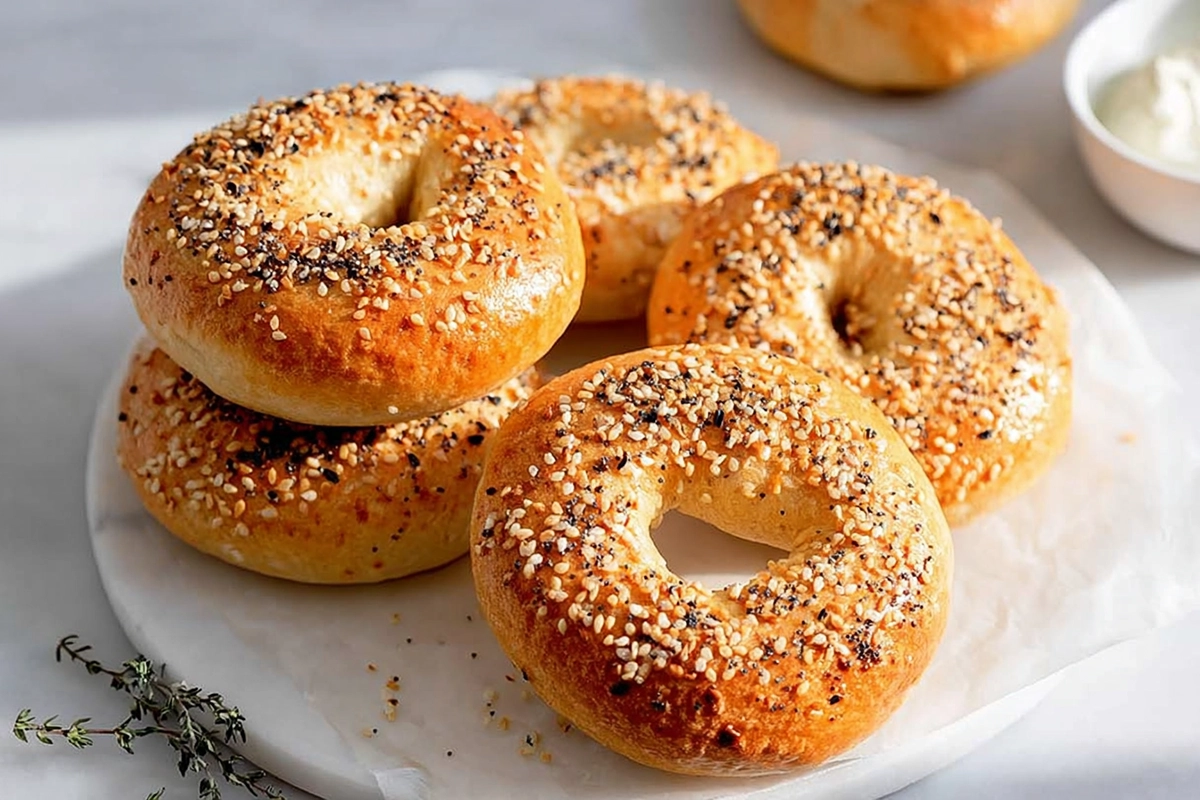
There’s a very specific moment when homemade bagels prove themselves. It’s not when they come out of the oven, blistered and dark gold. It’s when you slice one open and feel resistance under the knife—dense, springy, not airy like sandwich bread. That’s when you know you didn’t just bake round bread. You made a bagel that earns the name.
Most people assume bagels are complicated. In reality, they’re just honest. They don’t tolerate shortcuts. The dough is intentionally stiff. The shaping is simple but precise. And the boiling step—often skipped out of fear or impatience—is what locks in that unmistakable chew and slightly sweet, malty crust. Miss that step, or rush it, and the whole thing loses its backbone.
This recipe was tested with that truth in mind. The ingredients are straightforward: bread flour for strength, yeast for lift, a touch of sugar or malt for depth, salt for balance. What matters more than the list is how each step behaves. The dough should feel tight and slightly stubborn. The water bath should gently simmer, not roar. The oven should be hot enough to set the crust before the inside dries out.
If you’ve ever baked bagels that looked right but tasted flat—or felt more like rolls than bagels—this method corrects that. These homemade bagels are built for people who want dependable results and a texture worth repeating, whether they’re toasted the next morning or pulled from the freezer a week later.
The process is deliberate, but it’s not fussy. Once you understand why each step exists, the rhythm of it makes sense—and that’s where confidence replaces guesswork.
Table of Contents
Understanding This Dough Before You Measure Anything
Bagel dough behaves differently from most home breads, and that difference starts with intention. This dough is meant to feel firm in your hands—slightly resistant, not soft or slack. That stiffness is what gives Homemade Bagels their dense interior and signature chew instead of a fluffy, bread-roll crumb. If the dough feels a little stubborn while mixing, that’s not a problem to fix; it’s a sign you’re on the right track.

Hydration matters more here than exact timing. Too much water turns bagels into round loaves. Too little, and the dough cracks instead of stretching. The balance comes from using the right flour and letting the dough tell you when it’s ready—smooth, elastic, and just barely tacky, not sticky. This is a dough that rewards attention, not force.
The Ingredients That Build Chew and Structure
Every ingredient in this recipe earns its place by doing a specific job. Bagels don’t rely on enrichment or softness; they rely on structure, strength, and restraint.
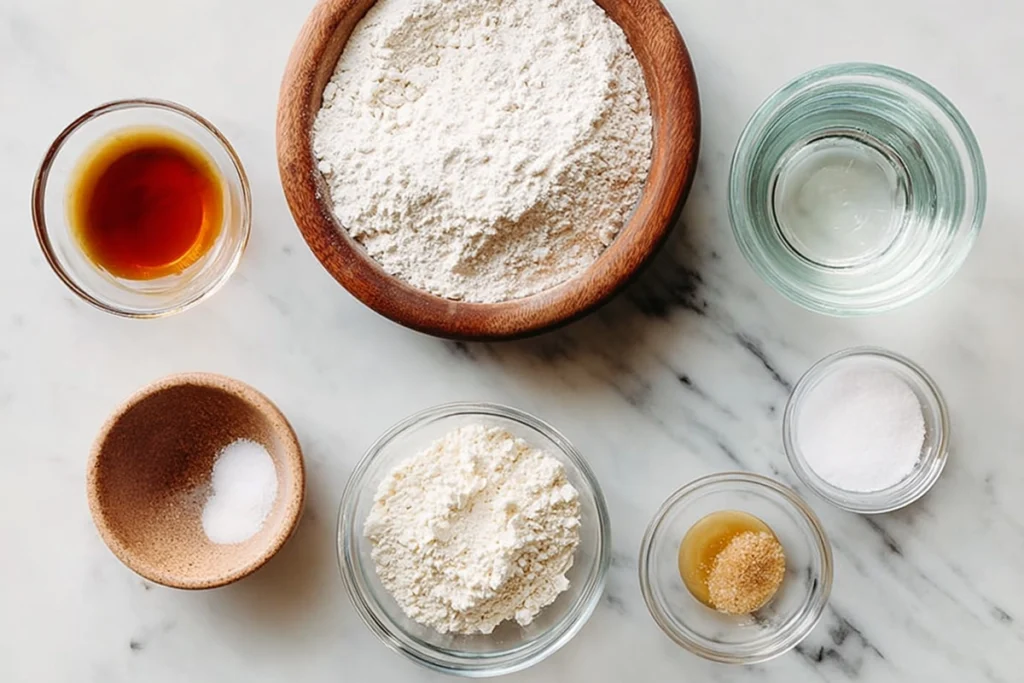
- Warm water: Warm enough to wake up the yeast, not hot enough to kill it. If the water feels comfortably warm on your wrist, you’re in the right range.
- Yeast (instant or active dry): Both work, but active dry may need a little more patience. This recipe allows time for proper fermentation, which builds flavor instead of rushing lift.
- Barley malt syrup, brown sugar, or granulated sugar: This isn’t about sweetness. It feeds the yeast and adds depth. Barley malt gives the most traditional bagel flavor, but brown sugar works well if that’s what you keep on hand.
- Bread flour: Non-negotiable for real bagels. The higher protein content is what creates chew. All-purpose flour will work in a pinch, but the texture will lean soft instead of sturdy.
- Salt: Essential for flavor and dough strength. If you’re using a salted topping later, keep the dough seasoning balanced rather than aggressive.
- Egg white (for the wash): This is about crust, not shine alone. It helps the exterior set firm and golden during baking.
Why the Water Bath Changes Everything
The water bath is the defining step that separates true bagels from bagel-shaped bread. Boiling the shaped dough briefly sets the outside before baking, locking in structure and giving the crust that slight snap once cooled. Adding barley malt syrup or honey to the water encourages browning and deepens flavor, creating that classic bakery finish without relying on sugar in the dough itself.
Skipping this step saves time, but it costs texture. If you’re aiming for chewy bagels with a proper crust—the kind that toast beautifully and hold their own under cream cheese—this step isn’t optional. It’s the backbone of the entire recipe.
Small Adjustments That Matter More Than You Think
If you only have honey instead of barley malt syrup, use it confidently in the water bath and keep the dough simple. If your kitchen runs cool, expect fermentation to take a little longer; flavor improves with patience. These homemade bagels don’t demand specialty tools or perfect conditions, but they do ask that you respect the role each ingredient plays.
Once those roles are clear, the process stops feeling technical and starts feeling familiar—like any good recipe you’ll come back to again and again.
The One Step You Can’t Fake: The Boil That Turns Dough Into Bagels
Once the shaped dough hits the water, everything changes. The surface tightens almost immediately, going from soft and matte to slightly glossy and firm. You’ll hear a gentle, steady bubbling—not a violent boil—and that’s exactly what you want. Too aggressive and the bagels puff unevenly; too calm and the crust won’t set.
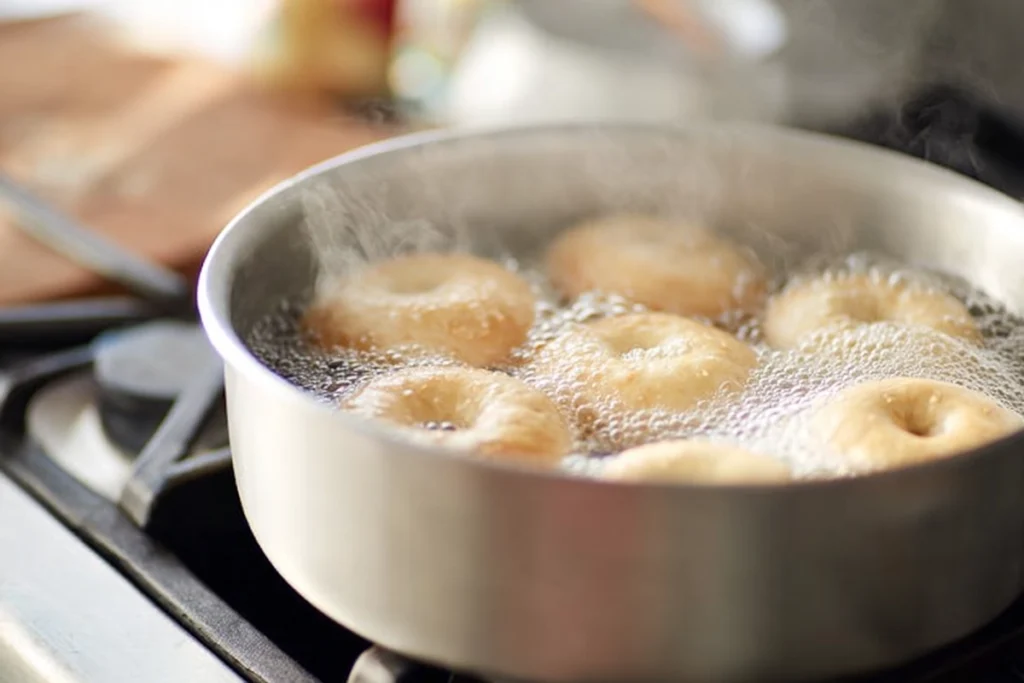
As the bagels float, they should look swollen but controlled, holding their shape instead of spreading. After flipping, the second side firms up faster, and a faint malty sweetness starts to rise from the pot. This is the moment that separates chewy bagels from bread masquerading as one. When lifted out, the surface should feel tacky but resilient, already hinting at that bakery-style bagel texture.
Shaping Bagels Without Overthinking It
Before boiling, the dough needs a short rest after shaping. This isn’t wasted time—it relaxes the gluten just enough to prevent tearing when the dough hits the water. When you press a finger gently into the ring, it should slowly spring back without collapsing.
The hole matters more than the roundness. It should look almost too wide before boiling, because the dough will tighten and shrink once it hits the water. If the hole feels narrow or tense, stretch it again. Bagels that seal shut in the oven almost always started here.
Homemade Bagels Recipe: Timing, Heat, and the Golden Crust Moment
Once baked, the transformation is unmistakable. In the oven, the egg wash sets quickly, and within minutes the bagels take on a deep golden color with darker ridges where the dough expanded. Halfway through baking, the kitchen smells faintly sweet and toasted—not sugary, but warm and bready with depth.
They’re done when the crust feels firm under a fingertip tap and the bottoms sound hollow when lifted. Fresh from the oven, the crust is crisp; as they cool, it settles into that familiar chew that defines good homemade bagels. This balance of heat and timing is what gives you bagels that toast beautifully and hold up to generous toppings without collapsing.
These techniques aren’t complicated, but they are precise—and once you’ve felt and seen them work, they become second nature.
Small Adjustments That Still Respect the Bagel
Bagels are not especially forgiving, but there are a few variations that work because they don’t fight the structure of the dough. If you want a slightly deeper flavor, replacing the sugar in the dough with barley malt syrup is the most meaningful upgrade—it adds that classic, almost toasty backbone without making the bagels sweet. Brown sugar works similarly and brings a softer molasses note that still feels right at home.
Whole wheat flour can be used sparingly, but restraint matters. Swapping in half whole wheat flour keeps the chew intact while adding a nutty edge; going further than that risks a dense, heavy interior. All-purpose flour, on the other hand, is best treated as a last resort. It will produce edible bagels, but the texture leans closer to soft bread than true chewy bagels, and that tradeoff should be a conscious choice.
For toppings, keep additions on the surface rather than in the dough. Seeds, coarse salt, or dried onion adhere best right after the egg wash. Mixing add-ins into the dough disrupts the gluten structure and works against the very thing that makes homemade bagels worth the effort.
How These Bagels Fit Into Real Meals
Freshly baked bagels are best left alone for a few hours before slicing. Once cooled, they toast evenly and develop that contrast between crisp exterior and chewy center. Classic cream cheese works for a reason, but these bagels also hold up well to savory spreads like whipped ricotta or a sharp cheddar blend without collapsing.
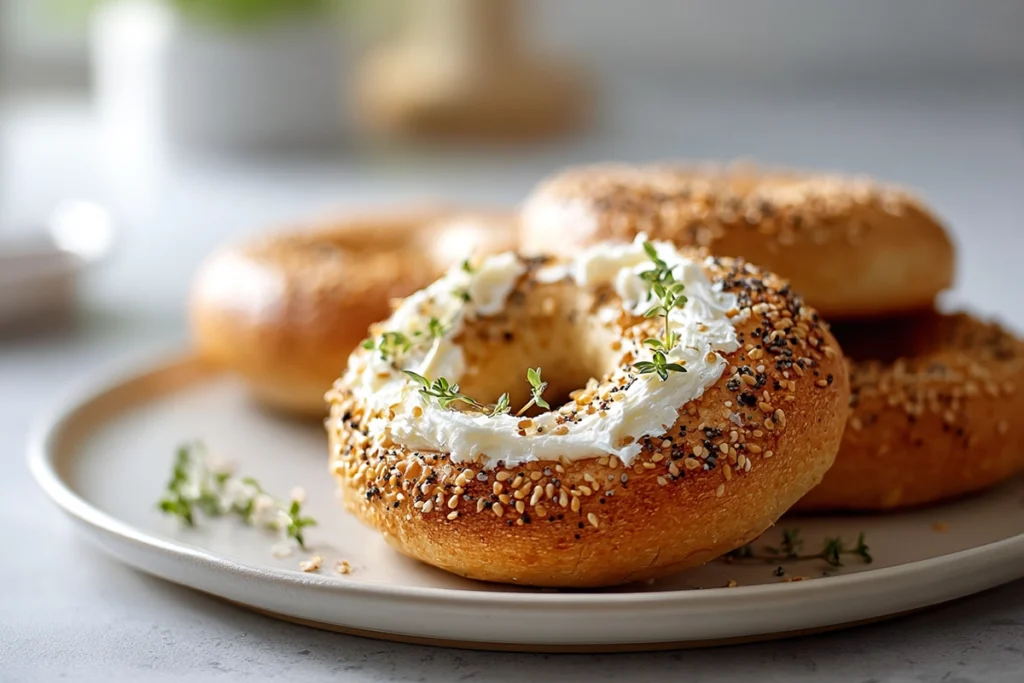
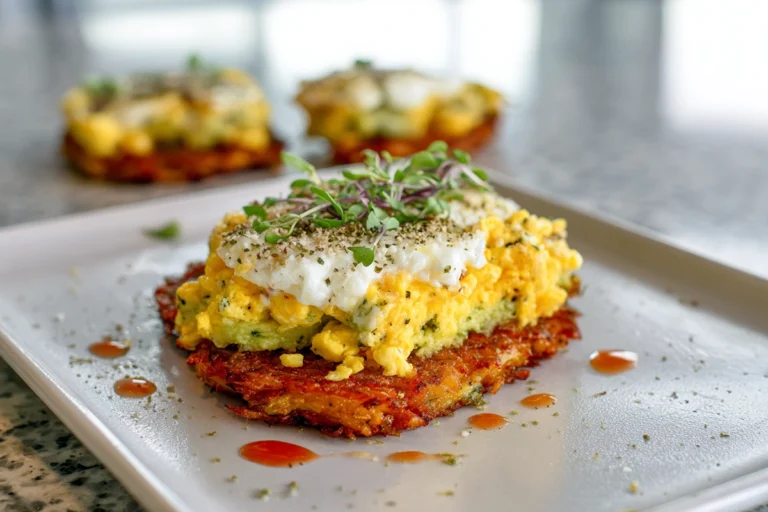
For breakfast, they pair naturally with eggs—especially soft scrambled or folded omelets that don’t overwhelm the crumb. For lunch, they make sturdy sandwich bases, able to handle smoked fish, sliced turkey, or roasted vegetables without turning soggy. Because of their structure, homemade bagels freeze well and reheat cleanly, making them practical for weekday mornings as well as slow weekends.
A Few Final Things Worth Remembering
If bagels come out pale, the water bath likely lacked sugar or malt. If they feel bready instead of chewy, the dough was probably too wet or under-worked. These aren’t failures—they’re signals. Bagel baking is repetitive by nature, and each batch teaches you something useful for the next.
What makes this Homemade Bagels recipe worth returning to is consistency. Once you understand the balance between firm dough, brief boiling, and high heat, the process becomes familiar rather than intimidating. It’s the kind of recipe that settles into your routine—reliable, satisfying, and quietly proud of what it produces.
Get inspired with more mouthwatering recipes! Follow me on Facebook and Pinterest for new cooking ideas every week.
FAQ
Why are my homemade bagels dense instead of light and fluffy?
Bagels are supposed to be dense and chewy, not soft like sandwich bread. If they feel heavy but springy when sliced and toasted, that’s a good sign. When bagels turn unpleasantly heavy, it’s usually from too much flour or a dough that didn’t rise fully before shaping.
Do I really have to boil homemade bagels before baking?
Yes, boiling is what gives homemade bagels their signature chew and structure. The brief water bath sets the outside of the dough so it bakes up firm instead of fluffy. Skipping this step will give you round bread, not true bagels.
Why did my bagels come out pale instead of golden brown?
Pale bagels usually mean the water bath lacked enough sugar or malt, or the oven temperature was too low. The egg wash also plays a big role in color, so make sure it’s brushed evenly. A properly heated oven should produce deep golden bagels by the end of baking.
Can I make homemade bagels ahead of time?
Yes, homemade bagels are very make-ahead friendly. Baked bagels freeze well and can be thawed and toasted without losing texture. You can also refrigerate the dough overnight for a slower rise, which actually improves flavor.
Print
Homemade Bagels
- Total Time: 45 minutes
- Yield: 8 bagels 1x
Description
Chewy, deeply golden homemade bagels made with a firm dough and a classic water bath. This reliable method produces real bakery-style texture that toasts beautifully and holds up to hearty toppings.
Ingredients
- Warm water
- Instant or active dry yeast
- Barley malt syrup, brown sugar, or granulated sugar
- Bread flour
- Salt
- Nonstick spray, butter, or oil for the bowl
- Water for boiling
- Barley malt syrup or honey for boiling
- Egg white and water for egg wash
Instructions
- Mix warm water, yeast, and sweetener and let stand until foamy.
- Add bread flour and salt and mix until a stiff dough forms.
- Knead until smooth, elastic, and slightly tacky, then let rise until doubled.
- Divide dough, shape into rings, and rest briefly.
- Boil bagels in sweetened water, flipping once, then drain well.
- Brush with egg wash and bake until deep golden brown and firm.
- Cool before slicing, toasting, or serving.
Notes
- For best flavor, the dough can rise overnight in the refrigerator.
- Bread flour is essential for proper chew; all-purpose flour will give softer results.
- Boiling the bagels is required for classic texture and crust.
- Baked bagels freeze well and reheat best when sliced and toasted.
- Prep Time: 20 minutes
- Cook Time: 25 minutes
- Category: Breakfast
- Method: Baking
- Cuisine: American
Nutrition
- Serving Size: 1 bagel
- Calories: 250
- Sugar: 4
- Sodium: 300
- Fat: 2
- Saturated Fat: 0.5
- Unsaturated Fat: 1
- Trans Fat: 0
- Carbohydrates: 50
- Fiber: 2
- Protein: 10
- Cholesterol: 5