Mashed Potato Meatloaf: Crispy Potato Peaks Over a Juicy, Sliceable Center

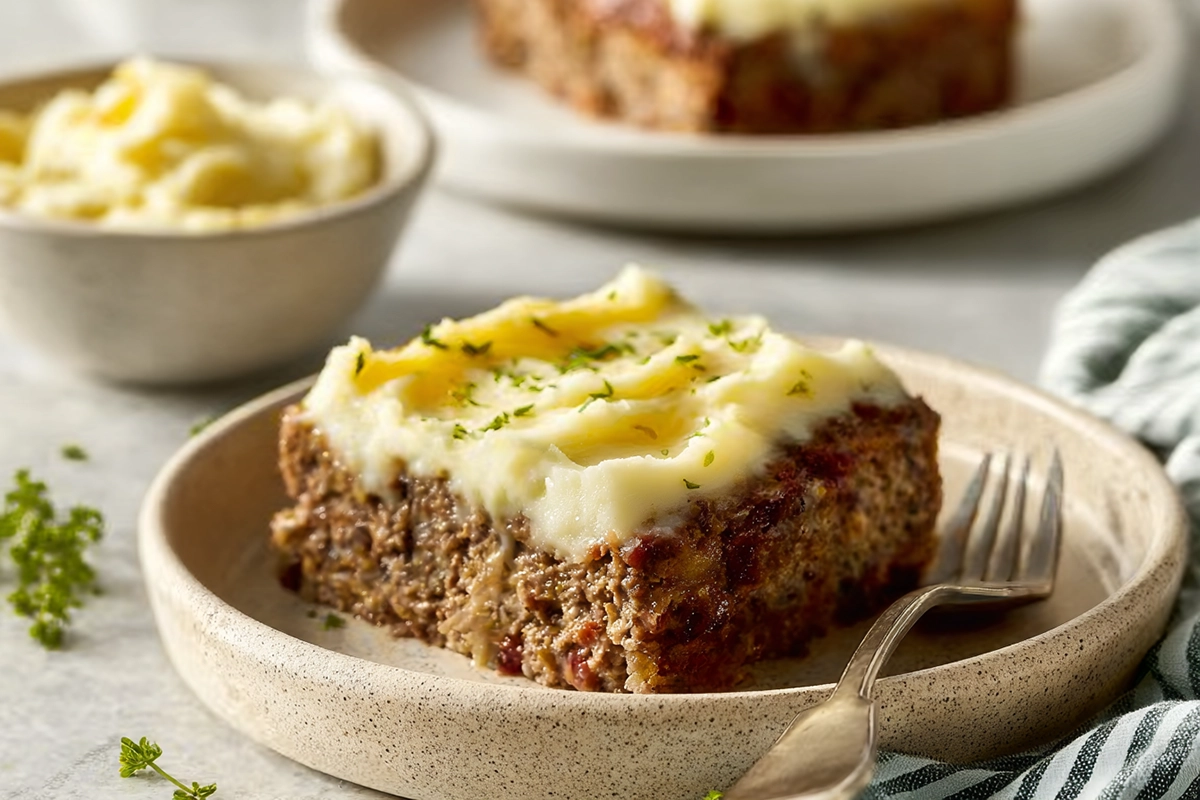
Meatloaf has a reputation problem. Too often it’s dry in the middle, greasy at the edges, and somehow both bland and heavy at the same time. You cut into it hoping for comfort and end up reaching for ketchup to save the situation. The craving is real—you want something hearty, savory, and filling—but you also want it to stay moist, hold together, and feel like a real dinner, not a sad loaf with sides slapped on afterward.
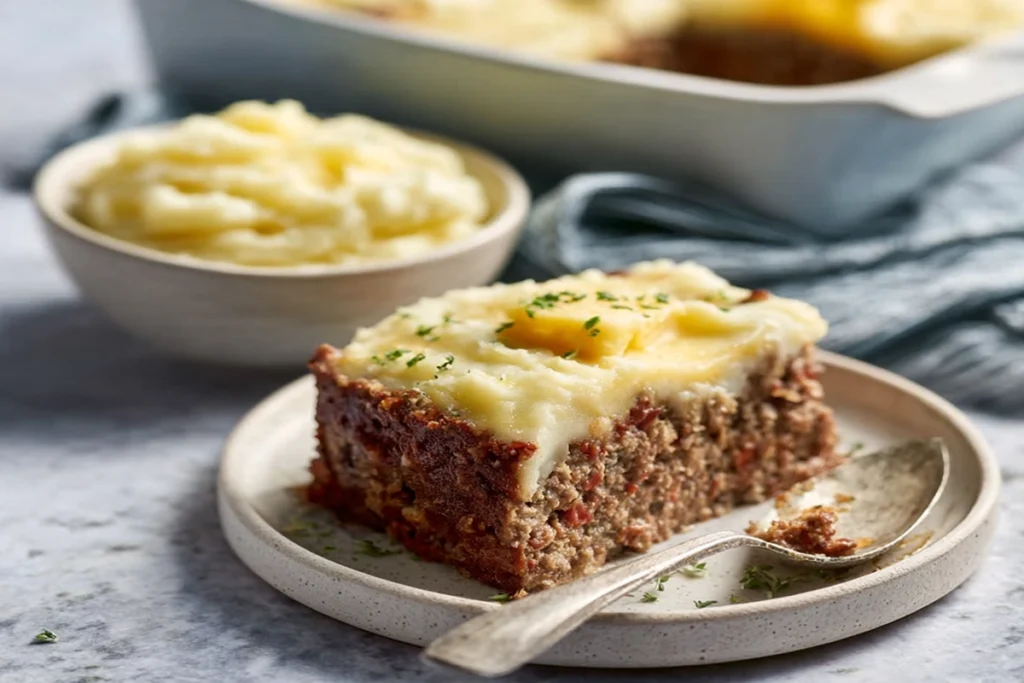
This mashed potato meatloaf fixes that by stacking the comforts instead of separating them. The base is a properly mixed meatloaf—milk-soaked panko, eggs for structure, and just enough seasoning to taste like beef, not breadcrumbs. It bakes long enough to set and rest, so it slices clean instead of collapsing. Then comes the move that changes everything: a thick layer of mashed potatoes spread right on top, butter drizzled over, and a quick blast of high heat. The potatoes blister and brown, forming crisp ridges and soft valleys, while the meat underneath stays juicy and insulated.
This isn’t a fussy casserole or a weeknight science project. You don’t need special equipment or obscure ingredients—just a bowl, a loaf pan, and the patience to let the oven do its job twice. What you get in return is a dinner that smells like caramelized ketchup and toasted butter, cuts into confident slices, and eats like the best parts of a Sunday supper baked into one pan.
Why This Mashed Potato Meatloaf Works (And Most Don’t)
This Mashed Potato Meatloaf isn’t built by accident. Every ingredient here has a job, and if you understand what each one is doing, you’ll understand why this loaf stays juicy, slices cleanly, and doesn’t collapse under its own weight. The foundation starts with milk and panko breadcrumbs mixed together first, not tossed in dry. That milk-soaked paste acts like a moisture reservoir, releasing steam as the meat cooks so the beef stays tender instead of tightening up. If you swap in regular dried breadcrumbs, expect a firmer, more compact loaf.
The ground beef matters too. An 80% lean blend—or a classic meatloaf mix with pork and veal—has enough fat to stay succulent through a long bake. Anything leaner will cook dry before the structure sets. Eggs are here for binding, not fluff. Three eggs may sound heavy-handed, but with two pounds of meat, they’re what give you slices that hold together without turning rubbery.
The ketchup and brown sugar glaze isn’t just nostalgic—it’s functional. Sugar encourages caramelization while the ketchup’s acidity balances the richness of the meat. It also forms a protective layer that prevents the top from drying out during the first bake. Finally, the mashed potatoes aren’t a side—they’re insulation. Prepared mashed potatoes work especially well because they’re already seasoned and smooth; if you use homemade, make sure they’re creamy and warm so they spread easily.
- Milk + Panko: Creates moisture retention; dry crumbs alone won’t.
- Ground Beef (80/20 or meatloaf mix): Fat equals flavor and tenderness.
- Eggs: Structural glue, not a filler.
- Ketchup + Brown Sugar: Balances fat and protects the surface.
- Mashed Potatoes: Act as both topping and moisture shield.

Why This Mashed Potato Meatloaf Works (And Most Don’t)
The real strategy behind this dish is sequencing. This isn’t a casserole where everything bakes together and hopes for the best. The meatloaf is cooked first so the proteins can set, the fats can render, and the loaf can rest. That rest is critical—it allows juices to redistribute so slicing doesn’t cause a collapse. Only after the structure is secure do the mashed potatoes go on.
That second, hotter bake is where the transformation happens. Turning the oven up to 450°F isn’t about cooking—it’s about browning. The butter drizzled over the potatoes melts into the surface, encouraging crisp ridges and golden peaks instead of a pale, mashed lid. Because the meat is already cooked, you’re free to chase color without fear of drying it out.
This layered approach solves the two biggest meatloaf complaints at once: dryness and boredom. You get a savory, well-seasoned base with a creamy-crisp topping that feels intentional, not decorative. It’s comfort food engineered to behave—something you can cut cleanly, reheat confidently, and serve without apologizing.
The One Step You Can’t Rush: Building the Meatloaf Base
Making the Panade (This Is Where Moisture Is Locked In)
Start by stirring the milk into the panko until it turns into a soft, spongy paste. It should look swollen and slightly shaggy, not soupy and not dry. When you pinch it between your fingers, it should feel plush—like a soaked sponge—not crumbly. This mixture should smell neutral and milky, not bready, which tells you it’s hydrated enough to protect the meat.
Mixing the Meat Without Beating It Up
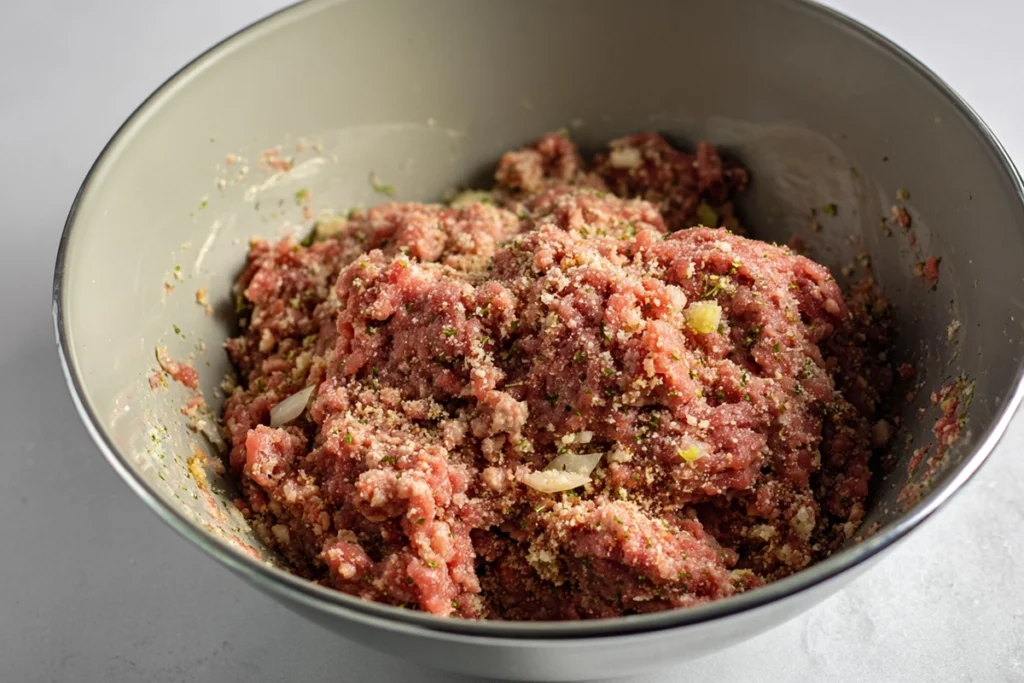
Add the ground beef, eggs, parsley, salt, and pepper directly to that panade. Use your hands and spread your fingers wide—this is folding, not kneading. The mixture should feel cool and loose, and you should stop the moment everything looks evenly distributed. If it starts to feel sticky or tight, you’ve gone too far, and that’s how mashed potato meatloaf turns dense instead of sliceable.
Shaping and Glazing for an Even Bake
Form the meat gently into a loaf and set it into the pan without pressing it down. The surface should look slightly rough, not packed smooth. When the ketchup and brown sugar glaze goes on, it should spread easily and smell tangy-sweet right away. As it bakes, you’ll hear gentle sizzling and smell caramelizing sugar—that’s the signal the glaze is doing its job.
Frosting, Not Topping: How the Potatoes Stay Put and Brown Right
Letting the Meatloaf Rest Before the Potatoes
When the meatloaf comes out of the oven, it should look set around the edges and slightly firm when pressed, like the base of your thumb. You’ll hear quiet crackling as juices settle back inside. This rest matters—skip it, and the potatoes will slide instead of stick. The surface should feel warm, not steaming hot, before you frost it.
Spreading the Mashed Potatoes Like Icing
The mashed potatoes should be warm and pliable, spreading easily with the back of a spoon. Don’t aim for perfection—swirls and peaks are what you want because they catch heat. When you drizzle the melted butter over the top, it should sink into the ridges and smell rich and dairy-sweet. That butter is your browning insurance.
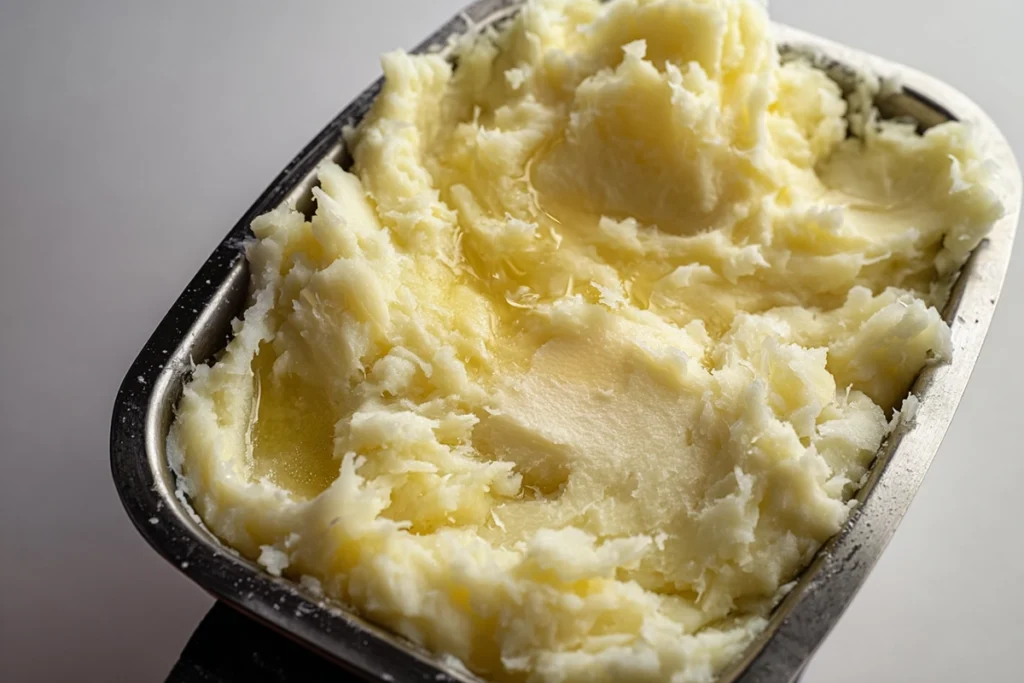
The High-Heat Finish That Changes Everything
Crank the oven up and slide the mashed potato meatloaf back inside. You’re listening now: a faint sizzle means the butter is working. Watch for the peaks to turn golden with darker toasted spots—this happens fast. When it smells like browned butter and roasted potatoes, pull it out and let it rest again so every slice holds together cleanly.
Swaps That Actually Work (and One That Doesn’t)
If you’re short on groceries, this recipe is forgiving—but not lawless. Ground beef can be swapped for a classic meatloaf mix if you find it; the pork and veal add extra tenderness and a richer smell as it bakes. If all you have is 90% lean beef, expect a firmer loaf and compensate by being extra gentle when mixing. Prepared mashed potatoes are a smart shortcut here and often smoother than homemade; if you do make your own, keep them warm and creamy or they’ll tear instead of spread. One swap to skip: almond milk. It doesn’t hydrate the panko the same way and leaves the meat dry.
How to Serve It Like a Weeknight Pro, Not a Holiday Project
This Mashed Potato Meatloaf is rich and savory, so it needs something green and simple beside it. Plain green beans—steamed or quickly sautéed—cut through the butter and beef without competing. Peas work for the same reason, especially if you finish them with a pinch of salt instead of more fat. Slice the loaf thick and serve it hot the first night, then thinner the next day for leftovers. If you reheat, a covered skillet over low heat keeps the meat juicy and the potatoes intact better than the microwave.
Common Mistakes That Ruin the Casserole (And How to Dodge Them)
If your slices fall apart, you rushed the rest—both times. The loaf needs time to settle before frosting and again before slicing. Grease pooling at the bottom usually means the meat was too lean or the loaf was packed too tightly into the pan. Pale potatoes mean the oven wasn’t fully hot for the second bake; this is one of the few times high heat is your friend. Trust your nose—when it smells like browned butter and caramelized glaze, it’s ready.
This is the kind of dinner that earns repeat requests because it behaves. The Mashed Potato Meatloaf slices clean, reheats without drying out, and turns leftovers into something you actually look forward to. It’s not flashy, but it’s dependable—and that’s exactly why it belongs in your regular rotation.
Common Questions About Mashed Potato Meatloaf
Can I use instant mashed potatoes instead of prepared fresh ones?
Yes—instant mashed potatoes work well here as long as they’re made thick and fully hydrated. Runny potatoes will slide off during the second bake instead of clinging to the meatloaf. Prepare them slightly stiffer than you’d serve on the side, and let them cool just enough to hold their shape while still being spreadable.
What’s the best meatloaf mix if I don’t want straight ground beef?
Use a classic meatloaf mix with beef, pork, and veal if you can find it. The pork adds juiciness, and the veal softens the texture so the slices stay tender. If you stick with all beef, choose 80/20—leaner meat dries out before the loaf has time to set.
Can this be baked in a casserole dish instead of a loaf pan?
It can, but expect a different result. A casserole dish spreads the meat thinner, which cooks it faster and increases moisture loss. If you go this route, mound the meat into a compact loaf shape in the center of the dish rather than flattening it, and watch the bake time closely so it doesn’t dry out.
How far ahead can I assemble it before baking?
Assemble and bake the meatloaf base the same day for best texture. You can mix the meat and keep it covered in the fridge for a few hours, but don’t frost with mashed potatoes until after the first bake. Cold potatoes won’t spread cleanly and tend to slide once reheated.
Why did my mashed potatoes slide off the meatloaf?
This happens when one of three things goes wrong: the meatloaf didn’t rest long enough, the potatoes were too cold or too loose, or the surface was greasy. Let the loaf rest after the first bake, use warm and thick mashed potatoes, and spread them gently so they grip instead of skate.
Print
Meatloaf with Mashed Potatoes
- Total Time: 1 hour 20 minutes
- Yield: 4 servings 1x
Description
Classic Meatloaf with Mashed Potatoes is a comforting American dinner made with juicy baked meatloaf and creamy, buttery mashed potatoes. Perfect for family meals, meal prep, or cozy weeknight dinners.
Ingredients
- 1 1/2 pounds ground beef (80/20)
- 1 cup milk
- 3/4 cup breadcrumbs
- 1 large egg
- 1 small onion, finely diced
- 2 cloves garlic, minced
- 2 tablespoons ketchup
- 1 tablespoon Worcestershire sauce
- 1 teaspoon salt
- 1/2 teaspoon black pepper
- 1 teaspoon smoked paprika
- 2 1/2 pounds russet or Yukon Gold potatoes, peeled and cubed
- 4 tablespoons unsalted butter
- 3/4 cup warm milk or cream
- 1 teaspoon salt
- 1/2 teaspoon black pepper
Instructions
- Preheat the oven to 375°F (190°C) and lightly grease a baking dish.
- In a large bowl, combine milk and breadcrumbs and let soak for 1 minute.
- Add ground beef, egg, onion, garlic, ketchup, Worcestershire sauce, salt, pepper, and paprika. Mix gently until just combined.
- Shape the mixture into a loaf and place it in the prepared baking dish. Spread a thin layer of ketchup on top if desired.
- Bake for 50–60 minutes, until the meatloaf is cooked through and lightly caramelized.
- Meanwhile, boil the potatoes in salted water until fork-tender, about 15–20 minutes.
- Drain the potatoes and return them to the pot. Mash with butter and warm milk until smooth and creamy.
- Season the mashed potatoes with salt and pepper to taste.
- Slice the meatloaf and serve warm with mashed potatoes.
Notes
- Do not overmix the meatloaf to keep it tender.
- Russet potatoes create fluffy mashed potatoes, while Yukon Golds make them creamier.
- Leftovers store well in the refrigerator for up to 4 days.
- Prep Time: 20 minutes
- Cook Time: 60 minutes
- Category: Dinner
- Method: Baking
- Cuisine: American
Nutrition
- Serving Size: 1 plate
- Calories: 620
- Sugar: 8 g
- Sodium: 780 mg
- Fat: 34 g
- Saturated Fat: 14 g
- Unsaturated Fat: 18 g
- Trans Fat: 1 g
- Carbohydrates: 42 g
- Fiber: 4 g
- Protein: 36 g
- Cholesterol: 145 mg