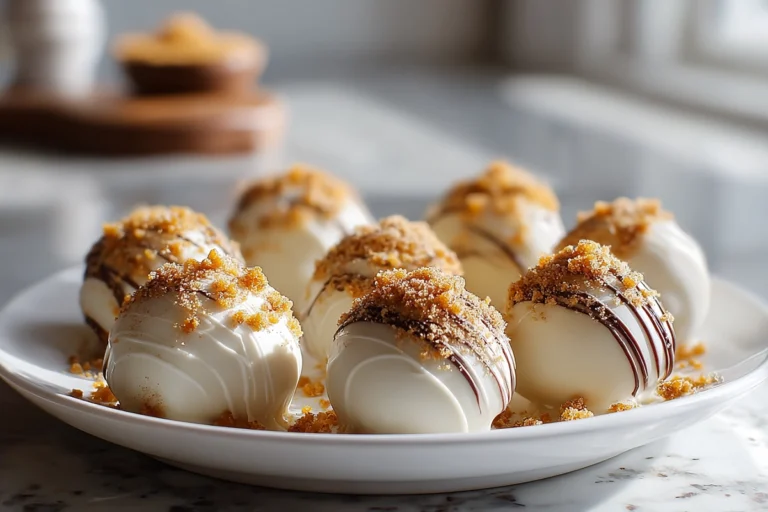
Nutter Butter Pie: Cold, Creamy, and Built for Peanut Butter People

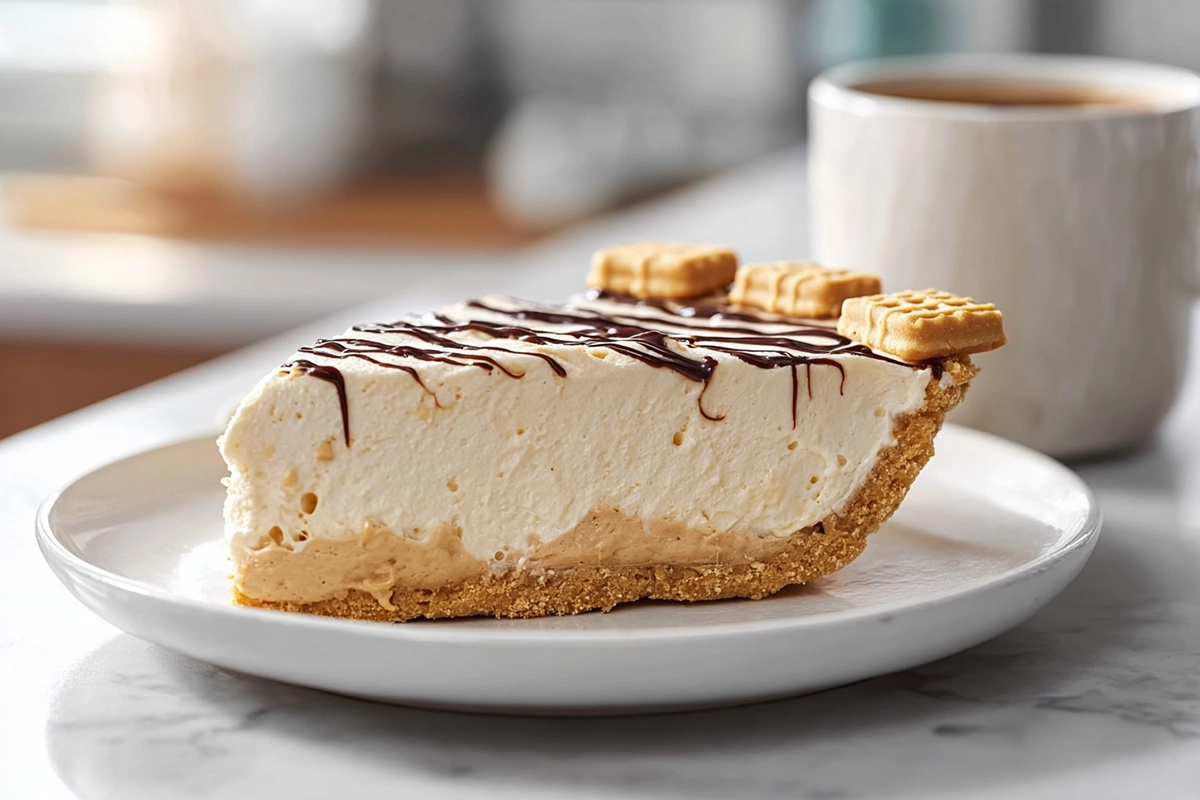
You remember that moment when the dessert table looks fine—fine, but nothing actually pulls you toward it? Cakes are dry, pies are warm when they shouldn’t be, and everything tastes like it took more effort than it delivered. What you really want is something cold, dense, creamy, and unapologetically indulgent. Something that cuts clean, melts slowly on the tongue, and hits you with peanut butter before your brain can object. That’s the problem this Nutter Butter pie solves—and it does it without an oven or a single dramatic step.
This pie works because every component is doing a specific job. The Nutter Butter crust isn’t just sweet; it’s salty, structured, and sturdy enough to hold a thick filling without collapsing into crumbs. The filling itself is a controlled balance—cream cheese for body, peanut butter for richness, powdered sugar for smooth sweetness, and Cool Whip for lift without instability. Nothing is whipped to death. Nothing is rushed. The result is a filling that’s light but not airy, rich but not greasy, and firm enough to slice without dragging the crust with it.
The real secret, though, is restraint. You don’t need heat. You don’t need gelatin. You don’t have to overcomplicate something that already knows what it wants to be. You need softened cream cheese, a cold fridge, and enough patience to let time do its work. By the time this pie is fully chilled, it’s not simply a no-bake dessert—it’s a clean wedge of peanut butter nostalgia that tastes deliberate, not accidental.
Table of Contents
Why This Nutter Butter Pie Works When Other No-Bake Pies Don’t
Most no-bake pies fail because they’re built on sweetness alone. This one isn’t. Every ingredient here has a structural job, not just a flavor role, which is why the final pie slices clean instead of slumping into a sweet puddle. The crust, the filling, and even the store-bought component are doing quiet, technical work behind the scenes.
- Nutter Butter cookies: These aren’t just a peanut butter delivery system. They bring sugar and salt, plus a baked-in fat content that helps the crust harden solidly once chilled. Compared to graham crackers, they create a sturdier, less sandy base that doesn’t absorb moisture from the filling.
- Unsalted butter: Melted butter binds the cookie crumbs, but unsalted butter is important here. The cookies already carry salt, and adding more control prevents the crust from tipping into overly savory. If you only have salted butter, it still works—just don’t add anything extra later.
- Cream cheese: This is the backbone of the filling. It provides body and structure, preventing the peanut butter from becoming oily and loose. It must be fully softened; cold cream cheese won’t emulsify smoothly and leads to a lumpy texture.
- Creamy peanut butter: Regular, shelf-stable peanut butter is ideal. Natural peanut butter tends to separate and can break the filling’s structure, especially after chilling.
- Powdered sugar: Powdered sugar dissolves instantly, sweetening without graininess and helping the filling stay smooth and cohesive.
- Cool Whip: This isn’t a shortcut—it’s a stabilizer. It introduces air in a controlled way and helps the filling set without gelatin. Homemade whipped cream can work, but only if it’s stabilized properly.

Why the Concept Holds Together Without Heat
The entire strategy of this pie is built around controlled emulsification and time. There’s no baking step to force structure into place, so the ingredients have to cooperate naturally. Cream cheese and peanut butter form a fat-based network when beaten together, trapping air just enough to feel light without becoming fluffy. Powdered sugar tightens that network, while Cool Whip reinforces it with pre-stabilized cream.
Chilling then becomes an active ingredient. As the pie rests, fats firm up, the crust locks into place, and the filling transitions from soft to sliceable. That’s why rushing the fridge time compromises the whole design. When done correctly, this Nutter Butter pie behaves like a baked dessert—clean edges, stable layers, and a texture that holds long enough to enjoy every bite.
The Crust Is the Backbone (And Where Most People Mess Up)
When you crush the Nutter Butter cookies, pay attention to the texture before you even add butter. You’re aiming for something that looks like damp sand, not gravel—when you rub it between your fingers, it should feel soft and uniform, with no hard chunks bumping against the bowl. Once the melted butter goes in, the mixture should darken slightly and smell like roasted peanuts and sugar, rich but not greasy.
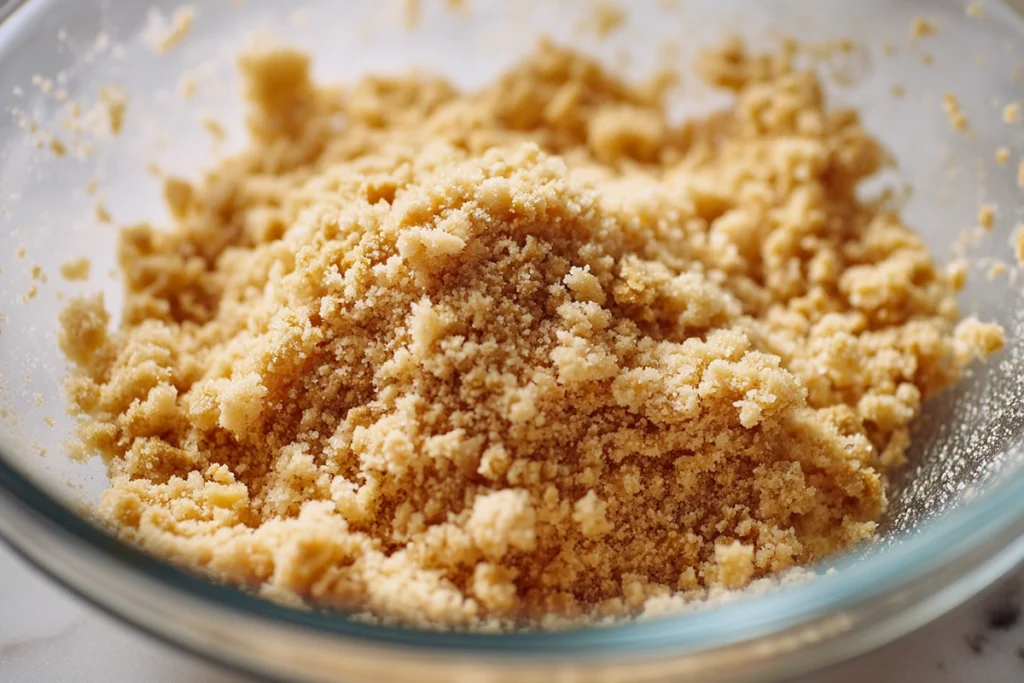
As you press the crust into the pan, listen for the quietness. If you hear cracking or crunching, you’re pressing too hard. The bottom should feel firm under your fingertips, like compressed brown sugar, while the sides should be just sturdy enough to stand without turning rock-hard once chilled. A crust that’s too dense will fight your fork later.
The One Moment You Can Ruin the Filling
Before the mixer ever turns on, touch the cream cheese. It should yield easily, leaving a shallow dent—cool, but not cold. If it’s stiff, the mixer will smear it instead of smoothing it, and you’ll see stubborn white streaks that never quite disappear.
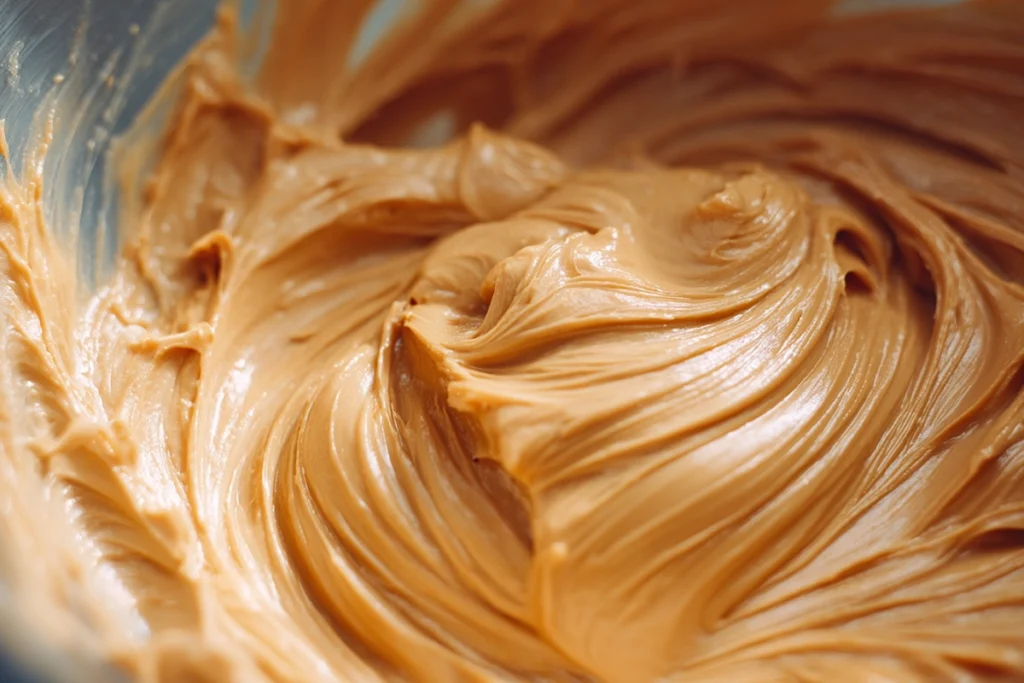
As the cream cheese and peanut butter beat together, watch the color lighten slightly and listen to the sound change. It starts heavy and dull, then softens into a quieter, creamier hum as air works its way in. When the powdered sugar goes in, the smell shifts—sweet, nutty, almost like peanut butter fudge. Adding the Cool Whip should feel gentle; on low speed, the mixture becomes glossy and pillowy, not loose or soupy. If it looks shiny and holds soft waves, you’re exactly where you need to be.
Chilling Is an Ingredient, Not a Suggestion
Once the filling is in the crust, the pie should look smooth and level, with no ripples or air pockets staring back at you. Slide it into the fridge and forget about it—this is the quiet part of the process where the structure actually forms. As it chills, the fats firm up, and the filling tightens, turning from soft and spreadable into something that feels set when you gently tap the surface.
After a few hours, press lightly at the center. It should feel cool and resilient, like softly chilled butter, not jiggly or wet. That’s when this Nutter Butter pie stops being a mixture and becomes a sliceable dessert—clean edges, steady layers, and a texture that holds long enough to savor instead of rushing before it melts.
Swaps That Actually Work (and One That Doesn’t)
If you’re staring into the pantry and trying to avoid another store run, there are a couple of smart moves that won’t sabotage this pie. A chocolate cookie crust can work if you’re out of Nutter Butters—but only if you keep the butter amount tight. Chocolate cookies are drier, and too much butter turns the base greasy fast. Use just enough so it holds when pinched, no more.
Cream cheese is absolutely required, but Cool Whip has a little flexibility. If you really want to use homemade whipped cream, it must be stiff and lightly stabilized—think cold cream beaten until it holds sharp peaks. Anything softer will collapse the filling once chilled. What doesn’t work? Natural peanut butter. Even well-stirred, it tends to weep oil in the fridge and loosen the structure. Save it for toast.
How to Serve It Like You Know What You’re Doing
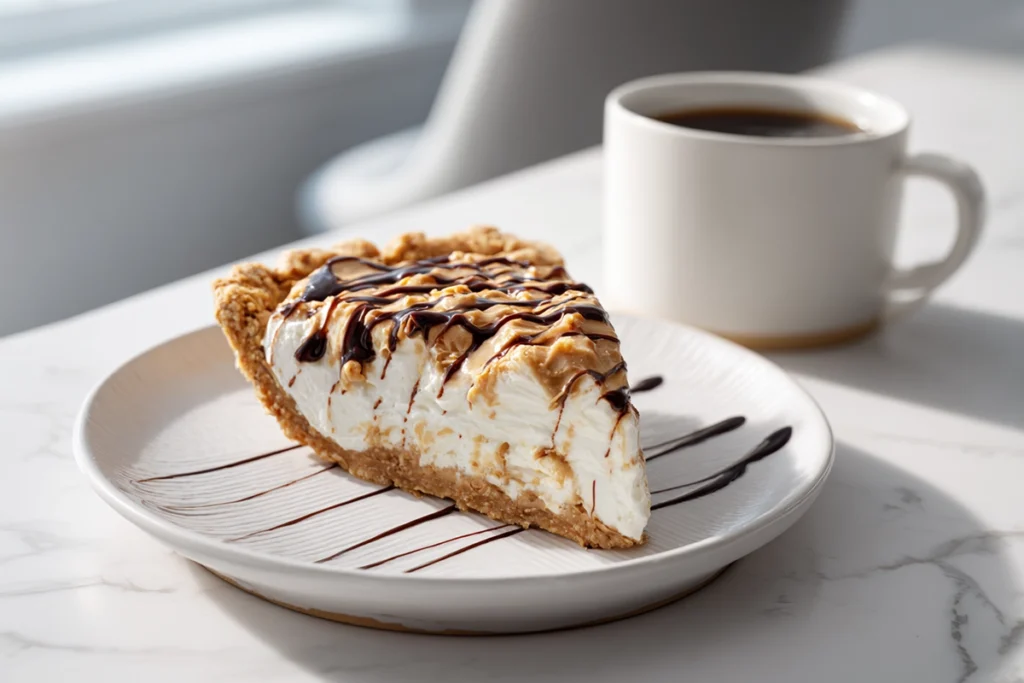
This pie shines when it’s cold, cleanly sliced, and not overloaded. For neat cuts, wipe your knife between slices and let the blade do the work—don’t saw. A thin drizzle of melted chocolate adds bitterness that cuts the sweetness, while a scattering of crushed Nutter Butter cookies reinforces the flavor without dominating it.
Serve this Nutter Butter pie after something savory and simple—grilled chicken, burgers, or even a simple roast. It’s rich, so it works best when dinner didn’t already push the limits. Coffee helps. Strong coffee helps more.
Fixes, Not Platitudes: Real-World Troubleshooting
If the filling feels too soft after chilling, it’s usually one of two things: the cream cheese wasn’t fully softened before mixing, or the Cool Whip was overmixed and deflated. Let it chill longer before panicking—time fixes more than people think. If the crust sticks, next time line the base with parchment. It’s a slight move that saves a lot of frustration.
This is the kind of dessert that rewards patience and restraint. When you respect the balance and let the fridge do its job, the payoff is a slice that holds together, tastes deliberate, and disappears faster than you expect. Make it once, and this Nutter Butter pie will quietly earn a permanent spot in your dessert rotation—no oven, no waste, no regrets.
Get inspired with more delicious recipes! Follow me on Facebook and Pinterest for new cooking ideas every week.
Common Questions About Nutter Butter Pie
Can I make this Nutter Butter pie ahead of time?
This pie is actually better when made ahead. Prepare it the day before you plan to serve it and let it chill overnight so the filling fully sets and the flavors settle. Keep it covered in the refrigerator to prevent it from absorbing fridge odors, and don’t add any toppings until right before serving so the surface stays clean and smooth.
Can I use natural peanut butter instead of regular?
Natural peanut butter isn’t a good choice here because it separates as it chills. That extra oil loosens the filling and prevents the pie from setting properly. Use a standard, shelf-stable creamy peanut butter so the fat stays emulsified and the filling firms up the way it’s supposed to.
What can I use instead of Cool Whip?
You can replace Cool Whip with homemade whipped cream, but it has to be stiff and stabilized. Whip cold heavy cream to firm peaks so it holds its shape. The filling will relax and turn soft after chilling. If you’re not comfortable judging whipped cream texture, stick with Cool Whip—it’s reliable and designed to hold structure in no-bake desserts.
Can this pie be frozen, and how should it be thawed?
Freezing works well if you need to store the pie longer. Freeze it uncovered until firm, then wrap it tightly to prevent freezer burn. Thaw it slowly in the refrigerator for several hours before serving; this retains the texture creamy instead of grainy. Avoid thawing at room temperature, which can cause condensation and a soggy crust.
Do I need a springform pan, or will a regular pie dish work?
A springform pan makes removal and slicing easier, especially for clean edges, but a regular pie dish will still work. If you use a pie dish, press the crust evenly and plan to serve slices directly from the dish rather than removing the whole pie. Lining the bottom with parchment helps release the first slice without tearing the crust.
Print
Nutter Butter Pi
- Total Time: 4 hours 15 minutes
- Yield: 12 servings 1x
Description
A cold, creamy no-bake Nutter Butter pie with a peanut butter cookie crust and whipped peanut butter filling that slices clean every time.
Ingredients
- 24 Nutter Butter cookies
- 1/3 cup unsalted butter, melted
- 8 ounces cream cheese, softened
- 3/4 cup creamy peanut butter
- 1/2 cup powdered sugar
- 8 ounces Cool Whip, thawed
Instructions
- Crush the Nutter Butter cookies into fine crumbs and mix with melted butter until evenly combined.
- Press the crumb mixture firmly into the bottom of a springform pan and slightly up the sides.
- Mix the softened cream cheese and peanut butter together until smooth and fluffy.
- Add the powdered sugar and mix briefly, then gently fold in the Cool Whip on low speed.
- Spread the filling evenly over the crust and refrigerate until fully set before slicing.
Notes
- Use shelf-stable creamy peanut butter for best texture.
- Allow full chilling time for clean slices.
- Prep Time: 15 minutes
- Category: Dessert
- Method: No-Bake
- Cuisine: American
Nutrition
- Serving Size: 1 slice
- Calories: 366
- Sugar: 20
- Sodium: 236
- Fat: 25
- Saturated Fat: 11
- Unsaturated Fat: 13
- Trans Fat: 0.2
- Carbohydrates: 31
- Fiber: 2
- Protein: 7
- Cholesterol: 36