Perfect German Potato Pancakes With Crispy Edges and Cozy Flavor

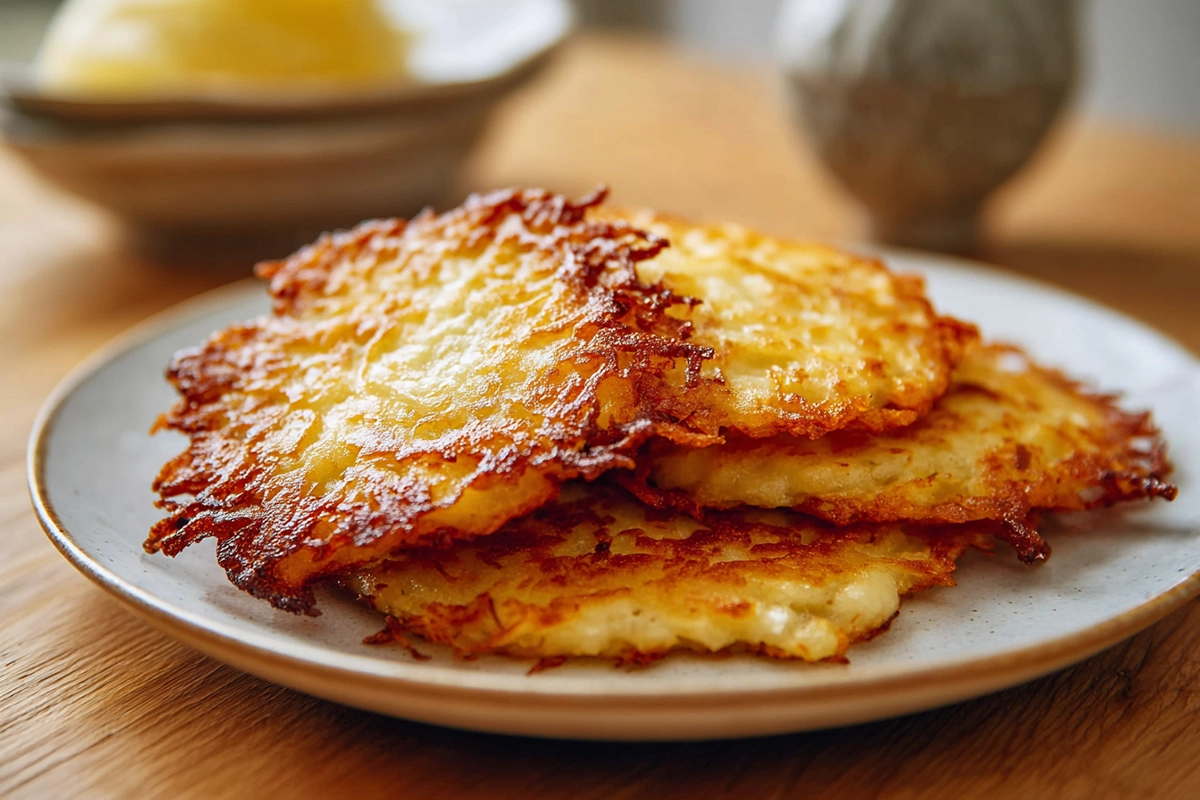
There’s something deeply comforting about standing at the stove, listening to oil gently sizzle while something simple turns into something special. That’s exactly the feeling you get when making Perfect German Potato Pancakes. They’re humble, familiar, and incredibly satisfying—crispy on the outside, tender inside, and full of savory potato flavor. Whether you grew up with them or you’re discovering them for the first time, this is the kind of recipe that feels like it belongs in a real kitchen, not a showroom.
These classic pancakes, often called Kartoffelpuffer, don’t rely on tricks or fancy ingredients. They rely on good potatoes, a little patience, and knowing what to look for as you cook. Once you understand that, they come together easily and taste like something you’ll want to make again and again.
Table of Contents
Why This Recipe Works (A Kitchen Memory)
The first time you make potato pancakes, it’s tempting to rush. Potatoes are grated, mixed, and thrown into the pan without much thought. I learned the hard way that moisture is everything here. Too wet, and they steam instead of crisp. Too dry, and they lose their tender center.
What makes this version reliable is slowing down for just one moment—the draining. That single step is what turns a bowl of grated potatoes into pancakes that actually hold together and fry up beautifully. Once you see and feel the difference, it sticks with you, and suddenly this recipe feels easy instead of fussy.
Ingredients That Matter More Than You Think
You don’t need many ingredients, but each one plays a clear role. When you keep them simple and handle them right, the pancakes take care of themselves.
- 2 1/2 pounds starchy potatoes, peeled and very finely grated
- 1 small yellow onion, very finely grated
- 2 large eggs
- 1/4 cup all-purpose flour, plus a little more if needed
- 1 teaspoon sea salt
- Neutral-tasting oil, such as vegetable or canola oil, for frying
Ingredient Swaps That Actually Work
Starchy potatoes like russets are non-negotiable if you want crisp edges and structure. Waxy potatoes hold too much moisture and tend to fall apart. If you’re out of yellow onion, a small amount of white onion works, but avoid sweet onions, which can throw off the balance.
Flour can be adjusted slightly depending on how wet your potatoes are. Add just enough to help the mixture bind—too much makes the pancakes heavy.

The Method, Explained Like a Cook (Not a Recipe Card)
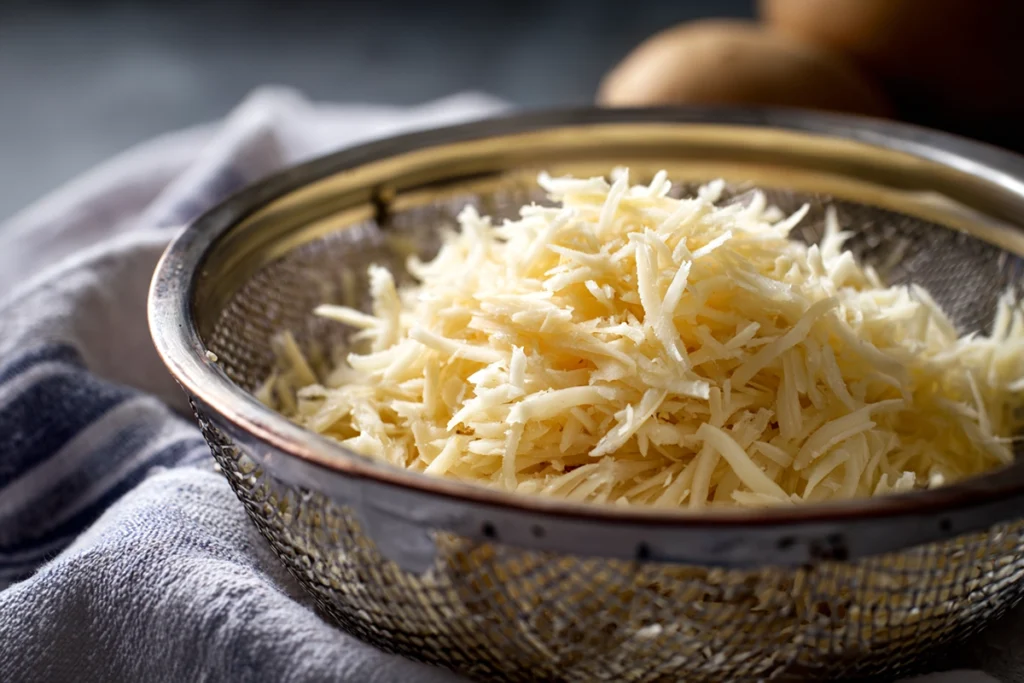
Once the potatoes and onion are grated, everything moves quickly. Place the grated potatoes in a colander and squeeze them firmly with your hands to remove as much liquid as possible. You can also wrap them in a clean kitchen towel and wring them out. This step should feel purposeful; you’re not being gentle here.
Transfer the drained potatoes to a bowl and add the grated onion, eggs, flour, and salt. Use your hands to mix everything together. The mixture should feel slightly tacky and cohesive, not runny. If it feels loose, sprinkle in a bit more flour until it holds together.
Moisture Control: The Step Most Recipes Rush
This mixture shouldn’t sit around. Potatoes oxidize quickly, and excess moisture continues to seep out. Once everything is combined, head straight to the stove. If you wait too long, you’ll notice the mixture loosening and darkening, which affects both texture and flavor.
Timing, Texture, and Doneness You Can Trust
Heat a few tablespoons of oil in a nonstick skillet over medium-high heat. You want the oil hot enough that the mixture sizzles as soon as it hits the pan, but not so hot that it smokes. Scoop about 1/3 to 1/2 cup of the mixture into the pan and gently flatten it with the back of a spoon.
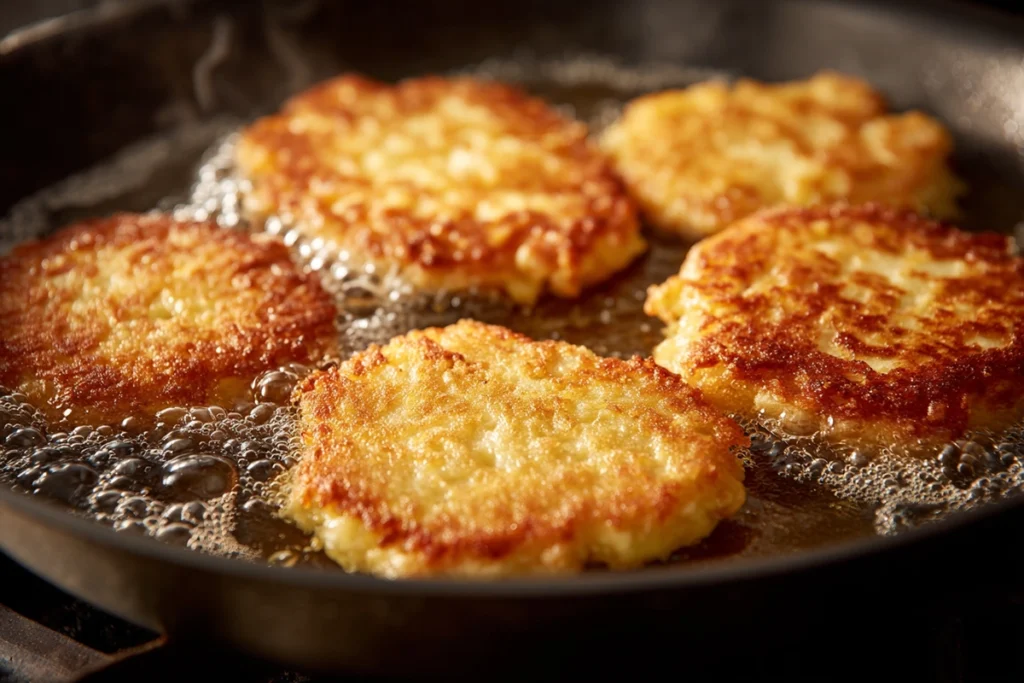
As the pancake cooks, the edges will start to look lacy and deeply golden. That’s your cue to flip. If it resists or feels fragile, give it another minute. Once flipped, the second side usually cooks a bit faster, developing the same crisp, rich color.
When done, the pancakes should feel firm but not hard, with a soft interior when pressed lightly.
Common Mistakes and How to Fix Them
If your pancakes fall apart, the mixture is usually too wet. Squeeze out more liquid or add a small spoonful of flour. Pale pancakes often mean the pan isn’t hot enough. Increase the heat slightly and give the oil time to recover between batches.
If they taste greasy, the oil was likely too cool at the start. Hot oil seals the exterior quickly, preventing excess absorption.
Traditional and Modern Variations Worth Trying
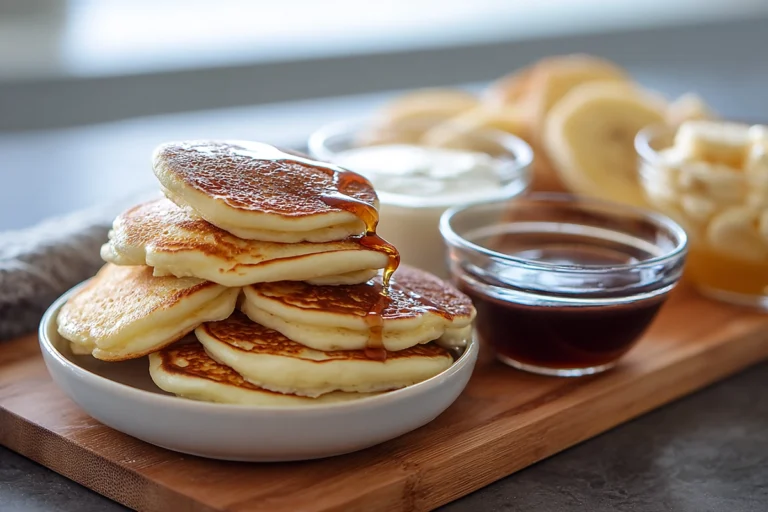
Traditionally, these pancakes are served both sweet and savory. Applesauce or fruit compote highlights their crisp edges, while savory toppings like herbed yogurt, quark, or sour cream lean into their comfort-food side.
You can also serve them alongside roast meats, gravy, or even a simple fried egg for a light meal. Small additions like black pepper or a pinch of nutmeg are welcome, but keep the potato flavor front and center.
Dietary Variations That Still Taste Right
This recipe is naturally dairy-free, which makes it easy to adapt. For a gluten-free version, substitute a gluten-free all-purpose flour blend or potato starch in place of regular flour. The texture stays crisp as long as moisture is well controlled.
No other major changes are needed, which is part of what makes this dish so approachable.
Serving Ideas for Real Life
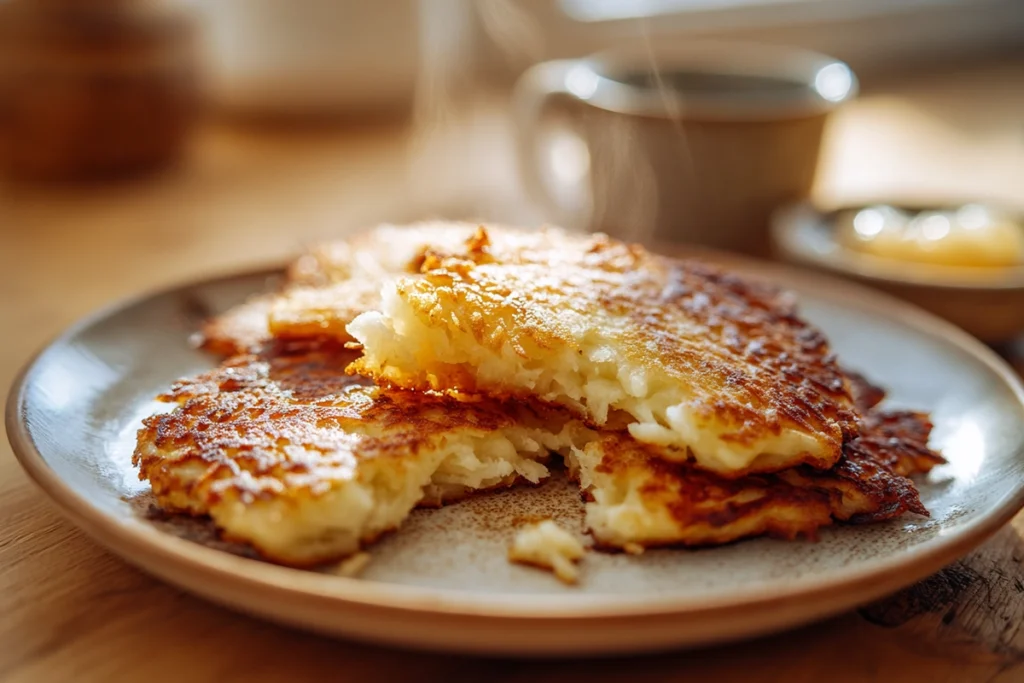
Serve these pancakes immediately while hot. They’re at their best straight from the pan, when the contrast between crisp exterior and tender interior is most noticeable. For brunch, pair them with applesauce and a dollop of sour cream. For dinner, they work beautifully as a savory side dish next to roasted meats or vegetables.
They also shine on holiday tables, especially when you want something comforting that doesn’t require last-minute fussing.
Storage, Reheating, and Make-Ahead Tips
Kartoffelpuffer are best eaten fresh, but leftovers can be stored in the refrigerator for up to two days. To reheat, place them in a hot skillet or a 400°F oven until warmed through and crisp again. Avoid the microwave, which softens them too much.
You can grate the potatoes shortly before cooking, but once mixed, the batter should always be cooked right away.
There’s a reason Perfect German Potato Pancakes have stayed popular for generations. They’re simple, forgiving, and deeply satisfying, the kind of recipe that rewards paying attention without demanding perfection. Once you make them a time or two, they stop feeling like a recipe and start feeling like something you just know how to cook—and that’s when they truly become part of your kitchen.
Get inspired with more mouthwatering recipes! Follow me on Facebook and Pinterest for new cooking ideas every week.
FAQ
Why do my German potato pancakes turn gray?
This usually happens when grated potatoes sit too long before cooking. Potatoes oxidize quickly once exposed to air, which causes the color change. Mixing and frying the batter right away helps keep the pancakes light and appetizing.
Why are my potato pancakes soggy instead of crispy?
Soggy pancakes are almost always caused by too much moisture or oil that isn’t hot enough. Make sure you squeeze out as much liquid as possible from the grated potatoes and let the oil heat fully before frying. When the oil is hot, the pancakes crisp instead of soaking it up.
Can I make German potato pancakes ahead of time?
They’re best eaten fresh, but you can make them a little ahead if needed. Cook them fully, let them cool, and reheat in a hot skillet or oven to bring back some crispness. Avoid reheating in the microwave, which softens them too much.
What are the best potatoes to use for Kartoffelpuffer?
Starchy potatoes like russets work best for German potato pancakes. They release more starch, which helps the pancakes hold together and develop crisp edges. Waxy potatoes tend to stay too moist and don’t brown as well.
Can I bake potato pancakes instead of frying them?
Baking is possible, but the texture will be different. Fried pancakes develop a crisp, golden crust that’s hard to replicate in the oven. If you do bake them, use a hot oven and lightly oil the pan to help with browning.
Print
Perfect German Potato Pancakes
- Total Time: 25 minutes
- Yield: 8 potato pancakes 1x
- Diet: Vegetarian
Description
These Perfect German Potato Pancakes are crispy on the outside, tender on the inside, and made with simple pantry ingredients using classic homestyle techniques.
Ingredients
- 2 1/2 pounds russet potatoes, peeled and very finely grated
- 1 small yellow onion, very finely grated
- 2 large eggs
- 1/4 cup all-purpose flour
- 1 teaspoon sea salt
- Neutral-tasting oil for frying
Instructions
- Thoroughly squeeze excess liquid from the grated potatoes using a colander or clean kitchen towel.
- Place the drained potatoes in a bowl with the grated onion, eggs, flour, and salt and mix by hand until tacky.
- Heat oil in a nonstick skillet over medium-high heat until shimmering.
- Scoop 1/3 to 1/2 cup of the mixture into the pan and flatten gently.
- Fry until golden and crisp on the first side, then flip and cook until evenly browned.
- Transfer briefly to paper towels and serve immediately while hot.
Notes
- Do not let the potato mixture sit before frying, as excess moisture will release.
- Use starchy potatoes like russets for best texture.
- Serve immediately for the crispiest results.
- Prep Time: 15 minutes
- Cook Time: 10 minutes
- Category: Side Dish
- Method: Frying
- Cuisine: German
Nutrition
- Serving Size: 1 pancake
- Calories: 180
- Sugar: 2 g
- Sodium: 220 mg
- Fat: 9 g
- Saturated Fat: 2 g
- Unsaturated Fat: 6 g
- Trans Fat: 0 g
- Carbohydrates: 22 g
- Fiber: 3 g
- Protein: 4 g
- Cholesterol: 55 mg