
Traeger Mississippi Pot Roast Recipe That Feels Like Sunday Dinner

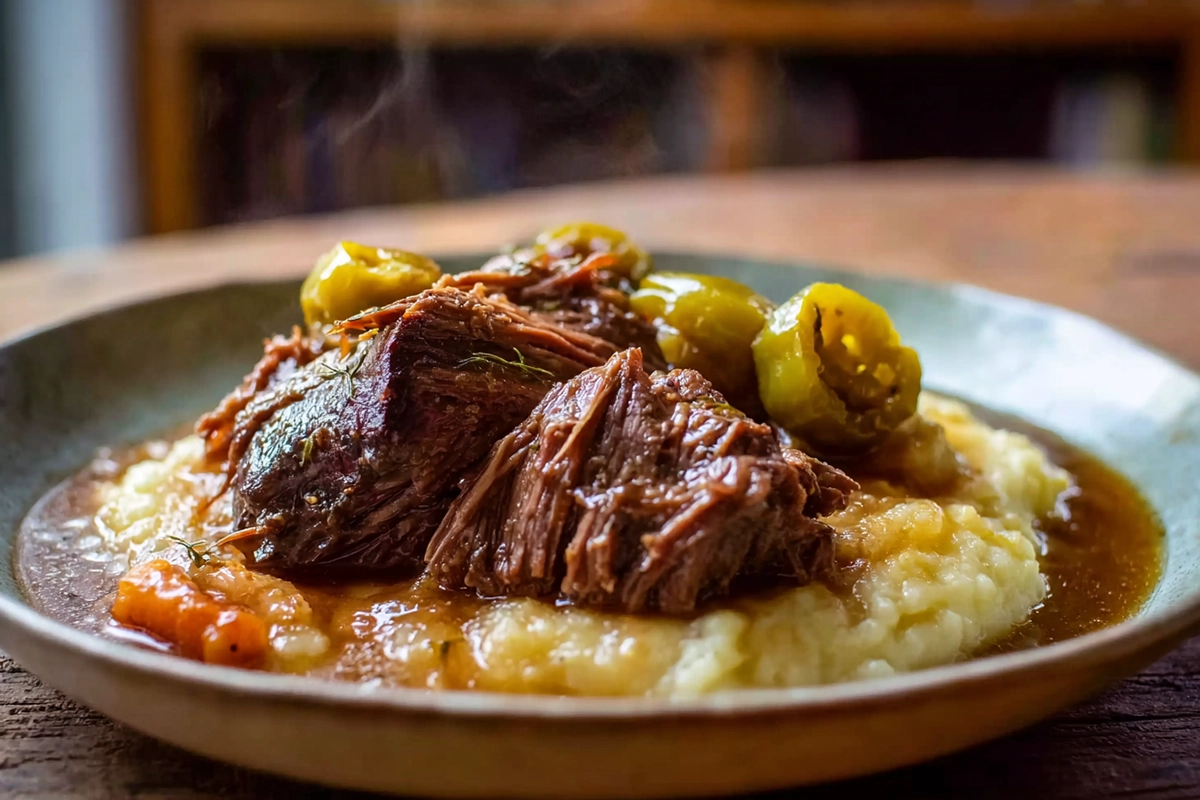
There’s something about the smell of a roast slowly cooking that instantly makes a house feel calmer. Maybe it’s the way the aroma drifts outside, or how everyone seems to wander into the kitchen asking, “How long until it’s ready?” This Traeger Mississippi Pot Roast Recipe came out of one of those slow, unhurried days when you want big comfort without standing over the stove. It takes a familiar, cozy pot roast and lets the smoker do the heavy lifting, giving you tender beef, rich juices, and just enough tang from pepperoncini to keep every bite interesting.
If you’ve ever made a classic Mississippi pot roast in the oven or slow cooker, this version will feel familiar—but the gentle smoke adds a depth that makes it feel special without being fussy.
Ingredients That Make Mississippi Pot Roast Work on a Smoker
A good Mississippi pot roast is all about balance. You want richness, a little tang, and meat that turns soft enough to pull apart with hardly any effort. On a Traeger, the ingredients matter even more because the smoke amplifies everything.
Here’s what you’ll need:
- 3 to 4 pounds chuck beef roast
- 1 packet ranch seasoning mix
- 1 packet au jus gravy mix
- 8 to 10 whole pepperoncini, plus ¼ cup of the brine
- 6 tablespoons unsalted butter, cut into pieces
- Optional: 1 teaspoon garlic powder or a few smashed garlic cloves
Chuck roast is the real hero here. Its marbling slowly melts during the long cook, keeping the meat juicy and tender. The pepperoncini bring that signature Mississippi tang, while the ranch and au jus mixes create a deeply savory base that doesn’t need much babysitting.

Before the Smoke: Prep Choices That Affect Flavor More Than You Think
Before you even turn on the Traeger, a few small choices set you up for success. Start by taking the chuck roast out of the fridge about 30 minutes before cooking. Letting it lose that refrigerator chill helps it cook more evenly.
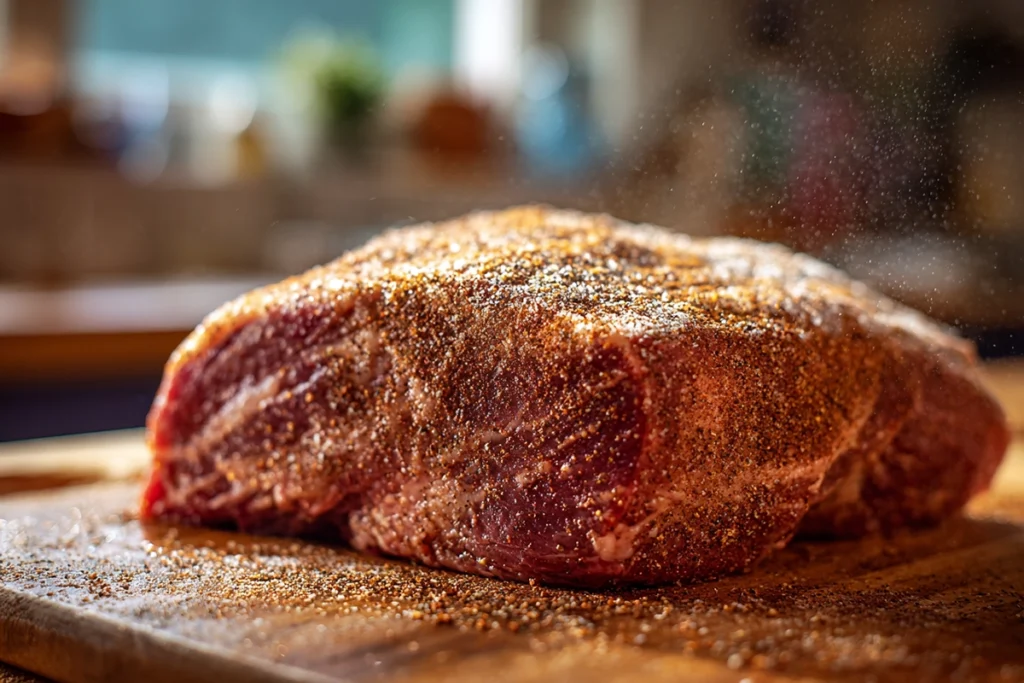
Pat the roast dry with paper towels. This small step helps the seasoning stick and keeps excess moisture from steaming the meat early on. Place the roast on a large tray or cutting board and sprinkle the ranch seasoning and au jus mix evenly over all sides. There’s no need to add salt—the mixes already bring plenty.
When it comes to pellets, oak or hickory work beautifully here. They give you that classic smoked roast flavor without overpowering the beef. A mild blend is also a safe choice if you’re cooking for people who prefer subtle smoke.
Smoking the Roast on a Traeger
Preheat your Traeger to 225°F and let it come fully up to temperature. Once it’s ready, place the seasoned roast directly on the grill grates. Close the lid and let the smoke start working its magic.
During the first couple of hours, resist the urge to open the lid too often. This is when the roast absorbs most of its smoky flavor. You’ll notice the surface darken slightly and the smell shift from raw beef to something deeper and more savory.
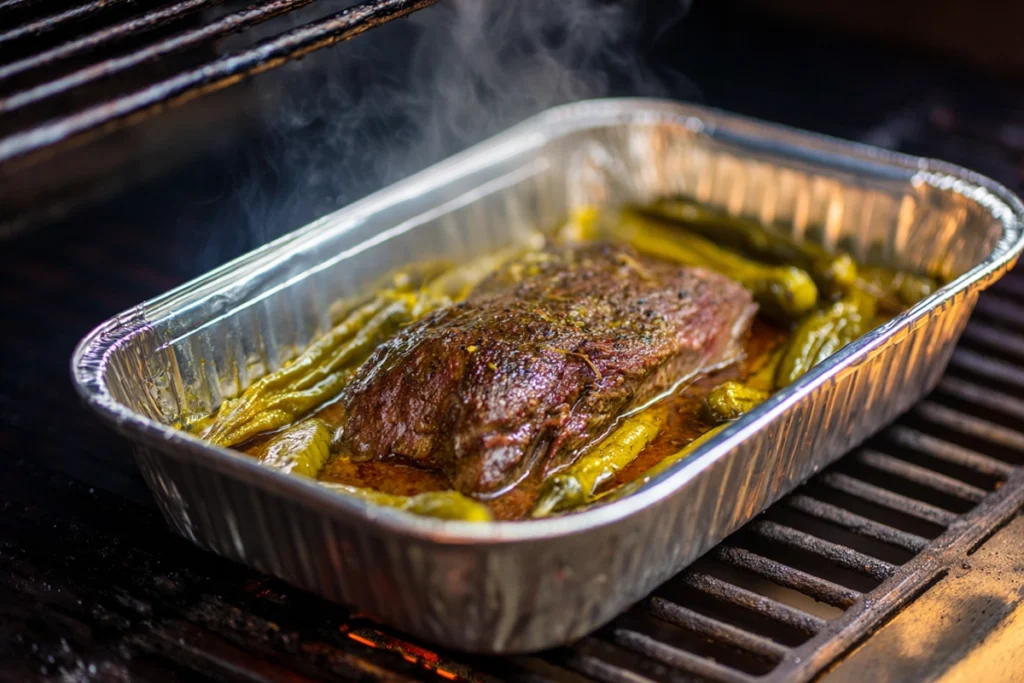
After about two hours, transfer the roast to a sturdy foil pan or Dutch oven. Add the butter pieces, whole pepperoncini, and pepperoncini brine. Cover the pan tightly with foil or a lid, then return it to the Traeger. From here on out, the roast gently braises in its own juices while still picking up subtle smoke.
Timing, Internal Temp, and the “Fork-Twist” Test
This is where many recipes get vague, but pot roast is more about feel than the clock. On average, a 3- to 4-pound chuck roast will take 5 to 6 hours total at 225°F, but every piece of meat is a little different.
You’re aiming for an internal temperature around 200–205°F. More important than the number, though, is how the meat behaves. When it’s ready, a fork should slide in easily, and a gentle twist should pull the meat apart without resistance.
If the roast feels tight or springy, it’s not done yet—even if the thermometer says it’s close. Give it more time. Chuck roast rewards patience.
Wrapping, Resting, and Saving the Juices
Once the roast reaches that tender stage, remove it from the Traeger but keep it covered. Let it rest for at least 20 to 30 minutes. This gives the juices time to settle back into the meat instead of running out the moment you pull it apart.
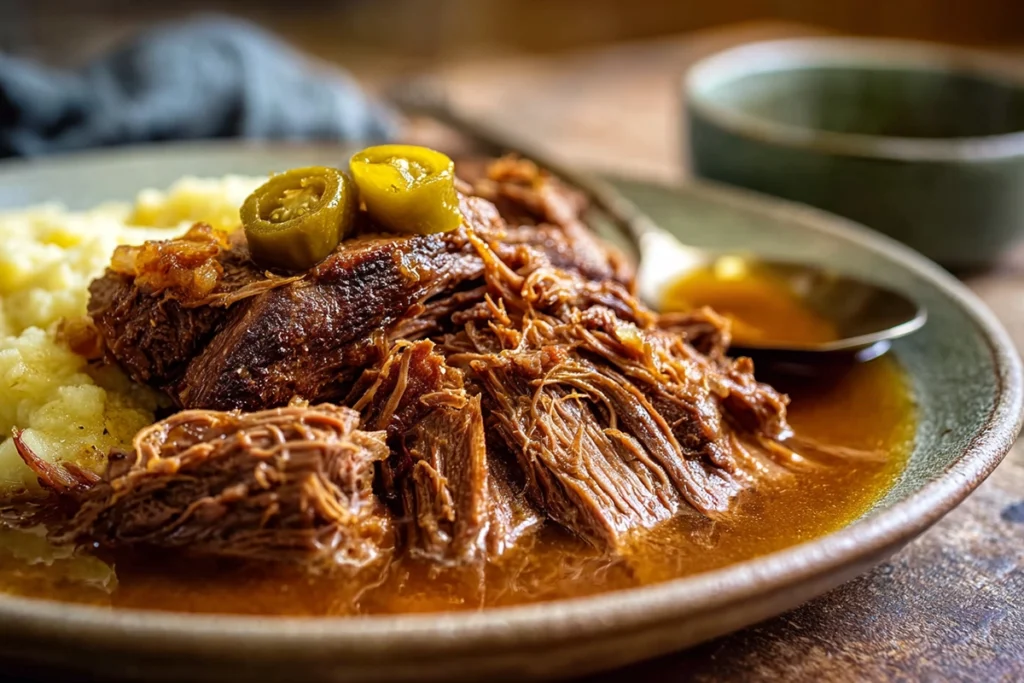
When you uncover the pan, you’ll see rich, buttery juices pooled at the bottom. Don’t rush past this. These juices are pure flavor. Use them to spoon over the shredded beef, or save them for reheating leftovers later. If there’s excess fat on top, you can skim a little off, but don’t remove it all—it carries flavor.
Flavor Adjustments & Variations That Actually Matter
One of the nice things about this recipe is how forgiving it is. If your family likes more heat, add an extra splash of pepperoncini brine or toss in a few sliced peppers halfway through the cook.
If you’re sensitive to salt, use half the ranch packet and replace the rest with garlic powder and dried herbs. You’ll still get plenty of flavor without overwhelming the beef.
For an onion-forward version, lay thick onion slices in the pan before adding the roast. As they cook, they melt into the juices and add natural sweetness that balances the tang.
What to Serve With Smoked Mississippi Pot Roast
This Traeger Mississippi Pot Roast Recipe is rich and hearty, so simple sides work best. Creamy mashed potatoes are a classic choice, especially when you spoon those juices over the top.
Buttery egg noodles, soft dinner rolls, or even rice soak up the sauce beautifully. If you want something lighter on the side, roasted green beans or a crisp salad help balance the meal without stealing the spotlight.
This is the kind of dish that works just as well for a relaxed Sunday dinner as it does for feeding a crowd on game day.
Storage, Reheating, and Make-Ahead Tips
Leftovers store well, which is another reason this recipe earns a regular spot in the rotation. Keep the meat in an airtight container with plenty of the cooking juices and refrigerate for up to four days.
When reheating, warm it gently on the stove or in the oven, adding a splash of the reserved juices if needed. Avoid the microwave if you can—it tends to dry out the beef and dull the smoke flavor.
You can also make this roast a day ahead. In fact, many people find the flavor deepens overnight, making it even better the next day.
A My Mama Recipes Kitchen Note: Why This One Never Fails
What makes this roast so reliable is that it doesn’t ask you to rush. It teaches you to trust your senses—how the meat smells, how it yields to a fork, how the juices look when they’re ready. Once you stop chasing exact times and start cooking by feel, this recipe becomes almost foolproof.
And that’s really what comfort food is about. It’s not perfection; it’s confidence.
When you serve this Traeger Mississippi Pot Roast Recipe, you’re not just putting dinner on the table. You’re creating one of those meals people remember—where the food is warm, the kitchen smells incredible, and everyone lingers just a little longer.
FAQ
Can I make this Mississippi pot roast without wrapping it?
You can leave it unwrapped longer to build smoke flavor, but wrapping later in the cook helps the chuck roast become tender instead of drying out. On a Traeger, wrapping also helps the meat braise gently in its own juices. If you skip wrapping completely, expect a firmer texture.
What internal temperature should pot roast reach to be tender?
For a chuck roast, tenderness usually happens around 200–205°F, not at lower “safe” temperatures. At this point, the connective tissue has broken down and the meat should pull apart easily. If it still feels tight, it simply needs more time.
Is chuck roast the same thing as pot roast?
Chuck roast is a cut of beef, while pot roast is a cooking method. Chuck roast is commonly used for pot roast because it has enough fat and connective tissue to become tender during long cooking. Other cuts can work, but chuck is the most reliable for this recipe.
Can I use banana peppers instead of pepperoncini?
Yes, banana peppers can be used if that’s what you have on hand. They’re slightly milder and less tangy than pepperoncini, so the flavor will be a bit softer. Adding a small splash of the jar liquid helps bring back some of that signature Mississippi bite.
Why is my pot roast tough even after several hours?
Tough pot roast usually means it hasn’t cooked long enough, not that it’s overcooked. Chuck roast goes through a stage where it tightens before it softens again. Keep cooking until a fork slides in easily and the meat starts to pull apart.
Print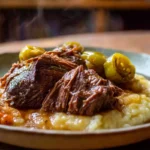
Traeger Mississippi Pot Roast Recipe
- Total Time: 6 hours
- Yield: 6 servings 1x
- Diet: Gluten Free
Description
This Traeger Mississippi Pot Roast is a comforting, slow-smoked take on the classic chuck roast, cooked low and slow with pepperoncini, butter, and savory seasonings until tender and pull-apart soft. The gentle smoke adds depth while the rich juices keep the beef moist and flavorful, making it perfect for a cozy family dinner.
Ingredients
- 3 to 4 pounds chuck roast
- 1 packet ranch seasoning mix
- 1 packet au jus gravy mix
- 8 to 10 whole pepperoncini peppers
- 1/4 cup pepperoncini brine
- 6 tablespoons unsalted butter
- 1 teaspoon garlic powder (optional)
Instructions
- Remove the chuck roast from the refrigerator about 30 minutes before cooking and pat it dry with paper towels.
- Season the roast evenly on all sides with the ranch seasoning mix and au jus gravy mix.
- Preheat the Traeger grill to 225°F using oak or hickory pellets.
- Place the seasoned roast directly on the grill grates and smoke for about 2 hours without opening the lid often.
- Transfer the roast to a foil pan or Dutch oven and add the butter, pepperoncini, and pepperoncini brine.
- Cover tightly with foil or a lid and return to the Traeger.
- Continue cooking until the internal temperature reaches about 200–205°F and the meat is fork-tender.
- Remove from the grill and let the roast rest, covered, for 20 to 30 minutes before shredding and serving with the juices.
Notes
- Chuck roast becomes tender only after enough time, so don’t rush the cooking process.
- If the roast feels tough, continue cooking until it loosens and pulls apart easily.
- Store leftovers with plenty of juices to keep the meat moist when reheating.
- Prep Time: 30 minutes
- Cook Time: 5 hours 30 minutes
- Category: Dinner
- Method: Smoking
- Cuisine: American
Nutrition
- Serving Size: 1 serving
- Calories: 520
- Sugar: 2 g
- Sodium: 980 mg
- Fat: 38 g
- Saturated Fat: 18 g
- Unsaturated Fat: 17 g
- Trans Fat: 0 g
- Carbohydrates: 4 g
- Fiber: 1 g
- Protein: 40 g
- Cholesterol: 145 mg