15-Minute Honey Garlic Chicken: Sticky, Glossy, Faster Than Takeout

Chicken gets a bad reputation for being dry, boring, or worse—something you eat because you’re tired, not because you want to. The real problem isn’t the chicken. It’s time. Most weeknight recipes rush the wrong parts, drown everything in sauce, or ask you to babysit a pan until the garlic burns and the meat tightens up. What you want is that takeout-style payoff: sticky sauce clinging to every bite, garlic hitting your nose before the plate hits the table, and chicken that’s still juicy when you cut into it. And you want it now.
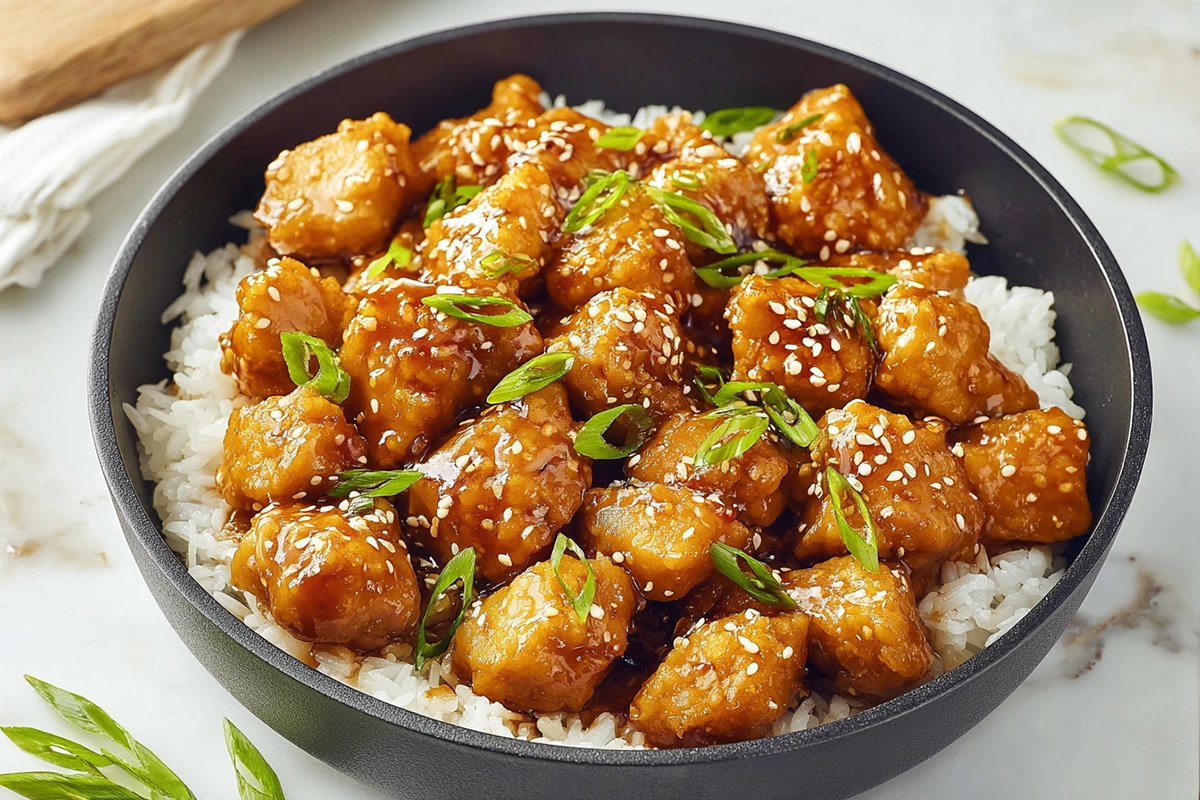
This 15-Minute Honey Garlic Chicken works because it respects the clock and the chemistry. Small cubes of chicken hit a hot pan and get color fast—real browning, not pale steaming. The sauce doesn’t go in until the chicken already smells savory and toasted. Honey melts and bubbles, soy sauce brings depth instead of saltiness, and garlic perfumes the pan without scorching. In the last few minutes, everything tightens into a glossy glaze that coats the chicken like lacquer. No cornstarch unless you need it. No extra steps pretending to be “chef-y.”
You don’t need a wok, a marinade, or a sink full of dishes. Just a skillet, a bowl, and the nerve to let the pan do its job. By the time the rice finishes steaming, the chicken is done, sticky, and begging for a sprinkle of green onions or a squeeze of lime. This is the kind of recipe you make once—and then remember forever when the fridge is bare, and dinner needs to happen fast.
Why Honey and Soy Sauce Are a Power Couple (Not Just Sweet + Salty)
This recipe lives or dies on balance. Honey brings sweetness, yes—but more importantly, it thickens as it cooks. When it hits a hot pan, honey doesn’t just sweeten the chicken; it caramelizes, tightening into a sticky glaze that clings instead of sliding off. Soy sauce steps in as the counterweight. It adds salt, umami, and depth, keeping the sweetness from drifting into dessert territory. Low-sodium soy sauce matters here because the sauce reduces fast; regular soy can push the whole dish into salty overkill before the honey has time to do its thing.
Garlic plays a quieter role than you might expect. It’s not meant to brown aggressively or dominate the sauce. Instead, it infuses the glaze while the honey bubbles, giving you that toasted-garlic aroma without bitterness. The optional red pepper flakes don’t make this spicy—they sharpen the edges. Even a small pinch cuts through the sweetness and keeps the sauce tasting grown-up.
This is why 15-Minute Honey Garlic Chicken works with so few ingredients: every component has a job, and none of them are filler. When cooked in the right order, they build flavor faster than a marinade ever could.
Cutting the Chicken Small Is the Whole Point
Fast recipes fail when the chicken is too big. Large chunks steam before they brown, dumping liquid into the pan and diluting the sauce. Small, evenly cut pieces fix that. Half-inch cubes expose more surface area, which means quicker browning and better texture. The chicken cooks through in minutes, but stays juicy because it never has time to seize up.
Chicken breasts are used here because they’re lean and neutral, letting the sauce shine. That said, thighs are a valid swap if you prefer darker meat—just expect a slightly richer result and a touch more rendered fat in the pan. Either way, seasoning lightly at the start is key. The soy sauce finishes the job, and over-salting early is the fastest way to ruin the balance.
Pantry Staples That Pull More Than Their Weight
This recipe leans on a short list, but each ingredient earns its place. Olive oil (or canola) gives you a clean, neutral base that can handle medium-high heat without smoking. The oil’s job isn’t flavor—it’s heat transfer, helping the chicken brown fast instead of sticking.
Salt and black pepper should be used with restraint. Think of them as background noise, not the melody. Honey provides sweetness and body, soy sauce supplies savory depth, and garlic bridges the two. The optional garnishes—green onions, sesame seeds, peanuts, lime—aren’t decoration. They add crunch, acidity, and contrast, turning a fast skillet dish into something that eats like a full meal.
- Boneless, skinless chicken breasts: Lean, quick-cooking, and ideal for small cuts; thighs can be substituted for a richer bite.
- Honey: Thickens naturally as it cooks, creating the glossy, sticky sauce.
- Low-sodium soy sauce: Adds umami without overpowering saltiness as the sauce reduces.
- Garlic: Aromatic backbone—minced finely so it perfumes the sauce without burning.
- Olive or canola oil: Neutral fat that helps achieve fast browning without smoke.
These choices aren’t fancy. They’re strategic. And that’s why this dish tastes deliberate, not rushed—even on a weeknight.

The 5-Minute Window That Makes or Breaks This Honey Garlic Chicken
The Pan Tells You When It’s Ready
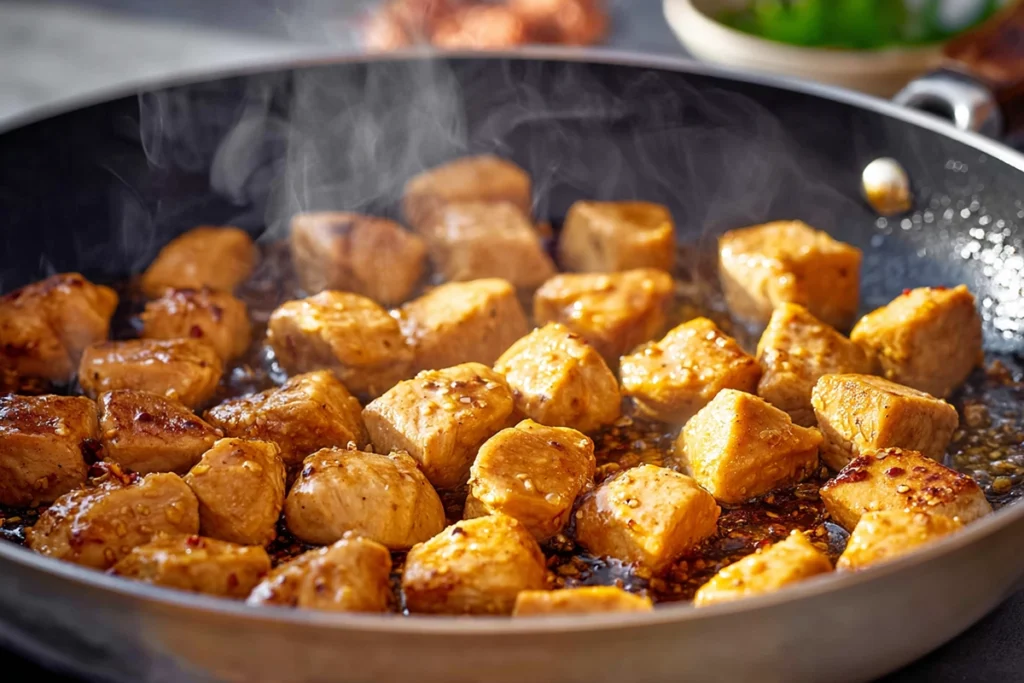
Set your skillet over medium-high heat and give it a moment. When the oil loosens and starts to shimmer, you’re there. Drop a piece of chicken in—if it sizzles sharply instead of whispering, the pan is hot enough. That aggressive sound is what keeps the chicken from leaking moisture and turning pale.
Browning First, Sauce Later
Spread the chicken out and leave it alone. You’re looking for golden edges and light browning on the bottom, not constant stirring. The smell should be savory and lightly toasted, not sweet yet—that comes later. When the chicken releases easily from the pan and feels firmer when pressed, it’s ready to turn.
When the Glaze Hits the Heat
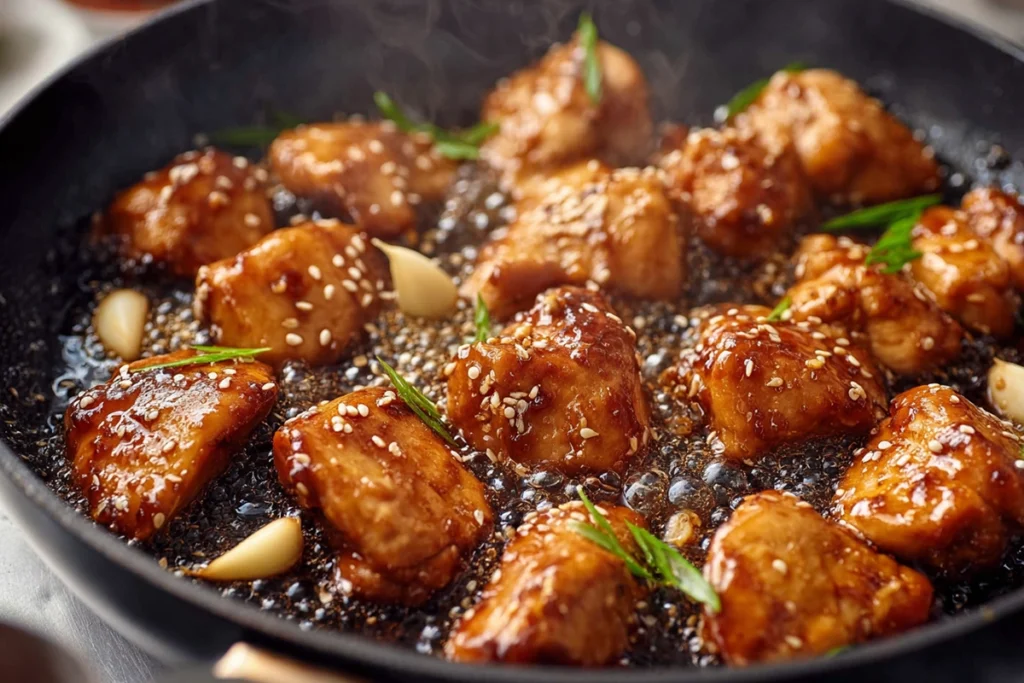
As soon as the chicken flips, pour in the honey-soy mixture. The sound changes instantly—from dry sizzle to bubbling gloss. Watch the sauce thin out, then tighten as it simmers; it should cling to the chicken instead of pooling. When you smell garlic turning nutty—not sharp—you’re in the sweet spot.
Knowing When to Stop
This is where most people go too far. The chicken should feel springy when pressed, like the base of your thumb, not hard. The sauce will look shiny and slightly sticky, coating every piece. Kill the heat while it still looks loose—it thickens as it cools. That’s how 15-Minute Honey Garlic Chicken stays juicy instead of rubbery.
Cooking Fast Without Losing Control
Managing Heat, Not Time
This recipe moves quickly, but speed isn’t the goal—control is. If the sauce starts to darken too fast or smell bitter, slide the pan off the heat for a few seconds. You should hear steady bubbling, not frantic popping. That sound means the honey is reducing, not burning.
Adjusting on the Fly
If the glaze looks thin near the end, let it simmer another minute while gently tossing the chicken. You’ll see it tighten and turn glassy. If it thickens too much, a splash of water loosens it instantly. The pan should smell sweet, savory, and lightly garlicky—never scorched.
This isn’t about following steps. It’s about paying attention. Once you learn these cues, this dish becomes muscle memory—and weeknight cooking gets a lot easier.
When the Sauce Feels Thin (And How to Fix It Without Ruining Flavor)
If your sauce looks loose instead of glossy, don’t panic and definitely don’t crank the heat. Honey thickens with time, not force. Let it bubble gently for another minute while tossing the chicken, and you’ll see it tighten. If it still won’t behave, a small cornstarch slurry works—but only at the very end. Add it slowly, stir, and stop as soon as the sauce coats the chicken. Too much turns the glaze dull and gluey.
Chicken thighs are a smart swap if that’s what you have. They stay juicy and forgive overcooking, though the sauce will be slightly richer from the extra fat. What doesn’t work? Trying to bake this. You lose the fast reduction and end up with sweet soy chicken swimming in liquid. This dish depends on direct heat and evaporation—take that away and the whole point disappears.
How This Shows Up on a Real Weeknight Table
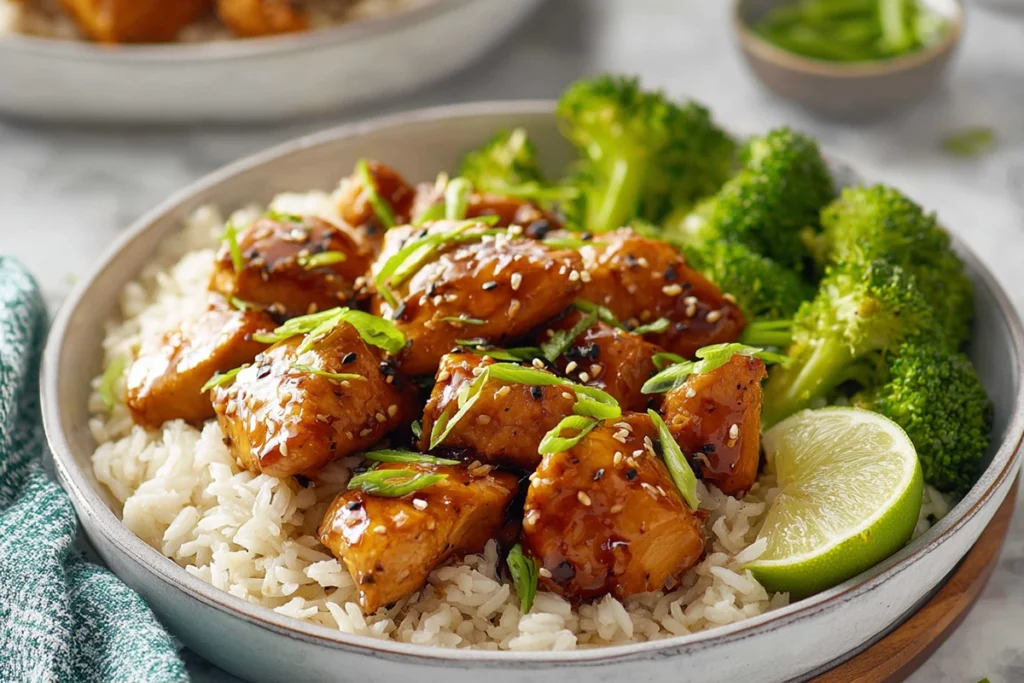
Rice earns its place here because it absorbs the extra sauce without competing for attention. White rice keeps things clean and classic; brown rice adds chew if you want something heartier. Quinoa works when you want nuttiness, and thin noodles are great if you’re craving something slurpable.
For contrast, think crisp and fresh. Steamed broccoli, snap peas, or green beans give you something to bite into the sticky glaze. A squeeze of lime right before serving cuts the sweetness and wakes everything up. Finish with green onions or sesame seeds—not for looks, but because they add texture where the dish needs it.
The Kind of Recipe You Keep in Your Back Pocket
This is the recipe you make when the fridge looks empty, but you still want dinner to feel intentional. 15-Minute Honey Garlic Chicken scales easily, reheats well if you keep it with the sauce, and forgives small substitutions as long as you respect the heat and timing.
Once you’ve cooked it a couple of times, you stop thinking of it as a recipe at all. It becomes a move—a reliable way to turn chicken, honey, and soy sauce into something sticky, savory, and satisfying on a night when time is short, and expectations are high.
Common Questions About 15-Minute Honey Garlic Chicken
Can I use chicken thighs instead of breasts?
Yes—and do it on purpose, not as an afterthought. Boneless, skinless chicken thighs work very well here because they stay juicy and tolerate heat better than breasts. Expect a slightly richer pan and a touch more rendered fat, which actually helps carry the sauce. Cut them the same size as directed and cook them the same way; the timing stays nearly identical.
Is this recipe actually kid-friendly?
It is, as long as you control the heat. Skip the red pepper flakes, and you’ll get a sweet-savory glaze that most kids love. The garlic cooks gently in the sauce, so it doesn’t come across as sharp or spicy. If serving picky eaters, keep toppings like green onions or sesame seeds on the side so everyone can customize their plate.
Can I make this ahead of time?
This dish is best cooked fresh, but it reheats well if you store it correctly. Let the chicken cool completely, then refrigerate it with the sauce so the meat doesn’t dry out. Reheat gently in a skillet or microwave until just warmed through. Overheating will tighten the chicken and dull the glaze.
What vegetables can I cook in the same pan?
Quick-cooking vegetables work best. Add snap peas, thin green beans, or broccoli florets right after the chicken is mostly cooked and before the sauce thickens fully. They’ll soak up flavor without releasing too much water. Avoid mushrooms or zucchini—they dump moisture and thin the sauce too much.
How do I keep the sauce from burning or turning bitter?
Burning happens when the heat is too high once the honey is in the pan. Keep the bubbling steady, not violent, and pull the pan off the heat briefly if the sauce darkens too fast. You’re looking for glossy and sticky, not thick and smoky. When done right, 15-Minute Honey Garlic Chicken smells sweet and savory—not sharp or scorched.
Print
15-Minute Honey Garlic Chicken
- Total Time: 15 minutes
- Yield: 4 servings 1x
Description
Sticky, glossy honey garlic chicken made in one skillet with a sweet-savory sauce. A fast, reliable weeknight dinner that tastes better than takeout.
Ingredients
- 2 teaspoons extra-virgin olive oil (or canola oil)
- 1 1/2 pounds boneless, skinless chicken breasts, cut into small cubes
- Salt and black pepper
- 3 tablespoons honey
- 3 tablespoons low-sodium soy sauce
- 3 cloves garlic, minced
- 1/4 teaspoon red pepper flakes (optional)
- Cooked rice, green onions, sesame seeds, chopped peanuts, lime wedges (for serving)
Instructions
- Heat oil in a large skillet over medium-high heat until shimmering.
- Season chicken lightly with salt and pepper and add to the hot pan in a single layer.
- Brown chicken on one side until golden, then turn.
- Whisk honey, soy sauce, garlic, and red pepper flakes and add to the pan.
- Cook, tossing, until chicken is cooked through and sauce turns glossy and sticky.
- Remove from heat and serve over rice with desired toppings.
Notes
- If the sauce does not thicken, add a small cornstarch slurry during the last minute.
- Doubling the sauce works well if serving with extra rice.
- Store leftovers with the sauce and reheat gently to avoid drying out.
- Prep Time: 5 minutes
- Cook Time: 10 minutes
- Category: Dinner
- Method: Skillet
- Cuisine: American
Nutrition
- Serving Size: 1 serving
- Calories: 360
- Sugar: 13
- Sodium: 665
- Fat: 8
- Saturated Fat: 2
- Unsaturated Fat: 6
- Trans Fat: 0
- Carbohydrates: 15
- Fiber: 0
- Protein: 54
- Cholesterol: 145