Baked Lemon Butter Chicken: Crackly Skin, Creamy Sauce, Zero Stress

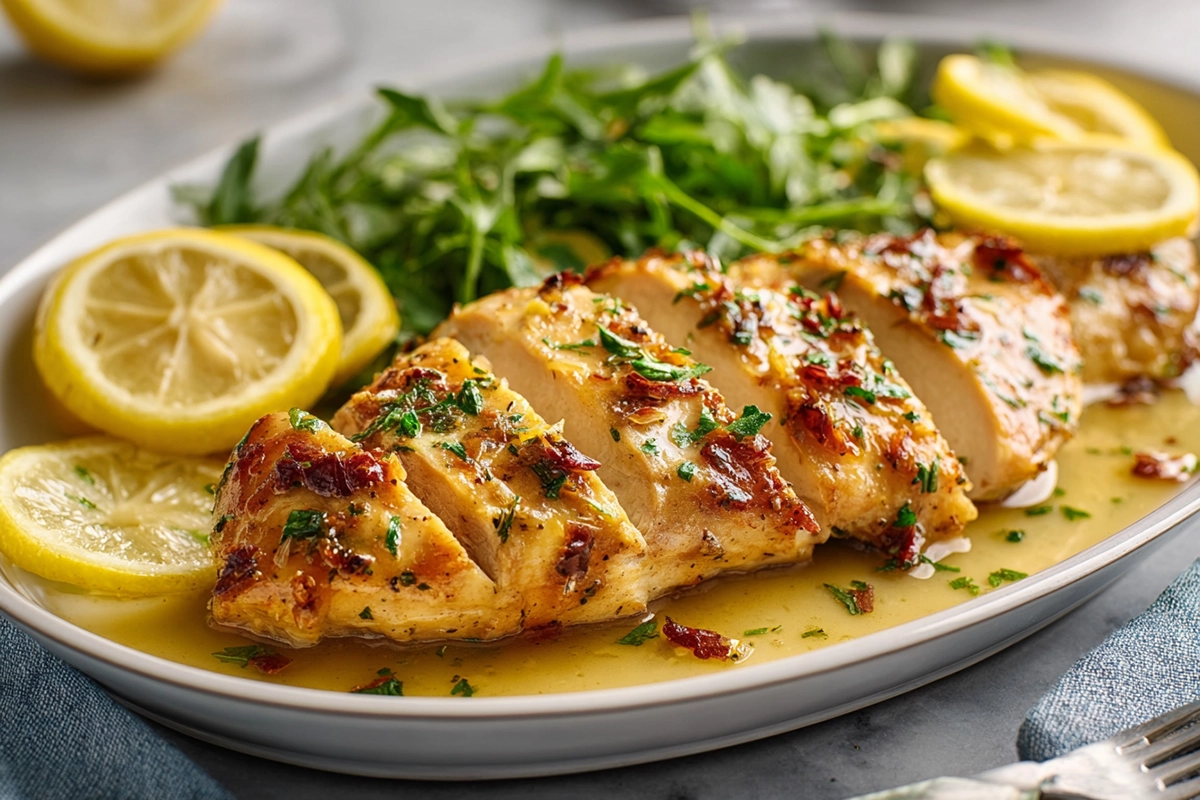
Dry chicken is a trust breaker. You plan a Sunday dinner, give it almost two hours of oven time, and still end up with meat that tastes like it gave up halfway through. This recipe fixes that problem at the root. What comes out of the oven here is chicken with skin that’s blistered and bronzed, meat that pulls clean from the bone, and a pan full of lemony, buttery sauce that looks like it belongs on something far fussier than a weeknight bird.
The difference is in how this dish is built. The sauce doesn’t get rushed or thrown together over raw chicken. Butter melts first, onions soften just enough, garlic warms without browning, and Parmesan goes in while there’s still time to melt and settle. By the time the cream and stock meet the pan, you’ve got something closer to a finished sauce than a gamble. Letting it cool slightly before it hits the chicken matters—it coats instead of breaking, and it clings through a long, uncovered bake instead of sliding off and burning.
This is also why dark meat is non-negotiable here. Drumsticks and thighs can take heat, time, and a flip halfway through without drying out. They baste themselves as they cook, especially when that sauce is pooled underneath. The lemon stays bright, the paprika stays smoky, and the chicken gets better the longer it’s in there.
You don’t need special equipment or chef instincts. You need a skillet, a baking dish, and the patience to let the oven do the work while the house starts smelling like butter, citrus, and something worth waiting for.
Table of Contents
Why This Baked Lemon Butter Chicken Uses Dark Meat (On Purpose)
Dark meat isn’t a preference here—it’s the strategy. Thighs and drumsticks have more connective tissue and fat than breast meat, which means they improve with time instead of drying out. In a long, uncovered bake like this, that extra fat slowly renders, basting the meat from the inside while the skin crisps on top. That’s how you end up with chicken that pulls away from the bone instead of clinging to it.
This matters because the sauce is rich. Butter, cream, Parmesan, and stock need a protein that can stand up to them without getting overwhelmed or chalky. Dark meat absorbs flavor gradually, so the lemon stays bright and the paprika stays smoky all the way through the cook. If you tried this with boneless chicken breasts, the sauce would be ready long before the meat was.
If all you have is white meat, it can work—but only with a shorter cook time and a covered bake for most of it. That’s a different recipe. This one is designed to be forgiving, slow, and generous, which is exactly what Sunday chicken should be.
Smoked Paprika, Parmesan, and Lemon: The Trio That Carries the Dish
This dish works because each major flavor component does a different job—and none of them are decorative. Smoked paprika gives the chicken a low, savory warmth that reads as “roasted” even before the oven has done its work. Lemon juice cuts through the butter and cream so the sauce doesn’t collapse into heaviness halfway through the pan. Parmesan acts as both seasoning and structure, thickening the sauce as it bakes and anchoring the acidity.
The order matters too. These ingredients are built into a sauce before the chicken goes into the oven, which means they’ve already emulsified and mellowed. By the time heat hits them, they’re cooperating instead of competing. That’s why the sauce clings instead of breaking and why the final dish tastes cohesive rather than sharp or greasy.
This balance is what makes baked lemon butter chicken feel rich but not tiring. Every bite has fat, salt, smoke, and acid—no single note shouting over the others.
- Dark meat chicken (drumsticks and thighs): Bone-in, skin-on pieces stay juicy during a long bake and self-baste as the fat renders.
- Smoked paprika: Adds depth and color; sweet paprika won’t give the same roasted backbone.
- Fresh lemon juice: Brightens the sauce early so it doesn’t taste flat after nearly two hours in the oven.
- Parmesan cheese: Thickens and seasons the sauce; pre-grated won’t melt as smoothly.
- Butter and heavy cream: Provide richness and body; if using salted butter, reduce added salt later.
- Chicken stock: Loosens the sauce so it can baste the chicken without scorching.
- Garlic, red onion, parsley, red pepper flakes: Aromatics that build flavor gently without overpowering the sauce.

The Make-or-Break Move: Building the Sauce Before the Chicken Hits the Oven
Melting the Butter Without Browning It
Set the skillet over medium heat and let the butter melt slowly. You’re looking for quiet bubbling, not aggressive sizzling. The butter should smell rich and clean, not nutty—if it starts browning, the heat is too high and the sauce will taste toasted instead of creamy.
Softening the Aromatics
When the butter is fully melted, add the minced red onion. It should hiss gently as it hits the pan, releasing a sweet, savory aroma within seconds. After about two minutes, the onion will look glossy and slightly translucent, not browned. That’s your cue to add the garlic and parsley—stirring constantly so the garlic perfumes the butter without turning sharp.
Building a Stable, Creamy Base
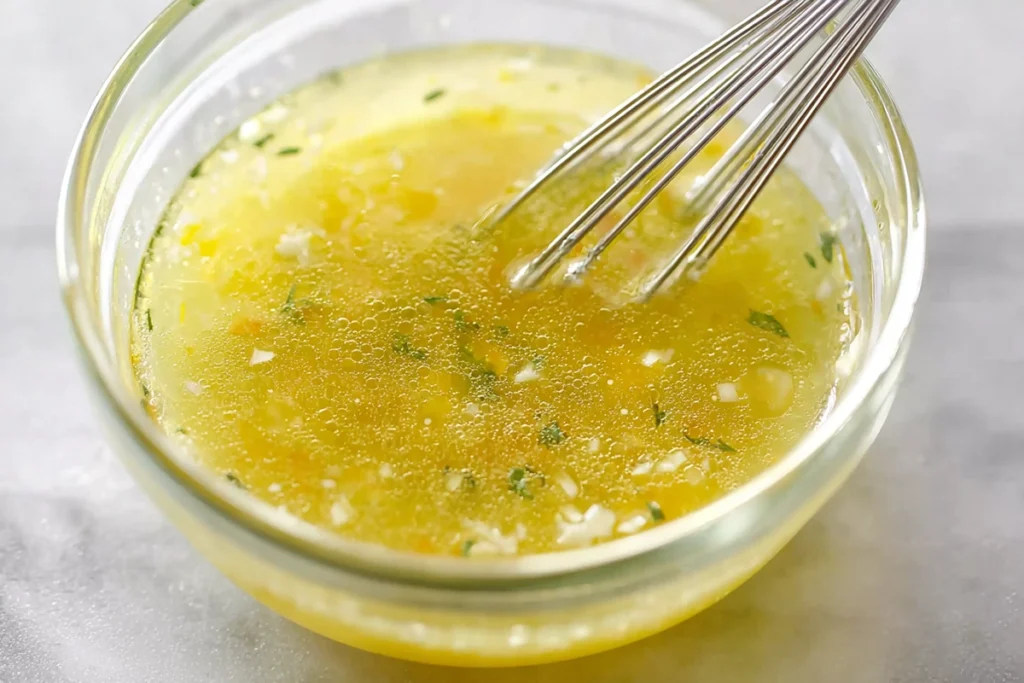
As soon as you smell warm garlic (not fried), stir in the lemon juice and red pepper flakes. The scent should turn bright and citrusy. Pour in the chicken stock and sprinkle in the Parmesan, stirring until the cheese melts and the liquid thickens slightly. When the heavy cream goes in, the sauce should look smooth and pale, coating the back of a spoon. Let it simmer briefly, then turn off the heat and allow it to cool just enough so it doesn’t split when it meets the chicken.
Oven Strategy: Uncovered, Flipped Once, Then Broiled—No More, No Less
Coating the Chicken, Not Drowning It
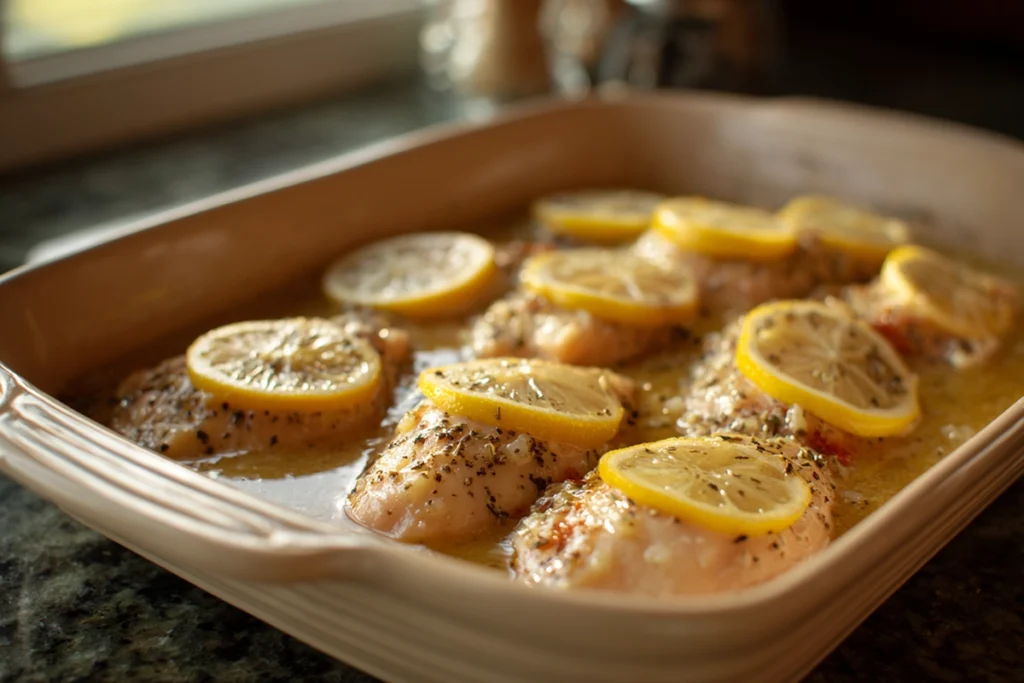
Season the dark meat generously, then arrange it in a baking dish with room between pieces. When you pour the sauce over, it should flow slowly and settle around the chicken rather than pooling heavily on top. The skin should still be visible—this is what allows baked lemon butter chicken to brown instead of steam.
The Long Bake and the Midway Flip
Slide the dish into a 375°F oven, uncovered. Within the first 20 minutes, you’ll hear a steady sizzle and smell butter and paprika blooming together. Halfway through cooking, flip each piece so both sides spend time in the sauce. The chicken should already feel firmer when nudged with tongs, and the skin will have started tightening.
Finishing With Heat and Confidence
Toward the end, the sauce will look thicker and slightly golden at the edges. Switch to broil and position the dish so the skin faces the heat. Listen for sharper sizzling and watch closely—the skin should blister and turn deeply golden in minutes. When the meat pulls back from the bone and feels tender when pressed, baste it one last time with the sauce. The smell at this point should be unmistakable: buttery, lemony, and deeply savory, signaling that the dish is ready to rest and serve.
Swaps That Actually Work (and One That Doesn’t)
If you’re missing an ingredient, a few smart swaps will still get you dinner—not a disappointment. If you don’t have Montreal chicken seasoning, any balanced chicken blend works, or build your own with garlic powder, a little black pepper, and extra smoked paprika. Out of heavy cream? You can use half-and-half, but expect a looser sauce that won’t cling quite as luxuriously. It will still taste good—just lighter.
Fresh Parmesan matters more than people think. If all you have is pre-grated, the sauce may look thin or slightly grainy because it won’t melt smoothly. It’s edible, but not ideal. One substitution I don’t recommend: boneless, skinless chicken. It cooks too fast for this long bake and turns dry before the sauce has time to do its job. If that’s all you have, save it for a different recipe.
What to Serve With It (Because the Sauce Demands a Partner)
This dish is saucy on purpose, so serve it with something that soaks instead of slides. Creamy mashed potatoes catch every drop of the lemon-butter sauce without competing. Rice works, but short-grain or jasmine is better than long-grain, which can feel dry next to such richness.
For balance, add something green and sharp. Roasted broccoli or asparagus picks up the browned edges of the sauce. A simple salad with lemon vinaigrette cuts through the butter without fighting the flavors. If you’re serving guests, warm crusty bread is non-negotiable—people will use it whether you suggest it or not.
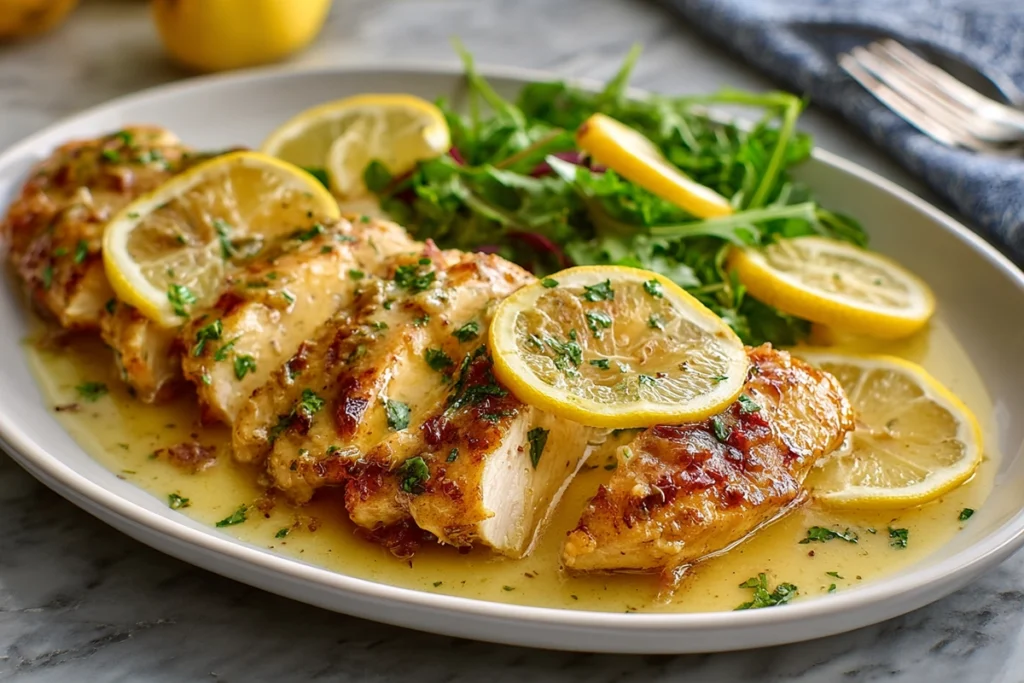
One Last Thing Before You Pull It From the Oven
This is not a “set a timer and walk away” dish. Start checking early, especially if your chicken pieces are smaller or closer to room temperature. Look for meat pulling back from the bone and skin that looks blistered, not pale. A thermometer will tell you it’s done, but your eyes will tell you it’s ready.
Baked lemon butter chicken is the kind of recipe that earns its oven time. It fills the kitchen with the smell of butter and citrus, feeds a table without stress, and reheats beautifully the next day—if there’s any left.
Common Questions About Baked Lemon Butter Chicken
Can I speed this up without drying out the chicken?
You can, but you have to change the heat—not the method. Increase the oven temperature to 400°F and roast instead of baking. This shortens the cook time to about 1 hour to 1 hour 10 minutes, but only works if you’re using dark meat. Keep the dish uncovered so the skin still browns, and start checking early. The chicken is ready when the meat pulls away from the bone and feels tender, not tight.
Why did my sauce look thin after baking?
This usually comes down to cheese or timing. Pre-grated Parmesan doesn’t melt smoothly and won’t thicken the sauce properly. Freshly grated Parmesan is essential here. Also, the sauce tightens as it cools. Right out of the oven, it may look loose, but give it five minutes of rest and you’ll see it come together.
Can I prep this ahead and bake later?
You can prep the sauce ahead, but don’t assemble the full dish too early. Make the sauce, cool it completely, and refrigerate it. When you’re ready to cook, season the chicken, pour the sauce over, and bake. Letting raw chicken sit in the sauce too long can dull the flavors and affect the texture.
Is it okay to skip the Parmesan?
No—this is one ingredient that actually does work, not just flavor. Parmesan thickens the sauce and balances the lemon and cream. Skipping it leaves you with a thinner, flatter sauce that doesn’t cling to the chicken. If you’re out, it’s better to wait and make the dish another day than to leave it out entirely.
What internal temperature should dark meat hit here?
For baked lemon butter chicken, aim for at least 175°F in the thickest part of the thigh. Dark meat is best when cooked past the standard 165°F—it becomes more tender instead of drying out. Use the thermometer to confirm safety, but trust your eyes too: browned skin, bubbling sauce, and meat pulling back from the bone are all signs it’s ready.
Get inspired with more mouthwatering recipes! Follow me on Facebook and Pinterest for new cooking ideas every week.
Print
Baked Lemon Butter Chicken
- Total Time: 2 hours
- Yield: 5 servings 1x
- Diet: Gluten Free
Description
Crispy-skinned baked lemon butter chicken made with dark meat, finished in a creamy Parmesan lemon sauce. Oven-roasted, forgiving, and built for a stress-free dinner.
Ingredients
- 10 dark meat chicken pieces (drumsticks and thighs), trimmed
- 2 teaspoons kosher salt
- 1 tablespoon smoked paprika
- 1 tablespoon Montreal chicken seasoning or chicken seasoning of choice
- 2 tablespoons butter
- 1/2 cup red onion, minced
- 1/2 cup flat leaf parsley, chopped
- 1 tablespoon garlic, minced
- 1/2 teaspoon red pepper flakes
- 1 cup chicken stock
- 1 tablespoon fresh lemon juice
- 1 cup freshly grated Parmesan cheese
- 1/3 cup heavy whipping cream
Instructions
- Melt butter in a skillet over medium heat until gently bubbling.
- Add minced red onion and sauté until softened and fragrant.
- Stir in garlic and parsley, cooking just until aromatic.
- Add lemon juice and red pepper flakes, then pour in chicken stock.
- Stir in Parmesan cheese until melted, then add heavy cream.
- Bring sauce to a brief simmer, then remove from heat and allow to cool slightly.
- Season chicken with salt, smoked paprika, and chicken seasoning.
- Arrange chicken in a baking dish and pour sauce over evenly.
- Bake uncovered at 375°F, flipping chicken halfway through cooking.
- Broil skin-side up until golden and crispy.
- Baste with sauce before serving.
Notes
- For faster cooking, increase oven temperature to 400°F and roast for about 1 hour to 1 hour 10 minutes.
- Cooking time varies based on chicken size, oven accuracy, and starting temperature.
- Chicken is done when meat pulls away from the bone and appears fork-tender.
- Use a meat thermometer for accuracy; dark meat is best around 175°F.
- Prep Time: 10 minutes
- Cook Time: 1 hour 45 minutes
- Category: Dinner
- Method: Baking
- Cuisine: American
Nutrition
- Serving Size: 1 serving
- Calories: 620
- Sugar: 2
- Sodium: 820
- Fat: 42
- Saturated Fat: 18
- Unsaturated Fat: 22
- Trans Fat: 0
- Carbohydrates: 6
- Fiber: 1
- Protein: 48
- Cholesterol: 185