
Best Chocolate Chip Cookie Recipe: Thick, Chewy Centers That Stay Soft
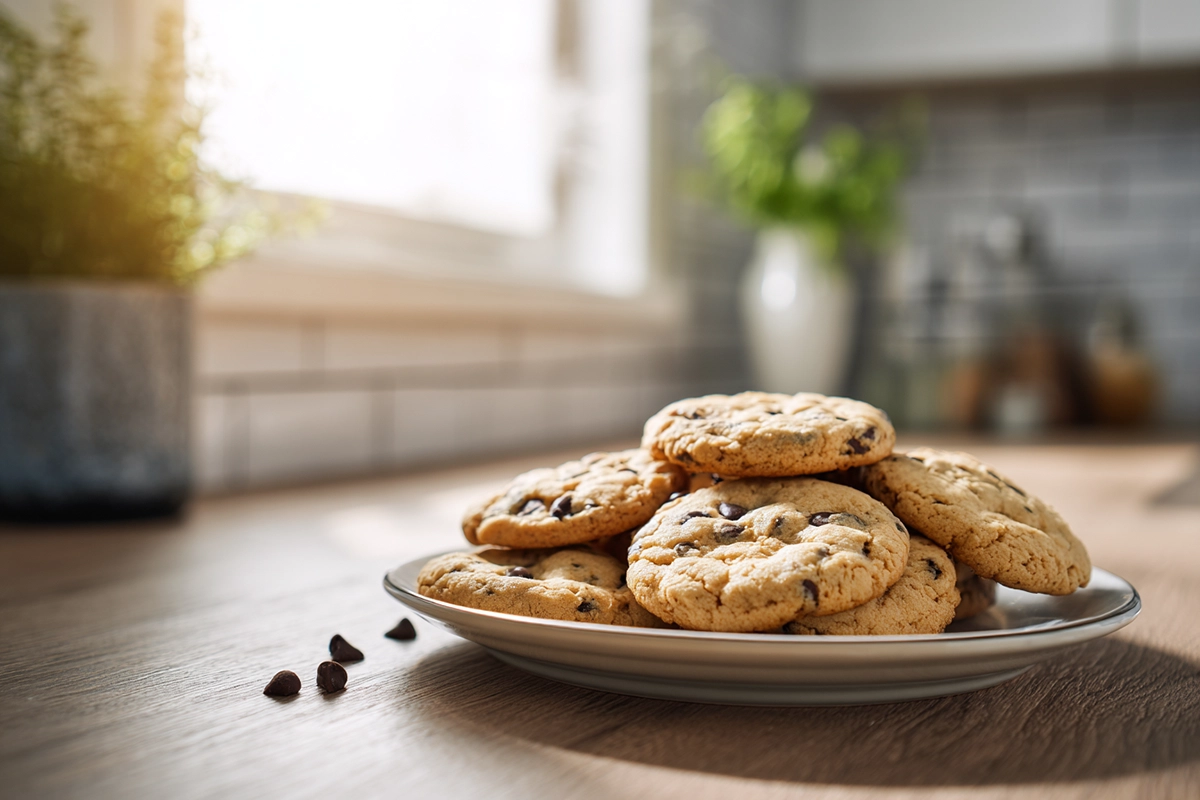
There’s a moment near the end of baking when the kitchen smells like warm brown sugar and butter that’s just crossed into toasted territory. The cookies still look slightly underdone, the centers pale and puffed, the edges barely set. This is the moment most people miss—and the reason so many chocolate chip cookies turn out crisp when they were meant to be chewy.
This recipe is built around that exact payoff: cookies with bendable edges, thick middles, and a soft pull that holds even the next day. Not cakey. Not crunchy. Just properly chewy, with melted chocolate pockets that stay tender instead of turning chalky once they cool. The texture doesn’t come from tricks or fancy tools. It comes from a few deliberate choices—melted butter instead of softened, more brown sugar than white, an extra egg yolk, and a short list of steps that matter more than they look on paper.
What makes this the best chocolate chip cookie recipe for repeat baking isn’t just how it tastes fresh from the oven. It’s how predictable it is. The dough behaves the same way every time if you respect temperature and timing. The cookies bake thick because of how they’re shaped, not because of extra flour. And the softness lasts because the structure is built for it from the start.
Before we talk about flour or chocolate, the real work happens earlier—when the butter is melted, the sugars are mixed just right, and the dough is given time to rest. That’s where chewy cookies are decided, long before the oven is preheated.
Table of Contents
Small Ingredients, Big Consequences (The Ones That Actually Matter)
The texture of a truly chewy cookie isn’t an accident—it’s engineered quietly, long before the dough ever chills. This is where the best chocolate chip cookie recipe either earns its reputation or falls apart. Every ingredient here has a job, and none of them are filler. Change the balance, and you don’t just tweak flavor—you change how the cookie spreads, sets, and holds moisture after cooling.
What matters most is how these ingredients interact. Melted butter loosens the dough and coats the flour differently than creamed butter would. Brown sugar brings moisture and elasticity that white sugar can’t replicate on its own. Cornstarch softens the structure without pushing the cookie into cake territory. Even the extra egg yolk isn’t about richness—it’s about controlling chew and preventing dryness once the cookies sit overnight.
This is why substitutions need to be thoughtful. You can bend a few rules, but only if you understand what you’re trading away. These cookies succeed because the ingredients are doing specific work, not because there are a lot of them.
- All-purpose flour: Provides structure without toughness; bread flour adds too much chew and pulls moisture away from the center.
- Baking soda: Encourages spread and browning; baking powder would puff the cookies and mute chewiness.
- Cornstarch: Softens the crumb and keeps the centers tender even after cooling; optional, but noticeable.
- Unsalted butter (melted, slightly cooled): Melted butter creates dense chew instead of air; if using salted butter, reduce the added salt slightly.
- Brown sugar (more than white): Holds moisture and creates that classic chewy pull; light or dark both work, with dark adding deeper caramel notes.
- Granulated sugar: Balances sweetness and helps the edges set without turning crisp.
- Whole egg + extra yolk: The yolk adds fat and chew; skipping it makes the cookies drier by day two.
- Vanilla extract: Rounds out the sweetness; use real vanilla for warmth rather than sharpness.
- Semi-sweet chocolate chips or chunks: Semi-sweet keeps the cookies balanced; milk chocolate melts faster and can make them overly sweet.

Chocolate, Sugar, and Fat: The Texture Triangle
Chewy chocolate chip cookies live or die by the balance between fat, sugar, and starch. This recipe leans into that triangle deliberately. Melted butter increases spread, but brown sugar reins it back while locking in moisture. The result is a cookie that bends instead of snaps, with edges that stay soft and centers that feel almost fudgy.
Chocolate choice matters more than most people expect. Chips hold their shape and create defined pockets, while chunks melt unevenly and create streaks of chocolate through the dough. Both work, but they change how each bite feels. For a classic cookie texture that holds up on a cooling rack and in a storage container, semi-sweet chocolate is the safest choice.
If you’re adding mix-ins—nuts, candy pieces, or other chocolates—keep the total amount close to what’s called for. Overloading the dough interrupts structure and causes spreading issues, which is often mistaken for an oven problem when it’s really a balance issue.
This section sets the foundation. Once these ingredients are understood and respected, the technique becomes far less mysterious—and far more repeatable.
The Make-or-Break Move: Why This Dough Has to Chill
Once the dough comes together, it will look glossy and feel unusually soft—almost slick to the touch. That’s exactly right. Melted butter coats the flour differently than creamed butter, and until the dough rests, it simply won’t behave in the oven. Chilling firms the fat and gives the flour time to hydrate, which is what stops these cookies from spreading into thin puddles.
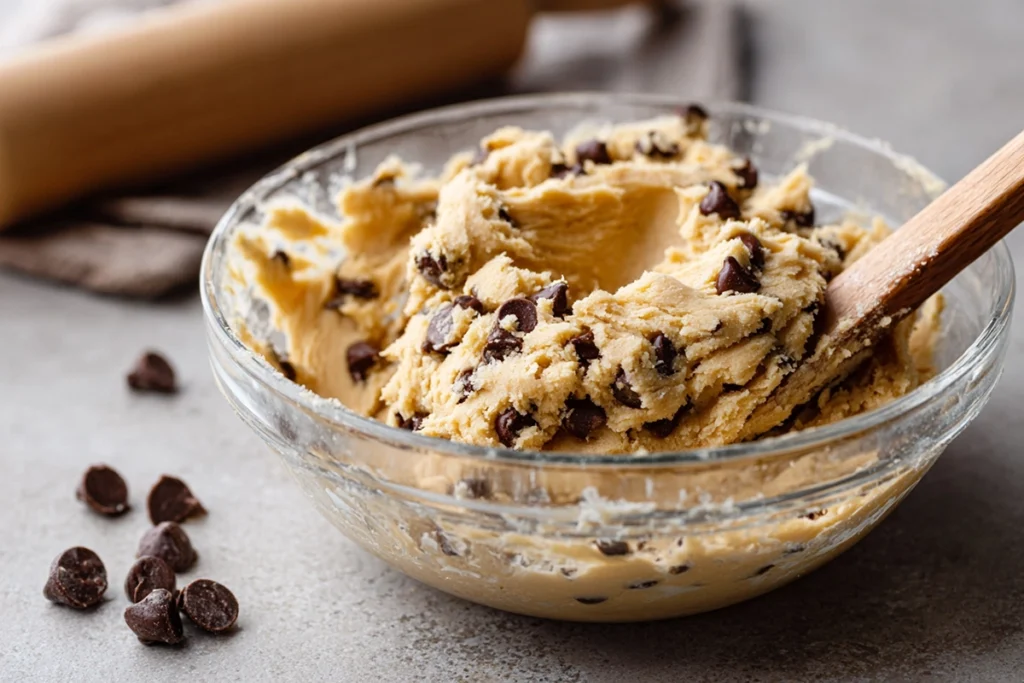
As the dough chills, the smell shifts from raw flour to something warmer and faintly caramel-like. When you press a finger into the cold dough later, it should feel firm on the outside but give slightly underneath, like chilled fudge. That texture is your green light. Skip or rush this rest, and even a perfect oven temperature won’t save the bake.
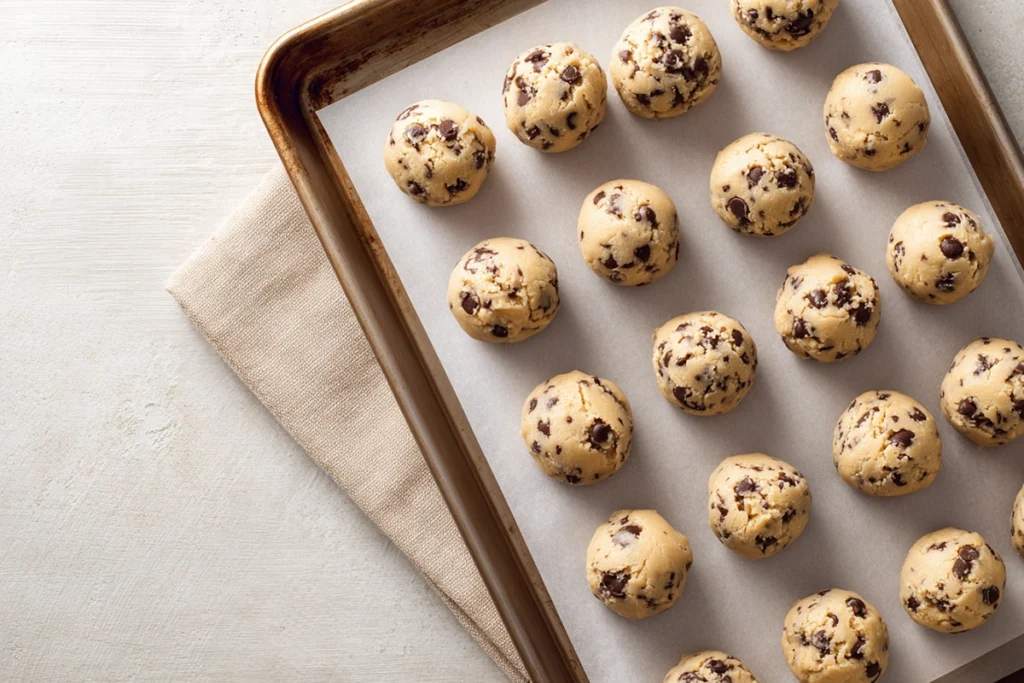
The Best Chocolate Chip Cookie Recipe Depends on Shape, Not Just Dough
When it’s time to portion, resist the instinct to flatten or roll the dough smooth. These cookies bake thick because they start tall. Scoop the dough and gently shape it into a rough cylinder, higher than it is wide. The surface should look uneven, not polished—those ridges help create texture as the cookies spread.
As the cookies bake, you’ll hear nothing dramatic—no sizzling, no popping—just a quiet oven doing its job. Visually, the dough relaxes outward while still holding height in the center. This shaping technique is one of the quiet reasons these chewy chocolate chip cookies feel bakery-style without being dense or dry.
Oven Reality Check: Reading Doneness Before It’s Obvious
Near the end of baking, the edges will turn a light golden brown while the centers stay pale and puffed. The cookies won’t look done in the middle, and that’s the point. If you wait for color across the whole surface, you’ll bake out the chew that makes this recipe work.
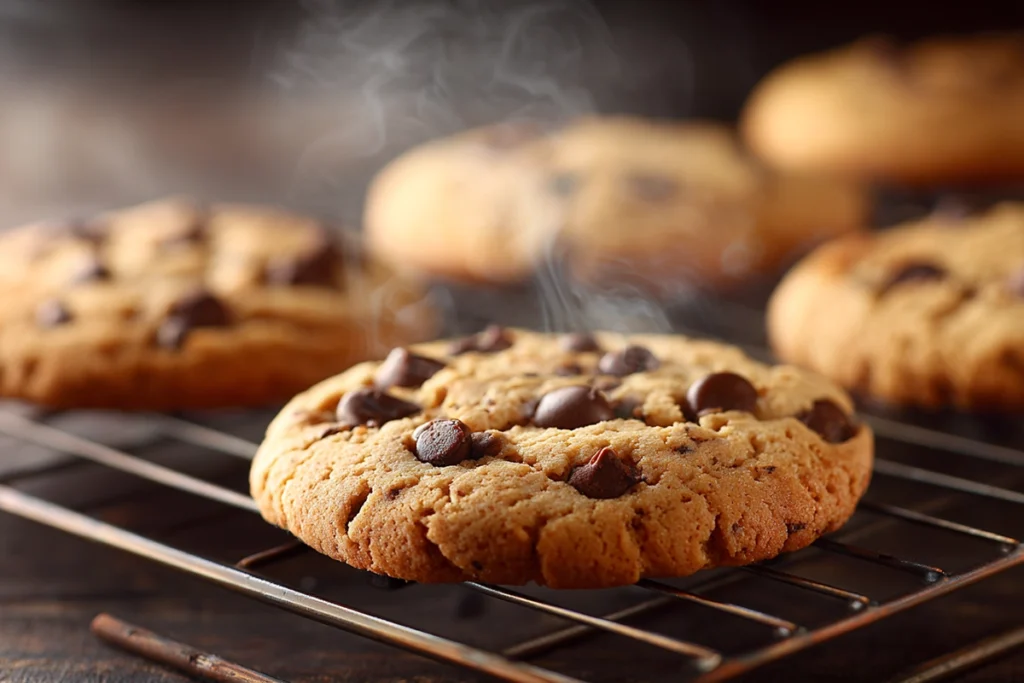
When you slide the tray out, the centers should feel soft and slightly fragile if nudged, almost like they need a minute to collect themselves. As they cool on the pan, you’ll smell butter and brown sugar deepen, and the cookies will settle into their final shape. That short rest on the baking sheet is what locks in the soft center that defines a truly classic chewy chocolate chip cookie.
When These Cookies Need to Flex (Without Losing Their Chew)
This dough is forgiving, but only within reason. If you want to add nuts, chopped walnuts or pecans work best when they’re roughly chopped and mixed in cold. They should replace part of the chocolate, not pile on top of it, or the dough loses structure and spreads unevenly. A good rule is keeping total mix-ins around the original amount so the cookies still bake thick.
For a different flavor direction, butterscotch morsels or peanut butter cups can be swapped in for part of the chocolate. Add them straight from the pantry—soft or melted add-ins smear into the dough and interfere with texture. What doesn’t work well here is turning these into a “healthy” cookie. Reducing sugar, swapping butter for oil, or using alternative flours changes the moisture balance and turns a chewy cookie dry fast. This is one of those cases where restraint keeps the recipe dependable.
If you’re working ahead, freezing the dough in shaped portions is one of the most useful variations. Bake straight from frozen, adding a minute to the bake time, and you’ll get the same chewy centers without planning hours in advance.
How These Cookies Get Served in Real Life
These cookies shine when they’re allowed to be simple. A glass of cold milk isn’t nostalgic filler here—it actually balances the sweetness and softens the richness of the butter and brown sugar. Coffee works just as well, especially if it’s slightly bitter, because it sharpens the chocolate flavor instead of competing with it.
For sharing, these hold their texture long enough to be baked the night before and packed the next morning without turning stiff. They’re also sturdy enough for lunchboxes and bake sales, where chewy chocolate chip cookies often fail by the end of the day. If you want something extra, sandwich a scoop of vanilla ice cream between two completely cooled cookies for a dessert that stays soft instead of crumbling apart.
A Few Last Things That Make the Difference
Don’t rush the chill, even if the dough looks thick enough. Time is doing quiet work here. Pull the cookies when they still look underbaked in the center, and let the pan finish the job. And don’t overcrowd the sheet—these cookies need space to spread outward without flattening.
If there’s one reason this recipe gets repeated, it’s reliability. Once you learn what the dough should feel like and what the cookies should look like when they come out of the oven, the results stop being a guessing game.
These are the kind of cookies you make once, then keep in your back pocket. The best chocolate chip cookie recipe isn’t the fanciest one—it’s the one you trust, the one that smells like brown sugar and butter every time, and the one people ask you to make again.
Get inspired with more mouthwatering recipes! Follow me on Facebook and Pinterest for new cooking ideas every week.
FAQ
Why do my cookies look underbaked in the center when they come out of the oven?
That soft, pale center is exactly what you want. These cookies continue to set on the hot baking sheet as they cool, which is what keeps them chewy instead of dry. If you wait for the centers to look fully baked in the oven, they’ll end up firm once cooled.
Can I skip chilling the dough if I’m short on time?
Chilling isn’t optional for this recipe. The dough is made with melted butter, and without time in the fridge it will spread too much and bake thin. Even a full two hours makes a noticeable difference in thickness and texture.
Why are my cookies spreading too much?
Over-spreading usually means the dough was too warm or the butter was still hot when mixed. Make sure the melted butter is cooled slightly and the dough is properly chilled before baking. Using a warm baking sheet can also cause early spreading.
Can I freeze the dough for later?
Yes, this dough freezes very well once it’s portioned. Bake the dough balls straight from frozen and add about one extra minute to the bake time. The cookies will still bake up thick with soft centers.
Print
Best Chocolate Chip Cookie Recipe
- Total Time: 2 hours 45 minutes
- Yield: 16 cookies 1x
Description
Thick, chewy chocolate chip cookies with soft centers that stay tender even after cooling. Made with melted butter, brown sugar, and an extra egg yolk for dependable, bakery-style texture.
Ingredients
- All-purpose flour
- Baking soda
- Cornstarch
- Salt
- Unsalted butter
- Brown sugar
- Granulated sugar
- Large egg
- Egg yolk
- Vanilla extract
- Semi-sweet chocolate chips
Instructions
- Whisk the flour, baking soda, cornstarch, and salt together in a large bowl.
- In a separate bowl, whisk the melted butter with the brown sugar and granulated sugar until smooth.
- Whisk in the egg, egg yolk, and vanilla until the mixture looks glossy and cohesive.
- Combine the wet ingredients with the dry ingredients until a soft, shiny dough forms, then fold in the chocolate chips.
- Cover the dough and refrigerate until firm, at least 2 hours.
- Portion the chilled dough into tall scoops and place on lined baking sheets.
- Bake until the edges are lightly golden and the centers look soft and pale.
- Cool briefly on the baking sheet, then transfer to a rack to finish setting.
Notes
- Chilling the dough is essential to prevent over-spreading.
- Bake straight from frozen dough balls by adding about one extra minute.
- For thicker cookies, keep the dough portions taller than they are wide.
- Prep Time: 15 minutes
- Cook Time: 13 minutes
- Category: Dessert
- Method: Baking
- Cuisine: American
Nutrition
- Serving Size: 1 cookie
- Calories: 310
- Sugar: 22
- Sodium: 180
- Fat: 15
- Saturated Fat: 9
- Unsaturated Fat: 5
- Trans Fat: 0
- Carbohydrates: 41
- Fiber: 2
- Protein: 4
- Cholesterol: 55
What Are Our Readers Saying?
There are no reviews yet. Be the first one to write one.