Balsamic Glazed Meatloaf That Feels Like Home

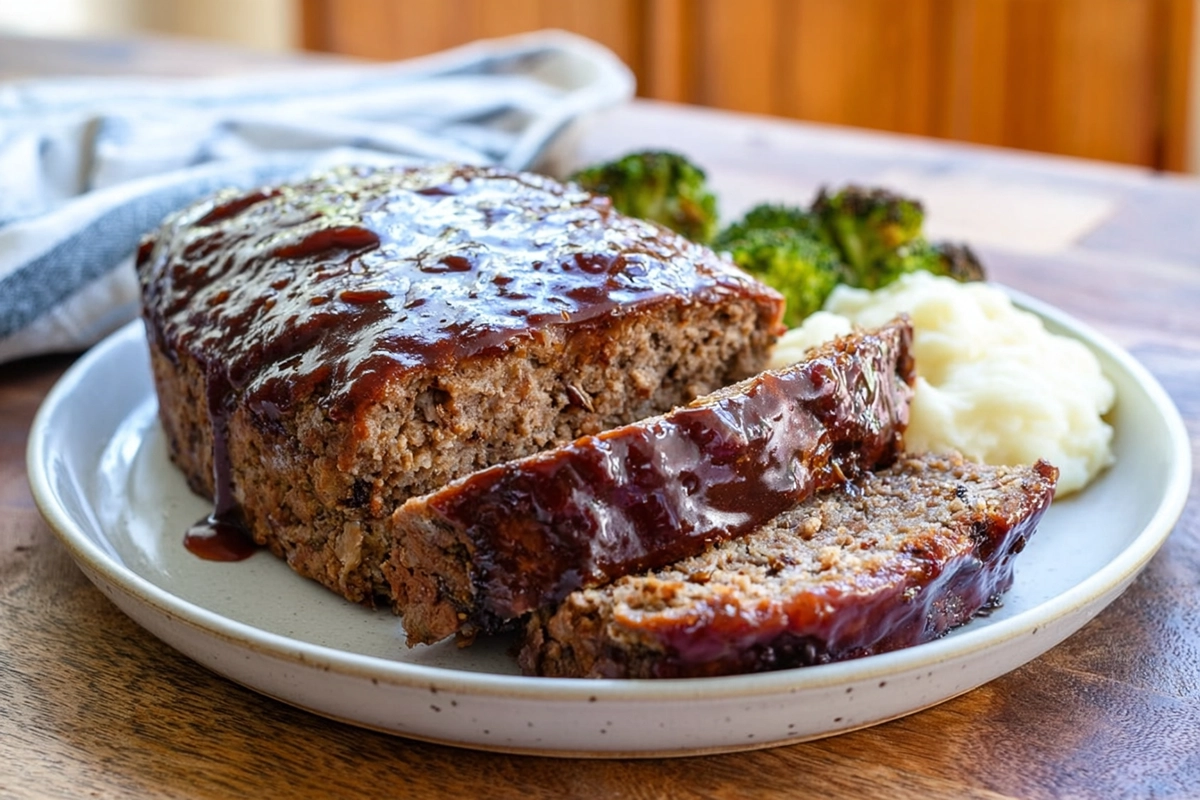
There’s something settling about meatloaf night. The oven hums, the kitchen smells warm and savory, and dinner feels taken care of. This balsamic-glazed meatloaf is the kind of recipe you make when you want comfort without fuss—classic at heart, but finished with a tangy-sweet glaze that makes it feel a little special. It’s the meatloaf you reach for on busy weeknights, and the one your family asks for again when leftovers disappear a little too fast.
I learned early that the best meatloaf isn’t about fancy ingredients—it’s about balance, timing, and trusting your instincts. This version keeps all familiar things dependable, then lets a simple balsamic glaze do the quiet work of deepening flavor. You’ll know it’s right the moment the glaze bubbles and the loaf smells rich and inviting.
Why This Balsamic Glazed Meatloaf Works
This recipe succeeds because it respects what meatloaf does best: stay tender, slice clean, and taste comforting from the first bite to the last. Quick oats soaked with milk keep the interior soft without turning it heavy. Gentle seasoning adds heat without overpowering the beef. And that glaze—sweet, tangy, and glossy—cuts through the richness just enough to keep each mouthful lively.
It’s the kind of dish that seems like it’s always belonged at your table. The balsamic doesn’t shout; it sings in the background, rounding out the ketchup and brown sugar so the whole loaf tastes balanced and homey.
Ingredients That Matter (and Why They’re Here)
Meatloaf
- 2 pounds ground beef
- 1 cup quick oats
- 1 1/4 cups milk
- 1 big egg, beaten
- 1/4 cup minced onion
- 1 teaspoon Worcestershire sauce
- 1/2 teaspoon kosher salt
- 1/4 teaspoon black pepper
- 1/4 teaspoon crushed sage
- 1/4 teaspoon celery salt
- 1/4 teaspoon dry mustard
- 1/4 teaspoon granulated garlic or garlic powder
Balsamic Glaze
- 1/4 cup ketchup
- 1 tablespoon balsamic vinegar
- 1 tablespoon brown sugar
Each ingredient plays a quiet role. The oats and milk keep moisture locked in. The egg binds without making the loaf dense. Worcestershire and spices add body without turning the flavor profile complicated. And the glaze brings everything together with that signature sweet-tangy finish.
Ingredient Swaps That Still Work
If you don’t have quick oats, plain breadcrumbs will do in a pinch, though the texture will be slightly firmer. Whole milk is ideal, but 2% works fine. You can also use half ground beef and half ground pork for a richer loaf, as long as you keep some fat in the mix. What you don’t want is ultra-lean meat—it’s the fastest path to a dry slice.

Mixing and Shaping: The Difference Between Tender and Tough
Start by preheating your oven to 350°F and lining a baking sheet with foil. This setup lets heat circulate and excess fat drip away, which keeps the loaf from sitting in grease.
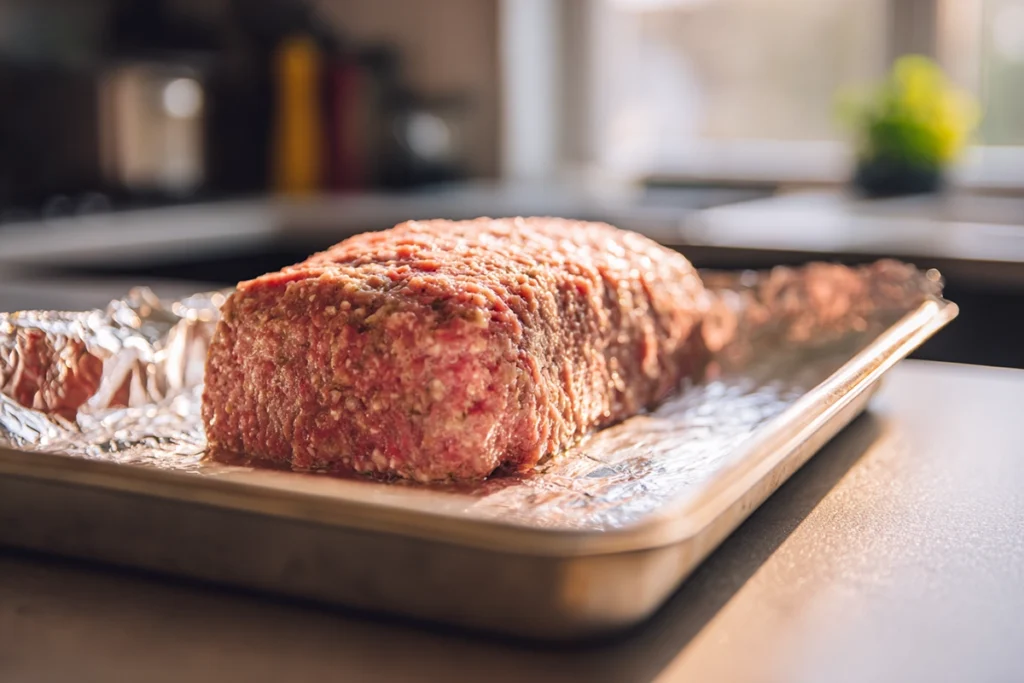
In a large bowl, combine all the meatloaf ingredients. Use your hands and mix just until everything comes together. You’re looking for a well-blended mixture, not a paste. Overmixing presses out moisture and tightens the proteins, which is how meatloaf turns tough.
Shape the mixture into a gently flattened, oblong loaf right on the lined baking sheet. A slightly wider shape cooks more evenly and finishes juicier than a tall, compact loaf.
The Balsamic Glaze: Sweet, Tangy, and Just Thick Enough
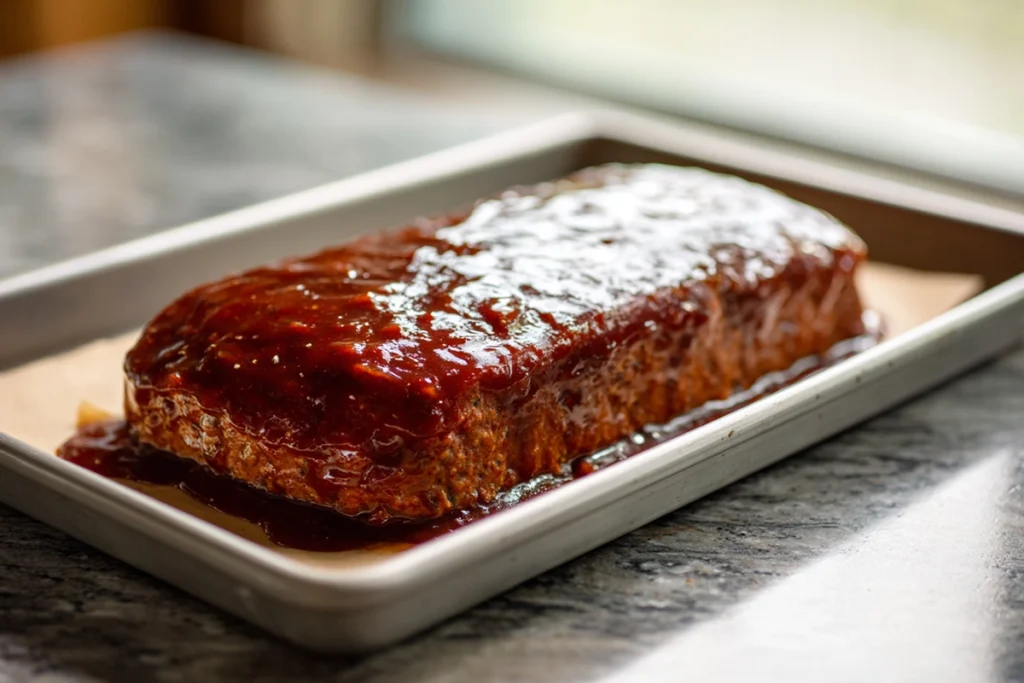
In a small bowl, stir together the ketchup, balsamic vinegar, and brown sugar. The glaze should taste balanced—sweet first, tangy second, never sharp. Spoon it evenly over the top of the loaf, letting it settle naturally along the sides.
As the meatloaf bakes, the glaze thickens and caramelizes, sealing in moisture as it adds a glossy finish. Brushing it on before baking enables the flavors to meld into the meat instead of sitting on top like frosting.
Timing, Temperature, and Doneness (Where Most Meatloafs Go Wrong)
Slide the meatloaf into the oven while letting it bake steadily. For a loaf shaped wide and slightly flat, expect about 65 to 70 minutes. Thicker, taller loaves can take closer to 90 minutes.
You’re looking for an internal temperature of 170°F in the center. A thermometer is your best guide, especially the first time you make this recipe. Visually, the glaze should be bubbling and slightly darkened, and the loaf should feel firm but springy when gently pressed.
Common Meatloaf Problems—and How to Fix Them
If your meatloaf comes out dry, it’s usually from overbaking or using meat that’s too lean. If it falls apart when sliced, it likely needs a few more minutes of rest. Let the loaf sit for at least 10 minutes after baking so the juices can redistribute. And if the glaze tastes too sharp, reduce the balsamic slightly next time or add a touch more brown sugar.
Variations That Still Feel Like Home
For a slightly sweeter version, especially if kids are at the table, add an extra teaspoon of brown sugar to the glaze. If you prefer a more savory edge, reduce the sugar and add a splash of Worcestershire to the glaze instead.
You can also shape the mixture into individual mini loaves. They cook faster—usually in about 35 to 40 minutes—and are perfect for portioning or freezing.
Make-Ahead, Storage, and Warming Without Drying It Out
You can assemble the meatloaf mixture up to a day ahead and keep it covered in the refrigerator. When you’re ready to bake, let it sit at room temperature for about 20 minutes, then glaze and cook as directed.
Leftovers keep well for up to four days in the fridge. Reheat slices slowly in the oven, covered, to keep them moist. The microwave works too—just use lower power and short intervals.
What to Serve with Balsamic Glazed Meatloaf
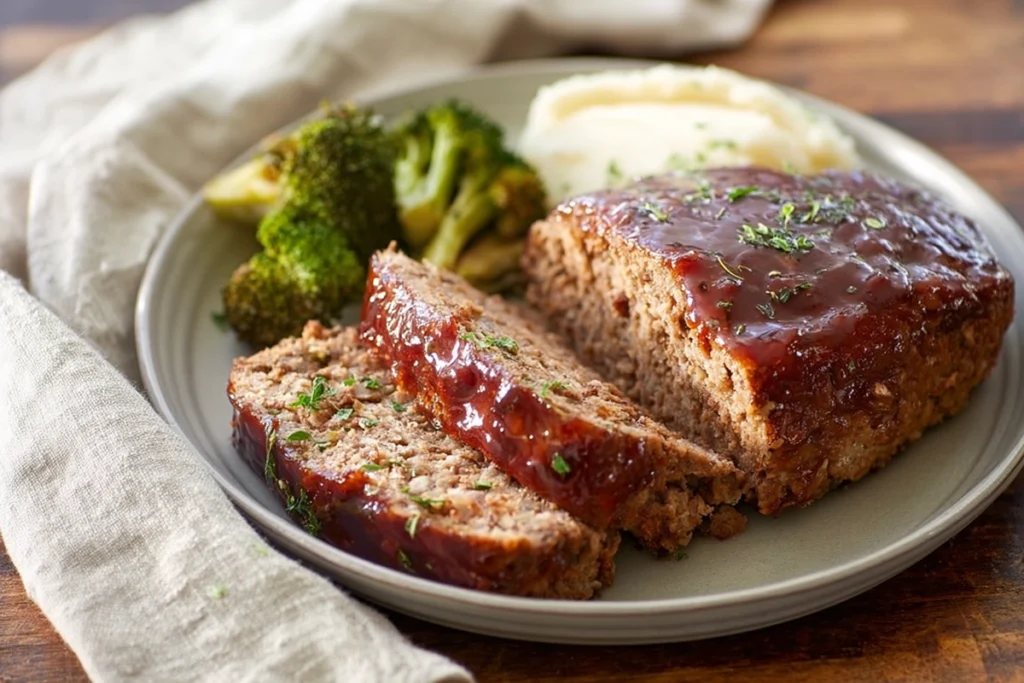
This meatloaf goes perfectly with classic sides like mashed potatoes, green beans, or buttered corn. If you want something lighter, a crisp salad or roasted vegetables balance the richness nicely. And the next day, a cold slice tucked into a sandwich with a little extra glaze might be the best bite of all.
There’s a reason meatloaf has stayed a staple for generations. This balsamic-glazed meatloaf keeps that tradition alive by adding just enough character to make it feel new again. It’s the kind of recipe you’ll trust, tweak, and eventually pass along—because it simply works, every time.
Get inspired with more delicious recipes! Follow me on Facebook and Pinterest for new cooking ideas every week.
FAQ
Can I make balsamic-glazed meatloaf ahead of time?
Yes, you can assemble the meatloaf up to a day in advance and keep it covered in the refrigerator. When you’re ready to bake, let it sit at room temperature for about 20 minutes, then add the glaze and bake as directed. This helps it cook evenly without drying out.
Why did my meatloaf fall apart when I sliced it?
This usually happens if the meatloaf was sliced too soon or didn’t have enough time to set. Letting it rest for at least 10 minutes after baking allows the liquids to redistribute and helps the loaf hold together. Using the full amount of oats and egg also makes a big difference.
Can I use a loaf pan instead of a baking sheet?
You can, but the texture will be slightly different. A loaf pan traps more fat, which can make the meatloaf softer and a bit greasier. If you use a loaf pan, consider draining off excess grease halfway through baking.
Is balsamic vinegar too strong for meatloaf?
When used in the glaze, balsamic vinegar mellows as it bakes and blends with the ketchup and brown sugar. The result is a gentle tang, not a sharp bite. If you’re sensitive to acidity, you can reduce the vinegar slightly and still get great flavor.
Print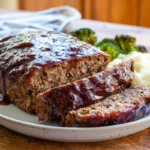
Balsamic Glazed Meatloaf
- Total Time: 1 hour 15 minutes
- Yield: 8 servings 1x
Description
This balsamic-glazed meatloaf is a homely, homestyle dinner made with simple pantry ingredients, baked until tender, and finished with a sweet, tangy glaze that keeps every slice juicy and flavorful.
Ingredients
- 2 pounds ground beef
- 1 cup quick oats
- 1 1/4 cups milk
- 1 big egg, beaten
- 1/4 cup minced onion
- 1 teaspoon Worcestershire sauce
- 1/2 teaspoon kosher salt
- 1/4 teaspoon black pepper
- 1/4 teaspoon crushed sage
- 1/4 teaspoon celery salt
- 1/4 teaspoon dry mustard
- 1/4 teaspoon granulated garlic or garlic powder
- 1/4 cup ketchup
- 1 tablespoon balsamic vinegar
- 1 tablespoon brown sugar
Instructions
- Preheat the oven to 350°F and line a baking sheet with foil.
- In a large bowl, combine all meatloaf ingredients and gently mix with your hands until just combined.
- Shape the mixture into a wide, oblong loaf on the prepared baking sheet.
- In a small bowl, stir together the ketchup, balsamic vinegar, and brown sugar.
- Spoon the glaze evenly over the top of the meatloaf, letting it settle along the sides.
- Bake until the internal temperature reaches 170°F, about 65 to 70 minutes.
- Remove from the oven and let the meatloaf rest for 10 minutes before slicing and serving.
Notes
- Use a meat thermometer the first time you make this recipe to ensure proper doneness.
- Cooking time depends on the shape and thickness of the loaf.
- A flatter loaf cooks faster and stays juicier than a tall, compact one.
- Prep Time: 10 minutes
- Cook Time: 1 hour 5 minutes
- Category: Dinner
- Method: Baking
- Cuisine: American
Nutrition
- Serving Size: 1 slice
- Calories: 373
- Sugar: 5 g
- Sodium: 394 mg
- Fat: 25 g
- Saturated Fat: 9 g
- Unsaturated Fat: 16 g
- Trans Fat: 0 g
- Carbohydrates: 12 g
- Fiber: 1 g
- Protein: 22 g
- Cholesterol: 104 mg