
French Dip Sliders: Crisp Tops, Juicy Centers, Zero Fuss
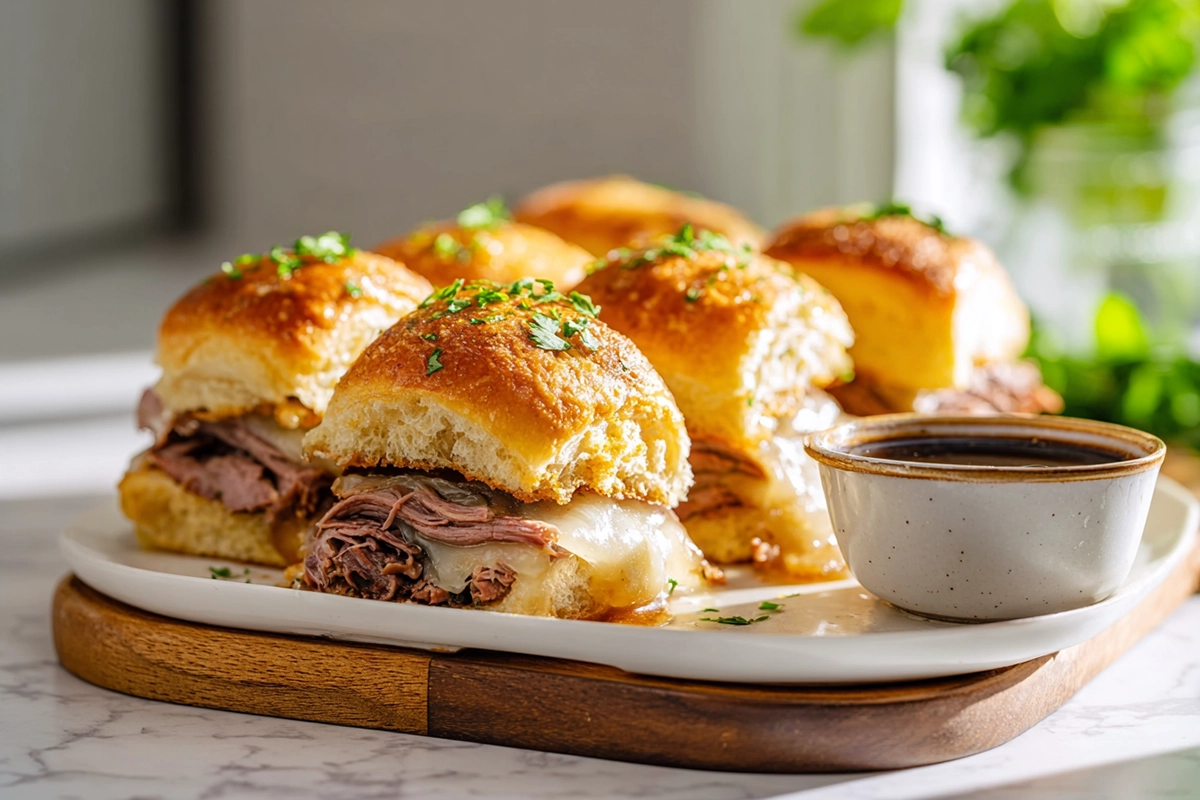
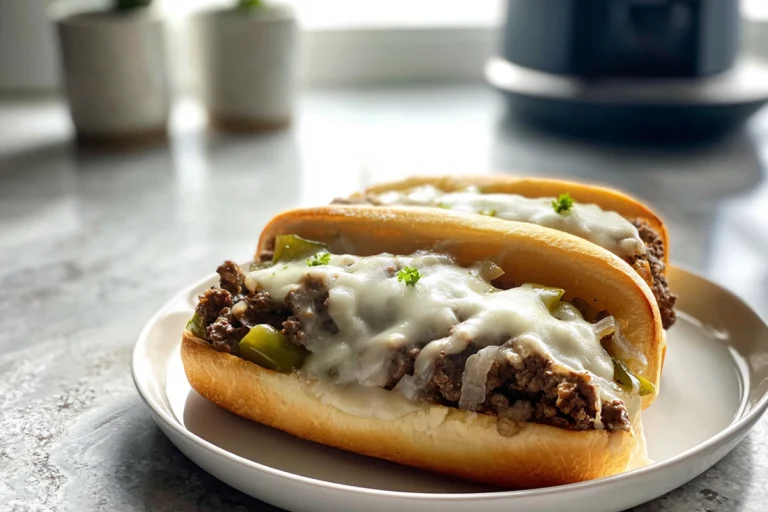
There’s a very specific moment when these sliders tell you they’re going to be good. It’s when the foil comes off the pan, the butter on top starts to sizzle again, and the rolls shift from pale to deeply golden at the edges. The kitchen smells like softened onions, toasted bread, and that unmistakable savory note you only get from beef warming gently instead of being blasted by heat. This is food that’s built for sharing, but it still feels intentional — not thrown together.
French Dip Sliders work because they solve a real problem. You want something hearty enough to satisfy, easy enough to assemble without hovering, and sturdy enough to sit on a table without falling apart. The sweet rolls hold their shape while soaking up just enough butter. The roast beef stays tender because it’s layered, not smashed flat. The onions bring sweetness without turning jammy or bitter, and the provolone melts into everything instead of sliding off in sheets.
What makes this version dependable isn’t a long ingredient list or clever tricks. It’s the order. Cheese goes down first to protect the bread. The onions come off the heat early so they finish cooking in the oven instead of drying out. The butter mixture isn’t decoration — it’s what helps the tops brown evenly while the inside stays soft.
From here, the process is straightforward, but not careless. A few small choices determine whether the sliders come out crisp and juicy or pale and soggy. That’s where the real cooking happens, and that’s what we’ll walk through next.
Table of Contents
Why Sweet Rolls Work (And When They Don’t)
The foundation of these French Dip Sliders is the roll, and sweet rolls earn their place here for reasons that have nothing to do with sugar. Their tight crumb holds together under heat and steam, which matters once the sliders are covered and baked. They absorb butter without collapsing and stay soft inside while the tops brown properly. Regular slider buns tend to dry out or tear when sliced as a slab, especially once dipped.
If you substitute with standard dinner rolls, expect less structure and plan to serve immediately. Whatever you choose, keep the slab intact when slicing — separating individual rolls too early invites uneven baking and soggy edges.
- Sweet rolls: Soft but sturdy, they absorb butter and steam without falling apart.
- Kosher salt: Light seasoning early helps balance the sweetness of the rolls.
The Onion Layer That Does More Than Add Flavor
The onions aren’t a garnish here — they’re part of the texture. Thinly sliced onions soften slowly in butter until they lose their raw bite and develop a gentle sweetness. Pulling them off the heat before full caramelization matters, because they finish cooking inside the oven. This prevents them from drying out or turning bitter while the sliders bake.
Fresh thyme reinforces the savory backbone without overpowering the beef. If dried thyme is all you have, use half the amount; dried herbs are more concentrated and can dominate if you’re not careful.
- Yellow onion: Sliced thin so it softens evenly without turning jammy.
- Fresh thyme: Adds warmth and aroma without competing with the beef.
Cheese and Beef: Built for Heat, Not Height
Deli roast beef works because it reheats gently. Thick slices folded loosely allow heat to circulate, keeping the meat tender instead of steaming it flat. This is where many sliders fail — compressed layers trap moisture and turn gray.
Provolone melts smoothly and creates a barrier between bread and filling, protecting the bottom rolls from moisture. Mozzarella works similarly but brings less sharpness. Stack with intention; this isn’t about piling high, it’s about even coverage.
- Deli roast beef: Folded, not stacked flat, to stay juicy.
- Provolone cheese: Melts evenly and insulates the bread.
Butter, Soup Mix, and Why This Isn’t Optional
The butter topping isn’t decorative — it’s functional. Melted butter carries the onion soup mix across the surface, seasoning every roll and helping heat distribute evenly. This is what gives French Dip Sliders their crisp, golden tops instead of pale, dry bread.
If you only have salted butter, skip additional salt elsewhere. Brushing the mixture on instead of pouring prevents pooling, which can lead to soggy corners and uneven browning.
- Unsalted butter: Controls salt and promotes even browning.
- Dried onion soup mix: Adds concentrated savory depth in one step.
The Au Jus That Belongs on the Side
Au jus is a companion, not a bath. Prepared according to package directions, it adds richness without overwhelming the sandwich. Serving it on the side keeps the sliders intact and lets each person decide how much to dip.
Overly concentrated au jus can overpower the beef and cheese, so resist the urge to reduce it. Warm, not boiling, is the sweet spot — heat without steam.
- Au jus gravy mix: Simple, reliable, and meant for dipping.
- Water: Proper dilution keeps flavors balanced.

The One Step That Actually Makes or Break French Dip Sliders
This recipe starts in the skillet, not the oven, and that’s on purpose. When the butter melts and the onions hit the pan, you’re listening for a steady, confident sizzle — not a violent crackle. The onions should soften slowly, turning translucent before they ever think about browning. By the time they smell lightly sweet and herbal from the thyme, they should still look pale gold, not dark.
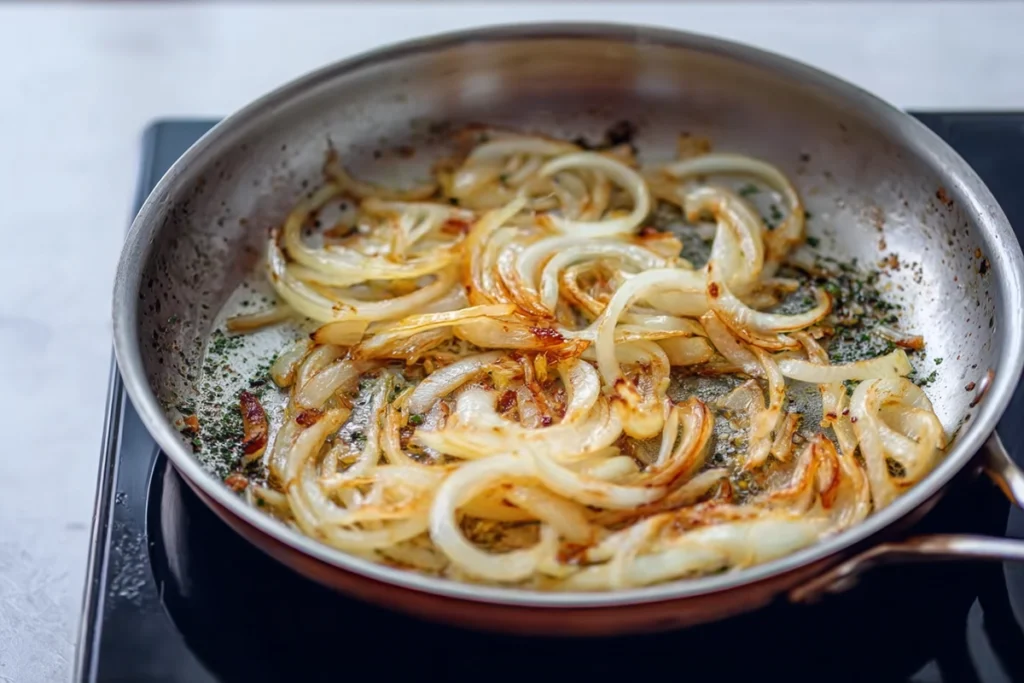
Pulling them off the heat early matters. Inside the oven, steam finishes the job, and if you push them too far on the stovetop, they dry out and taste flat once baked. This single decision sets the tone for the entire pan of sliders.
Building Layers So the Sliders Stay Juicy, Not Steamed
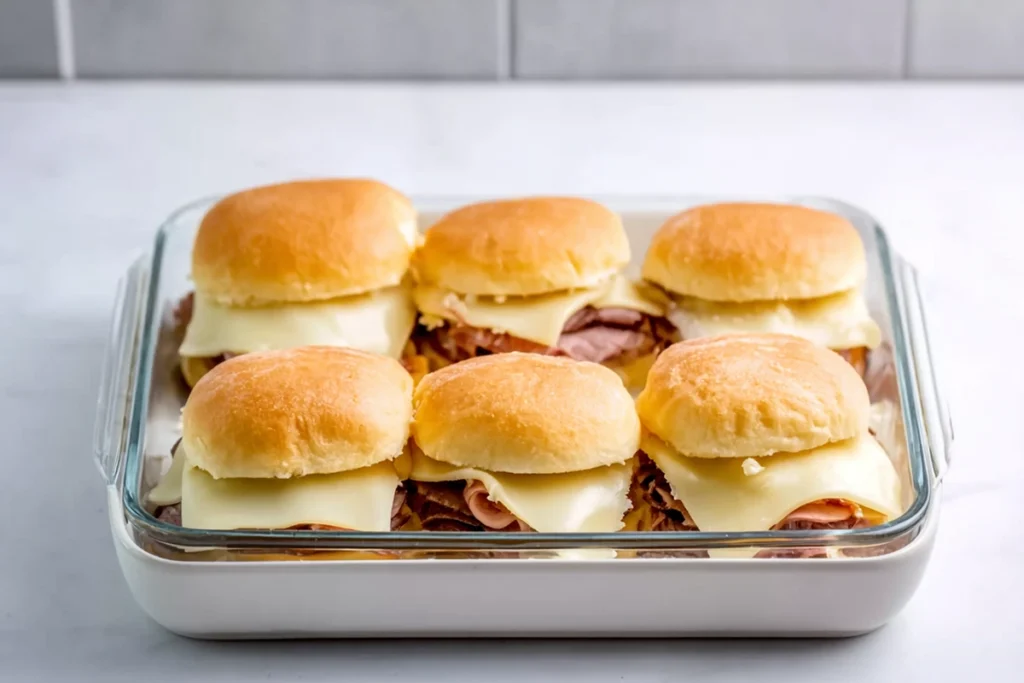
Assembly is where French Dip Sliders quietly succeed or fail. The sliced rolls stay connected, and that matters — you want them acting like one piece, not twelve separate sandwiches. The bottom layer should feel soft but intact, ready to take heat without collapsing.
Cheese goes down first, creating a barrier that protects the bread. The roast beef follows, folded loosely so pockets of air remain between slices. When the onions go on, they should spread evenly, still glossy, not dry. The second layer of cheese seals everything in before the tops go back on.
Butter on Top Isn’t Decoration — It’s Heat Control
When the butter mixture hits the rolls, it should smell savory and slightly sweet from the onion soup mix. Brushing instead of pouring lets you control where the fat lands, especially along the edges where browning matters most. The surface should look evenly damp, not soaked.
Once covered with foil, the sliders bake in a steamy environment. You’ll hear a faint sizzle inside the dish, not silence. When the foil comes off, the sound changes — sharper, more active — and the tops shift from soft to crisp right in front of you.
The Au Jus Moment Happens Off to the Side
While the sliders finish, the au jus quietly does its job on the stove. It should smell deeply beefy but not harsh, and the surface should barely ripple, never boil. Too much heat concentrates the salt and throws everything off balance.
Serve it warm alongside the sliders, not poured over them. Dipping keeps the bread intact and lets each bite land exactly where it should — crisp top, soft center, and that rich finish that makes these feel like true game-day comfort food rather than just another one-pan meal.
When You Need to Adjust Without Breaking the Recipe
These sliders are forgiving, but not endlessly flexible. If provolone isn’t available, mozzarella is the cleanest swap — it melts smoothly and keeps the interior soft, though you’ll lose a bit of sharpness. Swiss can work in a pinch, but only if you slice it thin; thicker cuts overpower the beef and throw off the balance.
Leftover roast beef from a holiday meal can replace deli slices, but it needs to be sliced cold and kept loose when layered. Warm or shredded beef dries out quickly once baked. If you only have salted butter, skip adding extra salt anywhere else — the onion soup mix already carries plenty. What doesn’t work well is switching the rolls to crusty bread. Anything too firm prevents proper steam and leaves you with dry centers.
How to Serve French Dip Sliders So They Actually Shine
French Dip Sliders are at their best when served warm, not piping hot. Give them five minutes to settle after baking so the cheese sets slightly and the layers stay intact when cut. Serve the au jus alongside in small bowls, not poured over the top — dipping keeps the rolls crisp and lets everyone control the richness.
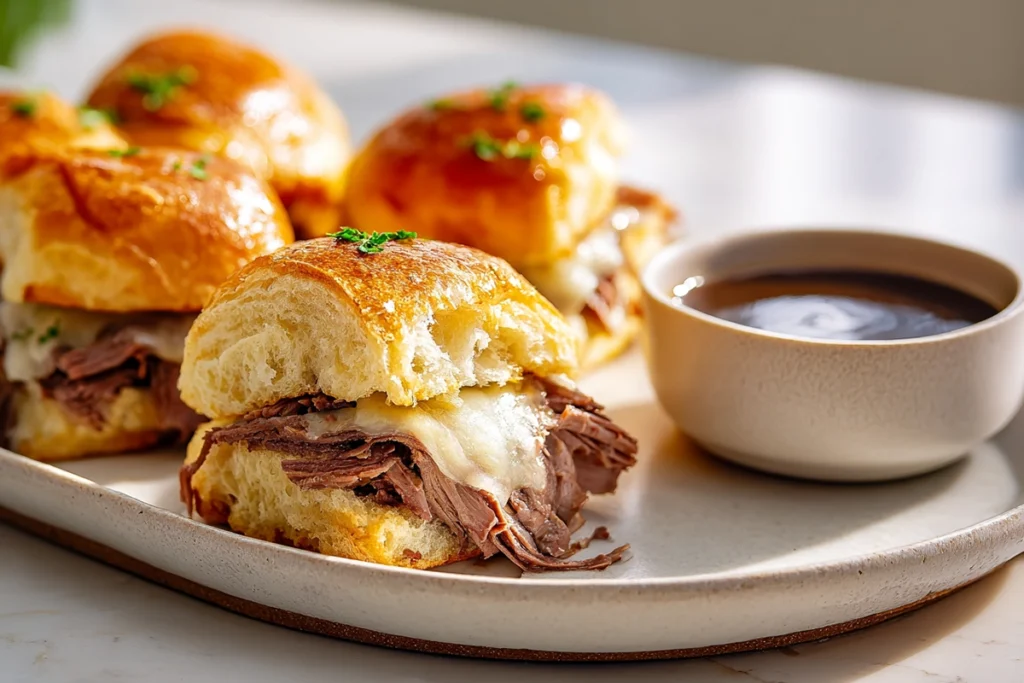
These work especially well on game day next to something bright and acidic, like a vinegar-forward coleslaw or a simple green salad with mustard dressing. For a casual dinner, roasted potatoes or kettle chips add crunch without competing for attention. If you’re feeding a crowd, keep the pan loosely tented with foil; they’ll hold well for about fifteen minutes without losing texture.
A Few Last Things Worth Remembering
Avoid assembling too far ahead of time. Butter and steam are friends in the oven, but enemies in the fridge. If you need to prep early, keep the components separate and assemble just before baking. Don’t skip the foil stage — it’s what keeps the roast beef tender while the rolls heat through. And resist the urge to overfill; more isn’t better when it prevents even heat.
These French Dip Sliders are the kind of food that earns its place on the table because it works. They’re practical, comforting, and built to be shared without fuss. Make them once, pay attention to how they behave in your oven, and you’ll know exactly how to make them your own the next time the house fills up and everyone’s hungry.
Get inspired with more mouthwatering recipes! Follow me on Facebook and Pinterest for new cooking ideas every week.
FAQ
Can I make French Dip Sliders ahead of time?
You can prep the components ahead, but it’s best to assemble and bake just before serving. If the sliders sit assembled in the fridge too long, the butter and moisture can soak into the rolls and make them heavy. For best results, keep everything ready and put them together right before they go into the oven.
Why did my sliders turn out soggy on the bottom?
This usually happens when the au jus is poured over the sliders instead of served on the side, or when the rolls are too soft to begin with. The cheese layer helps protect the bread, but too much moisture will still work its way down. Letting the sliders rest a few minutes after baking also helps the structure set.
What’s the best cheese to use if I don’t have provolone?
Mozzarella is the closest substitute because it melts smoothly and doesn’t overpower the beef. Swiss can work, but only if it’s sliced thin, since its flavor is stronger. Avoid very sharp or aged cheeses, which can dominate the sliders.
Can I use leftover roast beef instead of deli meat?
Yes, but slice it thin while it’s cold and layer it loosely. Thick chunks or shredded beef tend to dry out during baking and don’t warm as evenly. The goal is gentle reheating, not cooking the meat again.
Is it normal for the tops to brown faster than the inside?
Yes, that’s expected once the foil comes off. The butter on top promotes browning while the inside finishes heating through from residual steam. If the tops are browning too quickly, loosely tent the pan again for a few minutes.
Print
Best French Dip Sliders
- Total Time: 1 hour
- Yield: 12 sliders 1x
Description
Buttery French Dip Sliders layered with tender roast beef, melted provolone, and soft onions, baked together and served with au jus for dipping. A dependable crowd-pleaser built to stay juicy with crisp, golden tops.
Ingredients
- 3 tablespoons unsalted butter
- 1 medium onion, thinly sliced
- 2 teaspoons fresh thyme, minced
- 1/4 teaspoon kosher salt
- 1/4 teaspoon black pepper
- 12 sweet rolls
- 10 slices provolone cheese
- 14 ounces sliced deli roast beef
- 1/2 cup unsalted butter, melted
- 1 1/2 tablespoons dried onion soup mix
- 1 packet au jus gravy mix
- 3 cups water
- Fresh chopped parsley, optional
Instructions
- Melt the butter in a skillet over medium heat and add the sliced onions. Cook gently until softened and lightly golden, then stir in thyme, salt, and pepper and remove from heat.
- Slice the rolls horizontally as a single slab and place the bottom half cut-side up in a baking dish.
- Layer half the provolone over the rolls, followed by loosely folded roast beef and the softened onions. Add the remaining cheese and place the tops of the rolls back on.
- Stir the melted butter with the onion soup mix and brush evenly over the tops of the rolls.
- Cover loosely with foil and bake until heated through, then uncover and bake briefly until the tops are golden.
- Prepare the au jus with water according to package directions and serve warm on the side for dipping.
Notes
- If using dried thyme instead of fresh, use half the amount.
- Mozzarella can be substituted for provolone if needed.
- Salted butter can be used, but reduce added salt elsewhere.
- Serve au jus on the side to avoid soggy rolls.
- Prep Time: 15 minutes
- Cook Time: 45 minutes
- Category: Appetizer, Main Course, Sandwich
- Method: Baking
- Cuisine: American
Nutrition
- Serving Size: 1 slider
- Calories: 284
- Sugar: 4
- Sodium: 826
- Fat: 18
- Saturated Fat: 11
- Unsaturated Fat: 5
- Trans Fat: 0
- Carbohydrates: 17
- Fiber: 0
- Protein: 15
- Cholesterol: 67
What Are Our Readers Saying?
There are no reviews yet. Be the first one to write one.