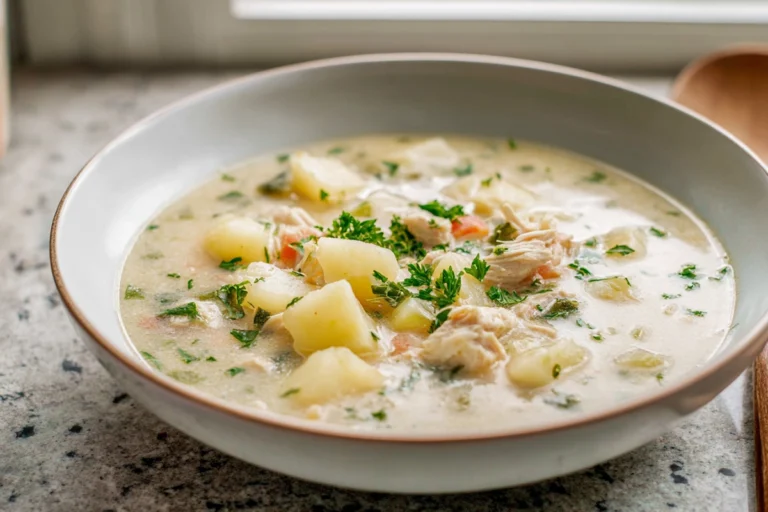
Hearty Chicken Stew You’ll Crave on Cold Nights

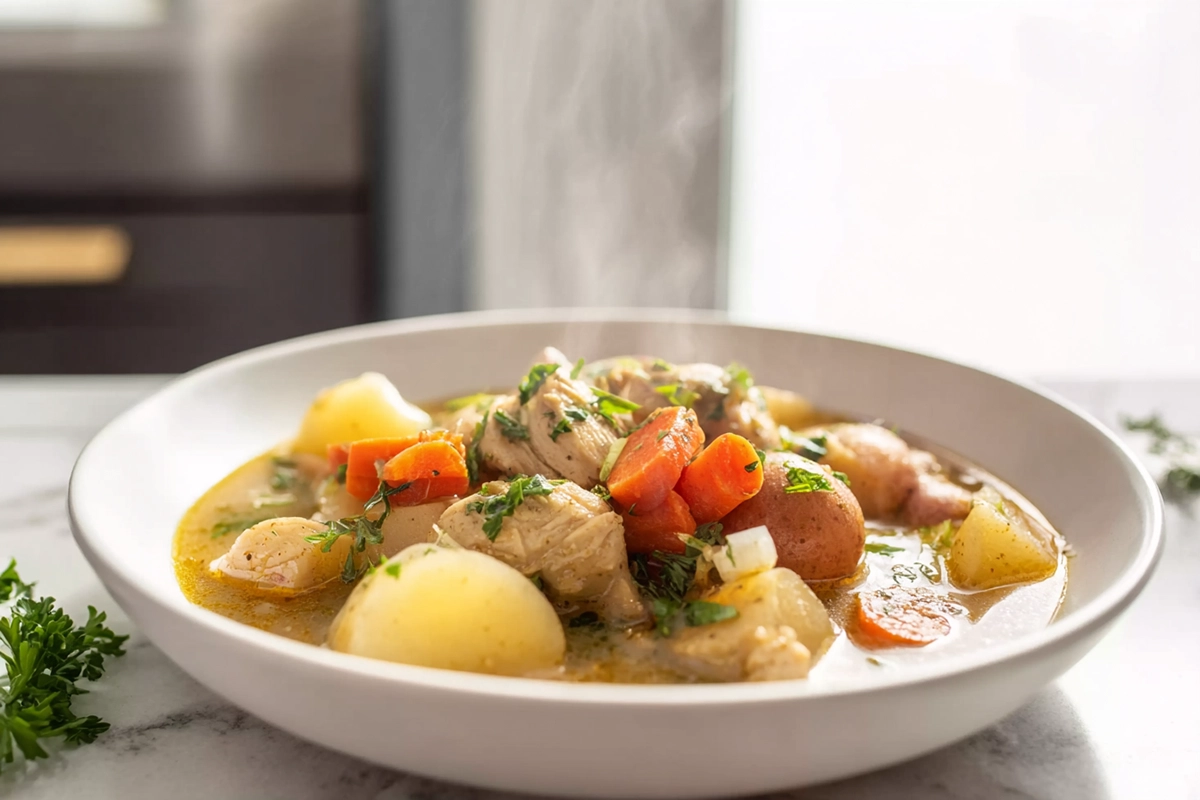
There’s something about a warm pot simmering on the stove that pulls you back to childhood, especially when the smell reminds you of home. When you make Chicken Stew, you create that same feeling in your own kitchen. Maybe you remember dipping crusty bread into a thick broth, or maybe this is your first time building a stew from scratch. Either way, this dish delivers comfort in a way few meals can. You get tender chicken, soft vegetables, and a rich broth that somehow tastes even better the next day. And because Chicken Stew comes together in one pot, you won’t be stuck in the kitchen all night.
Table of Contents
What Is Chicken Stew?
At its core, Chicken Stew is a rustic, slow-simmered dish made with hearty pieces of chicken, vegetables, and a rich broth that thickens as everything cooks together. While a soup leans light and brothy, a stew feels more substantial. You get spoonfuls that hold their shape, with vegetables and chicken that become melt-in-your-mouth tender. When you want something that wraps you in warmth without requiring complicated steps, this recipe is a staple.
Why Americans Love a Cozy Stew
You might notice that stews show up across the country once the temperature drops. That’s because they offer comfort without much effort. Everything cooks in one pot, making the process easier and cleanup faster. And since the flavors deepen as they simmer, you get a rewarding payoff with minimal hands-on time. Whether you’re feeding your family or prepping meals for a busy week, a stew fits the moment.
Key Ingredients for a Classic Chicken Stew
A good stew depends on simple ingredients treated with a little care. Each component brings its own purpose, and when they come together, the flavor becomes richer than you’d expect from such a humble list.
Chicken Choices
Chicken thighs stay juicy, especially during longer cooking times, although you can use breasts if you prefer leaner meat. Bone-in pieces add extra depth to the broth, but boneless makes serving easier.
Essential Vegetables
Most American-style stews include potatoes, carrots, celery, and onions. Potatoes add body and help naturally thicken the broth. Carrots bring sweetness that balances savory flavors. Celery and onion give the aromatic base you need for that classic stew taste. Garlic rounds out the background.
Flavor Builders
Butter or olive oil helps develop the vegetables and chicken. Fresh herbs like thyme or parsley brighten the final dish, while dried herbs create a deeper savory profile. Bay leaves add a slow-building richness you’ll miss if you skip them.
Broth and Thickening
A quality chicken broth forms the backbone. Some cooks stir in flour or a slurry for a thicker finish, while others rely on the starch from the potatoes. You can adjust the consistency based on your personal preference.

How to Make Chicken Stew Step by Step
When you begin building your stew, what matters most is layering flavor. Each stage adds something that carries through to the final bite.
Browning the Chicken
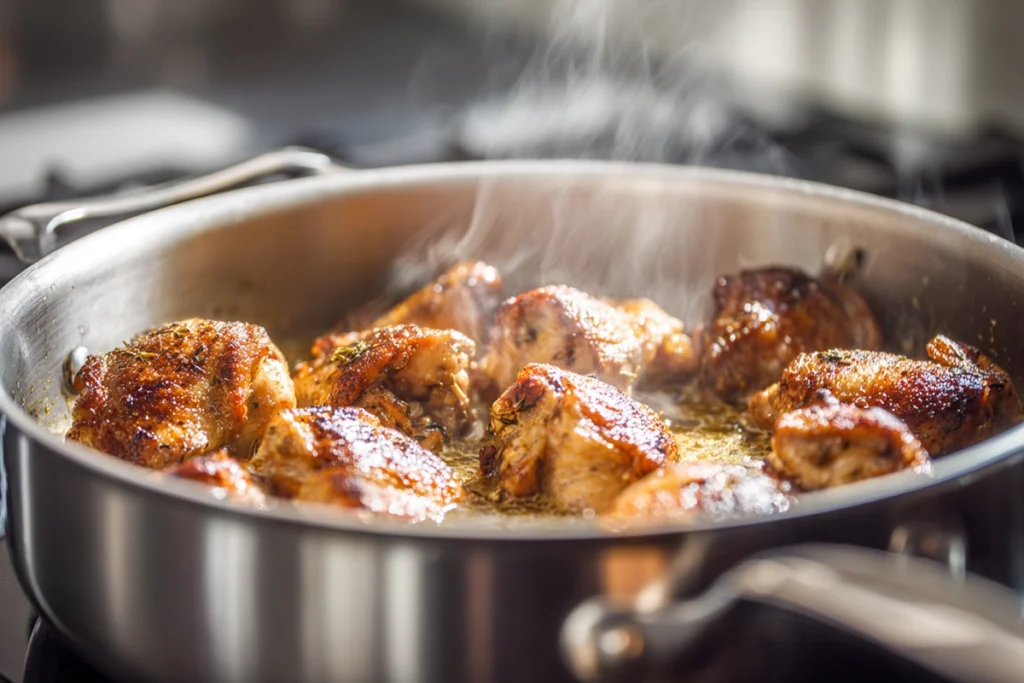
Start by browning the chicken in a heavy pot. This step not only locks in moisture but leaves behind flavor-rich bits on the bottom. When you later scrape those up, you deepen the broth without adding anything extra.
Cooking the Aromatics
Once the chicken comes out, sauté onions, celery, and carrots. As they cook, they soften and release natural sweetness. A little garlic added toward the end keeps it from burning yet infuses the stew.
Deglazing the Pot
Pour in a splash of broth to loosen the browned bits. You might hear a little hiss as they lift from the bottom. That’s your signal you’re capturing the good stuff.
Adding Broth and Vegetables
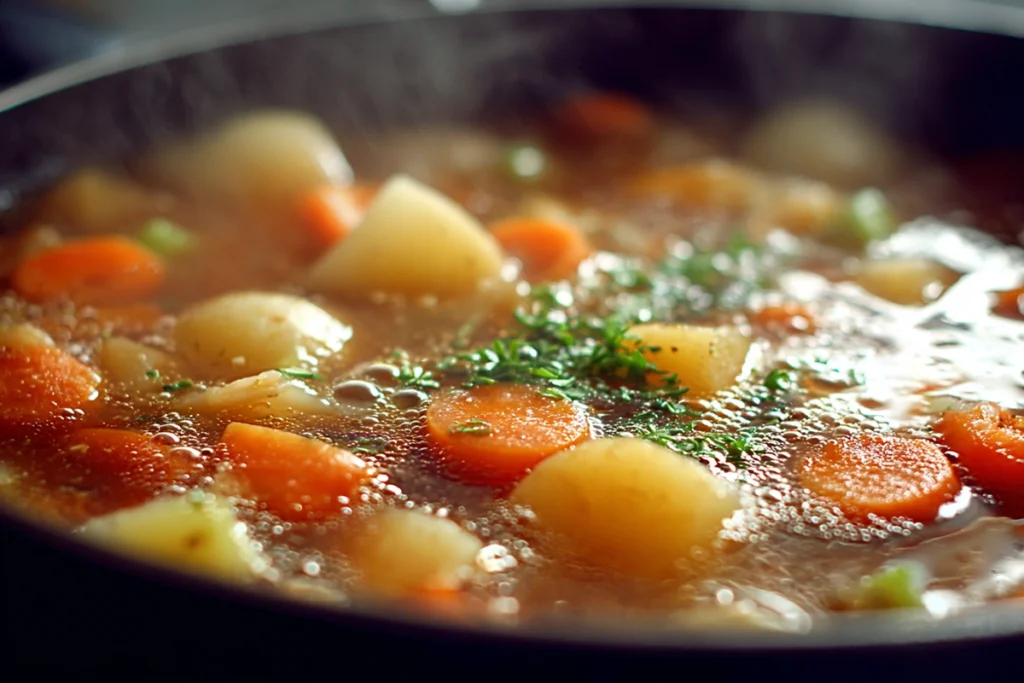
Place the chicken back into the pot and add remaining broth, potatoes, herbs, and any optional seasonings. As everything simmers, the flavors meld and develop. After about half an hour, the potatoes soften and the broth naturally thickens.
Adjusting the Texture
If you want a thicker stew, mash a few potatoes directly in the pot. For a silkier finish, stir in a small amount of butter or cream at the end. If you prefer a lighter version, leave it brothy and clean.
Variations and Flavor Twists
One of the best parts of stew is its flexibility. Once you know the basic method, you can switch it up based on what you have on hand or what you’re craving.
Tomato-Based Stew
Add tomato paste or canned tomatoes for a brighter and slightly tangy version. This twist gives the broth a deeper red hue and works well with fresh basil or rosemary.
Creamy Chicken Stew
A splash of cream or half-and-half transforms the broth into something reminiscent of a chowder. If you enjoy richer meals, this option provides a cozy, indulgent finish.
Seasonal Vegetable Add-Ins
Swap potatoes for sweet potatoes, add parsnips in winter, or stir in peas at the end for a pop of color. Stews adapt easily to what’s in season.
Dietary Variations
You can make Chicken Stew fit nearly any lifestyle with a few simple ingredients swaps. Here’s how to adjust it to meet specific dietary needs without losing flavor.
Vegan
Use a plant-based broth and replace chicken with chickpeas, white beans, seitan, or soy curls. Add nutritional yeast for a richer taste and finish with fresh herbs for balance.
Gluten-Free
Skip flour and thicken with cornstarch, arrowroot, or potato starch. Potatoes naturally thicken the broth as well, so you may not need a separate thickener.
Low-Calorie
Choose chicken breasts, reduce oil, increase broth, and load up on extra vegetables. Keeping the stew broth-forward lightens the overall calories while still feeling hearty.
Halal
Use halal-certified chicken and ensure your broth matches the same standard. Everything else stays the same, making this dish naturally easy to adapt.
Storage, Leftovers, and Make-Ahead Tips
A pot of stew ages well in the fridge. As it chills, the flavors blend even more, creating a richer taste the next day. Store leftovers in airtight containers and refrigerate for up to three days. When reheating, add a splash of broth if the stew thickened overnight.
If you want freezer-friendly meal prep, cool the stew completely and freeze it in individual portions. Potatoes may soften slightly, but the flavor remains satisfying. Thaw in the refrigerator or warm gently on the stove.
What to Serve With Chicken Stew
You have plenty of options when pairing your meal. A warm piece of crusty bread or a soft dinner roll helps soak up the broth. Rice, noodles, or mashed potatoes add extra comfort and make each serving more filling. For balance, try a crisp salad or simple steamed greens to lighten the plate without overshadowing the stew.
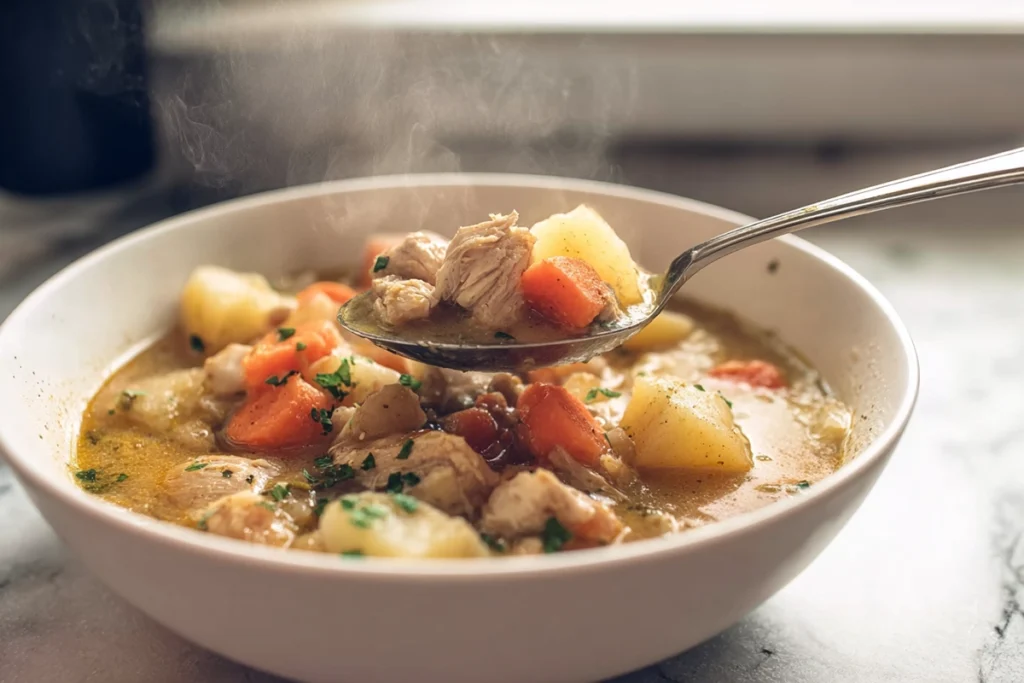
When you sit down with a bowl of Chicken Stew, you get more than a meal. You get warmth, comfort, and a recipe you can rely on any time you need something satisfying and familiar. Whether you enjoy it as-is or customize it with your own flavor twists, this dish fits beautifully into weeknight dinners, meal prep plans, and cozy weekends at home.
FAQ
Can you overcook chicken in stew?
You can if the heat is too high, since chicken breasts dry out faster than thighs. Keeping your Chicken Stew at a gentle simmer helps the meat stay tender, and thighs hold up especially well during longer cooking times.
How do you thicken chicken stew?
You can mash a few potatoes directly into the pot, use a small cornstarch slurry, or let the stew simmer longer so the broth naturally reduces. Each method works well depending on how thick you like your Chicken Stew.
Can you make chicken stew ahead of time?
Yes, and it usually tastes even better the next day. As the flavors sit, the broth deepens, and the vegetables absorb more seasoning. Reheat gently and add a splash of broth if it thickens overnight.
Can chicken stew be frozen?
You can freeze it for up to three months. Potatoes may soften a bit, but the flavor stays rich. Thaw in the fridge and warm the stew slowly on the stove for the best texture.
Get inspired with more mouthwatering recipes! Follow me on Facebook and Pinterest for new cooking ideas every week.
Print
Chicken Stew
- Total Time: 1 hour
- Yield: 6 servings 1x
- Diet: Halal
Description
A warm and hearty Chicken Stew made with tender chicken, potatoes, carrots, and aromatic herbs simmered together for a comforting and flavorful one-pot meal.
Ingredients
- 1.5 pounds chicken thighs, cut into chunks
- 3 cups potatoes, diced
- 2 cups carrots, sliced
- 1 cup celery, chopped
- 1 large onion, diced
- 3 cloves garlic, minced
- 4 cups chicken broth
- 2 tablespoons olive oil
- 1 tablespoon butter
- 1 teaspoon dried thyme
- 1 teaspoon dried parsley
- 1 bay leaf
- Salt, to taste
- Black pepper, to taste
Instructions
- Brown the chicken in olive oil until golden and set aside.
- Sauté onions, celery, and carrots until softened, then add garlic.
- Deglaze the pot with a splash of broth to lift browned bits.
- Add potatoes, chicken, remaining broth, herbs, salt, and pepper.
- Simmer until vegetables and chicken are tender and broth thickens.
- Stir in butter for a silky finish and adjust seasoning before serving.
Notes
- For a thicker stew, mash a few potatoes directly into the pot.
- Add peas at the end of cooking for extra color and sweetness.
- Prep Time: 15 minutes
- Cook Time: 45 minutes
- Category: Main Course
- Method: One Pot
- Cuisine: American
Nutrition
- Serving Size: 1 bowl
- Calories: 320
- Sugar: 4
- Sodium: 540
- Fat: 14
- Saturated Fat: 4
- Unsaturated Fat: 8
- Trans Fat: 0
- Carbohydrates: 28
- Fiber: 4
- Protein: 24
- Cholesterol: 95