Fall Pumpkin Spice Roll Cake: Creamy Swirls and a Cake That Actually Rolls

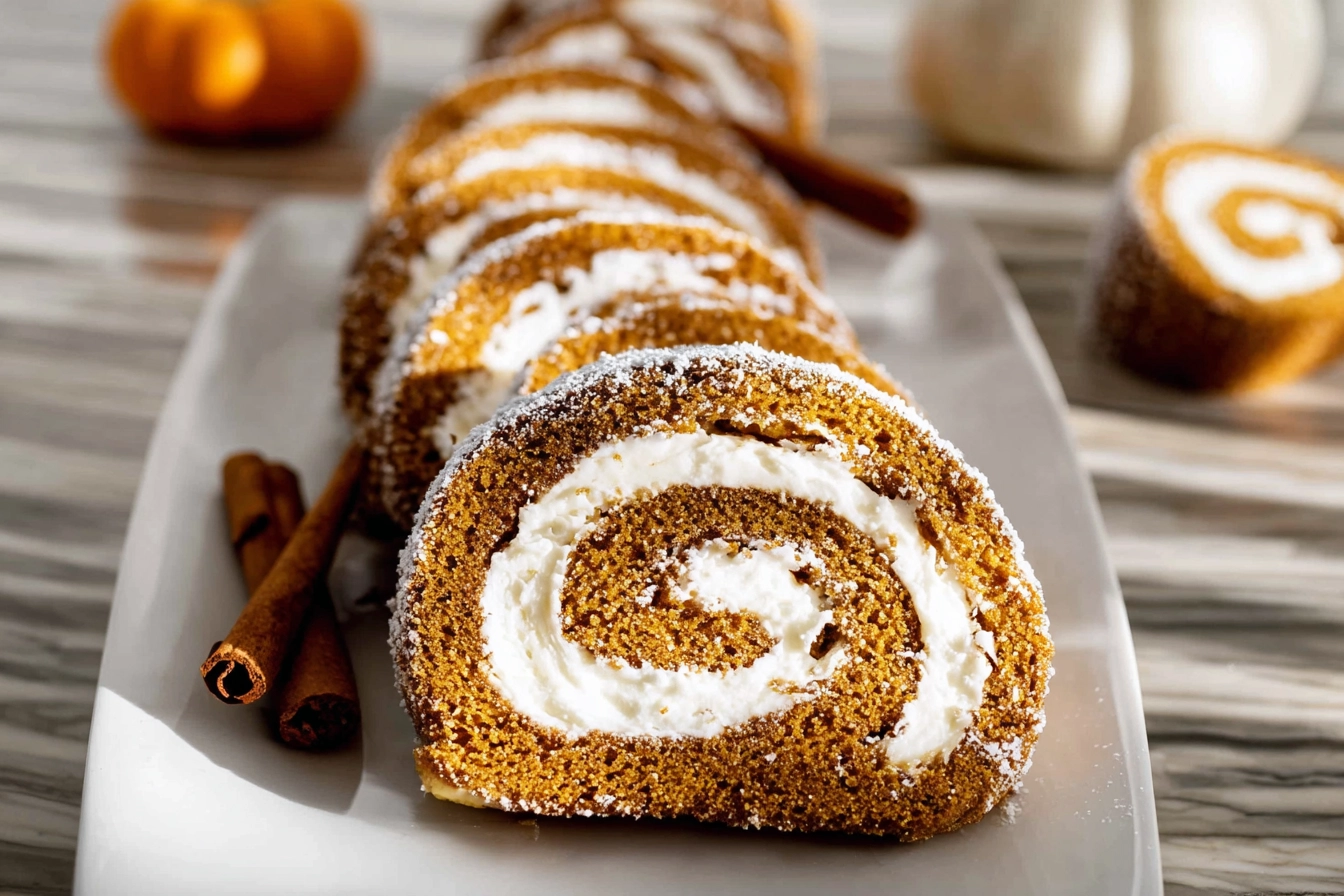
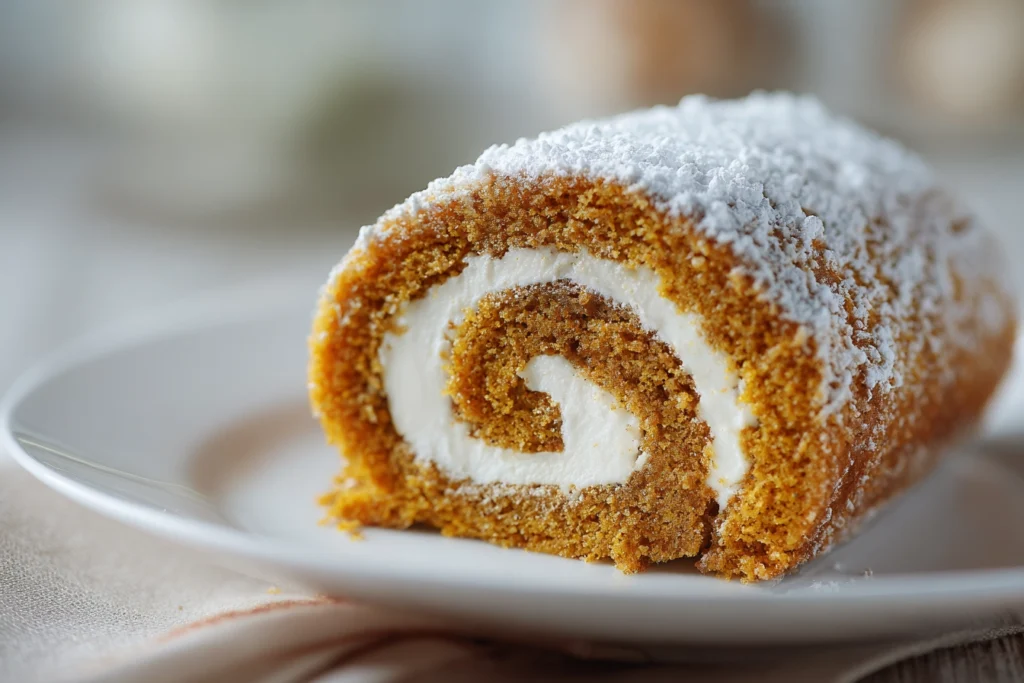
A good pumpkin roll doesn’t announce itself with decorations or height. It earns its place the moment you cut into it and see a clean spiral — pumpkin cake wrapped neatly around a smooth layer of cream cheese filling. The cake should bend, not break. It should feel soft under the knife, lightly springy, and scented with cinnamon and pumpkin spice in a way that reads warm instead of loud. When it’s right, it tastes like fall without trying too hard.
What trips most people up isn’t flavor — it’s structure. Pumpkin cake is moist by nature, but moisture alone doesn’t make a rollable cake. This recipe works because the balance is deliberate: enough eggs to give flexibility, just enough flour to hold shape, and a thin, even bake that sets before it dries out. The rolling happens while the cake is hot for a reason. That step isn’t rushed or optional; it’s how the cake learns what shape it’s supposed to keep.
The cream cheese filling plays its own quiet role. It’s soft, lightly sweet, and firm enough once chilled to hold the spiral in place without squeezing out the sides. After a short rest in the refrigerator, the whole cake settles into itself. The slices come out clean. The swirl stays sharp. Nothing feels fragile.
This fall pumpkin spice roll cake is less about show and more about getting the details right — pan size, timing, temperature, and a few small decisions that make the process calm instead of stressful. From here, it’s just a matter of following the order that actually works in a home kitchen.
Table of Contents
Why This Fall Pumpkin Spice Roll Cake Uses So Few Ingredients
This fall pumpkin spice roll cake works because every ingredient is doing a specific job. There’s no padding, no backup ingredients trying to fix a problem that shouldn’t exist in the first place. Pumpkin already brings moisture and density, so the structure has to come from restraint. Too much flour and the cake turns stiff. Too much fat and it loses flexibility. The goal here is a batter that bakes thin, sets quickly, and stays pliable long enough to roll while hot.
The spice blend is intentional, not decorative. Pumpkin pie spice carries the warm background notes, while cinnamon sharpens them so the cake doesn’t taste muddy. Sugar isn’t just sweetness — it helps the cake stay tender and prevents it from drying out during the short but hot bake. Eggs matter more than people realize in a roll cake. They provide lift, yes, but more importantly, they give the crumb the stretch it needs to bend without cracking.
The filling follows the same logic. Cream cheese brings tang and structure once chilled, butter smooths it out, and powdered sugar sweetens while helping the filling set cleanly. Nothing here is accidental, and nothing is trying to overperform.
- All-purpose flour: The safest choice for flexibility; higher-protein flours make the cake fight back when rolled.
- Eggs: Essential for structure and elasticity, not just binding.
- Canned pumpkin purée: Consistent moisture and thickness; watery purée makes the cake fragile.
- Granulated sugar: Keeps the crumb tender and helps prevent dryness during baking.
- Cinnamon & pumpkin pie spice: Layered warmth without overpowering the pumpkin itself.
The Ingredients That Decide Whether the Cake Rolls or Cracks
Roll cakes don’t fail because of bad technique alone — they fail because one or two ingredients weren’t suited for the job. The most common culprit is moisture imbalance. Pumpkin varies, ovens vary, but the ingredients need to hedge against that. That’s why this recipe stays measured and predictable.
Canned pumpkin is more reliable than homemade here unless you’ve fully drained and thickened it. Extra water weakens the crumb and creates steam pockets that split the surface. Cream cheese must be properly softened before mixing, or the filling turns lumpy and uneven, which puts pressure on the cake when it’s rolled. Even parchment paper counts as an “ingredient” in practice — it supports the cake while it’s hot and keeps the surface intact.
If you need to adapt, do it carefully. A gluten-free 1:1 flour blend works because it mimics all-purpose flour’s protein balance. Salted butter can be used in the filling, but only if you skip adding extra salt elsewhere. This fall pumpkin spice roll cake doesn’t leave much room for improvisation — and that’s a good thing.
- Cream cheese: Full-fat works best for a filling that sets cleanly once chilled.
- Butter: Softened, not melted, to keep the filling smooth and stable.
- Powdered sugar: Sweetens while helping the filling firm up in the refrigerator.
- Parchment paper: Prevents sticking and supports the cake during the critical hot roll.
Handled with intention, these ingredients don’t just make a dessert — they make a cake that behaves the way a roll cake should.

The Make-or-Break Moment Happens While the Cake Is Hot
The oven does its job quickly here. When the cake is ready, the surface looks set and matte, the edges just beginning to pull from the pan, and the center springs back when lightly pressed. You’ll smell warm cinnamon and pumpkin spice before you see color — that’s your cue that it’s time, not a stopwatch.
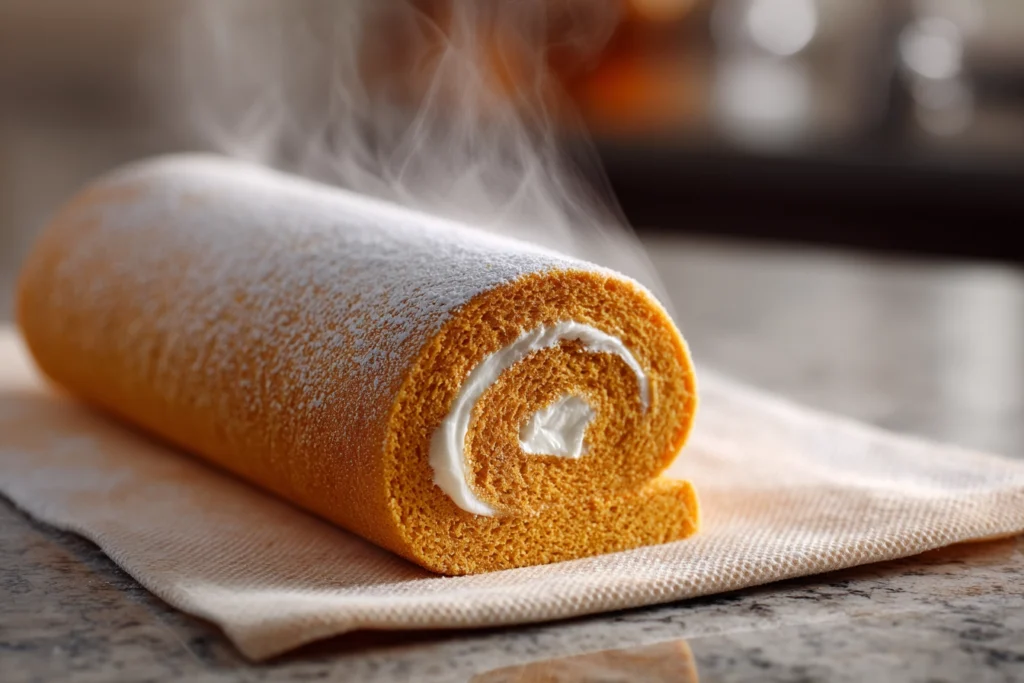
As soon as the pan comes out, lift the cake using the parchment while it’s still steaming. The cake should feel flexible and warm through your hands, not delicate. Rolling it right away traps that steam inside the spiral, which keeps the crumb elastic. If the cake cools flat, it stiffens, and no amount of care later will stop cracks from forming in a pumpkin roll cake.
Pan Size, Parchment, and the Physics of Thin Cakes
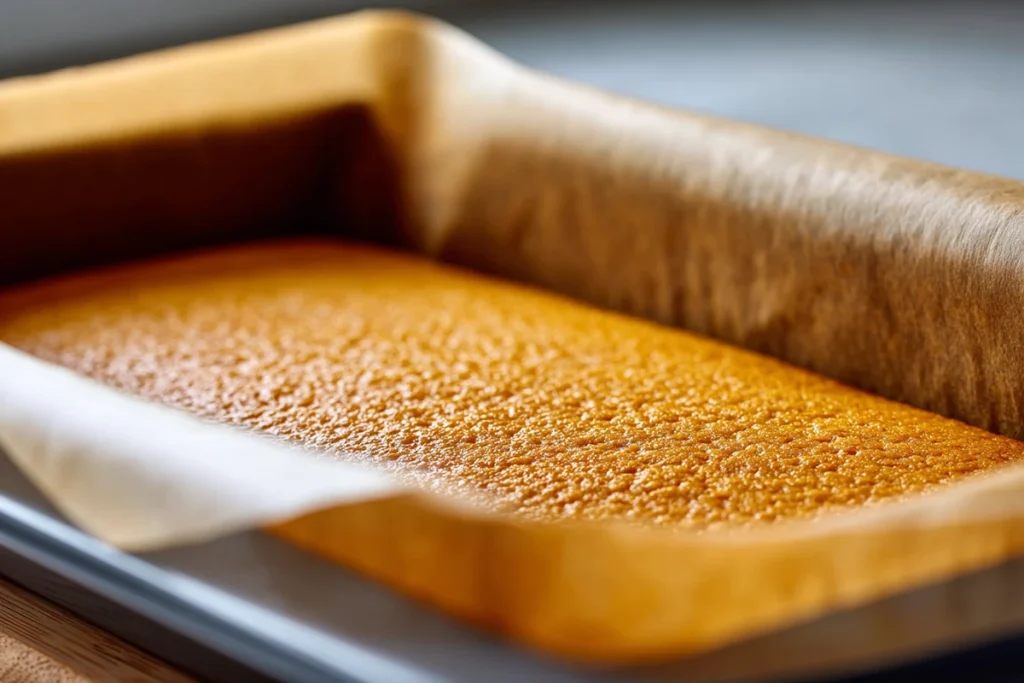
This cake succeeds because it’s thin and evenly baked. Spreading the batter to the corners matters more than people think — uneven thickness creates weak spots that split under pressure. As it bakes, the surface should rise evenly, without doming or sinking.
The parchment isn’t just there to prevent sticking. It supports the cake while it’s hot and fragile, letting you roll without touching the surface directly. When you roll, you should hear a faint rustle of paper, not tearing. If you hear tearing, the cake has either overbaked or cooled too long.
Filling the Roll Without Squishing It Flat
The cream cheese filling should be smooth, soft, and spreadable — thick like frosting, not loose or glossy. When you unroll the cooled cake, it should relax easily without resistance. If it snaps back or feels stiff, it cooled too tightly or dried out.
Spread the filling gently, using the back of a spoon or offset spatula, letting it glide rather than pressing it in. Leave a clean border so the filling doesn’t squeeze out as you roll. When you roll it back up, the cake should feel snug but cooperative, holding its shape without forcing.
Chilling Time Isn’t Waiting — It’s Setting the Shape
Once wrapped and refrigerated, the pumpkin roll transforms. The filling firms, the spiral locks in, and the cake becomes sliceable instead of delicate. After about an hour, the cake feels cool and slightly firm when pressed, like softened butter straight from the fridge.
This rest also sharpens the contrast between the cake and the cream cheese filling. When sliced, the knife should glide cleanly through without dragging or smearing. That’s when the structure has fully settled — and when this fall pumpkin spice roll cake finally shows what all those careful steps were working toward.
Swaps That Actually Work (and One That Doesn’t)
This is a dessert where restraint matters. That said, there are a few adjustments that hold up because they respect the structure of the cake. A gluten-free 1:1 all-purpose flour works well here, provided it’s a true cup-for-cup blend. The cake still bakes thin, stays flexible, and rolls cleanly as long as you don’t overbake it. If you go this route, pay extra attention to doneness — gluten-free cakes dry faster at the edges.
Homemade pumpkin purée can be used, but only if it’s thick and well-drained. If it slides off a spoon or looks watery, it will weaken the crumb and invite cracking. Canned pumpkin remains the more reliable option for a clean spiral.
What doesn’t work is reducing sugar or swapping in liquid sweeteners. Sugar plays a structural role in tenderness, not just sweetness. Cutting it back turns the cake stiff and brittle, which defeats the entire point of a pumpkin roll.
Serving This Cake Where It Actually Shines
This cake is at its best when served chilled, not cold straight from the fridge. Let it sit for ten minutes so the cream cheese filling softens slightly and the flavors open up. The slices should hold their shape but feel tender when pressed with a fork.
The richness of a fall pumpkin spice roll cake pairs well with bitterness and warmth. Black coffee, espresso, or lightly sweetened tea cut through the cream cheese filling without competing with the spices. On a dessert table, it works especially well alongside simpler options — think crisp cookies or plain shortbread — where its soft texture stands out.
Because the spiral stays clean, this cake is also well-suited for make-ahead gatherings and holiday spreads where desserts may sit out briefly before serving.
A Few Last Things That Make This Easier Next Time
Watch the bake closely. Even an extra minute can dry the cake just enough to cause cracking later. Trust your senses over the timer — springy center, set surface, warm spice in the air.
Roll gently but confidently. Hesitation creates uneven pressure, which shows up as breaks along the seam. And don’t rush the chilling time. That rest is what turns a delicate roll into a dessert that slices cleanly and travels well.
A pumpkin roll doesn’t reward shortcuts, but it does reward attention. When you respect the timing and keep the process simple, this fall pumpkin spice roll cake becomes one of those recipes you don’t second-guess — the kind you bring out when you want something familiar, dependable, and quietly impressive.
Get inspired with more mouthwatering recipes! Follow me on Facebook and Pinterest for new cooking ideas every week.
FAQ
Why did my pumpkin roll crack when I tried to roll it?
Cracking usually means the cake cooled too much before rolling or baked a little too long. This type of pumpkin cake needs to be rolled while it’s still hot so the crumb stays flexible. Even a few extra minutes on the counter can make it stiff enough to split.
Can I make this pumpkin roll ahead of time?
Yes, this recipe actually benefits from being made ahead. Once filled and rolled, it can be wrapped tightly and refrigerated for one to two days. The chilling time helps the cream cheese filling set and makes the slices cleaner.
Is it normal for the cake to feel very soft when it comes out of the oven?
Yes, that’s exactly what you want. A fall pumpkin spice roll cake should feel tender and almost delicate when it’s hot. As long as the center springs back lightly when touched, the structure will firm up as it cools and chills.
Can I freeze a pumpkin roll with cream cheese filling?
You can freeze it successfully if it’s wrapped well. Wrap the rolled cake tightly in plastic wrap, then add a layer of foil, and freeze for up to three months. Thaw it overnight in the refrigerator before slicing for the best texture.
Print
Fall Pumpkin Spice Roll Cake
- Total Time: 1 hour 55 minutes
- Yield: 8 servings 1x
- Diet: Vegetarian
Description
A soft and flexible fall pumpkin spice roll cake filled with smooth cream cheese frosting. This recipe focuses on proper timing and technique so the cake rolls cleanly without cracking and slices beautifully once chilled.
Ingredients
- 3/4 cup all-purpose flour
- 1/2 teaspoon salt
- 1 teaspoon baking soda
- 1 teaspoon ground cinnamon
- 1 teaspoon pumpkin pie spice
- 1 cup granulated sugar
- 3 large eggs
- 2/3 cup canned pumpkin puree
- 1 teaspoon vanilla extract
- 8 ounces cream cheese, softened
- 2 tablespoons butter, softened
- 1 teaspoon vanilla extract
- 1 cup powdered sugar, plus more for dusting
Instructions
- Preheat the oven and prepare a parchment-lined jelly roll pan.
- Whisk the dry ingredients together until evenly combined.
- Mix the eggs, sugar, pumpkin, and vanilla until smooth.
- Fold the dry ingredients into the wet mixture just until combined.
- Spread the batter evenly in the prepared pan and bake until set and springy.
- Immediately lift the cake with the parchment and roll it while hot.
- Let the rolled cake cool completely on a wire rack.
- Prepare the cream cheese filling until smooth and fluffy.
- Carefully unroll the cooled cake and spread the filling evenly.
- Re-roll without parchment, wrap, and refrigerate before slicing.
Notes
- Roll the cake while it is still hot to prevent cracking.
- Do not overbake or the cake will dry out.
- The cake can be made ahead and refrigerated for up to 2 days.
- Wrap tightly and freeze for up to 3 months if needed.
- Prep Time: 10 minutes
- Cook Time: 15 minutes
- Category: Dessert
- Method: Baking
- Cuisine: American
Nutrition
- Serving Size: 1 slice
- Calories: 360
- Sugar: 42
- Sodium: 350
- Fat: 15
- Saturated Fat: 8
- Unsaturated Fat: 5
- Trans Fat: 0
- Carbohydrates: 53
- Fiber: 1
- Protein: 6
- Cholesterol: 106