Fluffy Buttermilk Scones That Feel Like Home

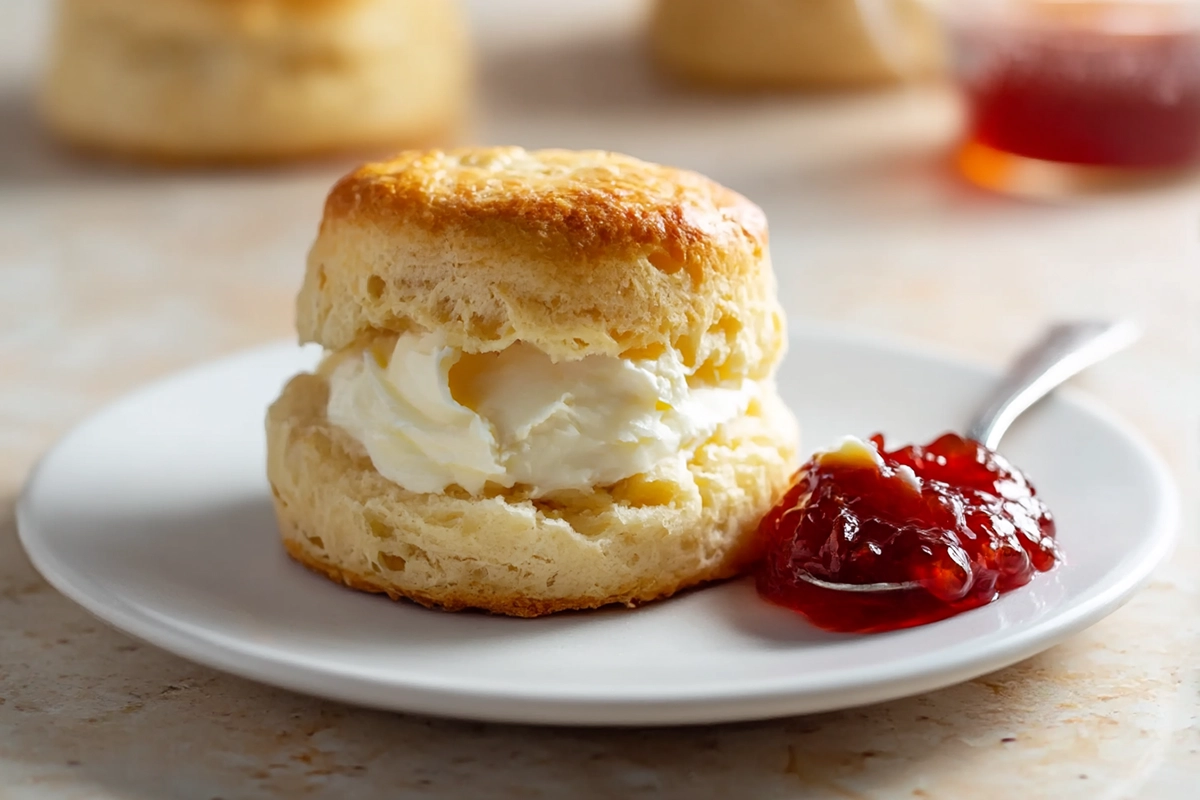
There’s something quietly comforting about baking scones in the morning. The kitchen warms up, the butter scent settles in the air, and for a little while, everything feels slower and steadier. These fluffy buttermilk scones are the kind you make when you want something simple but special, whether it’s a relaxed weekend breakfast or a cozy afternoon with coffee. They come together with pantry basics, no fancy tools, and just a little care, and they bake up soft, tall, and lightly tangy every time.
If you’ve ever worried that homemade scones turn out dry or dense, this recipe is here to change that. With the right balance of cold butter, gentle mixing, and buttermilk doing its quiet work, you’ll get tender layers that feel bakery-worthy but still very much homemade.
Why Buttermilk Makes Scones Extra Fluffy (And Not Dry)
Buttermilk is the quiet hero in this recipe. Its slight acidity reacts with the baking powder in the dough, helping the scones rise higher and stay light inside. That same acidity also softens the gluten in the flour, which is why these scones feel tender instead of tough.
Flavor-wise, buttermilk adds a gentle tang that keeps the sweetness in check. The scones don’t taste sour at all, just balanced and comforting. Compared to versions made with plain milk or heavy cream, buttermilk scones have a softer crumb and a more rounded flavor that works beautifully with both sweet and savory toppings.
Ingredients That Matter (And Where You Can Flex)
You don’t need a long list of ingredients to make good scones, but each one plays a role. Keeping things simple helps the texture shine.
Ingredients
- 2 cups self-rising flour
- 1 teaspoon baking powder
- 3 tablespoons cold unsalted butter, cut into small pieces
- 3 tablespoons granulated sugar
- 1 large egg
- ½ to ⅔ cup cold buttermilk, plus 1 tablespoon reserved for brushing
Self-rising flour provides structure and lift, while a little extra baking powder ensures a good rise. Cold butter is key for flakiness, and the sugar is just enough to give a gentle sweetness without turning the scones into cake.
If you don’t have buttermilk, you can make a quick substitute by stirring 1 tablespoon of lemon juice or white vinegar into regular milk and letting it sit for a few minutes. It won’t be identical, but it works well in a pinch.

The Method, Without the Stress
Start by heating your oven to 400°F and lightly greasing a baking sheet. A hot oven is important for that initial burst of rise.
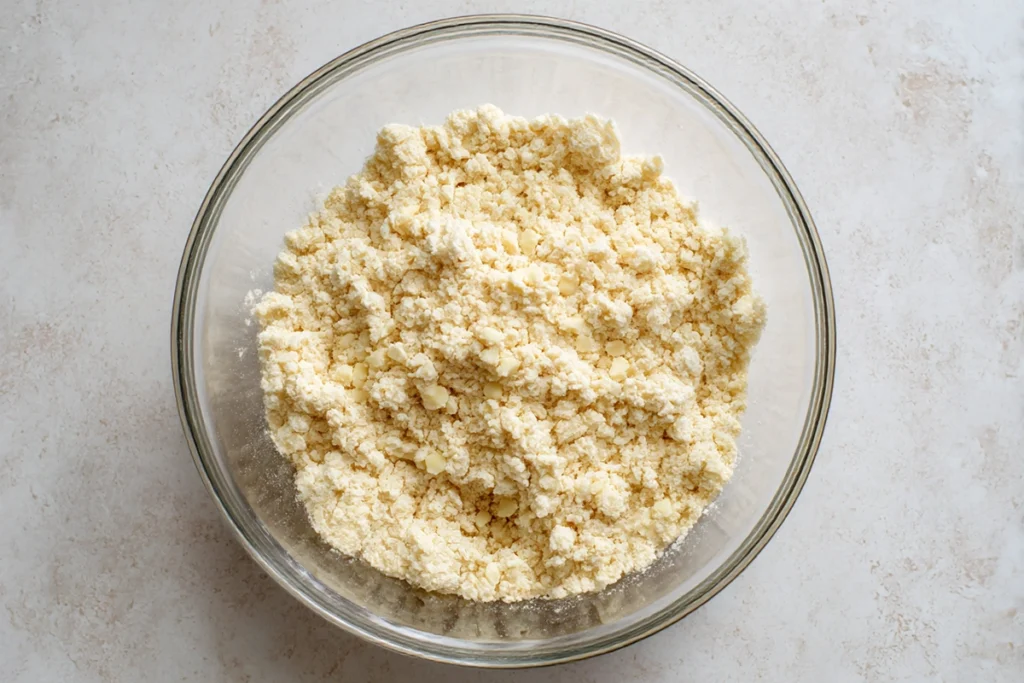
In a large bowl, combine the self-rising flour and baking powder, then add the cold butter. Use your fingertips to rub the butter into the flour until the mixture looks like coarse crumbs. You want small bits of butter still visible; they melt in the oven and create tender layers.
Stir in the sugar until evenly distributed. In a small bowl or measuring cup, beat the egg with the buttermilk, setting aside about 1 tablespoon for brushing the tops later. Gradually pour the remaining liquid into the flour mixture, stirring gently. Stop as soon as the dough comes together. It should feel moist but not sticky, soft but still easy to handle.
Turn the dough out onto a lightly floured surface and gently knead it just a few times until smooth. This isn’t bread dough, so resist the urge to work it too much. Press or roll it out to about 1 inch thick, keeping the surface even.
Thickness, Heat, and Timing: Getting the Rise Right
Thickness matters more than you might think. A full inch gives the scones room to rise upward instead of spreading outward. Use a round cutter to cut straight down into the dough without twisting, which helps the scones climb higher as they bake.
Place them on the prepared baking sheet with a little space between each one. Brush the tops lightly with the reserved egg and buttermilk mixture to encourage golden color.
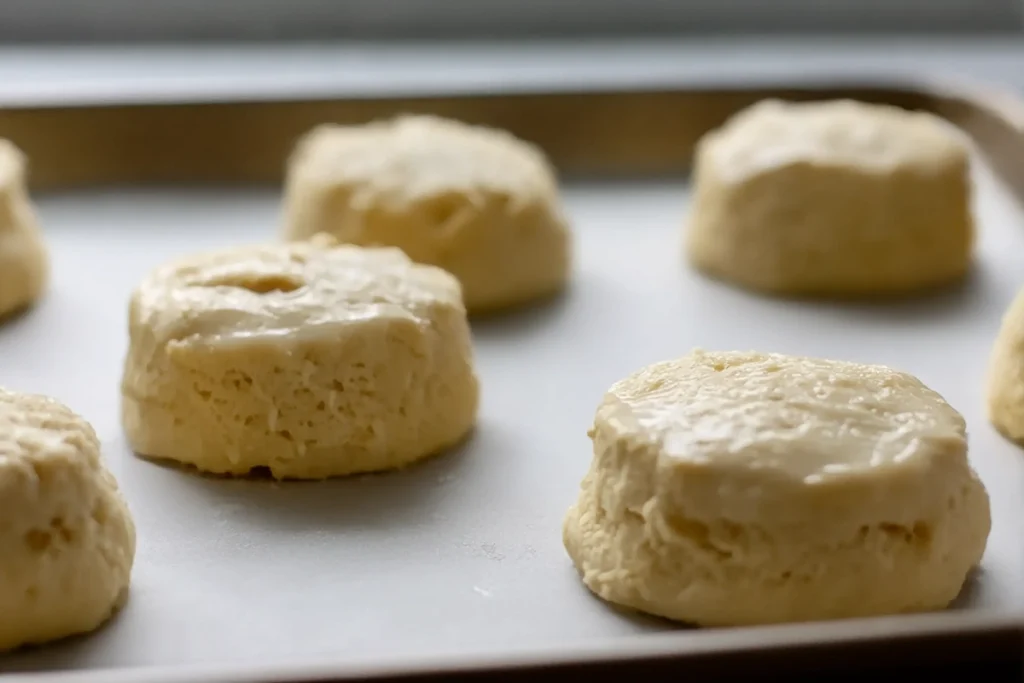
Bake for 12 to 15 minutes, until the tops are lightly golden and the sides feel set. When you tap the top gently, it should feel firm but spring back slightly. Inside, the crumb should be soft, airy, and just set through the center.
Common Scone Mistakes (And How to Avoid Them)
One of the most common issues with scones is overworking the dough. Too much mixing develops gluten, which leads to dense, heavy results. Stop mixing as soon as everything comes together.
Adding too much liquid can make the dough sticky and cause the scones to spread. It’s better to start with less buttermilk and add more only if the dough feels dry. On the other hand, if your dough cracks badly when shaping, a splash more liquid will help.
Flat scones usually mean the butter was too warm or the oven wasn’t hot enough. Keep your butter cold and make sure the oven is fully preheated before baking.
Flavor Variations That Still Bake Well
These scones are a lovely base for simple add-ins. A handful of fresh berries, a spoonful of lemon zest, or a sprinkle of cinnamon can add interest without weighing down the dough.
If you prefer savory scones, reduce the sugar slightly and add shredded cheese or chopped herbs. Buttermilk pairs especially well with sharp cheddar or chives, making the scones perfect alongside soups or eggs.
Keep add-ins modest so the dough can still rise properly and stay light.
Make-Ahead, Storage, and Reheating Tips
You can prepare the dough ahead of time, cut the scones, and refrigerate them for a few hours before baking. This can actually help them hold their shape and rise well.
Once baked, scones are best the day they’re made, but leftovers keep well in an airtight container at room temperature for a day or two. To reheat, warm them in a 300°F oven for a few minutes. This brings back the softness without drying them out.
Baked scones also freeze nicely. Let them cool completely, then freeze and reheat gently when needed.
How We Serve Them at Home
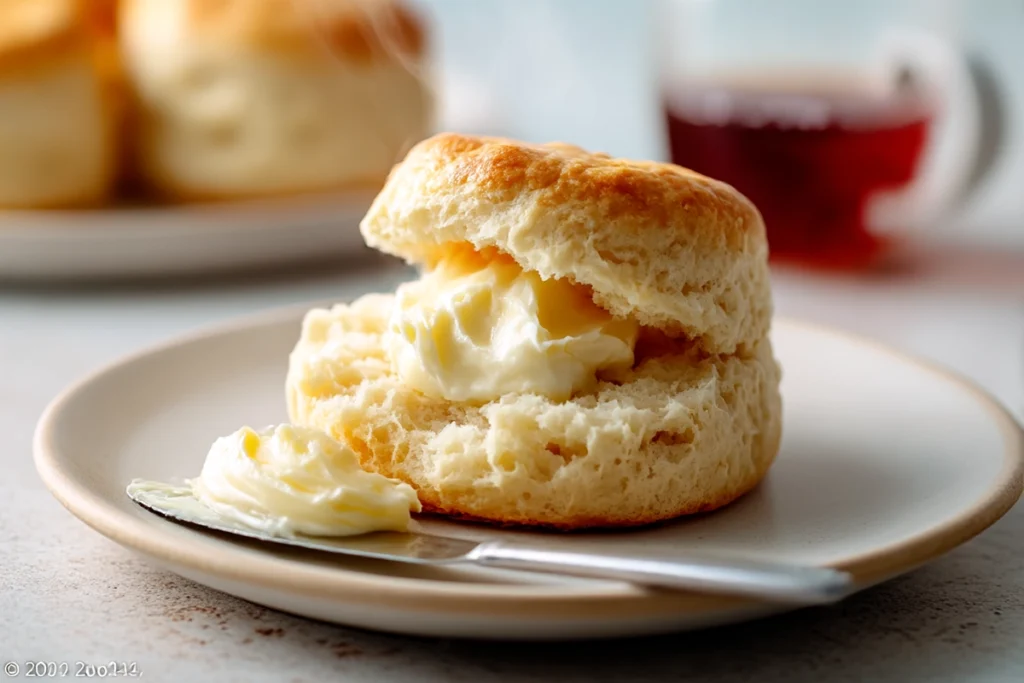
At our table, these scones are usually served warm, split open with a little butter melting into the crumb. Jam is always welcome, especially something slightly tart. On slower mornings, they pair beautifully with coffee or tea, and on busy days, they’re just as good tucked into a napkin on the way out the door.
They don’t need much dressing up. Their charm is in how simple and comforting they are.
There’s something deeply satisfying about baking a batch of fluffy buttermilk scones from scratch. They remind you that good food doesn’t have to be complicated to feel special. With a few careful steps and a little trust in the process, you end up with scones that feel like they’ve always belonged in your kitchen.
FAQ
Why didn’t my buttermilk scones turn out fluffy?
This usually happens when the dough is overmixed or the butter wasn’t cold enough. Scone dough should be handled gently and mixed just until it comes together. Also make sure your oven is fully preheated so the scones get that quick burst of heat they need to rise.
Can I make these scones without buttermilk?
Yes, you can make a simple substitute by mixing regular milk with a little lemon juice or white vinegar and letting it sit for a few minutes. While true buttermilk gives the best flavor and texture, this works well when needed. The scones may be slightly less tangy but will still be tender.
Why are my scones spreading instead of rising?
Spreading usually means the dough was too wet or the butter softened too much before baking. Chilling the cut scones for a few minutes before baking can help them hold their shape. Make sure the dough is moist but still easy to handle, not sticky.
Are buttermilk scones supposed to be soft or crumbly inside?
They should be soft and tender inside with a light, fluffy crumb. If they seem dry or crumbly, they were likely overbaked or had too much flour added. A properly baked scone will feel light when you pick it up and slightly springy in the center.
Print
Fluffy Buttermilk Scones
- Total Time: 25 minutes
- Yield: 8 scones 1x
- Diet: Vegetarian
Description
Soft and tender fluffy buttermilk scones with a light crumb and gentle tang, made from simple pantry ingredients and baked until golden. Perfect for breakfast, brunch, or a cozy afternoon treat.
Ingredients
- 2 cups self-rising flour
- 1 teaspoon baking powder
- 3 tablespoons cold unsalted butter, cubed
- 3 tablespoons granulated sugar
- 1 large egg
- 1/2 to 2/3 cup cold buttermilk, plus 1 tablespoon reserved for brushing
Instructions
- Preheat the oven to 400°F and lightly grease a baking sheet.
- Combine the flour and baking powder in a bowl, then rub in the cold butter until the mixture resembles coarse crumbs.
- Stir in the sugar until evenly mixed.
- Beat the egg with the buttermilk, reserving 1 tablespoon for brushing, and gently mix into the dry ingredients until a soft dough forms.
- Turn the dough onto a lightly floured surface, gently knead, and roll out to about 1 inch thick.
- Cut into rounds, place on the baking sheet, and brush the tops with the reserved egg mixture.
- Bake for 12 to 15 minutes until risen and lightly golden on top.
Notes
- Handle the dough gently to keep the scones light and fluffy.
- If the dough feels too dry, add buttermilk a tablespoon at a time.
- Scones are best enjoyed warm on the day they are baked.
- Prep Time: 10 minutes
- Cook Time: 15 minutes
- Category: Breakfast
- Method: Baking
- Cuisine: British
Nutrition
- Serving Size: 1 scone
- Calories: 220
- Sugar: 6 g
- Sodium: 210 mg
- Fat: 9 g
- Saturated Fat: 5 g
- Unsaturated Fat: 3 g
- Trans Fat: 0 g
- Carbohydrates: 30 g
- Fiber: 1 g
- Protein: 5 g
- Cholesterol: 40 mg