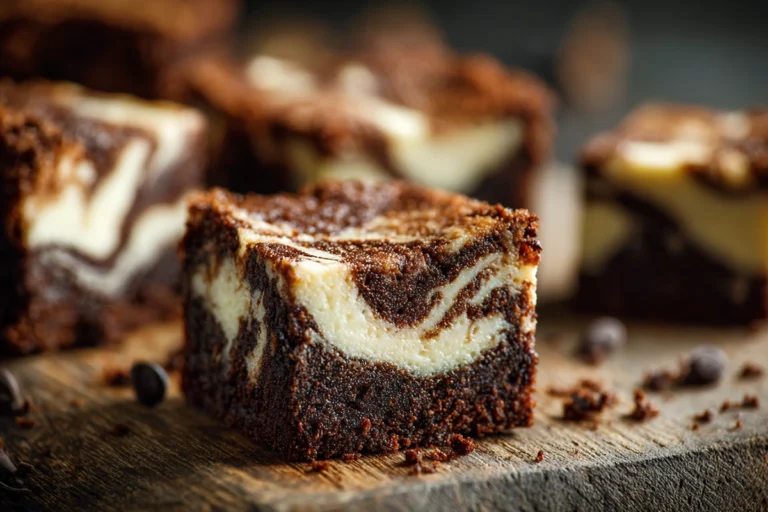
Scones Recipe for Soft, Tender Mornings at Home


There’s something deeply comforting about baking scones on a quiet morning. The kitchen fills with the smell of butter and vanilla, the oven hums softly, and for a little while, everything slows down. This scones recipe is the kind you come back to again and again — simple, reliable, and rooted in real home kitchens. Whether you’re baking for a weekend breakfast, a cozy brunch, or just because you want something warm with your coffee, these homemade scones fit right in.
This is a classic scones recipe that doesn’t try to be fancy. It focuses on good ingredients, gentle handling, and a few small details that make all the difference between dry, crumbly scones and ones that are soft, tender, and just right.
What Makes a Great Scones Recipe (And Why This One Works)
A good scone should feel balanced. It shouldn’t be as flaky as a biscuit or as soft as cake, but somewhere comfortably in between. When you break one open, the inside should be tender with visible layers, not dense or dry. That texture comes from cold butter, the right amount of liquid, and knowing when to stop mixing.
This recipe works because it respects the dough. You keep everything cold, mix just until it comes together, and let the oven do the rest. Over the years, I’ve learned that scones don’t need complicated steps — they just need a gentle hand. If you trust the process and pay attention to how the dough feels, you’ll get beautiful results every time.
Ingredients That Matter (And Where You Can Be Flexible)
Here’s what you’ll need for these homemade scones. Each ingredient has a purpose, but there’s still room to make them your own.
- 2 cups all-purpose flour, plus more for your hands and work surface
- 1/2 cup granulated sugar
- 1/2 teaspoon salt
- 2 1/2 teaspoons baking powder
- 1/2 cup unsalted butter, frozen
- 1/2 cup heavy cream or buttermilk, plus 2 tablespoons for brushing
- 1 large egg
- 1 1/2 teaspoons pure vanilla extract
- 1 to 1 1/2 cups add-ins like chocolate chips, berries, or chopped nuts
- Coarse sugar for topping (optional)
The flour gives structure, while the sugar adds just enough sweetness without overpowering the dough. Baking powder is what gives the scones their lift, and salt keeps everything from tasting flat. The frozen butter is key — as it melts in the oven, it creates steam pockets that lead to a tender, layered crumb.
Ingredient Swaps That Actually Work
If you don’t have heavy cream, buttermilk is a great alternative and adds a subtle tang. You can reduce the sugar slightly if you prefer less sweetness, especially if you’re using sweet add-ins. For flavor, vanilla is classic, but a little lemon or almond extract can change the whole mood without complicating the recipe.

The Method, Explained Like a Real Cook Would
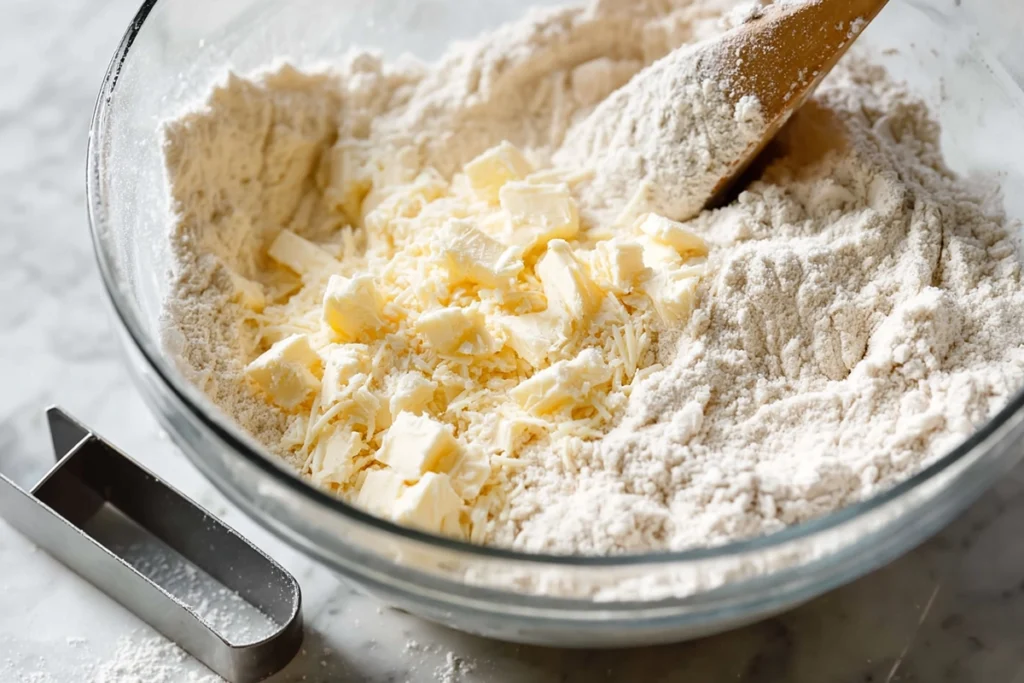
Start by whisking the flour, sugar, salt, and baking powder together in a large bowl. This helps everything distribute evenly so you don’t end up with uneven pockets of sweetness or lift. Grate the frozen butter using a box grater, then add it to the bowl. Use your fingers or a pastry cutter to gently work the butter into the flour until the mixture looks like coarse crumbs with pea-sized bits throughout. That texture is exactly what you want.
Once the butter is mixed in, place the bowl in the refrigerator while you prepare the wet ingredients. In a small bowl, whisk together the heavy cream, egg, and vanilla until smooth. Pour this mixture over the flour mixture, add your chosen add-ins, and gently fold everything together. The dough should look shaggy and slightly sticky, but not wet. If it feels too dry, a tablespoon or two of cream will help. If it’s overly sticky, a light dusting of flour is enough.
Turn the dough out onto a floured surface and bring it together with your hands. There’s no need to knead — just gently press it into a cohesive ball. Flatten it into an 8-inch disc and cut it into wedges, or shape it however you like. Smaller scones bake faster, while larger ones feel more bakery-style.
Timing, Temperature, and Doneness: How to Know They’re Right
Before baking, brushing the tops with a little cream helps the scones brown beautifully. A sprinkle of coarse sugar adds a pleasant crunch, but it’s completely optional. For best results, chill the shaped scones in the refrigerator for about 15 minutes. This step helps prevent spreading and keeps the butter cold.
Bake the scones in a 400°F oven until they’re lightly golden on top and deeper golden around the edges. Depending on their size, this can take anywhere from 18 to 26 minutes. You’ll know they’re done when the tops feel set and the centers look fully baked, not glossy or doughy.

Common Scone Problems and How to Fix Them
If your scones spread too much, the butter may have warmed up before baking. Chilling the dough usually solves that. Dry scones often come from overmixing or adding too much flour. Trust the dough — it’s okay if it feels a little sticky. Uneven browning can usually be fixed by rotating the baking sheet halfway through baking.
Flavor Variations You’ll Actually Want to Bake Again
This easy scones base is incredibly versatile. Chocolate chips are always a favorite, but fresh or frozen berries work just as well. If you’re using frozen fruit, add it straight from the freezer to avoid excess moisture. Chopped nuts add texture, while citrus zest brightens the flavor.
For savory scones, reduce the sugar slightly and skip the vanilla. Add shredded cheese, herbs, or cooked bacon for something a little different that still feels comforting.
Make-Ahead, Storage, and Freezer Tips for Real Life
One of the best things about this classic scones recipe is how well it fits into busy schedules. You can shape the dough and refrigerate it overnight, then bake fresh scones in the morning. Unbaked scones also freeze beautifully. Freeze them solid, then store in a freezer-safe bag and bake straight from frozen, adding a few extra minutes to the baking time.
Baked scones keep well at room temperature for up to two days or in the refrigerator for about five days. To reheat, a few minutes in a 300°F oven brings them back to life without drying them out.
How to Serve Scones Beyond Just Butter
Warm scones are lovely on their own, but they also pair beautifully with jam, honey, or a light glaze. For brunch, serve them alongside fresh fruit and coffee. They’re also a thoughtful addition to holiday breakfasts or casual gatherings, where something homemade always feels special.

FAQ
Why did my scones turn out dry instead of soft?
Dry scones usually mean the dough was overmixed or too much flour was added. Scone dough should look a little shaggy and feel slightly sticky before baking. Next time, stop mixing as soon as everything is combined and trust that the oven will finish the job.
Can I make this scones recipe without heavy cream?
Yes, you can use buttermilk instead of heavy cream with good results. The texture will be a bit lighter and slightly tangy, but still tender and delicious. Just keep everything cold and avoid overworking the dough.
Is it normal for scone dough to be sticky?
Yes, slightly sticky dough is completely normal for homemade scones. If the dough feels very wet, a light dusting of flour on your hands is usually enough. Adding too much flour can lead to dense or dry scones.
Can I freeze scones before baking?
Absolutely, freezing unbaked scones works very well. Shape the dough, freeze the scones solid, then bake them straight from the freezer with a few extra minutes added to the bake time. This is a great way to enjoy fresh scones whenever you want.
Print
Scones Recipe
- Total Time: 1 hour
- Yield: 8 scones 1x
- Diet: Vegetarian
Description
This classic scones recipe makes soft, tender homemade scones with a lightly crisp exterior. Simple ingredients, gentle handling, and reliable results make these perfect for breakfast, brunch, or cozy mornings at home.
Ingredients
- 2 cups all-purpose flour
- 1/2 cup granulated sugar
- 1/2 teaspoon salt
- 2 1/2 teaspoons baking powder
- 1/2 cup unsalted butter, frozen
- 1/2 cup heavy cream or buttermilk
- 1 large egg
- 1 1/2 teaspoons vanilla extract
- 1 to 1 1/2 cups add-ins (chocolate chips, berries, or nuts)
- 2 tablespoons heavy cream for brushing
- Coarse sugar for topping (optional)
Instructions
- Whisk the flour, sugar, salt, and baking powder together in a large bowl.
- Grate the frozen butter and gently mix it into the flour mixture until pea-sized crumbs form.
- Whisk the heavy cream, egg, and vanilla in a separate bowl.
- Pour the wet ingredients over the dry ingredients, add the mix-ins, and gently combine until a shaggy dough forms.
- Turn the dough onto a floured surface and gently shape into an 8-inch disc.
- Cut into wedges and place on a lined baking sheet.
- Brush the tops with cream and sprinkle with coarse sugar if desired.
- Chill the scones for 15 minutes.
- Bake in a 400°F oven until lightly golden and set in the center.
- Cool slightly before serving.
Notes
- Keep all ingredients cold for the best texture.
- Do not overmix the dough or the scones may turn out dense.
- Scones can be frozen unbaked and baked straight from the freezer with extra bake time.
- Leftover scones keep well at room temperature for 2 days or refrigerated for up to 5 days.
- Prep Time: 30 minutes
- Cook Time: 25 minutes
- Category: Breakfast
- Method: Baking
- Cuisine: American
Nutrition
- Serving Size: 1 scone
- Calories: 320
- Sugar: 14 g
- Sodium: 240 mg
- Fat: 16 g
- Saturated Fat: 9 g
- Unsaturated Fat: 6 g
- Trans Fat: 0 g
- Carbohydrates: 40 g
- Fiber: 1 g
- Protein: 5 g
- Cholesterol: 55 mg