
Frittata with Asparagus Leek Ricotta for Easy Spring Brunches
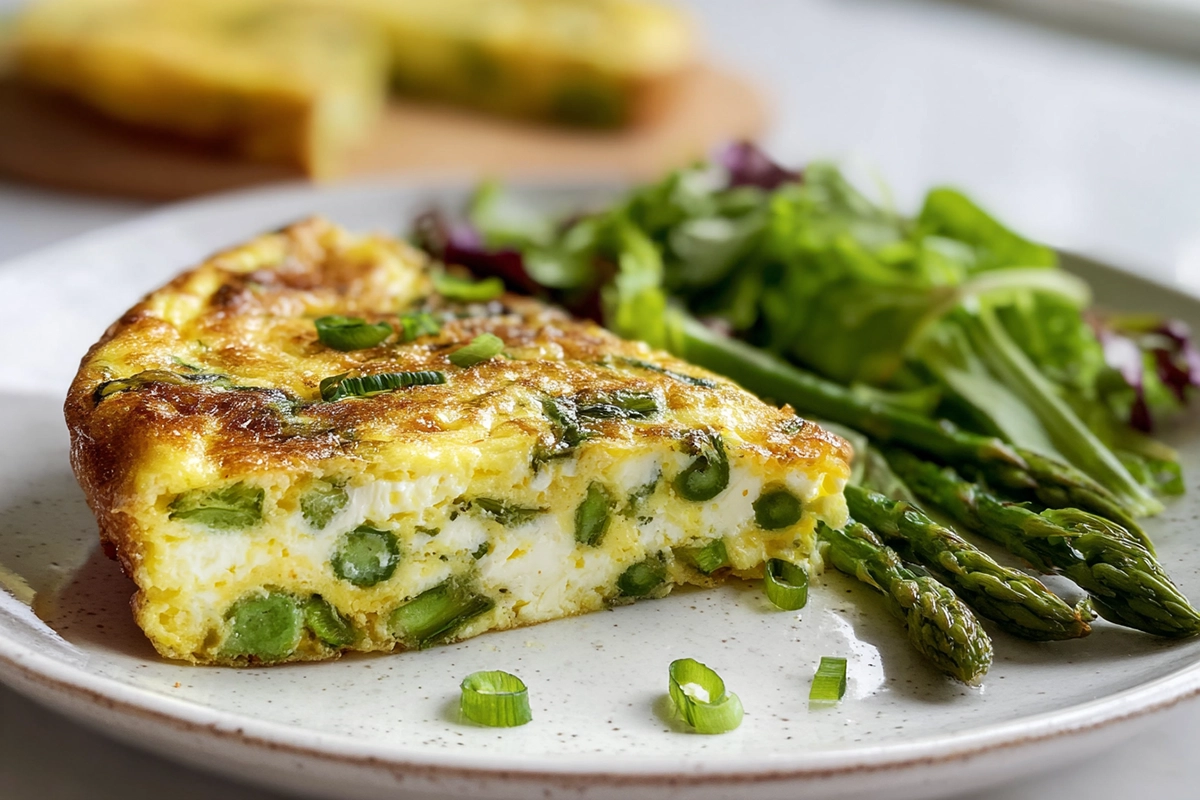
Some mornings call for something a little slower, a little gentler. The kind of meal you make when the kitchen is quiet, the light is good, and you want breakfast to feel like more than just fuel. That’s where this Frittata with Asparagus Leek Ricotta fits in. It’s the kind of dish you pull together in one skillet, using simple ingredients that feel fresh and familiar, and it always seems to disappear faster than you expect.
If you’ve ever stood at the stove wondering how to turn a handful of eggs and vegetables into something comforting but still special, this frittata is for you. It’s perfect for spring weekends, casual brunches, or even an easy dinner when you don’t want to overthink things.
Table of Contents
Why This Asparagus, Leek & Ricotta Frittata Works So Well
This frittata works because everything has a purpose. The eggs provide structure and warmth, the leeks melt down into a soft, almost sweet base, and the asparagus adds just enough bite to keep things interesting. Ricotta brings creaminess without heaviness, so every slice feels light but satisfying.
What really makes it reliable is how evenly everything cooks. Leeks and asparagus soften at about the same pace, which means you’re not left with crunchy vegetables or watery pockets. The stovetop-to-broiler method finishes the eggs gently, giving you a tender center and a lightly golden top without drying anything out. It’s the kind of recipe that feels forgiving, even if you’re not usually confident with eggs.
Ingredients That Matter (And How to Prep Them Right)
You don’t need anything fancy here, but a little attention to prep makes a big difference.
- 8 large eggs
- ¼ cup crème fraîche
- ½ teaspoon salt
- ¼ teaspoon ground black pepper
- 2 tablespoons extra-virgin olive oil
- 3 cups thinly sliced leeks (about 2 medium), rinsed well and patted dry
- 1 pound asparagus, trimmed and cut into 1-inch pieces
- ¼ cup part-skim ricotta cheese
- 2 tablespoons pesto
- ¼ cup fresh basil, torn or sliced
Leeks are worth the extra minute of care. Slice them thin, then rinse thoroughly to remove any grit hiding between the layers. Drying them well helps them sauté instead of steam. Asparagus should be trimmed and cut evenly so it cooks at the same rate throughout the pan.

Ingredient Swaps That Keep the Recipe Balanced
If you don’t have crème fraîche, sour cream works in a pinch and still keeps the eggs tender. Whole-milk ricotta will make the frittata richer, while part-skim keeps it lighter. You can swap basil for chives or parsley if that’s what you have, and a mild green pesto works best so it doesn’t overpower the eggs.
The Cooking Method: Skillet First, Broiler Finish
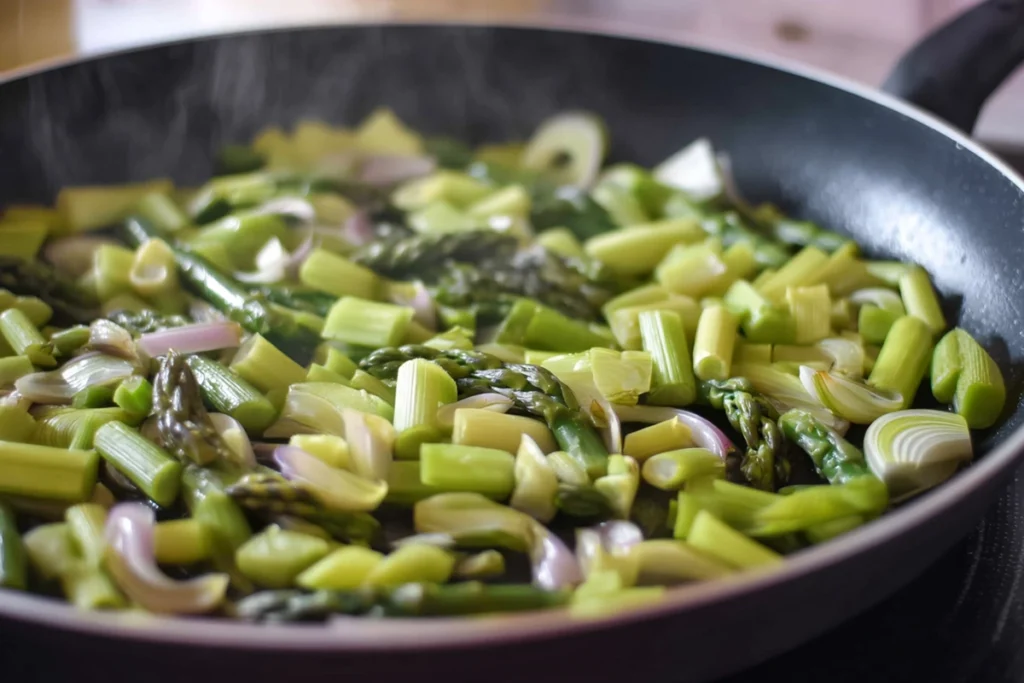
This frittata starts on the stovetop, where you build flavor and soften the vegetables before the eggs ever hit the pan. That step is key. Cooking the vegetables first ensures they’re tender and evenly distributed, rather than sinking or releasing moisture later.
Finishing under the broiler lets the top set gently. Instead of flipping or baking the whole dish, you get control and speed. The eggs puff slightly, the ricotta warms into soft pockets, and the top takes on just a hint of color. It’s simple, but it makes all the difference.
Timing, Doneness, and Texture Cues (Where Most Frittatas Go Wrong)
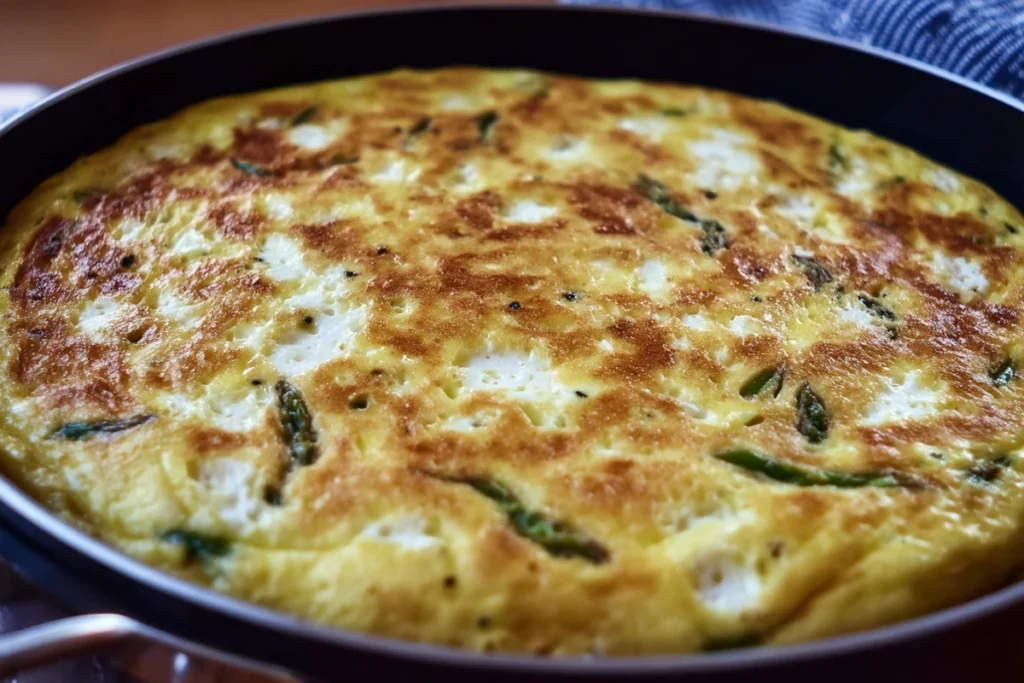
Frittatas don’t fail because of ingredients. They fail because of timing. When you pour the eggs over the vegetables, you want to see the edges begin to set almost immediately. As the center stays slightly loose, gently lift the edges with a spatula so uncooked egg flows underneath.
You’re looking for a surface that’s mostly set but still glossy before it goes under the broiler. Once broiled, the top should look just firm, with no wet spots, but still jiggle slightly when you move the pan. Letting the frittata rest for a few minutes after cooking allows everything to settle, making cleaner slices and a softer texture.
Common Mistakes to Avoid With Vegetable Frittatas
One of the most common mistakes is overcrowding the pan. Too many vegetables release too much moisture, which can leave the eggs watery. Stick to the amounts listed, especially if you’re new to making frittatas.
Another issue is heat that’s too high. Medium-high is enough to soften the vegetables without browning them too fast. Finally, don’t skip the rest time. Cutting into the frittata immediately can cause it to fall apart, even if it’s fully cooked.
Variations That Make Sense for Real Kitchens
This recipe adapts well to what you already have. For a heartier brunch, add a handful of shredded mozzarella or fontina before broiling. If you want something lighter, serve smaller slices with a bright salad on the side.
Seasonal swaps work best when they cook similarly to asparagus. Thin zucchini slices, peas, or baby spinach can all step in. If you use spinach, sauté it briefly first to remove excess moisture. Small changes keep the recipe fresh without changing its easy nature.
Make-Ahead, Storage, and Reheating Tips
You can make this frittata a few hours ahead and serve it at room temperature, which makes it ideal for brunch gatherings. Once cooled, cover it loosely and leave it out for up to two hours.
Leftovers keep well in the refrigerator for up to three days. Reheat gently in a low oven or microwave just until warmed through. Overheating can dry out the eggs, so go slow. This frittata is also surprisingly good cold, straight from the fridge, especially on busy mornings.
What to Serve With This Frittata
A simple arugula salad with lemon and olive oil pairs beautifully with the richness of the eggs and ricotta. Crusty bread or toast helps turn it into a complete meal, especially for brunch. If you’re serving it for dinner, roasted potatoes or fresh fruit on the side keep things balanced without feeling heavy.
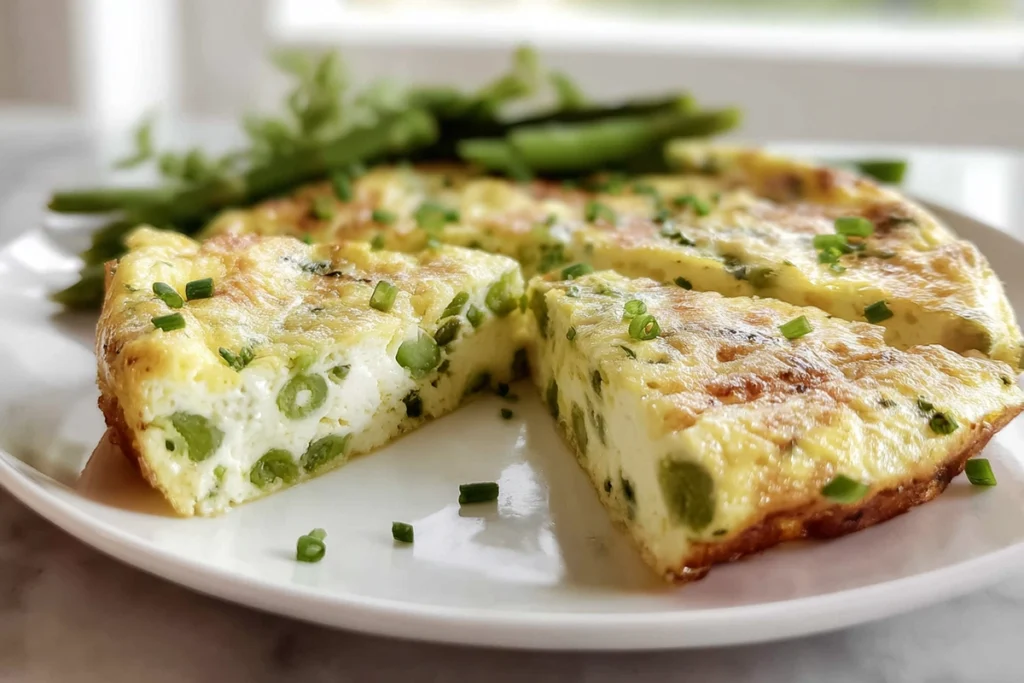
This Vegetarian frittata also works well as part of a larger spread, where guests can take small slices and come back for more.
Dietary Variations
This recipe is naturally gluten-free, making it easy to serve to a mixed crowd. For a lower-dairy option, you can reduce the ricotta slightly and skip the crème fraîche, though the texture will be a bit firmer. Dairy-free versions are trickier with eggs, but using a plant-based ricotta alternative can work if it’s thick and mild in flavor.
However you serve it, this Frittata with Asparagus Leek Ricotta has a way of feeling both easy and thoughtful. It’s the kind of recipe you come back to when you want something dependable, comforting, and just a little special—proof that simple ingredients, handled with care, can still feel like a small gift from your kitchen to the people you love.
Get inspired with more mouthwatering recipes! Follow me on Facebook and Pinterest for new cooking ideas every week.
FAQ
Can I make this frittata without a cast-iron skillet?
Yes, you can use any oven-safe skillet that’s about 10 inches wide. Just make sure the handle can go under the broiler safely. If your skillet isn’t oven-safe, you can transfer the mixture to a lightly greased baking dish and finish it in a hot oven instead.
How do I know when the frittata is fully cooked?
The frittata is done when the center is just set and no longer looks wet, but it should still have a slight jiggle. The top will look lightly puffed and may have a little color from the broiler. If it feels firm all the way through, it may already be overcooked.
Can I use frozen asparagus instead of fresh?
Frozen asparagus isn’t ideal for this recipe because it releases a lot of moisture as it cooks. That extra liquid can make the frittata watery. If frozen is all you have, thaw it completely and pat it very dry before adding it to the skillet.
Why did my frittata sink or deflate after cooking?
A little settling as it cools is completely normal for frittatas. Eggs naturally puff up with heat and relax once they come out of the oven. As long as the texture is tender and not watery, your frittata turned out just fine.
Can this frittata be served cold or at room temperature?
Yes, this frittata tastes great warm, at room temperature, or even cold. That makes it a good option for brunch spreads or make-ahead meals. Just store leftovers in the fridge and enjoy them within a few days.
Print
Frittata with Asparagus Leek Ricotta
- Total Time: 20 minutes
- Yield: 4 servings 1x
- Diet: Vegetarian
Description
A comforting spring frittata made with tender asparagus, sweet leeks, and creamy ricotta. This one-skillet recipe is easy to prepare and works beautifully for brunch, lunch, or a light dinner.
Ingredients
- 8 large eggs
- 1/4 cup crème fraîche
- 1/2 teaspoon salt
- 1/4 teaspoon ground black pepper
- 2 tablespoons extra-virgin olive oil
- 3 cups thinly sliced leeks, rinsed and dried
- 1 pound asparagus, trimmed and cut into 1-inch pieces
- 1/4 cup part-skim ricotta cheese
- 2 tablespoons pesto
- 1/4 cup fresh basil, torn
Instructions
- Preheat the broiler and position a rack in the upper third of the oven.
- Whisk the eggs, crème fraîche, salt, and pepper in a bowl until smooth and set aside.
- Heat the olive oil in a large oven-safe skillet over medium-high heat, then add the leeks and asparagus and cook until softened.
- Pour the egg mixture over the vegetables and gently lift the edges as the eggs begin to set.
- Dollop the ricotta and pesto over the surface and transfer the skillet under the broiler.
- Broil until the top is just set and lightly golden, then remove and let rest briefly before serving.
- Finish with fresh basil and slice to serve.
Notes
- This frittata cooks quickly, so have all ingredients prepped before you start.
- Avoid overcooking to keep the eggs tender and creamy.
- Leftovers can be stored in the refrigerator for up to three days.
- Prep Time: 10 minutes
- Cook Time: 10 minutes
- Category: Breakfast
- Method: Skillet
- Cuisine: American
Nutrition
- Serving Size: 1 slice
- Calories: 260
- Sugar: 3 g
- Sodium: 420 mg
- Fat: 18 g
- Saturated Fat: 6 g
- Unsaturated Fat: 11 g
- Trans Fat: 0 g
- Carbohydrates: 7 g
- Fiber: 2 g
- Protein: 15 g
- Cholesterol: 215 mg
What Are Our Readers Saying?
There are no reviews yet. Be the first one to write one.