Ground Beef Enchiladas: Juicy Filling, Soaked Tortillas, Melted Cheese

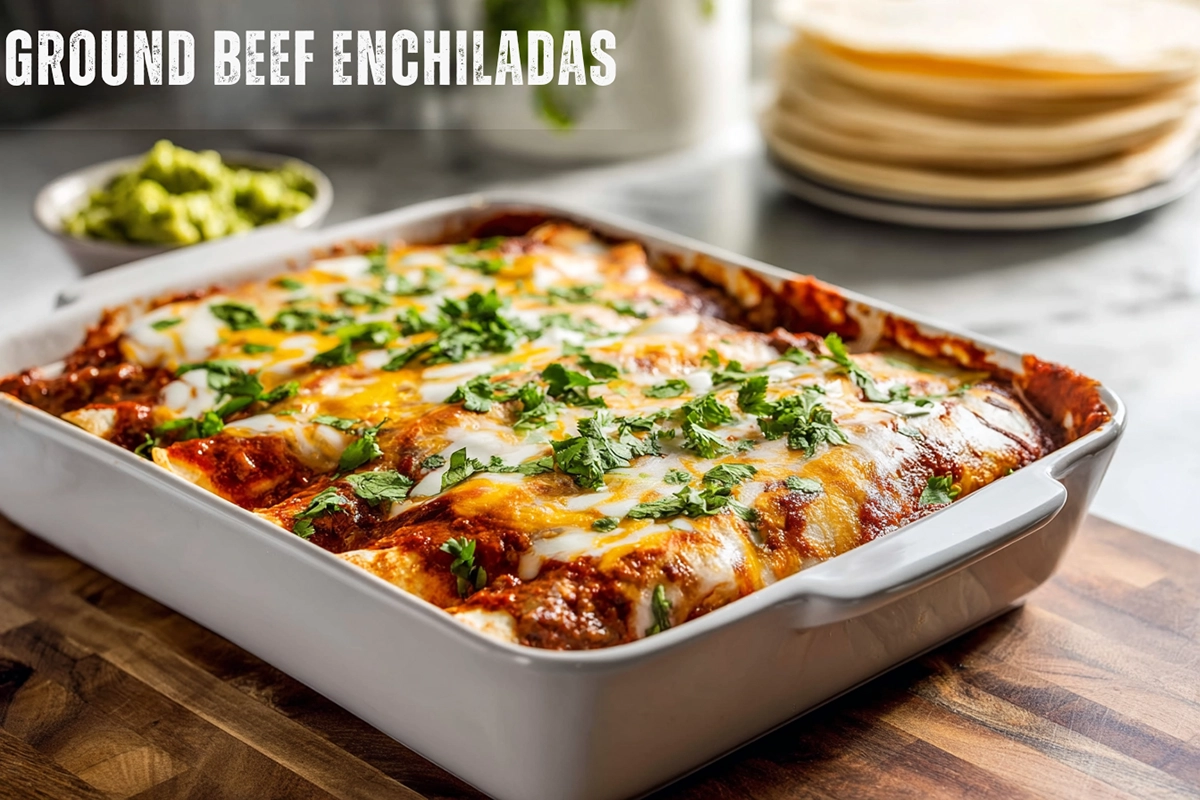
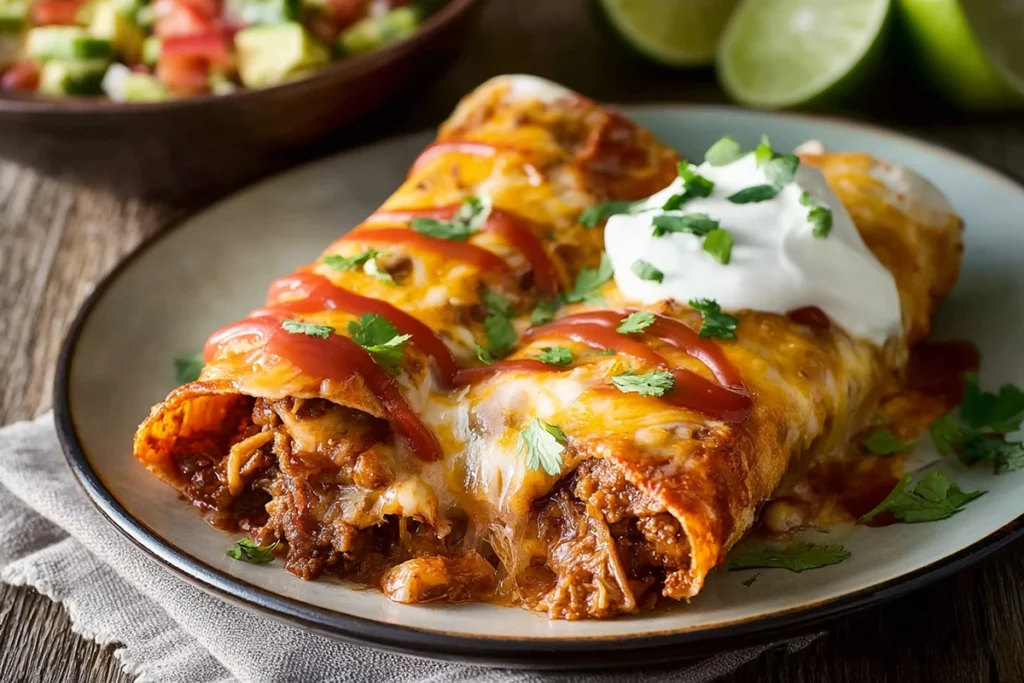
The pan comes out of the oven alive—edges hissing, sauce thickened just enough to cling, cheese melted into the seams where tortillas overlap. You can smell toasted chili powder and cumin warming up in the sauce, onion softened down into the beef, and that unmistakable dairy note when cheese finally gives in to heat. This is the payoff people want from enchiladas: soft tortillas that don’t crack, a filling that stays juicy after baking, and a top that melts instead of turning rubbery.
What trips most home cooks up isn’t the seasoning or the beef. It’s the small decisions that happen before anything goes into the oven. Tortillas rolled cold. Beef cooked too dry. Sauce treated like a garnish instead of part of the structure. Miss any one of those, and you end up with enchiladas that slide apart or bake up bland in the center.
These Ground Beef Enchiladas are built to solve those problems. The beef is seasoned and cooked so it holds moisture through the bake. The tortillas are handled with intention so they soften without tearing. The sauce goes where it matters—inside and out—so every bite tastes finished, not layered after the fact. And the cheese is used for what it does best: binding and melting, not drowning everything underneath.
From here, the process matters more than the shopping list. Once you understand the order—what gets warmed, what gets sauced, and when the oven does its real work—the rest falls into place.
Table of Contents
Building the Beef Filling So It Stays Juicy After Baking
The filling for these Ground Beef Enchiladas isn’t about piling in ingredients—it’s about controlling moisture and flavor so the beef survives a second trip through the oven. Ground beef is forgiving, but it dries out fast if it’s cooked too aggressively or left unseasoned until the end. Here, the beef is browned with onion so it absorbs flavor early, then layered with spices before any sauce is added. That order matters. Spices bloom in fat, not liquid, and that’s what keeps the filling savory instead of flat.
Onion plays a quiet but critical role. As it softens, it releases just enough moisture to keep the beef from tightening up. Garlic comes in later so it stays aromatic instead of bitter. This balance is what keeps the enchiladas juicy inside even after they’ve baked and rested.
- Ground beef: A standard lean blend works best; ultra-lean beef dries out too quickly in the oven.
- Onion: Finely chopped so it melts into the meat and adds moisture without texture.
- Garlic: Added after browning to keep its flavor warm, not sharp.
- Chili powder & cumin: These go in before sauce so the beef tastes seasoned all the way through.

Sauce Isn’t Just a Topping — It’s a Structural Ingredient
In ground beef enchiladas, the sauce isn’t decoration—it’s part of how the dish cooks. Enchilada sauce softens the tortillas, carries heat evenly, and ties the filling and cheese together. Using it only on top leaves the centers dry and the tortillas stiff. Using too much turns the pan soupy.
The sauce needs to coat, not flood. A thin layer in the pan prevents sticking and starts softening the tortillas from below. A small amount inside each enchilada keeps the filling cohesive. The rest finishes the top so everything bakes as one.
If you’re choosing between sauces, a classic red enchilada sauce gives the most reliable result here. Mild is fine if you want family-friendly heat, but it still needs enough body to cling.
- Red enchilada sauce: Thick enough to coat tortillas; watery sauces won’t do the structural work.
- Salt awareness: If your sauce is salty, go lighter on seasoning the beef early.
Cheese Placement: Why Where You Sprinkle Matters
Cheese does more than melt—it binds. Putting all the cheese on top creates a blanket that looks good but doesn’t help the filling. Splitting it between inside and out means every bite holds together and tastes finished.
A good melting cheese matters here. Pre-shredded blends are convenient and work fine, but they melt best when paired with enough sauce to protect them from direct heat. Too much cheese on top, uncovered by sauce, is how you end up with greasy patches instead of a smooth layer.
- Shredded cheese blend: Melts evenly and bridges filling to tortilla.
- Cheese inside the enchiladas: Helps the beef stay cohesive after slicing.
- Cheese on top: Should be sauced lightly so it melts, not bakes dry.
The Tortillas That Bend Instead of Breaking
Tortillas are the quiet backbone of ground beef enchiladas. Cold tortillas crack. Dry tortillas resist sauce. The goal is flexibility before assembly so they roll cleanly and absorb flavor in the oven.
Corn tortillas bring traditional flavor but need gentle warming to become pliable. Flour tortillas roll easily but soften faster, so sauce balance becomes even more important. Either works, as long as they’re warmed before filling—this step isn’t optional.
- Corn or flour tortillas: Choose based on texture preference, but warm them first no matter what.
- Light oil or microwave warming: Enough to make them bend without frying.
Assembly Order That Keeps Everything Where It Belongs
The pan gets sauced first, and this isn’t optional. A thin layer of enchilada sauce on the bottom should look glossy, not pooled—it’s there to prevent sticking and to start softening the tortillas from underneath. Warm tortillas before filling; they should bend without cracking and feel relaxed in your hands, not stiff. When you spoon in the beef mixture, keep it centered and restrained—overfilling is how enchiladas burst open in the oven.

As you roll, aim for snug, not tight. You should feel gentle resistance, like rolling a towel, not squeezing toothpaste. Place each enchilada seam-side down so the sauce and heat lock it closed. Once the pan is filled, spoon sauce over the top until the tortillas look evenly coated, then finish with cheese where it can melt into the seams.
Oven Timing: Pulling Them at the Right Second
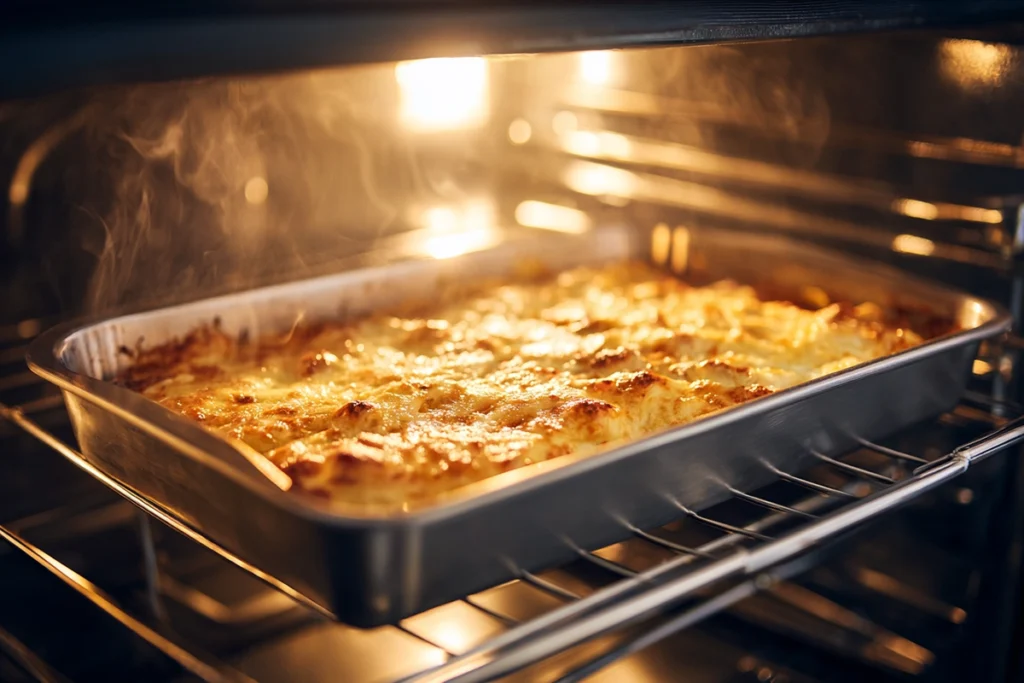
These baked enchiladas don’t announce they’re done with a timer—they show you. Listen for a steady sizzle around the edges, not silence and not violent bubbling. The cheese should be fully melted and slightly sunken into the sauce, with small bubbles breaking through at the corners. If the top looks dry, it’s gone too far.
When you pull the pan, the sauce should look thicker than when it went in, clinging instead of running. Let the enchiladas rest briefly; the sound will quiet, and the surface will settle. This pause helps everything hold together when you serve, especially for easy ground beef enchiladas meant to be sliced cleanly.
Common Enchilada Problems (And How to Correct Them Mid-Cook)
If tortillas split as you roll, they weren’t warm enough—stop and reheat before continuing. A watery bottom means too much sauce early or beef that released excess moisture; you’ll see liquid collecting instead of simmering. If the top starts to brown before the center is hot, lightly spoon more sauce over the cheese to protect it.
Dry centers usually come from high heat rather than time. The smell tells you the truth: you want warmed spices and mellow onion, not scorched chili powder. Adjust as you go—these techniques are forgiving when you pay attention.
Make It Your Own (Without Breaking the Dish)
There’s room to adjust these enchiladas, but only if the structure stays intact. If you have leftover rotisserie chicken, shred it cold and fold it into the sauce with a small splash of broth so it reheats gently in the oven. Ground turkey can work in place of beef, but it needs extra attention—cook it with a bit more onion and don’t rush the browning, or it will dry out fast.
Black beans are a safe add-in if you want to stretch the filling, but keep them rinsed and well-drained so they don’t water down the sauce. What doesn’t work well is swapping in ultra-lean meat or skipping the sauce inside the tortillas; both lead to dry, split enchiladas no matter how much cheese you add on top.
How I Serve These at the Table
Ground Beef Enchiladas are rich by design, so what you serve alongside them should either cool things down or soak up sauce. A simple shredded lettuce salad with a sharp vinaigrette cuts through the cheese without competing. Spanish rice works when you want a full plate, especially because it catches the extra sauce at the bottom of the pan.
If you’re serving a crowd, set out sour cream, sliced avocado, or a spoon of pico de gallo—but keep toppings light. Too many add-ons bury the flavor you just worked to build. These enchiladas hold their own when they’re allowed to.
A Few Final Guardrails Worth Remembering
Don’t overfill. It’s tempting, and it’s always the reason enchiladas split open. Don’t rush the rest after baking—the sauce needs that short pause to tighten up. And if something feels off while assembling, stop and fix it. Warm the tortillas again. Add a spoon of sauce. This is forgiving food if you stay present.
Ground Beef Enchiladas are the kind of meal that reward attention more than precision. When the pan hits the table bubbling and steady, when the tortillas stay soft and the filling holds together, you’ll know you got it right—and it’ll be a dish worth coming back to.
Get inspired with more mouthwatering recipes! Follow me on Facebook and Pinterest for new cooking ideas every week.
FAQ
Can I make ground beef enchiladas ahead of time?
Yes, you can assemble them a few hours ahead and keep them covered in the refrigerator. Just wait to add the final layer of sauce and cheese until right before baking so the tortillas don’t absorb too much moisture and turn mushy.
Why are my enchiladas coming out soggy on the bottom?
This usually means there was too much sauce in the pan or the beef released excess moisture while baking. You want a thin, even coating of sauce on the bottom, not a pool, and the beef should be cooked until no liquid remains before assembly.
Should I use corn or flour tortillas for ground beef enchiladas?
Both work, but they behave differently. Corn tortillas give a more traditional flavor and need proper warming to prevent cracking, while flour tortillas roll easily but soften faster and need careful sauce balance to avoid sogginess.
Can I freeze ground beef enchiladas?
Yes, they freeze well either baked or unbaked. Let them cool completely, wrap tightly, and freeze; when reheating, cover with foil so the tortillas heat through without drying out.
Is it normal for enchiladas to look loose right out of the oven?
Yes, that’s normal. The sauce and cheese need a few minutes to settle after baking, and they’ll firm up slightly as the pan rests, making the enchiladas easier to serve.
Print
Ground Beef Enchiladas
- Total Time: 45 minutes
- Yield: 6 servings 1x
Description
These ground beef enchiladas are baked until bubbly with soft tortillas, rich red enchilada sauce, and melty cheese. Built with simple techniques that keep the filling juicy and the structure intact, they’re dependable Tex-Mex comfort food made for real home kitchens.
Ingredients
- 1 pound ground beef
- 1 small onion, finely chopped
- 2 cloves garlic, minced
- 2 teaspoons chili powder
- 1 teaspoon ground cumin
- Salt, to taste
- 2 cups red enchilada sauce
- 2 cups shredded cheese blend
- 10 corn or flour tortillas
- Cooking oil or spray, for warming tortillas
Instructions
- Brown the ground beef with the chopped onion until the meat is cooked through and no liquid remains, then stir in garlic, spices, and salt until fragrant.
- Warm the tortillas until flexible so they roll without cracking.
- Spread a thin layer of enchilada sauce in a baking dish to prevent sticking.
- Fill each tortilla with beef, a small amount of sauce, and cheese, then roll snugly and place seam-side down in the dish.
- Spoon remaining sauce evenly over the enchiladas and top with the remaining cheese.
- Bake until the sauce bubbles around the edges and the cheese is fully melted, then rest briefly before serving.
Notes
- Warm tortillas before filling to prevent cracking.
- Do not overfill or the enchiladas may split while baking.
- Let the pan rest for a few minutes after baking so the sauce can set.
- Prep Time: 20 minutes
- Cook Time: 25 minutes
- Category: Dinner
- Method: Baking
- Cuisine: Tex-Mex
Nutrition
- Serving Size: 1 enchilada
- Calories: 420
- Sugar: 4
- Sodium: 920
- Fat: 24
- Saturated Fat: 11
- Unsaturated Fat: 11
- Trans Fat: 1
- Carbohydrates: 28
- Fiber: 3
- Protein: 24
- Cholesterol: 85