Meal Prep Chicken That Actually Makes the Week Easier

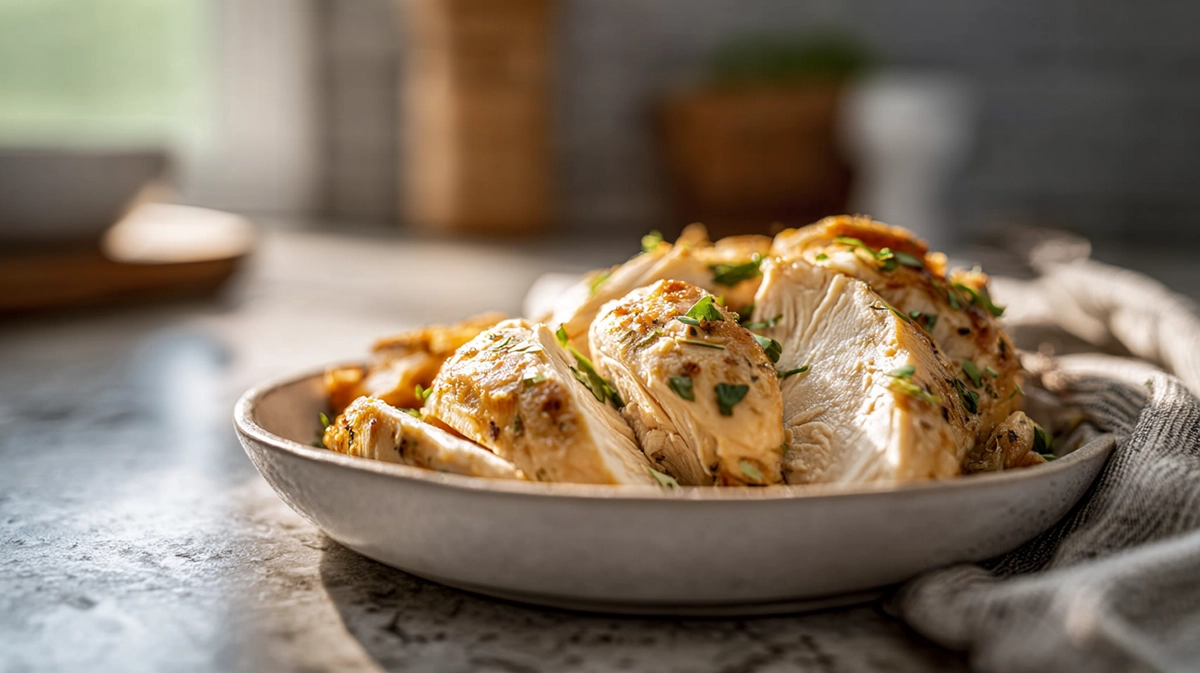
There’s a very specific kind of relief that comes from opening the fridge on a busy weeknight and realizing dinner is already halfway done. For me, that relief almost always comes from meal prep chicken. It’s not flashy, it’s not complicated, but it’s dependable in the way the best family recipes always are. When the week gets long and everyone’s hungry at different times, having cooked chicken ready to go feels like a small act of kindness you did for yourself a few days earlier.
This isn’t about one perfect recipe. This is about learning how to prep chicken in a way that stays juicy, reheats well, and actually gets eaten instead of forgotten in the back of the fridge. Once you understand the basics, you can adapt it to your family, your schedule, and the flavors you love most.
Choosing the Right Chicken for Meal Prep (It Matters More Than You Think)
The cut of chicken you choose has a bigger impact on your results than most people realize. Texture, moisture, and how well the chicken reheats all start here.
Boneless, skinless chicken breasts are the most common choice, especially if you’re aiming for healthy chicken meal prep. They’re lean, mild in flavor, and easy to season in different ways throughout the week. When cooked gently and not sliced too early, they can stay surprisingly juicy.

Boneless, skinless chicken thighs are my other go-to, especially if you plan to use a slow cooker or Instant Pot. Thighs have a little more fat, which means they’re more forgiving and tend to reheat better. If you’ve ever been disappointed by dry leftover chicken, thighs are often the fix.
I usually skip skin-on cuts for meal prep. The skin loses its crispness in the fridge and turns soft after reheating, which isn’t very appealing. Bone-in cuts can work, but they’re messier to eat and harder to portion for quick lunches.
Whole Chicken as a Budget Stretch Option
If you’re feeding a family or trying to stretch your grocery budget, cooking a whole chicken can be a smart move. One roasted or pressure-cooked chicken can turn into several meals: sliced breast meat for bowls, shredded dark meat for wraps, and even bones for broth. It takes a little more upfront effort, but the payoff lasts all week.
Should You Wash Chicken? A Real-Kitchen Answer
This question comes up every time someone talks about cooking chicken, and it always sparks strong opinions. I fall into the camp of not washing chicken before cooking it.
The reason is simple. Any bacteria on raw chicken are killed when the chicken is cooked to an internal temperature of 165°F. Washing it doesn’t remove those bacteria, but it can spread them around your sink, counters, and nearby dishes through splashing.
That said, I also know many home cooks have washed chicken their whole lives and clean their kitchens thoroughly afterward. If that’s you, I’m not here to argue. What matters most is safe cooking, proper cleanup, and not leaving raw chicken sitting out too long. Cook it well, clean up carefully, and you’ll be just fine.
Core Meal Prep Methods (Pick One or Mix Them)
One of the best things about easy chicken meal prep is that there’s no single right way to do it. Your schedule, equipment, and flavor preferences all matter. Some weeks you might bake everything at once. Other weeks you might split it between the stovetop and the slow cooker.
Oven-Baked Chicken for Hands-Off Prep
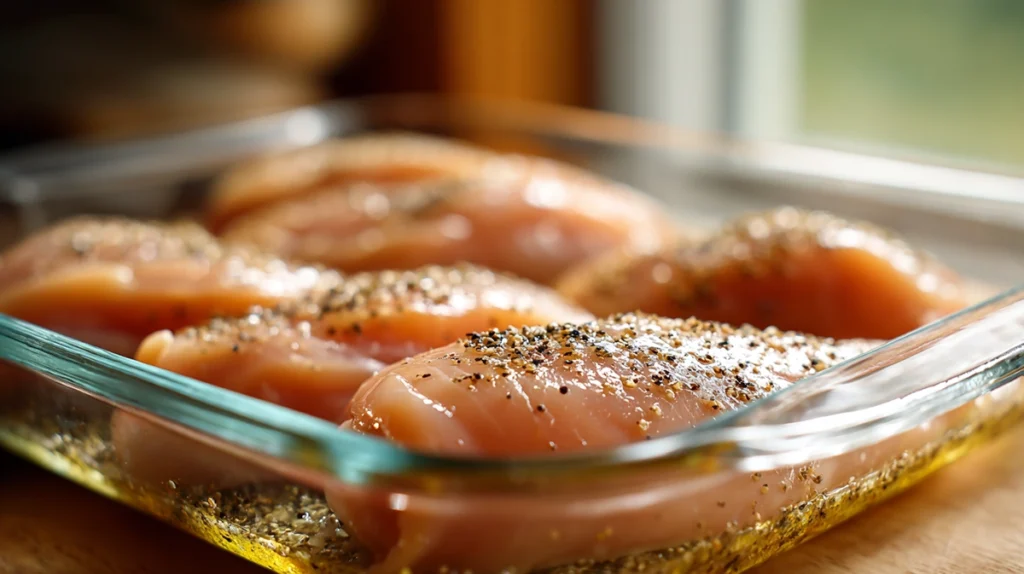
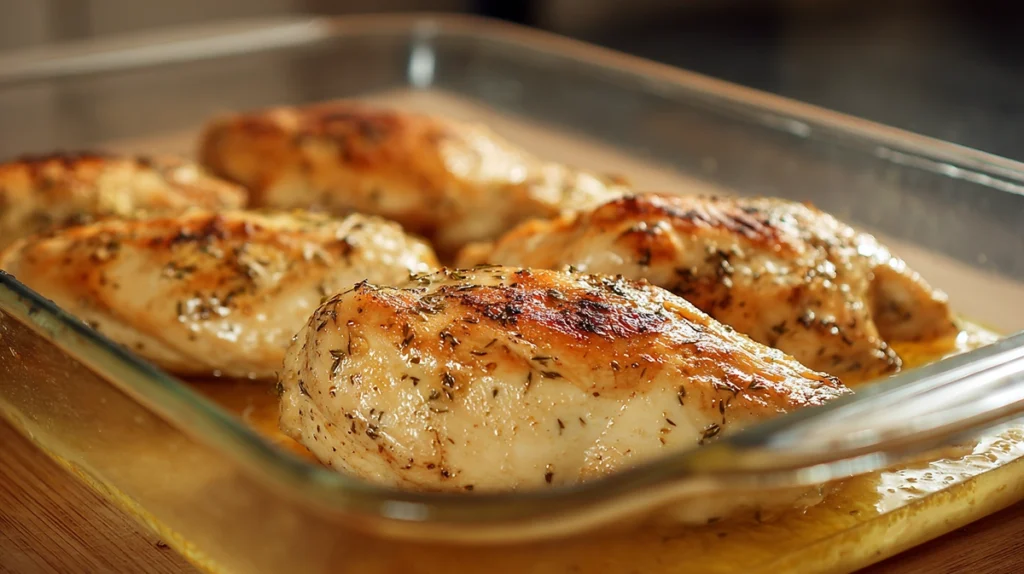
Baking chicken is my default when I want something low-effort and reliable. You can bake chicken breasts whole or cut them into chunks, depending on how you plan to use them later.
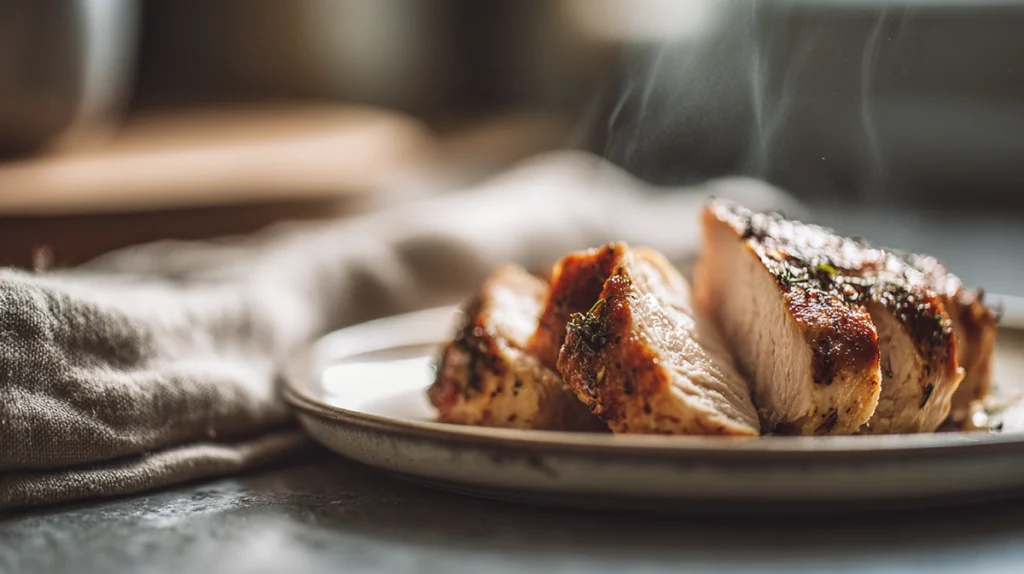
When baking whole breasts, seasoning them lightly and baking just until done makes a big difference. Letting the chicken cool completely before slicing helps seal in the juices. I often bake them in the evening and slice them the next morning.
If you’re baking chopped chicken, tossing it with a little olive oil and spreading it on a sheet pan works well. This method is perfect when you’re cooking vegetables at the same time, especially quick-cooking ones like bell peppers or zucchini.
Sautéed Chicken for Fast, Flavor-Forward Prep
When time is tight, sautéing chicken on the stovetop can get your prep done fast. Cutting the chicken into even pieces helps it cook quickly and evenly.
This method is great if you want to build flavor right in the pan. Spices, marinades, or simple sauces cling to the chicken and hold up well for leftovers. Just be careful not to overcook it, since smaller pieces can dry out faster when reheated.
Instant Pot Chicken for Batch Cooking
The Instant Pot is a lifesaver for weekly meal prep chicken. Pressure cooking locks in moisture, which makes it ideal for shredded or saucy chicken dishes.
You can cook a full recipe and portion it out for the week, or cook plain seasoned chicken to use in different meals. Many Instant Pot chicken dishes also freeze beautifully, which makes future weeks even easier.
Slow Cooker Chicken for Set-It-and-Forget-It Days
Slow cookers are perfect when you want tender, pull-apart chicken with minimal hands-on time. Thighs really shine here, staying juicy even after hours of cooking.
You can cook one big batch and use it in multiple meals, or freeze portions for later. Slow cooker chicken often tastes even better the next day, once the flavors have had time to settle.
Timing, Doneness, and Texture: Where Most Meal Prep Goes Wrong
Most meal prep disappointments come down to overcooked chicken. Once chicken dries out, no amount of sauce can fully save it.
Chicken is done at 165°F, but don’t rely on temperature alone. Look for meat that’s opaque all the way through, with clear juices and a slight spring when pressed. If it feels stiff or stringy right out of the oven or pan, it will only get drier later.
Cooling matters too. Let the chicken cool before sealing it into containers. Trapping steam can create excess moisture, which affects texture and storage life.
Storage Rules That Actually Keep Chicken Tasting Good
Once your chicken is cooked, get it into the refrigerator fairly quickly. You don’t need to rush it while it’s still hot, but you don’t want it sitting out for hours either.
Stored properly in airtight containers, cooked chicken is best eaten within four days. That’s the rule I stick to for all my meal prep. It’s cautious, but it keeps everything tasting fresh and safe.
Reheating Without Drying It Out
When reheating, gentleness is key. The microwave works fine, especially if you cover the chicken and add a splash of water or broth to create steam.
For larger portions, reheating in a skillet over low heat can restore moisture. Just warm it until heated through, not piping hot. Try to reheat only once, since repeated reheating dries the chicken out quickly.
Flavor Variations That Don’t Feel Like Leftovers
One of the easiest ways to avoid meal prep boredom is to keep the chicken lightly seasoned and change up the sauces and sides.
Neutral-seasoned chicken works well with everything from pesto to barbecue sauce. You can also divide your chicken into portions and season each one differently before cooking. A simple rotation of flavors makes the week feel less repetitive without extra work.
Dietary Variations That Make Sense
This style of meal prep is naturally gluten-free, as long as your seasonings and sauces are. It’s also easy to keep dairy-free by using olive oil-based marinades and sauces.
If you’re aiming for lower-calorie meals, stick with chicken breasts and lighter cooking methods like baking or pressure cooking. For halal-friendly meals, focus on clean seasonings and avoid alcohol-based marinades.
Serving Ideas That Turn Prep into Real Meals
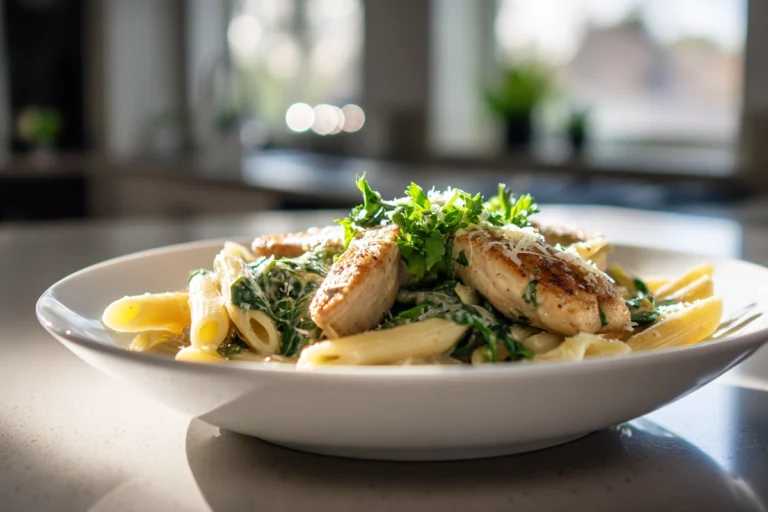
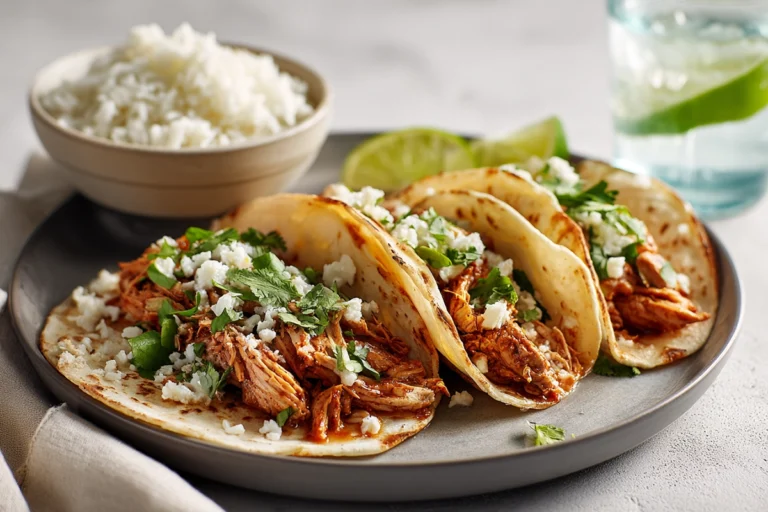
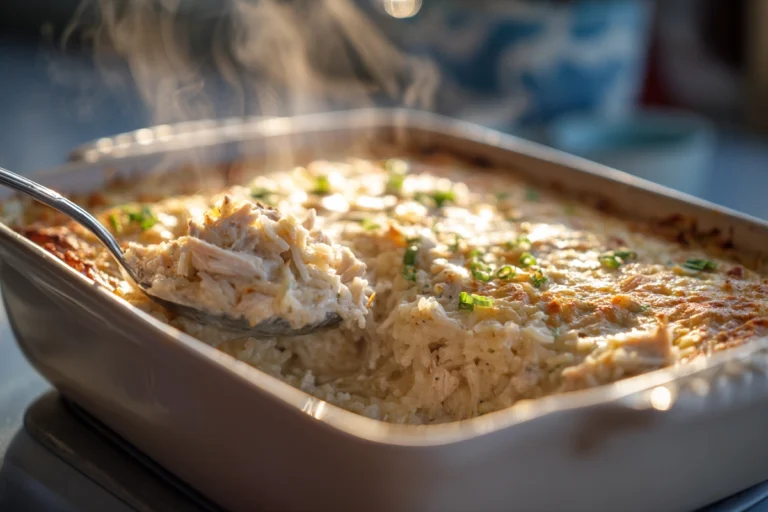
Prepped chicken becomes dinner when it’s paired thoughtfully. Add it to grain bowls, salads, wraps, or quick stir-fries. Toss it with pasta and vegetables, or layer it into quesadillas or casseroles.
Because the chicken is already cooked, these meals come together fast. That’s the real beauty of meal prep—it turns cooking into assembling, which feels much more manageable on busy nights.
By the end of the week, meal prep chicken isn’t just about saving time. It’s about giving yourself breathing room, knowing that no matter how chaotic the day gets, there’s something comforting and homemade waiting for you in the fridge. That kind of quiet confidence is what keeps me coming back to this habit, week after week.
FAQ
How long does meal prep chicken last in the fridge?
Cooked meal prep chicken is best eaten within 3 to 4 days when stored in airtight containers in the refrigerator. After that, the texture and flavor start to decline, even if it still smells fine. Sticking to a four-day window keeps things tasting fresh and safe.
Why does my meal prep chicken turn dry after reheating?
Chicken usually dries out because it was slightly overcooked to begin with or reheated too aggressively. Gentle reheating with a little steam, like covering it and adding a splash of water or broth, helps bring back moisture. Thighs also tend to stay juicier than breasts after reheating.
Is it better to slice chicken before or after storing it?
It’s usually better to store chicken whole or in larger pieces and slice it just before using. Keeping it intact helps lock in moisture while it sits in the fridge. If you do slice it ahead of time, make sure it’s fully cooled first.
Can I freeze cooked meal prep chicken?
Yes, cooked chicken freezes very well, especially if it’s plain or lightly seasoned. Let it cool completely, then store it in freezer-safe containers or bags. For best texture, thaw it in the refrigerator and reheat gently.
Which cut of chicken works best for healthy chicken meal prep?
Boneless, skinless chicken breasts are the leanest option and work well for lighter meals. Boneless, skinless thighs have slightly more fat but stay more tender and forgiving, especially if you plan to reheat them. Both can be great choices depending on your goals.
Print
Meal Prep Chicken
- Total Time: 35 minutes
- Yield: 6 servings 1x
- Diet: Gluten Free
Description
This simple meal prep chicken recipe is an easy way to cook ahead for busy weeks. The chicken stays juicy, reheats well, and works for lunches or quick dinners.
Ingredients
- 2 pounds boneless skinless chicken breasts
- 2 tablespoons olive oil
- 1 teaspoon kosher salt
- 1/2 teaspoon black pepper
Instructions
- Preheat the oven to 425°F and lightly grease a baking dish.
- Pat the chicken breasts dry and place them in the baking dish in a single layer.
- Drizzle the olive oil over the chicken and season evenly with salt and black pepper.
- Bake until the chicken is cooked through and reaches an internal temperature of 165°F.
- Remove from the oven and let the chicken rest before slicing or storing.
Notes
- Let the chicken cool completely before storing to prevent excess moisture.
- Store cooked chicken in airtight containers in the refrigerator for up to 4 days.
- Reheat gently with a splash of water or broth to keep the chicken moist.
- Prep Time: 10 minutes
- Cook Time: 25 minutes
- Category: Main Course
- Method: Baking
- Cuisine: American
Nutrition
- Serving Size: 1 serving
- Calories: 210
- Sugar: 0 g
- Sodium: 420 mg
- Fat: 9 g
- Saturated Fat: 1.5 g
- Unsaturated Fat: 7 g
- Trans Fat: 0 g
- Carbohydrates: 0 g
- Fiber: 0 g
- Protein: 32 g
- Cholesterol: 85 mg