Opera Cake That Impresses Every Time

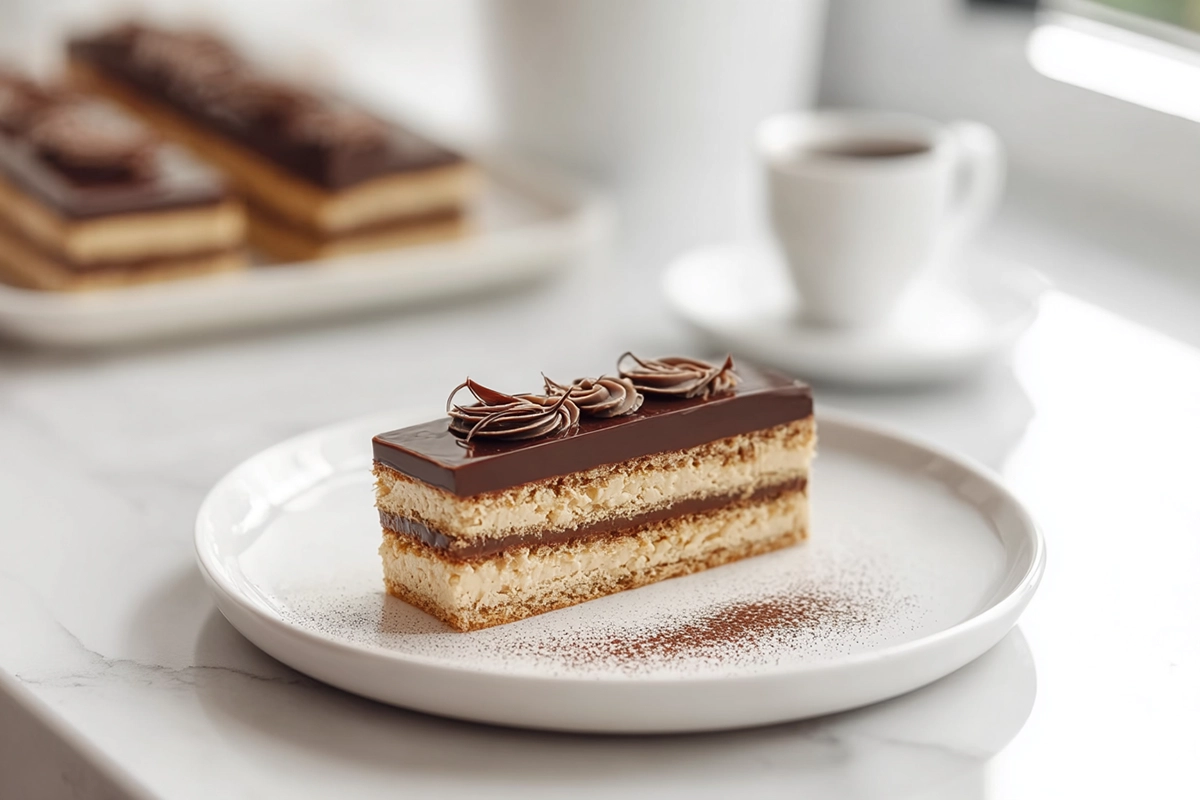
If you’ve ever stood in front of a bakery case and hesitated over which dessert feels “special enough,” you’ll understand why the first time I made Opera Cake, it felt like stepping into the world of real French pâtisserie. There’s something about those razor-sharp layers—the almond sponge, the silky coffee buttercream, the glossy chocolate finish—that makes you pause for a moment before taking that first bite. When you slice into it at home, you’ll feel that same rush of pride, because this dessert looks like it belongs behind glass yet comes together in a surprisingly approachable way. And since you’ll be working with strong coffee, rich chocolate, and a delicate sponge, the flavors make this Opera Cake unforgettable from the first forkful.
Table of Contents
What Is Opera Cake? A Sweet History & Overview
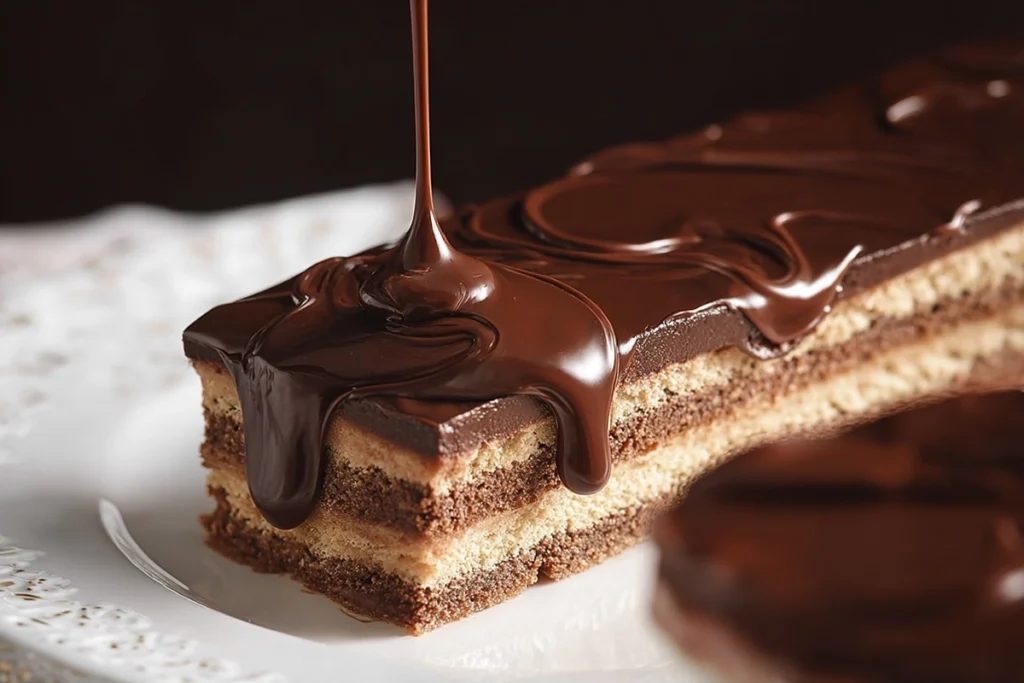
The best place to start is understanding why this dessert has such a reputation. You’re working with a multi-layered creation made from a light almond sponge known as joconde, brushed generously with a coffee syrup that keeps every bite tender. Between the sponge layers, you spread a smooth coffee buttercream and a dark chocolate ganache, which gives the cake that deep contrast in flavor and color. Once everything is stacked and chilled, a shiny chocolate glaze creates the final finish.
Many home bakers assume this is “too advanced,” but when you break it down into steps, it feels more like assembling a dessert puzzle. You’re layering rich flavors, keeping everything even, and paying attention to textures. Although it’s rooted in French pastry traditions, it fits right into American dessert culture because the combination of layered dessert, coffee syrup, and chocolate ganache appeals to nearly everyone.
Ingredients & Equipment You’ll Need
Even though this recipe looks fancy, the ingredients are delightfully familiar. Paying attention to quality helps, especially with chocolate and coffee, but you can source everything from a regular grocery store.
Ingredients (U.S. Measurements)
For the Almond Sponge (Joconde):
- 1 cup almond flour
- 1 cup confectioners’ sugar
- 3 large eggs
- 3 large egg whites
- ¼ cup granulated sugar
- ¼ cup all-purpose flour
For the Coffee Syrup:
- ½ cup water
- ½ cup granulated sugar
- 1 tablespoon instant espresso powder
For the Coffee Buttercream:
- 4 large egg yolks
- ½ cup granulated sugar
- 3 tablespoons water
- 1 cup unsalted butter, softened
- 1 tablespoon instant espresso dissolved in 1 tablespoon hot water
For the Chocolate Ganache:
- 6 ounces dark chocolate, chopped
- ½ cup heavy cream
For the Chocolate Glaze:
- 6 ounces dark chocolate
- 3 tablespoons unsalted butter

Equipment Notes
Using the right tools makes the process smoother. A jelly-roll pan or rimmed sheet pan helps you bake a thin, even sponge. A stand mixer keeps your buttercream silky, while an offset spatula is incredibly helpful for spreading each layer. You’ll also want a pastry brush, since brushing on that coffee syrup ensures the cake stays moist from top to bottom.
Step-by-Step Preparation & Assembly
Once you have your ingredients ready, the process becomes all about pacing. You’re building clean, structured layers, and each one matters.
Making the Joconde Sponge
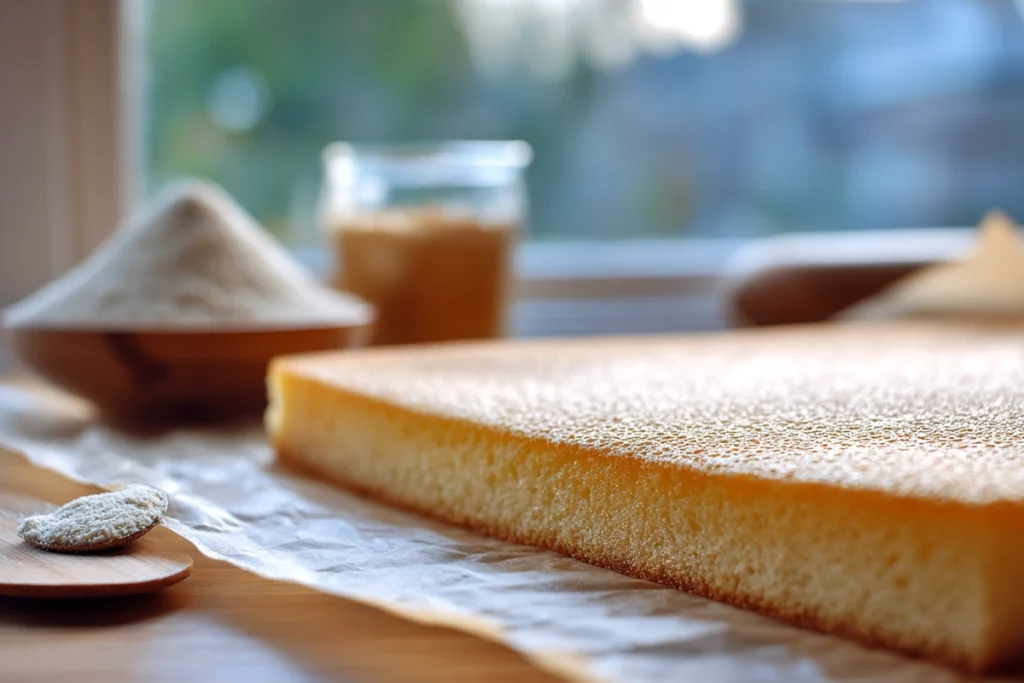
Start by whisking the almond flour, confectioners’ sugar, and whole eggs until the mixture looks pale and slightly thick. In another bowl, whip the egg whites with granulated sugar until soft peaks form. Folding the whites into the almond base gives the sponge its signature lift. After adding the flour, you pour the batter into a thin, even layer on your prepared pan and bake until lightly golden. The sponge should feel springy to the touch, not dry.
Preparing the Coffee Syrup
You create the syrup by heating water and sugar until dissolved, then stirring in espresso powder. It seems simple, but this syrup is what gives the cake that unmistakable aroma. As you layer the cake later, you’ll brush it on generously to help every bite stay soft.
Making the Coffee Buttercream
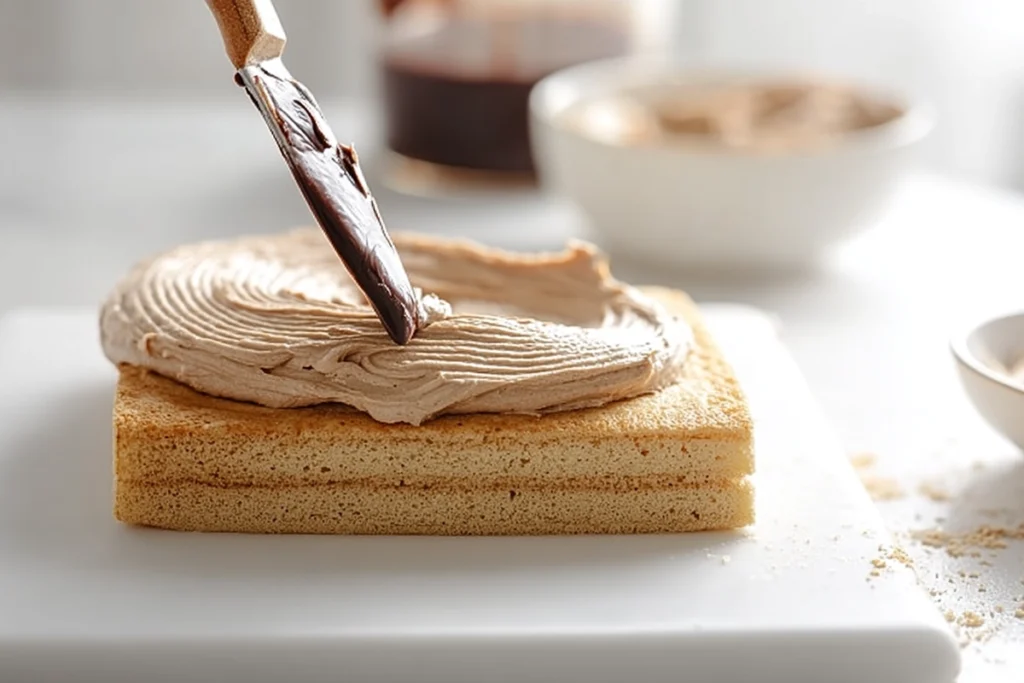
Working with buttercream can feel intimidating, but once you get the rhythm, it’s surprisingly forgiving. You cook sugar and water until it reaches a soft-ball stage, then pour it slowly into whipped egg yolks. Once the mixture cools slightly, you add softened butter and the dissolved espresso. When it comes together, the texture should be velvety and spreadable.
Preparing the Chocolate Ganache
Warm the heavy cream until it steams, then pour it over chopped chocolate. Let it rest before stirring into a smooth ganache. When cooled slightly, it becomes the perfect consistency for the cake layers.
Assembling the Cake
To assemble, you cut the sponge into equal rectangles. You brush the first layer with coffee syrup, spread on buttercream, add another layer of sponge, brush again, and spread ganache. You continue alternating layers, ending with sponge. After chilling, you pour the warm chocolate glaze over the top and smooth it quickly. Chilling the cake again allows you to trim the edges cleanly, which reveals those distinct layers you’ll be proud to show off.
Storage, Serving & Make-Ahead Tips
One of the best things about this cake is how well it fits into busy schedules. You can prepare all the components a day early, and the assembled cake tastes even better after the flavors settle.
When you store it, keep the cake tightly covered in the refrigerator, since exposure to air dries out the sponge. Although you serve it chilled, allowing it to sit at room temperature for about fifteen minutes helps the buttercream soften. When slicing, run a sharp knife under hot water and wipe it dry between cuts to maintain crisp, clean edges.
If you want to freeze it, slice the finished cake and wrap each piece tightly before storing. You can thaw individual slices overnight in the fridge and serve without losing texture.
Dietary Variations
You can easily adapt this recipe for different lifestyles without losing the essence of a beautiful Opera Cake.
Vegan
You can replace the eggs in the sponge with aquafaba and use a plant-based butter for both the buttercream and glaze. Choose dairy-free chocolate and a vegan cream alternative for the ganache.
Gluten-Free
The almond flour already provides structure, so you only need to substitute the all-purpose flour with a gluten-free flour blend. Ensure your chocolate and cocoa-based ingredients are certified gluten-free.
Low-Calorie
You can lighten the buttercream by reducing the butter and folding in a small amount of whipped aquafaba or a light dairy substitute. Using less syrup and serving smaller portions also helps reduce calories without sacrificing indulgence.
Halal
Skip any alcohol-based flavorings and make sure your butter and chocolate are sourced from halal-certified brands. The rest of the ingredients typically fit within halal guidelines without adjustments.
Your dessert will still feel elegant and fully layered, no matter which variation you choose.
You’ll feel a little thrill when you slice into your homemade Opera Cake for the first time. Those clean layers, the balanced coffee-and-chocolate flavors, and the delicate almond sponge all come together in a way that’s both impressive and comforting. Whether you’re making it for a celebration or simply because you want to try something new, this classic dessert brings a touch of French artistry right into your kitchen.
FAQ
Why is Opera Cake so hard to make?
Opera Cake looks intimidating because of its multiple layers, but once you break it into steps—almond sponge, coffee syrup, coffee buttercream, and chocolate ganache—it becomes a manageable project. You’re simply assembling thin components, and the structure does most of the work.
How many layers should a traditional Opera Cake have?
A classic Opera Cake usually has six to seven layers, including the sponge, buttercream, ganache, and the final chocolate glaze. As long as your layers are thin and even, you’ll capture the traditional look and flavor.
Can I make Opera Cake ahead of time?
Yes, you can prep each component a day in advance. The cake actually tastes better when it rests overnight because the coffee syrup fully absorbs into the sponge and the flavors settle.
Why does my buttercream separate or turn grainy?
Buttercream often splits when the butter is too cold or the sugar syrup was added too quickly. Bringing the mixture to room temperature and beating it longer usually brings it back together.
Can I freeze Opera Cake?
Absolutely. Slice the cake, wrap each portion tightly, and freeze. Thaw in the fridge overnight to maintain the layered dessert texture.
Get inspired with more mouthwatering recipes! Follow me on Facebook, Pinterest, and subscribe to YouTube for new cooking ideas every week.
Print
Opera Cake
- Total Time: 2 hours
- Yield: 10 servings 1x
Description
A rich multi-layer French dessert made with almond sponge, coffee syrup, silky buttercream, and dark chocolate ganache, creating a refined and elegant flavor profile.
Ingredients
- 1 cup almond flour
- 1 cup confectioners’ sugar
- 3 large eggs
- 3 large egg whites
- 1/4 cup granulated sugar
- 1/4 cup all-purpose flour
- 1/2 cup water
- 1/2 cup granulated sugar
- 1 tablespoon instant espresso powder
- 4 large egg yolks
- 1/2 cup granulated sugar
- 3 tablespoons water
- 1 cup unsalted butter, softened
- 1 tablespoon instant espresso dissolved in 1 tablespoon hot water
- 6 ounces dark chocolate, chopped
- 1/2 cup heavy cream
- 6 ounces dark chocolate
- 3 tablespoons unsalted butter
Instructions
- Whisk almond flour, confectioners’ sugar, and whole eggs until pale.
- Whip egg whites with granulated sugar to soft peaks.
- Fold whites into almond mixture and add flour.
- Bake sponge thin and evenly until lightly golden.
- Heat water and sugar, then stir in espresso powder for syrup.
- Cook sugar and water, pour into whipped egg yolks for buttercream.
- Add softened butter and dissolved espresso to finish buttercream.
- Heat cream and pour over chopped chocolate to make ganache.
- Alternate layers of sponge, syrup, buttercream, and ganache.
- Chill, then cover top with warm chocolate glaze and set before slicing.
Notes
- Use a sharp knife dipped in warm water for clean slices.
- Chill cake between steps to keep layers even and stable.
- Prepare components a day ahead for easier assembly.
- Prep Time: 1 hour
- Cook Time: 30 minutes
- Category: Dessert
- Method: Baking
- Cuisine: French
Nutrition
- Serving Size: 1 slice
- Calories: 450
- Sugar: 34
- Sodium: 95
- Fat: 30
- Saturated Fat: 18
- Unsaturated Fat: 10
- Trans Fat: 0
- Carbohydrates: 38
- Fiber: 2
- Protein: 6
- Cholesterol: 160