Pollo Asado: Citrus-Marinated Chicken With Smoky, Sun-Warm Flavor

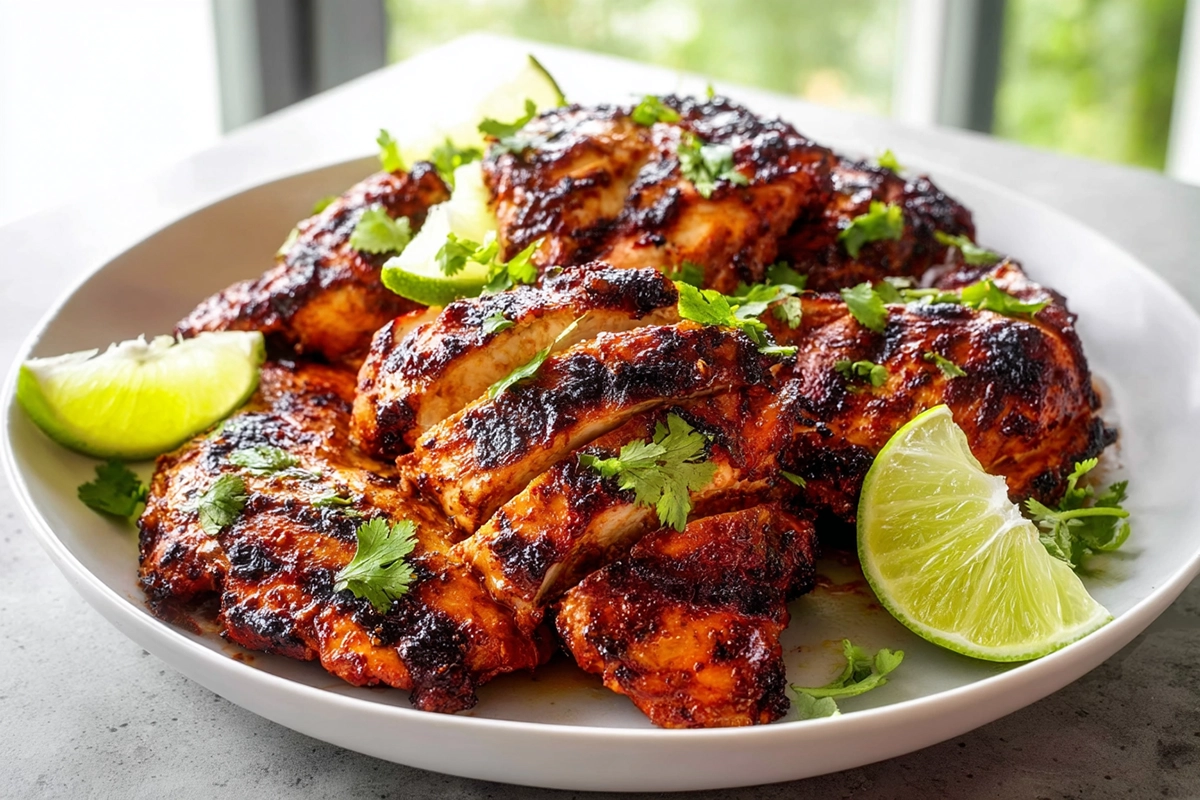
There’s a moment when this chicken hits the heat that tells you everything is working. The surface darkens fast, not from burning, but from oil and spice tightening into a red-orange crust. Citrus steams off first, sharp and bright, followed by smoke from paprika and chipotle. A few minutes later, the aroma settles into something deeper—earthy, warm, and unmistakably savory. This is the kind of smell that makes people wander toward the grill or oven without asking what’s for dinner.
Pollo asado earns its flavor long before it’s cooked. The marinade does the real work here: orange and lime juice soften the meat, olive oil slows things down, and achiote paste brings both color and depth. Coriander and cumin round out the citrus so it tastes full instead of sharp, while smoked paprika and chipotle add warmth without overwhelming heat. It’s bold, but balanced. Nothing flashy. Just carefully layered flavor that holds up whether you grill the chicken or roast it.
This is also a recipe built for real kitchens and real schedules. Bone-in thighs give you breathing room, the marinade forgives small timing mistakes, and the chicken stays juicy even when cooked a little past perfect. You can serve it straight off the heat with warm tortillas, or slice it later for tacos and bowls. Either way, the process is simple, steady, and reliable—the kind of cooking that rewards patience more than precision.
The rest comes down to timing, temperature, and knowing when to let the marinade do its job.
Table of Contents
Why This Pollo Asado Marinade Does the Work for You
The backbone of this pollo asado isn’t technique—it’s chemistry. This marinade is designed to build flavor while protecting the chicken from drying out, which is why it works just as well on a hot grill as it does in the oven. Citrus brings brightness, but it’s carefully buffered by oil so the meat tenderizes instead of breaking down. The spices aren’t there for heat; they’re there to give the chicken a rounded, savory base that still tastes clean and fresh once cooked.
This balance is what makes the recipe flexible. You can marinate in the morning and cook at night without worrying that the chicken will turn soft or sour. You can also use this same marinade across different cuts—bone-in thighs, drumsticks, even breasts—because the structure of the marinade supports them instead of fighting them. That’s the quiet strength of this recipe: big flavor that behaves itself.
- Bone-in chicken thighs: Dark meat stays juicy and gives you more margin for error; removing the skin lets the marinade penetrate instead of sliding off.
- Olive oil: Slows down the citrus so the chicken tenderizes evenly and cooks up moist, not chalky.
- Orange juice: Adds sweetness and body; this is what keeps the lime from tasting sharp.
- Lime juice: Brings the high note that makes the finished chicken taste fresh instead of heavy.
- Yellow onion & garlic: These melt into the marinade, adding savoriness without leaving harsh raw notes.
- Ground coriander & cumin: Earthy and warm, they anchor the citrus so the flavor tastes complete.
- Smoked paprika & chipotle chile pepper: Add controlled smoke; you’ll taste warmth, not heat.
- Kosher salt: Seasons evenly; if using table salt, use about half as much to avoid over-salting.

Achiote Paste Isn’t Optional — Here’s What Happens If You Skip It
Achiote paste is the ingredient that turns marinated chicken into something recognizably asado. It’s made from annatto seeds blended with spices and vinegar, and it brings three things at once: color, depth, and a subtle earthiness that citrus alone can’t provide. That signature red-orange crust isn’t cosmetic—it’s a signal that the marinade has enough body to cling to the meat as it cooks.
Without achiote paste, the chicken will still be edible, even good—but it will taste like citrus chicken, not pollo asado. The flavor loses dimension, and the marinade feels thinner, more one-note. Using just part of the block keeps the paste from overpowering the other spices while still doing its job.
If you can’t find achiote locally, it’s worth seeking out at a Latin market or ordering ahead rather than substituting. There isn’t a true replacement that delivers the same result.
- Achiote paste: Provides color, mild bitterness, and savory depth; using about two-thirds of the block keeps the flavor balanced.
- Dried oregano: Adds a herbal note that ties the achiote to the citrus instead of letting it stand alone.
- Black pepper: Sharpens the marinade slightly so the richness doesn’t feel flat.
These choices aren’t about tradition for tradition’s sake—they’re about building a marinade that behaves predictably and delivers bold, sunny flavor every time.
The Make-or-Break Moment: Marinating Time and Temperature
This pollo asado starts working hours before it ever sees heat. When the chicken first goes into the marinade, it looks loose and glossy, the achiote tinting everything a muted brick red. As it rests, the surface tightens slightly and the color deepens—that’s your signal the flavors are moving past the surface and into the meat. If you rush this stage, the chicken tastes sharp and unfinished; if you let it go too long on lean cuts, the texture turns soft instead of springy.
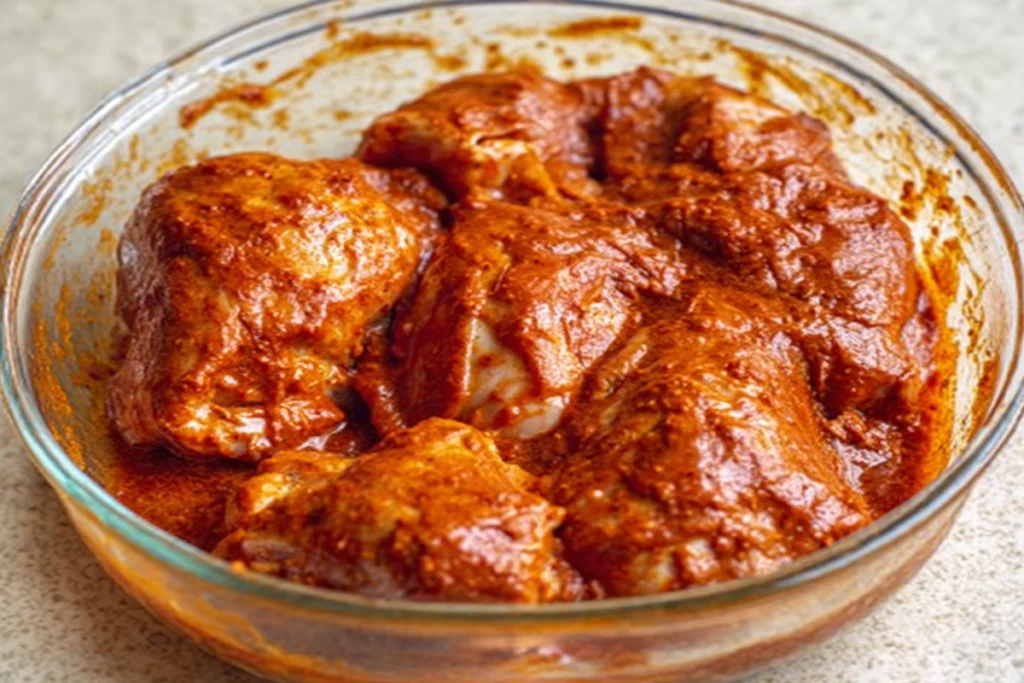
Before cooking, the chicken needs a short pause at room temperature. Cold meat hitting high heat tightens too fast and pushes moisture out. After twenty minutes on the counter, the flesh should feel cool but no longer icy, relaxed instead of stiff. That small window makes the difference between juicy and merely cooked.
Grill or Oven? Choose Based on Texture, Not Convenience
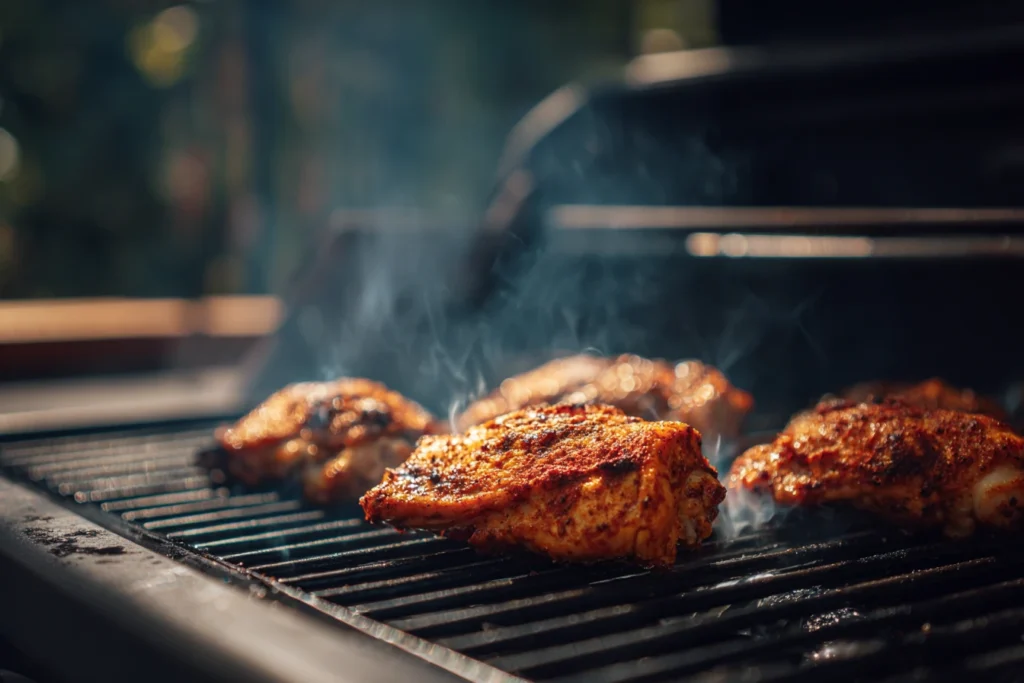
On the grill, the chicken should hit the grates with an immediate, confident sizzle—not a weak hiss. Within minutes, the surface darkens and small beads of fat rise, carrying the scent of citrus and smoke upward. Keep the lid closed so the heat surrounds the meat, and listen for steady crackling rather than flare-ups. When it’s ready to turn, the chicken releases easily; if it sticks, it needs another minute.
In the oven, the experience is quieter but just as deliberate. As the chicken roasts, the marinade thickens and clings, forming a glossy coating that bubbles gently at the edges. The smell shifts from bright citrus to something warmer and more savory, like toasted spices and slow-roasted onions. This method trades char for deeper juiciness, which makes it especially reliable for weeknights or when you’re planning ahead for citrus-marinated chicken tacos or bowls.
Knowing When It’s Done Without Guesswork
Color alone will lie to you here. Dark meat can look finished long before it’s truly tender. Press the thickest part with your finger—it should feel firm but yielding, similar to the base of your thumb when your hand is relaxed. When sliced, the juices should run clear, carrying that orange-red sheen from the marinade.
Resting matters. Fresh off the heat, the juices are restless and eager to escape. Give the chicken a few quiet minutes, and you’ll feel the flesh relax under the knife instead of tearing. That pause is what keeps the final bite juicy, whether you’re serving it straight or building grilled chicken tacos later.
Small Adjustments That Still Respect the Marinade
This recipe is flexible, but not infinitely so. The marinade is balanced for chicken, and most successful variations stay close to that structure. If you prefer boneless, skinless thighs, they work beautifully here—just shorten the marinating time slightly and watch the heat so the surface doesn’t darken before the inside is done. Boneless chicken breasts can be used as well, but they need restraint. Marinate no longer than twelve hours and cook gently; pushing them too far will undo the very tenderness the marinade is meant to create.
If you’re out of orange juice, a mix of fresh-squeezed mandarin or a mild store-bought orange blend works, but avoid anything heavily sweetened. Lime is doing the sharpening here; orange is meant to round it out, not turn it into dessert. One change that doesn’t hold up well is removing the achiote paste entirely. Even a reduced amount is better than skipping it—the flavor and color both depend on it.
How This Chicken Shows Up on the Table
Pollo asado is at its best when it’s given room to shine. Served straight off the grill or out of the oven with warm tortillas, it becomes a build-your-own meal that invites people to linger. The citrus and smoke pair naturally with cilantro lime rice, Mexican-style beans, or grilled corn, where a little char echoes what’s on the chicken.
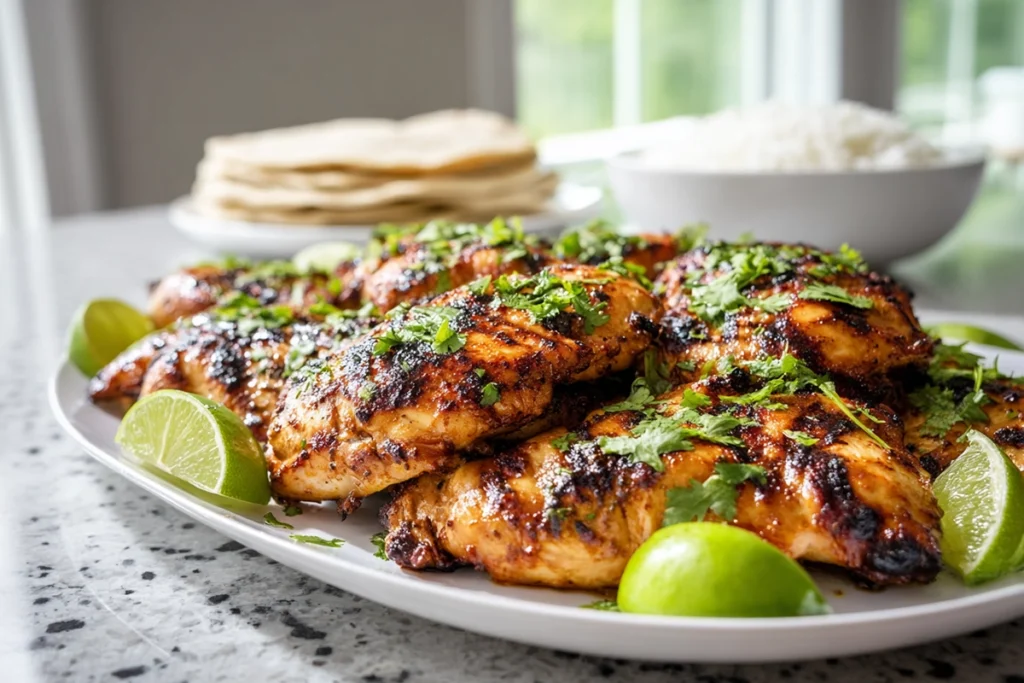
Leftovers are where this recipe quietly proves its worth. Sliced cold, the chicken stays juicy and works beautifully in tacos, burritos, or grain bowls without needing extra sauce. The flavor holds up against fresh salsas—mango, pineapple, or avocado—because the marinade already has depth. This is citrus-marinated chicken that doesn’t fade once it cools.
A Few Things Worth Remembering Before You Make It Again
High heat is your ally, but only if you respect it. If the grill flares or the oven runs hot, pull back and let the chicken cook through rather than chasing color. Dark meat wants time, not force. Trust temperature and feel more than the clock.
And don’t rush the rest. Those few minutes after cooking allow the juices to settle and the flavors to finish blooming. Skip that pause, and you’ll notice it on the plate.
Pollo asado is the kind of recipe that earns its place through repetition. Make it once for the flavor, then again because it fits your schedule, your table, and the way you actually cook. Over time, it becomes familiar in the best way—reliable, comforting, and always worth coming back to.
Get inspired with more mouthwatering recipes! Follow me on Facebook and Pinterest for new cooking ideas every week.
FAQ
Can I make pollo asado in the oven instead of on the grill?
Yes, pollo asado works very well in the oven. You’ll miss a bit of char, but roasting gives you juicy meat and consistent results, especially with bone-in thighs. The key is using a hot oven so the marinade still tightens and darkens instead of turning watery.
How long should I marinate pollo asado for the best flavor?
Four hours is the minimum for good flavor, but overnight is where it really shines. For dark meat, up to 24 hours is safe and effective. If you’re using chicken breasts, keep the marinade time under 12 hours so the citrus doesn’t soften the texture too much.
Why does my pollo asado look darker or redder than regular grilled chicken?
That color comes from the achiote paste in the marinade. It’s completely normal and part of what gives pollo asado its signature look and flavor. As it cooks, the surface deepens in color as the spices and oil concentrate.
Can I freeze pollo asado after it’s cooked?
Yes, cooked pollo asado freezes well. Let it cool completely, then store it airtight to protect the flavor. When reheated gently, it stays juicy and works especially well for tacos, bowls, or wraps.
What’s the best cut of chicken to use for pollo asado?
Bone-in chicken thighs are the most forgiving and flavorful choice. They stay moist, handle high heat well, and benefit from longer marinating. Boneless thighs also work, but they’ll cook faster and need closer attention.
Print
Pollo Asado Chicken Marinade
- Total Time: 3 hours 35 minutes
- Yield: 6 servings 1x
- Diet: Gluten Free
Description
Juicy pollo asado marinated in citrus, spices, and achiote for bold flavor and reliable results. Grill or roast it with confidence every time.
Ingredients
- 4–5 pounds bone-in chicken thighs, skin removed
- 1/3 cup olive oil
- 1/2 cup orange juice
- 1/4 cup lime juice
- 1 small yellow onion, chopped
- 6 cloves garlic, minced
- 2 ounces achiote paste
- 1 tablespoon ground coriander
- 1 tablespoon ground cumin
- 1 tablespoon kosher salt
- 2 teaspoons smoked paprika
- 2 teaspoons dried oregano
- 1 teaspoon black pepper
- 1 teaspoon chipotle chile pepper
Instructions
- Whisk the marinade ingredients until smooth and evenly combined.
- Coat the chicken thoroughly and marinate in the refrigerator.
- Bring the chicken slightly toward room temperature before cooking.
- Grill or roast until the chicken is deeply colored and fully cooked through.
- Rest briefly before slicing or serving.
Notes
- Achiote paste gives pollo asado its signature color and earthy depth; avoid skipping it.
- If using chicken breasts, limit marinating time to prevent a soft texture.
- Store cooked chicken airtight in the refrigerator for up to five days.
- Reheat gently to preserve moisture.
- Prep Time: 15 minutes
- Cook Time: 3 hours 20 minutes
- Category: Dinner
- Method: Grill
- Cuisine: Mexican
Nutrition
- Serving Size: 1 serving
- Calories: 420
- Sugar: 3
- Sodium: 720
- Fat: 30
- Saturated Fat: 7
- Unsaturated Fat: 21
- Trans Fat: 0
- Carbohydrates: 6
- Fiber: 1
- Protein: 32
- Cholesterol: 140