The Ultimate Prime Rib Roast Guide: Juicy, Tender, and Unforgettable

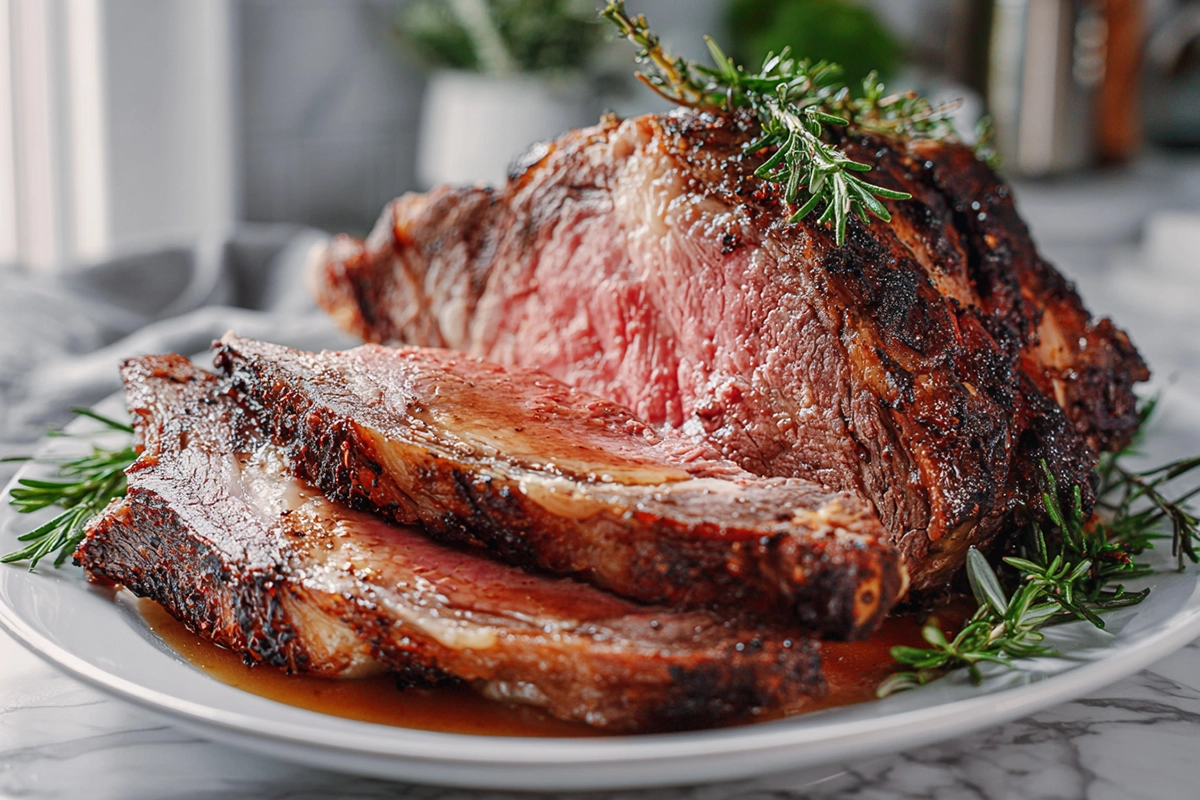
There’s something almost ceremonial about carving into a perfectly cooked prime rib roast. The aroma alone could gather a crowd, and that first slice—rosy in the center with a golden-brown crust—feels like a celebration. If you’ve ever wanted to bring that steakhouse-level flavor into your own kitchen, you’re in the right place.
This guide walks you through everything: choosing the right cut, mastering the cooking process, and creating those perfect sides that turn your roast into a show-stopping meal. Whether it’s your first attempt or your fiftieth, you’ll discover new tricks that make your prime rib roast truly unforgettable.
Table of Contents
Understanding the Cut: What Is a Prime Rib Roast?
If you’ve ever wondered what makes this roast “prime,” you’re not alone. Despite the name, prime rib doesn’t always refer to USDA Prime grade beef—it’s actually a cut from the rib section, specifically ribs six through twelve. This is the same area that gives you ribeye steaks, which explains that rich marbling and deep, beefy flavor.
When you choose between bone-in and boneless, remember this: bone-in roasts tend to have more flavor and retain moisture better, while boneless versions are easier to carve. For gatherings, go with bone-in for presentation. You can always remove the bones after roasting to make slicing easier.
A simple rule for planning: buy about one pound per person for a bone-in roast, or ¾ pound for boneless. That ensures everyone gets a generous slice—with some leftovers for sandwiches or hash the next day.
How to Select & Prepare Your Roast
Choosing Quality
You’ll want a roast with excellent marbling—the fine veins of fat that melt during cooking. Look for USDA Prime or Choice grades, depending on your budget. A well-marbled roast delivers that signature tenderness and flavor you can’t fake.
Getting It Ready
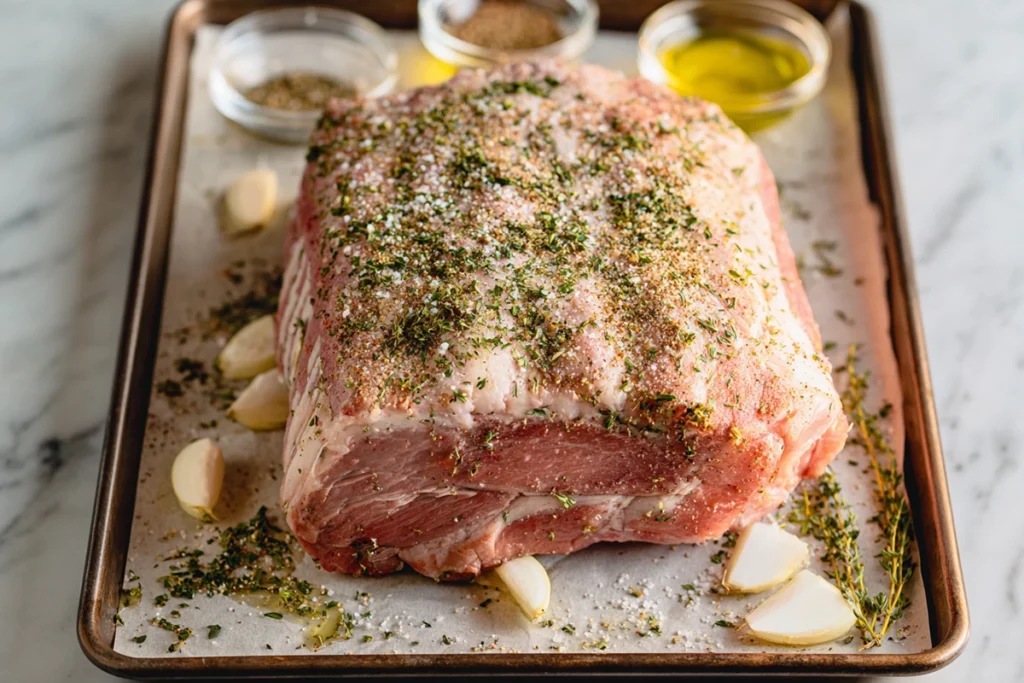
Before roasting, take the meat out of the fridge for at least an hour. Letting it reach room temperature helps it cook evenly. Pat it dry with paper towels, then season generously with kosher salt, black pepper, and any aromatics you like—garlic powder, rosemary, or thyme all work beautifully. For a restaurant-style crust, leave it uncovered in the fridge overnight to air-dry.

Tools That Make the Difference
A roasting pan with a rack allows air to circulate around the roast for even browning. And if there’s one tool you shouldn’t skip, it’s an instant-read thermometer. Forget the guessing game—this simple gadget ensures you hit your desired doneness every time.
Cooking Methods & Step-by-Step Guide
The Classic Oven Method
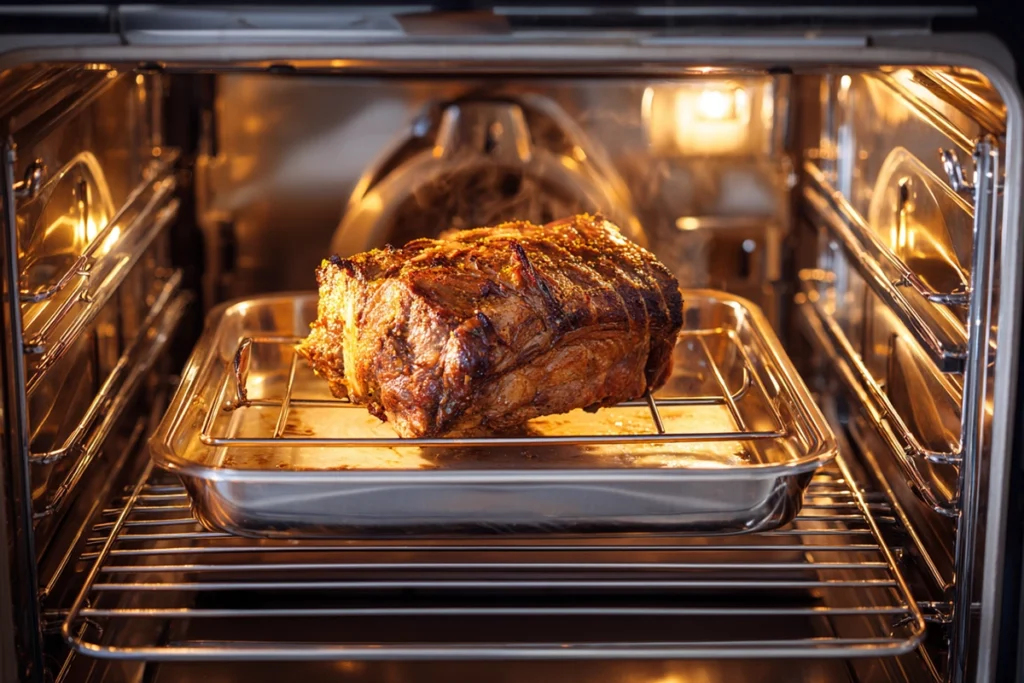
Preheat your oven to 450°F and place the roast bone-side down. Roast for 15 minutes to create that golden crust, then reduce the temperature to 325°F and continue cooking until the internal temperature reaches your target—120°F for rare, 130°F for medium-rare, and 140°F for medium.
Once it’s ready, remove the roast and tent it with foil. Let it rest for at least 30 minutes. This step allows the juices to redistribute, keeping every bite moist and flavorful.
Reverse-Sear Technique
If you prefer precision, try the reverse-sear method. Cook the roast at a low temperature (around 225°F) until it’s 10 degrees below your target doneness, then finish with a high-heat sear in a 500°F oven for 10 minutes. The result? A uniformly pink interior and a crisp, caramelized crust.
Carving Tips
To carve, cut along the bone line to remove the ribs first. Then slice the meat against the grain into thick, juicy cuts—about ½ inch for traditional servings. Keep your knife sharp; a clean slice makes all the difference in presentation.
Serving, Sides & Sauce Pairings
The magic of a prime rib roast lies in the pairings that complete the meal. The natural drippings form the base for a rich au jus, perfect for spooning over each slice. For a creamy contrast, whip up a tangy horseradish sauce—its sharpness cuts through the richness beautifully.

As for sides, keep it classic. Fluffy Yorkshire pudding, buttery mashed potatoes, or garlic green beans all balance the meal perfectly. And don’t underestimate a simple side salad with vinaigrette to refresh the palate.
When plating, fan the slices slightly so the blushing interior shows. Sprinkle a little flaky salt over the top just before serving—it enhances both flavor and visual appeal.
Dietary Variations & Substitutions
Whether you’re cooking for dietary preferences or just experimenting, there are plenty of ways to adapt this recipe without losing its charm.
Gluten-Free
Ensure your seasonings and sauces are free from hidden gluten. Skip flour-based thickeners for the gravy and use cornstarch or arrowroot instead.
Low-Calorie or Low-Fat
Opt for a leaner cut like a top loin roast, or trim excess fat before roasting. Pair it with roasted vegetables instead of heavier starches to lighten the meal.
Halal or Kosher
Source certified beef from reputable butchers and use halal or kosher-approved ingredients for rubs and sauces. Avoid alcohol-based marinades and check that all seasonings meet your dietary guidelines.
Vegetarian or Vegan Alternatives
While no plant-based dish truly mimics prime rib, you can recreate the spirit of it with a roasted portobello “steak” or a cauliflower roast. Season generously with herbs, garlic, and olive oil to achieve a rich, meaty depth of flavor.
These options allow everyone at the table to enjoy a satisfying centerpiece, no matter their dietary needs.
Storage, Leftovers & Reheating
If you’ve got leftovers, you’re in luck—they might taste even better the next day. Store slices in an airtight container in the fridge for up to four days or freeze them for up to three months.
To reheat, avoid the microwave. Instead, wrap the slices in foil and warm them gently in a 300°F oven until just heated through. This keeps the texture tender and prevents drying out.
For creative reuse, dice leftover prime rib roast into a hearty breakfast hash, tuck it into sliders, or toss it into a creamy pasta. Each new dish brings out a different layer of that roasted flavor you worked so hard to achieve.
Cooking a prime rib roast isn’t just about following a recipe—it’s about creating a memory. The sound of the carving knife, the scent of sizzling fat, and the proud smiles around the table make the effort worthwhile. Once you master the timing and technique, this dish becomes more than a meal—it becomes your signature showpiece, perfect for holidays, celebrations, or any time you want to make dinner feel like an event.
FAQ
What temperature should I pull the prime rib roast for medium-rare?
For a beautifully juicy finish, pull your roast when its internal temperature reaches about 130 °F (54 °C). After you remove it from the oven and it rests, carry-over cooking will raise the temp by about 5–10 °F, landing you perfectly in the medium-rare range.
How many pounds of prime rib roast should I buy per person?
Plan on approximately 1 pound (0.45 kg) of bone-in roast per guest, or about ¾ pound (0.34 kg) per person for a boneless version. This allows for the bone weight and ensures generous slices plus a few leftovers.
Is “prime rib” always USDA Prime grade beef?
No, the term “prime rib” refers to a cut (the rib section), not necessarily the USDA Prime grade. You’ll find “prime rib” labeled as Choice grade as well. So always check the beef grade and marbling before you buy.
Should I cook the prime rib roast bone-side down or up?
Roast with the bone side or fat-cap side down so the bones act like a natural rack and the fat cap keeps the meat moist. Then slice with the bones removed or reveal the rack for dramatic presentation.
Get inspired with more mouthwatering recipes! Follow me on Facebook, Pinterest, and subscribe to YouTube for new cooking ideas every week.
Print
The Ultimate Prime Rib Roast Guide
- Total Time: 3 hours
- Yield: 8 servings 1x
Description
A step-by-step guide to preparing the perfect Prime Rib Roast—tender, juicy, and beautifully seasoned. This classic beef centerpiece is perfect for holidays or special occasions, combining rich flavor, crisp crust, and restaurant-quality presentation right in your kitchen.
Ingredients
- 1 (6–7 lb) prime rib roast, bone-in
- 2 tablespoons kosher salt
- 1 tablespoon freshly ground black pepper
- 4 cloves garlic, minced
- 2 tablespoons olive oil
- 2 tablespoons unsalted butter, softened
- 2 sprigs fresh rosemary
- 2 sprigs fresh thyme
- 1 teaspoon garlic powder
- 1 teaspoon onion powder
Instructions
- Bring the roast to room temperature for about 1 hour.
- Preheat oven to 450°F (230°C).
- Pat roast dry with paper towels, then rub with olive oil, butter, garlic, salt, pepper, and herbs.
- Place the roast bone-side down on a roasting rack inside a large roasting pan.
- Roast for 15 minutes to create a crust, then reduce oven to 325°F (165°C).
- Continue roasting until internal temperature reaches 120°F for rare, 130°F for medium-rare, or 140°F for medium.
- Remove roast from oven and tent loosely with foil; let it rest 30 minutes before carving.
- Slice against the grain and serve with au jus or horseradish sauce.
Notes
- Use an instant-read thermometer to avoid overcooking.
- Letting the roast rest ensures the juices redistribute.
- For a crisper crust, leave the roast uncovered in the fridge overnight before roasting.
- Prep Time: 1 hour
- Cook Time: 2 hours
- Category: Main Course
- Method: Roasting
- Cuisine: American
Nutrition
- Serving Size: 1 slice
- Calories: 480
- Sugar: 0
- Sodium: 820
- Fat: 38
- Saturated Fat: 16
- Unsaturated Fat: 20
- Trans Fat: 0
- Carbohydrates: 2
- Fiber: 0
- Protein: 36
- Cholesterol: 120