
Ramen Eggs: How to Make Perfect Ajitsuke Tamago at Home

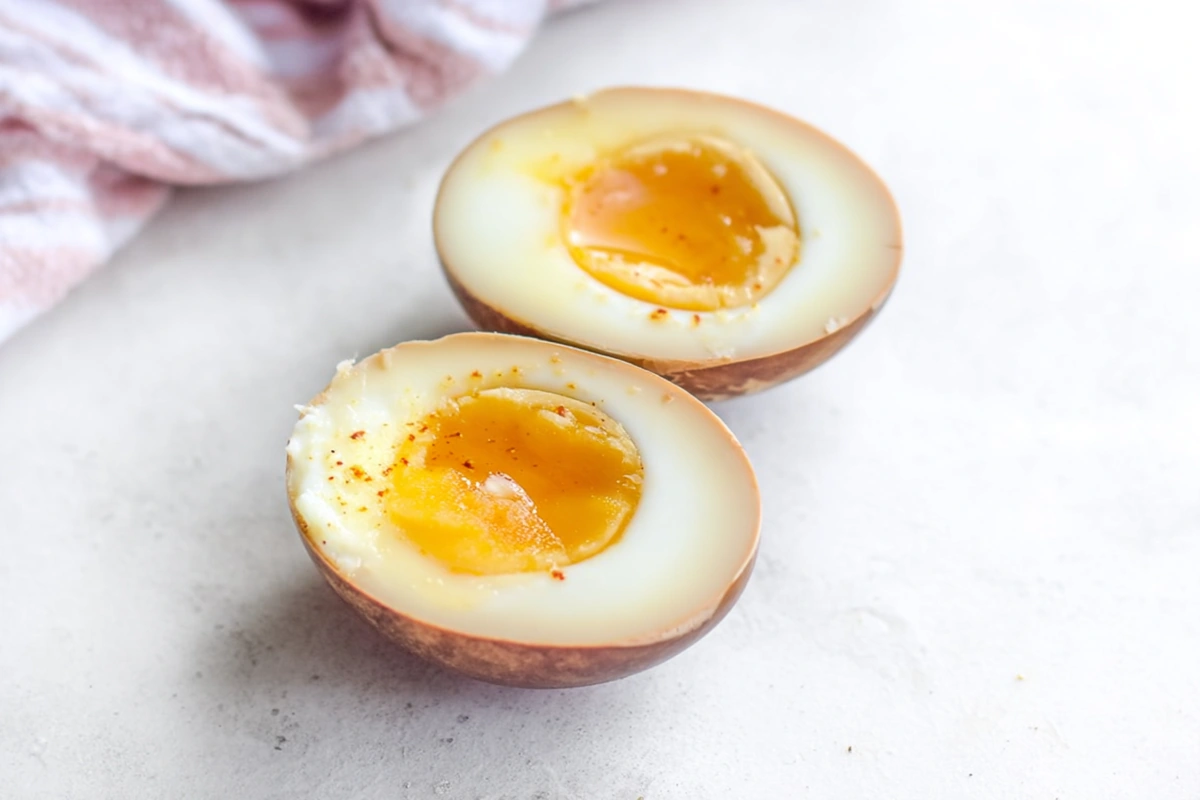
If you love the jammy, marinated eggs in ramen shops, you can make them at home too. My first taste of ramen eggs hooked me, and after improving the technique, I found it’s easier than it seems. With the right timing and marinade, you can master restaurant-quality ramen eggs in your own kitchen.
Ingredients & Tools You’ll Need
Essential Ingredients
- 6 large eggs (room temperature)
- ½ cup low-sodium soy sauce
- ½ cup mirin
- ¼ cup sake or water (for non-alcoholic option)
- 2 tablespoons sugar
- 1 clove garlic, smashed (optional)
- 1 slice fresh ginger (optional)
Equipment Checklist
- Medium saucepan
- Slotted spoon
- Large bowl with ice and water
- Timer
- Resealable plastic bag or container for marinating
Starting with room-temperature eggs helps prevent cracking. An ice bath stops cooking instantly, locking in the “jammy” texture. A resealable bag keeps eggs fully submerged, even if the liquid is short.

Step-by-Step Preparation & Cooking Guide
Boiling the Eggs for a Jammy Yolk
Fill your saucepan so that water covers the eggs by an inch. Bring to a gentle boil, then lower the heat. Add eggs with a slotted spoon and start the timer. For soft-set yolks, cook 6½ to 7 minutes. For firmer centers, cook up to 8 minutes.
Cooling and Peeling
When the timer beeps, move eggs to the ice bath for at least 5 minutes. This stops cooking and helps peeling. Crack shells and peel under running water for best results.
Creating the Marinade
Combine soy sauce, mirin, sake (or water), and sugar in a small saucepan. Warm only until the sugar dissolves. Add garlic and ginger for extra depth. Cool the marinade before adding eggs.

Marinating for Maximum Flavor
Put eggs in a resealable bag or shallow container. Pour marinade over, making sure eggs are coated. Use a little water or a folded towel to submerge eggs. Refrigerate at least 4 hours (8–12 hours for deeper flavor). Turn eggs occasionally.

Serving Ideas & Pairings
Classic Ramen Bowls
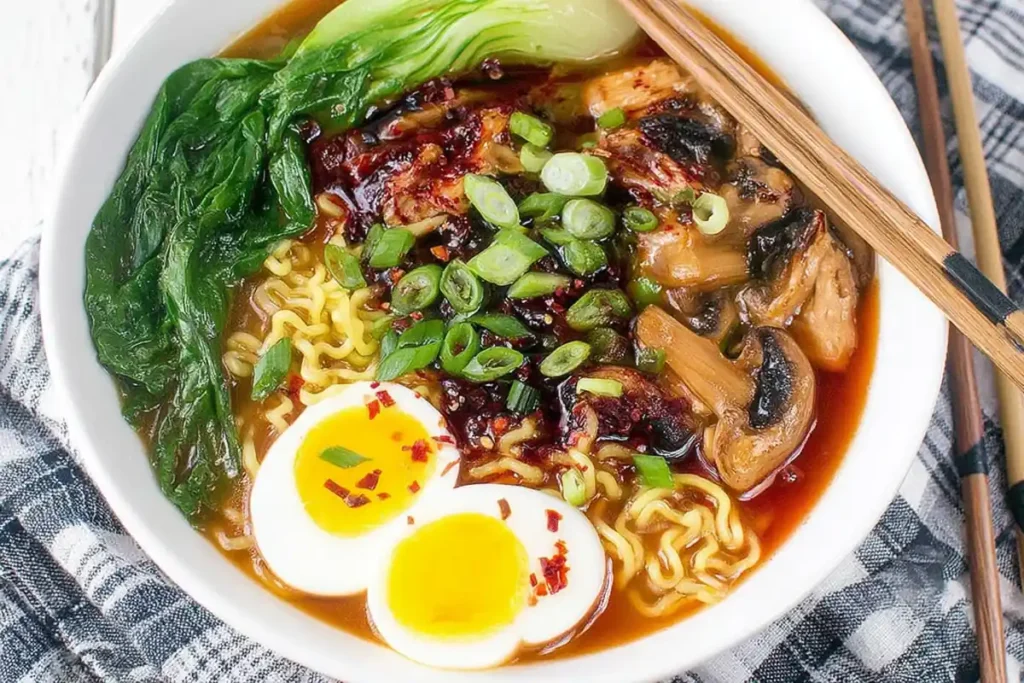
Slice eggs lengthwise and add to ramen—miso, shoyu, or tonkotsu. Umami-packed whites and creamy yolks even improve instant noodles.
Beyond Ramen
Don’t just use these in soup. Serve on rice for a quick lunch. Add to a salad for protein or in a sandwich for a twist. They’re perfect for bento boxes or as snacks.
Presentation Tips
Slice with a sharp, wet knife. Sprinkle with sesame, green onions, or furikake for color and crunch.
Storage, Shelf Life & Safety Tips
Store eggs in marinade in the fridge for up to 3 days. After that, the texture changes, and the yolk may dry out. Don’t freeze—soft-boiled eggs turn rubbery. For meal prep, make eggs and marinade a day ahead and marinate overnight. Discard the marinade if it’s touched eggs for more than a day for safety.
Making ramen eggs at home lets each bowl of noodles, rice, or salad taste like it’s from a comfy ramen shop. Gentle timing, a quick chill, and a flavorful soak turn an egg into a special topping. Once mastered, you’ll make extras since they disappear fast. Grab a pot, set your timer, and make ramen night unforgettable.
FAQ
How long should I marinate ramen eggs for the best flavor?
For a clean yet flavorful marinade, 4-12 hours usually hits the sweet spot. If you let them sit overnight (about 8 to 12 hours), the flavor deepens nicely without becoming too salty. Marinating longer than 24-48 hours can work, but you risk the yolk becoming firmer or the exterior getting overly salty.
Can I make ramen eggs ahead of time for meal prep?
Yes, you totally can. Once cooked and marinated, ramen eggs store well in the fridge (in their marinade or covered) for up to about 3-5 days. They make excellent add-ons for quick meals since you can slice them and toss them into ramen, rice bowls, or salads when you need something flavorful in a hurry.
What is the ideal yolk texture for ramen eggs?
Most people aim for a “jammy” yolk — set around the edges but soft and slightly runny toward the middle. Cooking around 6½ to 7 minutes in simmering water, followed immediately by an ice bath, usually delivers this texture. If you like your yolk more set, add another 30–60 seconds.
Are ramen eggs safe if the yolk is soft?
Yes, generally. Using fresh eggs, heating them to a proper boiling or simmer, and then cooling them quickly minimizes risk. If you’re especially concerned (for example, pregnant or immunocompromised), use pasteurized eggs or cook them slightly longer until the yolk is firmer. Proper storage (keeping them refrigerated) is also key.
Can I reuse the marinade after making ramen eggs?
You can reuse marinade in some cases, but you’ll want to be cautious. Since the eggs have been in contact with the marinade, there’s a risk of bacteria. If you reuse it, boil the marinade first to kill any microbes, cool it completely, and use it fresh. Reusing too many times or storing for too long isn’t recommended.
Print
Ramen Eggs
- Total Time: 4 hours 20 minutes
- Yield: 6 servings 1x
Description
Savory ramen eggs (Ajitsuke Tamago) are soft-boiled eggs with jammy yolks marinated in soy sauce, mirin, and sugar. They add umami depth to ramen bowls, rice dishes, or snacks, delivering rich flavor and a restaurant-quality touch at home.
Ingredients
- 6 large eggs (room temperature)
- ½ cup low-sodium soy sauce
- ½ cup mirin
- ¼ cup sake or water (non-alcoholic option)
- 2 tablespoons sugar
- 1 clove garlic, smashed (optional)
- 1 slice fresh ginger (optional)
Instructions
- Fill a medium saucepan with enough water to cover the eggs by 1 inch and bring to a gentle boil.
- Reduce the heat slightly, lower the eggs carefully with a slotted spoon, and cook for 6½–7 minutes for jammy yolks (8 minutes for firmer centers).
- Transfer immediately to an ice bath for at least 5 minutes to stop cooking.
- Peel eggs carefully under running water.
- In a small saucepan, combine soy sauce, mirin, sake (or water), and sugar. Warm just until sugar dissolves, then cool to room temperature. Add garlic and ginger if desired.
- Place peeled eggs in a resealable bag or container. Pour in the marinade, making sure the eggs are submerged. Refrigerate 4–12 hours, turning occasionally.
- Slice and serve over ramen, rice bowls, salads, or enjoy as a snack.
Notes
- Marinating longer than 12 hours deepens color and flavor, but can make eggs too salty.
- Use pasteurized eggs or extend cooking time slightly if soft yolks are a concern.
- Discard used marinade after 24–48 hours for food safety.
- Ramen eggs are best consumed within 3–5 days of marinating.
- Prep Time: 10 minutes
- Cook Time: 7 minutes
- Category: Appetizer / Side / Topping
- Method: Boiling and Marinating
- Cuisine: Japanese
Nutrition
- Serving Size: 1 egg
- Calories: Approx. 80 kcal
- Sugar: 2 g
- Sodium: 450 mg
- Fat: 5 g
- Saturated Fat: 1.5 g
- Unsaturated Fat: 3 g
- Trans Fat: 0 g
- Carbohydrates: 2 g
- Fiber: 0 g
- Protein: 6 g
- Cholesterol: 185 mg