Samoas Cookies Copycat (The Way Mama Would Sneak One Before Dinner)

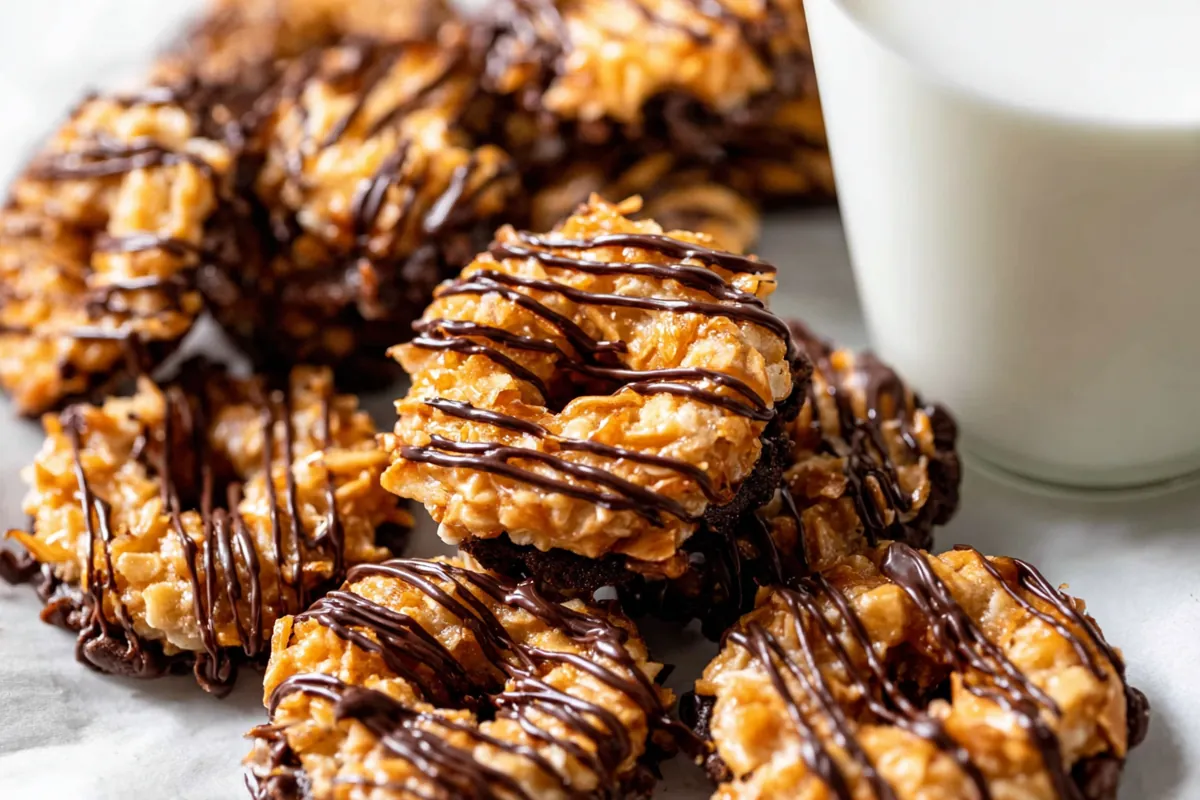
There’s something about Samoas cookies copycat recipes that pulls people right in—probably that mix of crisp shortbread, chewy caramel, toasted coconut, and chocolate. It’s a layered cookie, but each part has its place. Nothing fancy. Just done right.
What makes this version worth your time is how the textures come together. The base stays firm, the topping sticks without sliding off, and the chocolate doesn’t overpower. I’ve made these more times than I can count, adjusting little things until it felt like something mama would’ve approved of.
You’ll learn how to handle the dough, toast the coconut properly, and keep the caramel from turning into a sticky mess.
What Are Samoas Cookies?
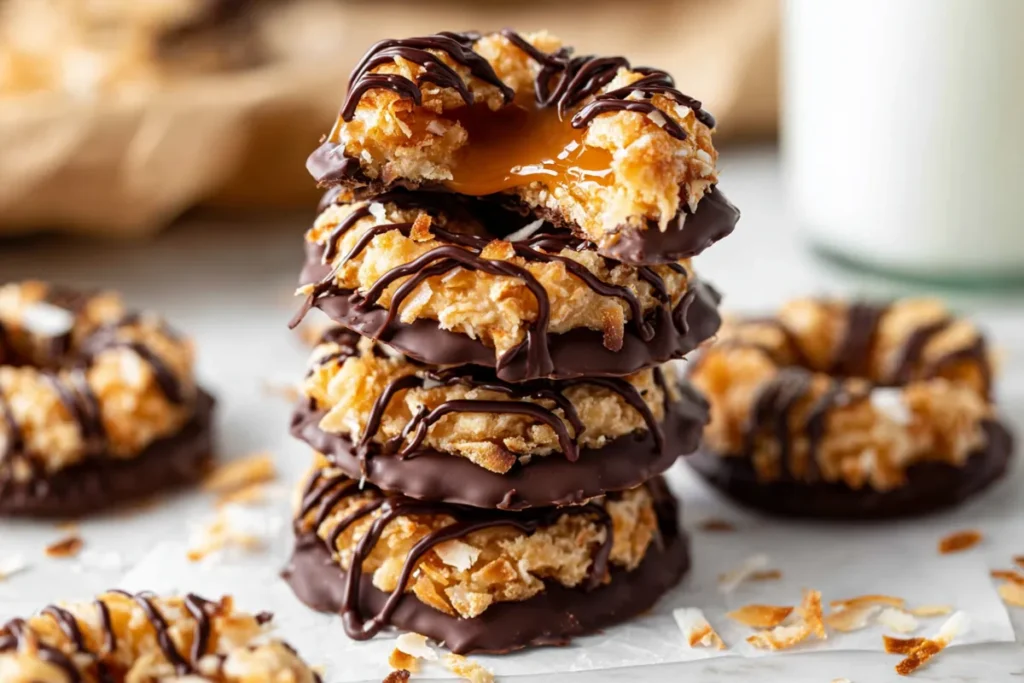
If you’ve ever waited for Girl Scout season, you already know these. Samoas cookies are those ring-shaped treats with a buttery base, a thick layer of caramel-coated coconut, and just enough chocolate to tie it together.
What stands out isn’t just the flavor—it’s the contrast. The cookie has a slight snap when you bite it, then the topping gives way to something chewy and rich. That balance matters.

At home, you’ve got more control. You can toast the coconut a little deeper if you like a nuttier edge, or keep it lighter. I usually aim for a golden brown after about 12 minutes in a 350°F oven, stirring halfway so it doesn’t burn in spots.
Why This Samoas Cookies Copycat Works
A lot of versions out there rush the process. This one doesn’t. The dough gets chilled properly, which keeps the cookies from spreading too much when baked. Skip that, and you’ll lose the clean ring shape.
The caramel is loosened with a bit of heavy cream, just enough so it spreads without tearing the cookie. Too thick, and it clumps. Too thin, and it slides right off.
I also prefer using a mix of granulated sugar and powdered sugar in the dough. That combination gives you a cookie that holds its shape but still has a tender bite. It’s not dry, and it doesn’t crumble when you handle it.
It takes a little patience. Worth it.
Key Ingredients That Matter
You don’t need anything unusual here, but a few ingredients do more work than others.
- Unsalted butter (room temperature): Soft enough to cream smoothly. If it’s too cold, you’ll see lumps. Too warm, and the dough gets greasy.
- All-purpose flour (spooned and leveled): Don’t pack it. That’s how cookies turn dense.
- Shredded sweetened coconut: This is the heart of the topping. Toasting it brings out a deeper flavor—watch it closely after the 10-minute mark.
- Soft caramels + heavy cream: Melt them slowly in the microwave, about 30-second bursts, stirring in between. If it looks stiff, add a teaspoon more cream.
- Dark chocolate melting wafers: They melt smoother than regular chocolate chips and set with a nice finish.
One small thing—add a teaspoon of oil to the chocolate. It makes dipping easier and gives you a cleaner coating underneath.
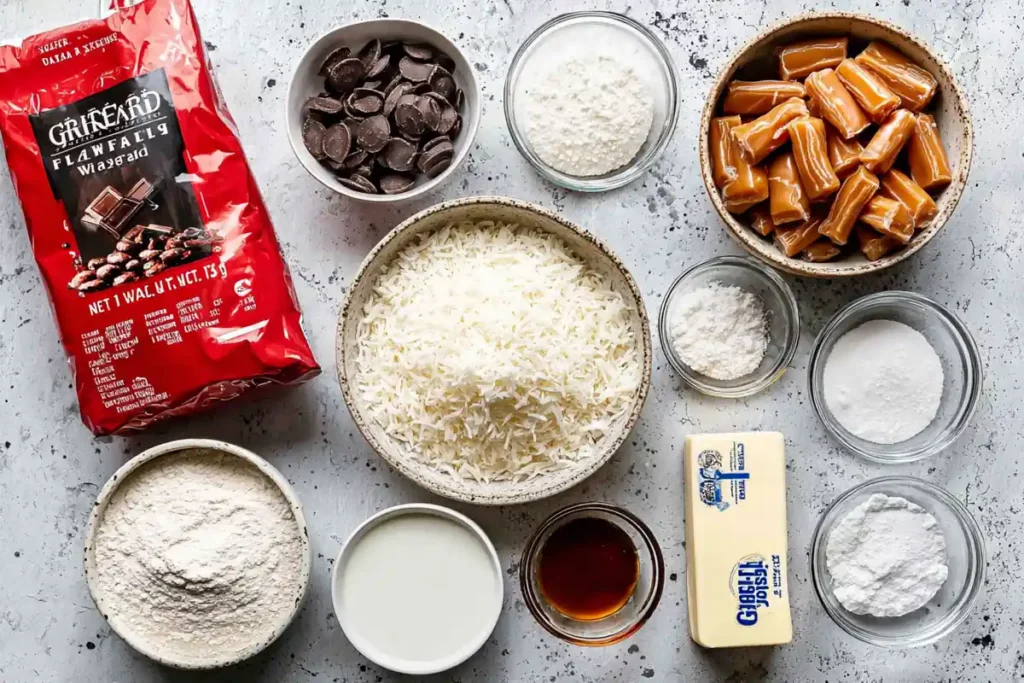
Making the Shortbread Base
Start with the butter and salt. Beat them for a good 2–4 minutes until smooth and slightly lighter in color. Then add the sugars, milk, and vanilla. You’re not just mixing—you’re building structure here.
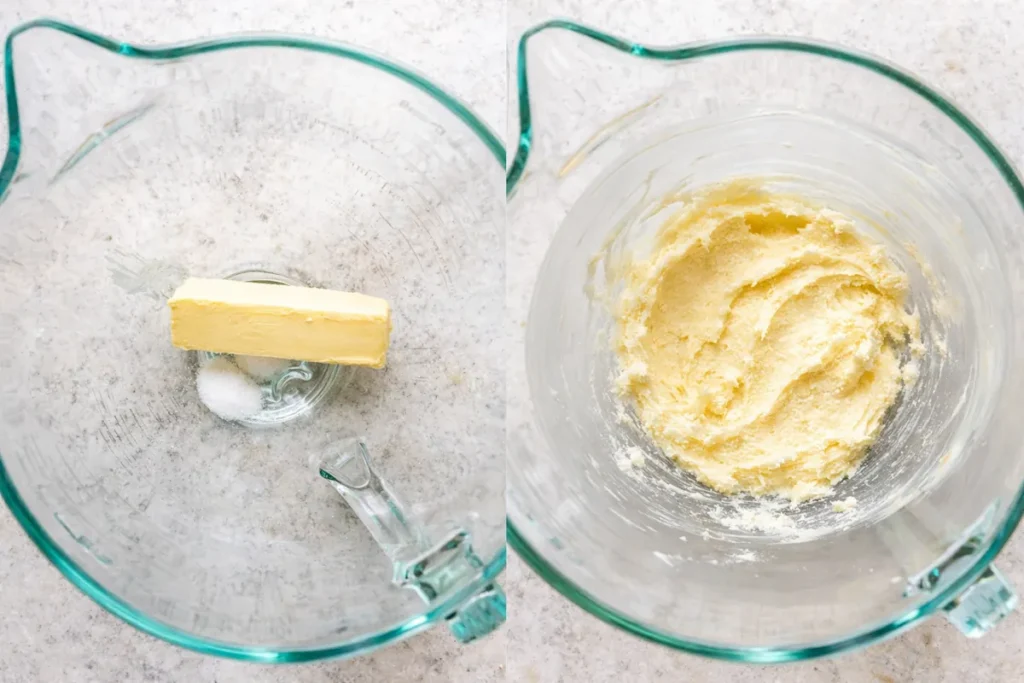
Once the flour and baking soda go in, keep the mixer on low. Stop as soon as the dough comes together. Overmixing at this stage makes the cookies tough.
Rolling the dough between parchment sheets helps a lot. No sticking, no extra flour. Aim for about ¼ inch thickness—thinner cookies will crisp too much and won’t hold the topping well.
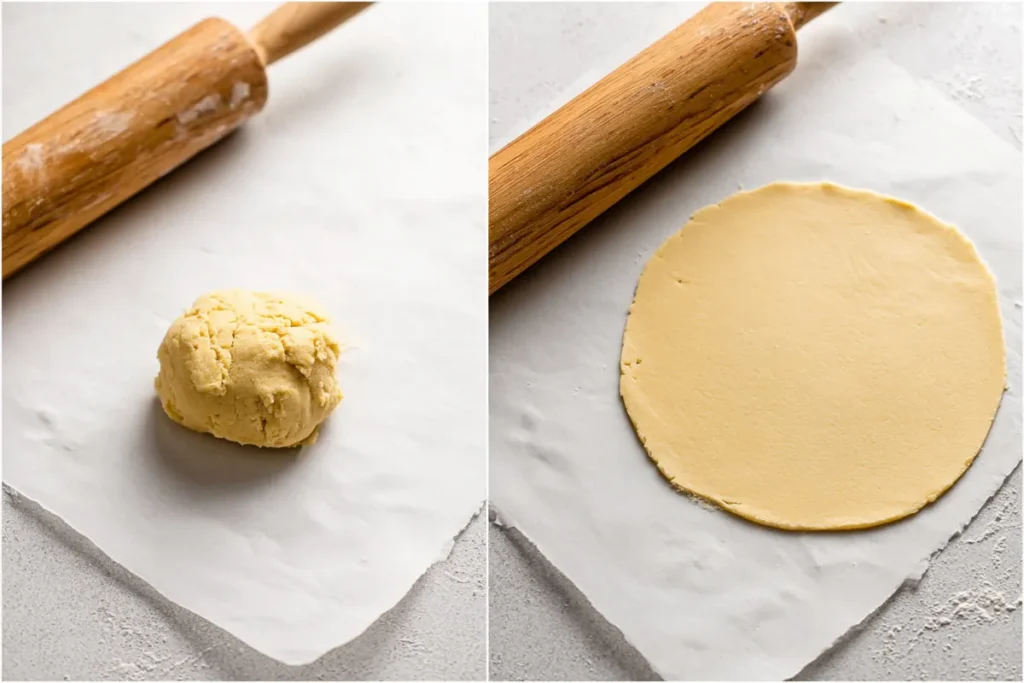
Chill the rolled dough for at least 1 hour. Longer is fine. When it’s firm, cut your circles and remove the centers. If the dough softens while you’re working, back into the fridge it goes.
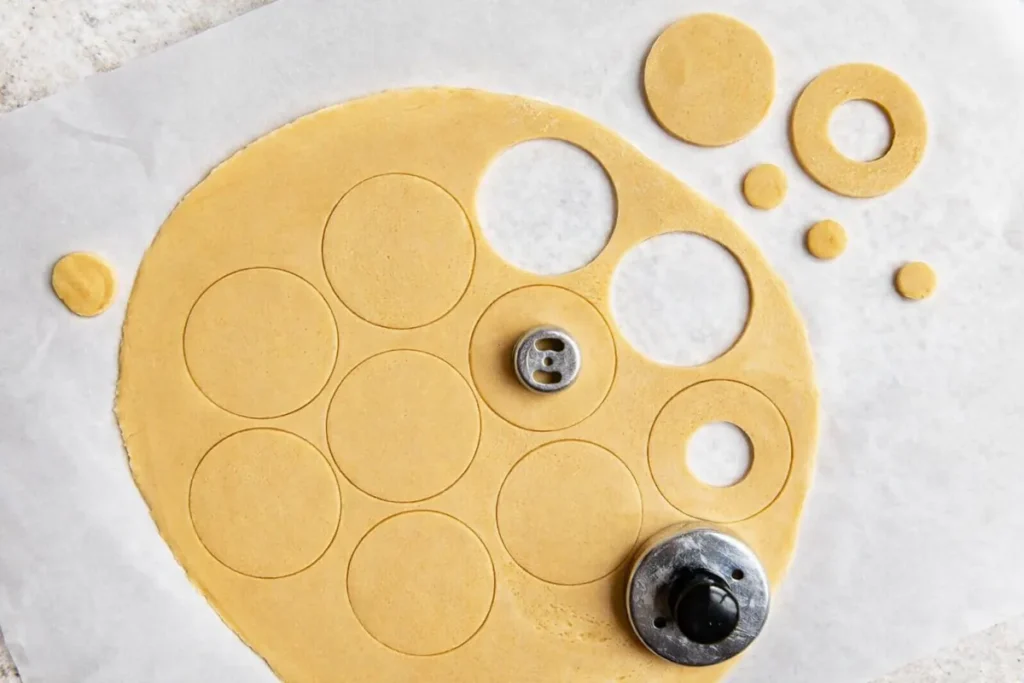
Don’t fight it.
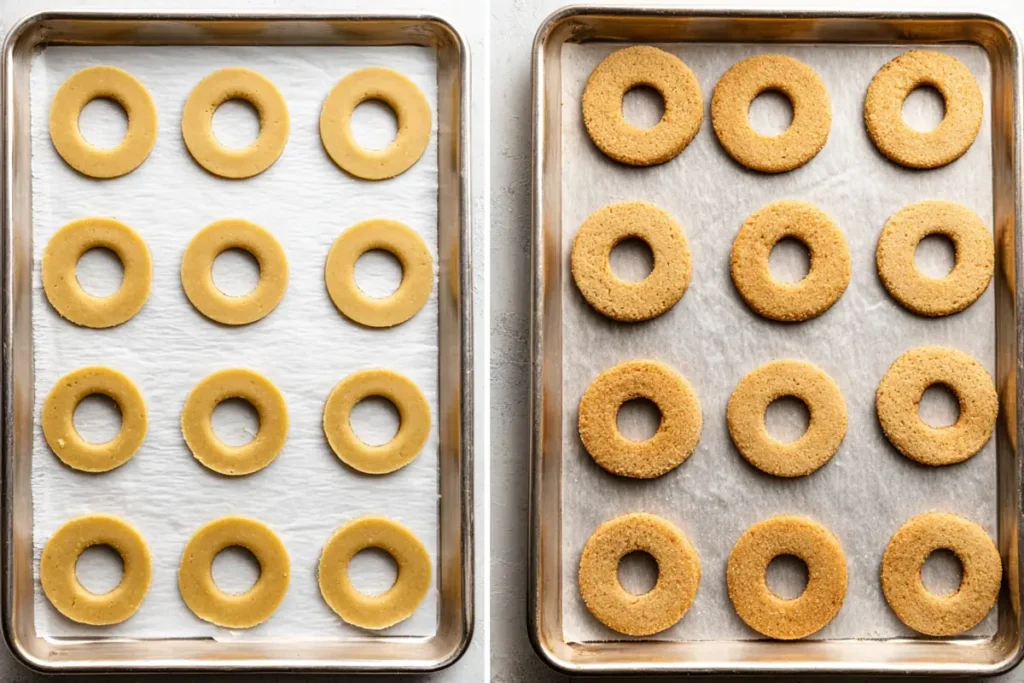
Bake at 350°F for 8–10 minutes. You’re looking for edges that just start to turn golden. Not dark. Let them cool on the pan for a few minutes before moving—fresh out of the oven, they’re fragile.
Toasting the Coconut Without Burning It
Coconut can go from pale to too dark faster than you’d think. Spread it out on a baking sheet in a fairly even layer and toast it at 350°F for about 10 to 15 minutes, stirring often. I usually give it a stir every 3 or 4 minutes, then stay close once it starts turning golden.
You want the color to deepen, but more important, you want it to smell nutty and sweet. That’s the cue. If the edges of the pan are browning faster than the middle, move it around with a spatula instead of letting those darker bits sit there.
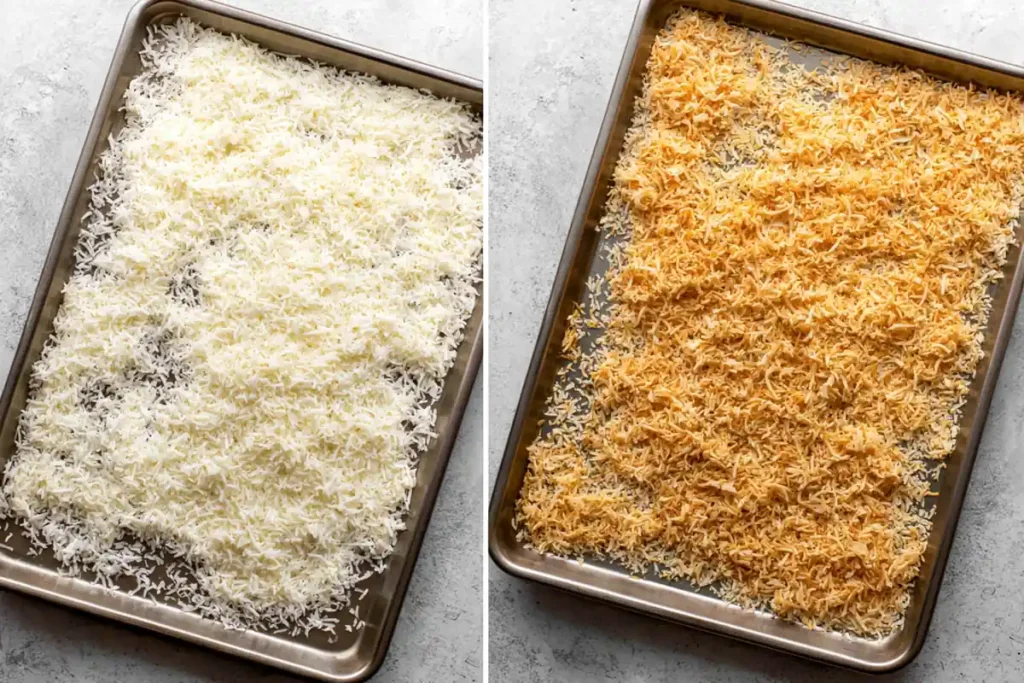
One step that helps: transfer the toasted coconut to a cool, parchment-lined pan right away. Leaving it on the hot baking sheet keeps the toasting going, and sometimes that’s what pushes it too far.
Getting the Caramel to the Right Consistency
This part doesn’t need to be complicated, but it does need attention. Unwrap the caramels, add 2 to 3 tablespoons heavy cream, and microwave in short bursts until smooth. Stir between each round. If you blast it too long, the caramel can get overly hot and stiff as it cools.
What you’re after is thick but spreadable. It should fall slowly from the spoon, not sit there like a lump. If it feels too tight, add a small splash more cream. Not much. A little changes it quickly.
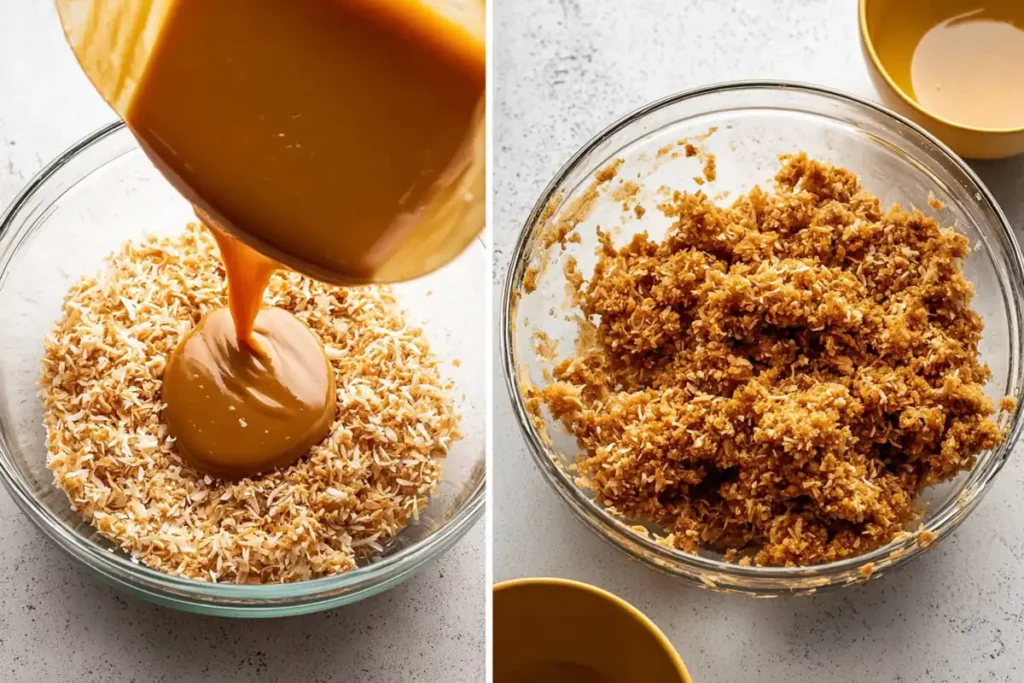
Reserve about 1/4 to 1/3 cup before mixing the rest with the toasted coconut. That small portion acts like glue on the cookie base. It’s a simple step, but it keeps the topping from sliding off when you take a bite.
Coating the Cookies and Finishing with Chocolate
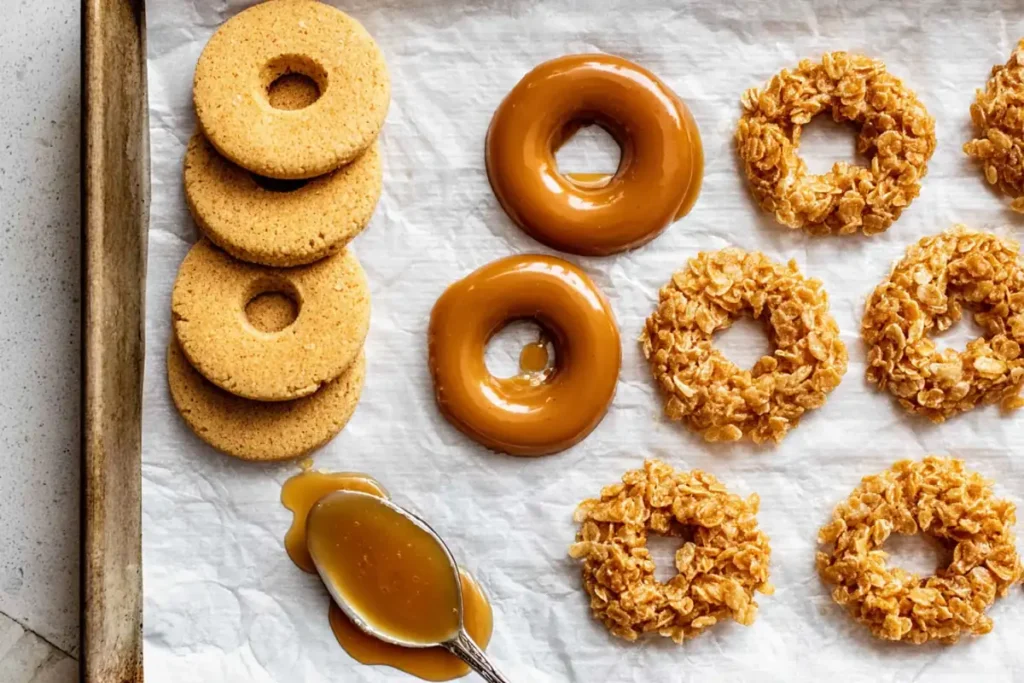
Spread a thin layer of the reserved caramel over each cooled shortbread ring. Go all the way to the edges without piling it on too thick. Then add a small mound of the coconut-caramel mixture and press it gently so it holds together. Fingers work best here, honestly. Messy, yes. But easier.
Let the topped cookies sit for about 15 to 30 minutes so the caramel settles a bit before dipping. That pause helps.
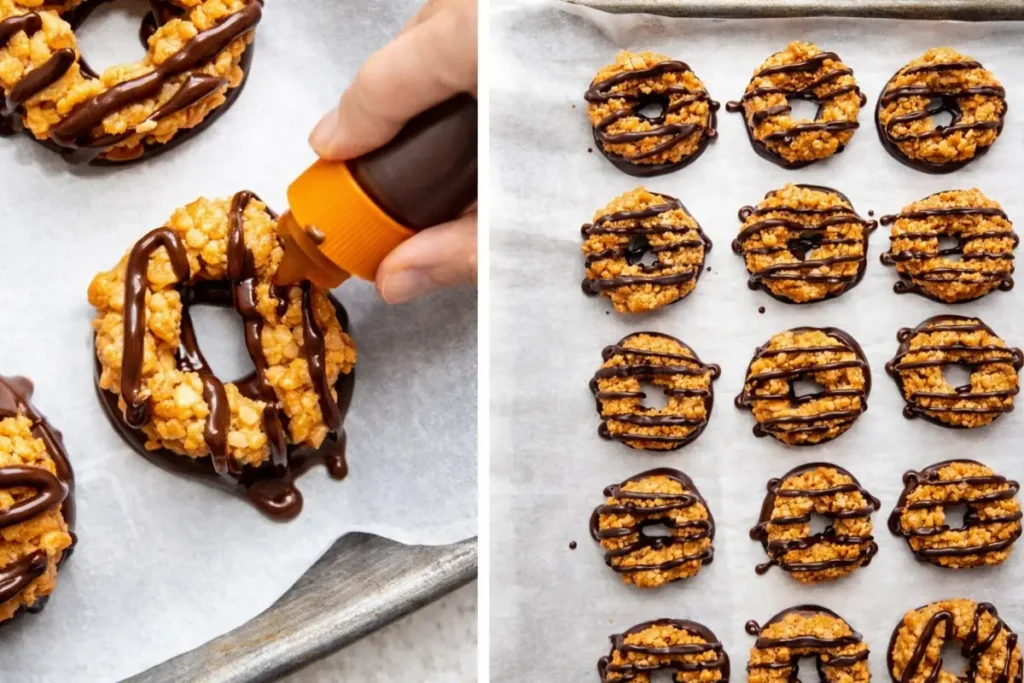
Melt the chocolate wafers with 1 teaspoon oil until smooth, then use a fork to dip the bottom of each cookie. Tap off the excess so you don’t get a heavy puddle underneath. After that, drizzle chocolate over the tops. I use a zip-top bag with a tiny corner snipped off because it gives a thinner line than a spoon.
Don’t rush the set time. Once the chocolate firms up, the whole cookie comes together the way it should.
A Few Baking Tips That Make These Easier
Cold dough is easier to cut cleanly. If the centers start sticking inside your cutter or the rings lose their shape when you lift them, the dough has warmed up too much. Slide it back into the fridge for 10 or 15 minutes and try again.
Keep a bowl of warm water nearby when assembling. Not for the cookies—for your fingers. When the caramel-coconut mixture starts sticking too much, a quick rinse and dry makes the next few cookies much easier to shape.
One more thing: don’t overbake the shortbread, thinking the caramel topping will hide it. It won’t. If the cookie base gets too brown, the whole thing tastes a little flat. Pull them when the edges are just lightly golden, and let the toasted coconut and dark chocolate do the heavier work.
Small Variations That Still Fit the Recipe
I’m careful with variations on a cookie like this, because once you change too much, it stops tasting like the one you came for. Still, a few swaps work well. Dark chocolate gives a slightly deeper finish, but semisweet works if you want the topping a little softer in flavor.
You can also use store-bought soft caramels from different brands, as long as they melt smoothly with cream. Hard caramel candies tend to be more stubborn and usually need more liquid, which can make the topping looser than you want.
As for the coconut, sweetened shredded coconut is the right fit here. Flakes that are too long or too dry can make the topping harder to mound neatly. I’d leave the shortbread base alone, though. That’s the part that keeps the whole cookie grounded.
How to Store Them and Get Ahead
Once the chocolate is fully set, these cookies keep well in an airtight container at room temperature for about 3 days. If your kitchen runs warm, the caramel can soften more than you want, so the fridge is a better choice. There, they’ll keep for about 1 week.
For longer storage, chill them until firm, then freeze in layers with parchment between them. They usually hold up well for about 1 month. Let them sit at room temperature for 15 to 20 minutes before serving so the caramel softens slightly again.
You can also make the dough ahead and leave it rolled between parchment in the fridge overnight. That breaks up the work nicely, especially if you don’t feel like making every part in one go.
The Batch Worth Keeping Around
A good Samoas cookies copycat recipe should give you that mix of crisp, chewy, and chocolatey in one bite. This one does, and it does it without making the process harder than it needs to be.
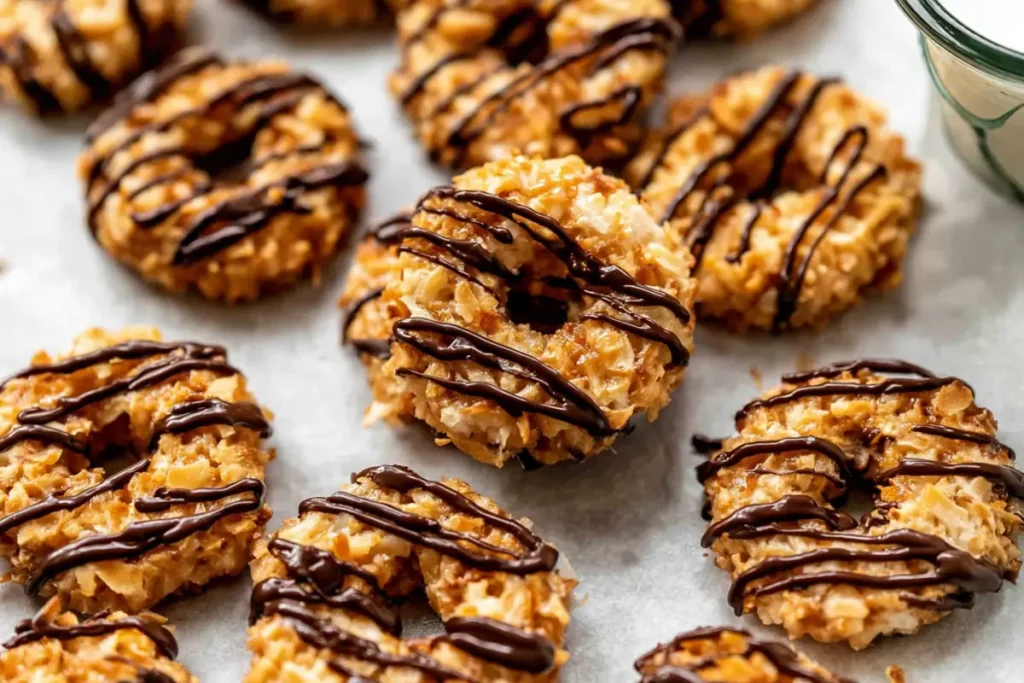
Take your time with the chilling and the caramel, and the rest falls into place. Pull up a chair. Mama always made extra.
Print
Samoas Cookies Copycat
- Total Time: 1 hour 30 minutes
- Yield: 24 cookies 1x
Description
Homemade Samoas Cookies Copycat with buttery shortbread, toasted coconut, rich caramel, and a smooth chocolate finish. A nostalgic treat you can make anytime at home.
Ingredients
- 1/2 cup unsalted butter, room temperature
- 1/4 tsp salt
- 1/3 cup granulated sugar
- 2 Tbsp powdered sugar
- 1 Tbsp whole milk
- 1/2 tsp vanilla extract
- 1 cup all-purpose flour
- 1/4 tsp baking soda
- 3 1/2 cups shredded sweetened coconut flakes
- 15 oz soft caramels
- 2–3 Tbsp heavy cream
- 10 oz dark chocolate melting wafers
- 1 tsp oil
Instructions
- Cream butter and salt for 2–4 minutes, then add sugars, milk, and vanilla and beat again.
- Mix in flour and baking soda on low speed until dough forms.
- Roll dough between parchment to 1/4 inch thick and chill at least 1 hour.
- Preheat oven to 350°F and toast coconut for 10–15 minutes, stirring often.
- Cut chilled dough into rings and bake 8–10 minutes until edges are lightly golden.
- Melt caramels with cream until smooth, reserving a small portion.
- Mix most caramel with toasted coconut until fully coated.
- Spread reserved caramel on cookies, then press coconut mixture on top.
- Melt chocolate with oil, dip bottoms of cookies, and drizzle over tops.
- Let cookies set completely before serving.
Notes
- Chill dough well to prevent spreading.
- Toast coconut carefully to avoid burning.
- Adjust caramel with cream for easier spreading.
- Let chocolate fully set before storing.
- Store in airtight container up to 3 days or refrigerate for longer freshness.
- Prep Time: 1 hour
- Cook Time: 30 minutes
- Category: Dessert
- Method: Baking
- Cuisine: American
Nutrition
- Serving Size: 1 cookie
- Calories: 180
- Sugar: 14
- Sodium: 60
- Fat: 10
- Saturated Fat: 7
- Unsaturated Fat: 2
- Trans Fat: 0
- Carbohydrates: 22
- Fiber: 1
- Protein: 2
- Cholesterol: 15