Sautéed Vegetables: Crisp Edges, Bright Flavor, and Real Weeknight Ease


Vegetables don’t fail because they’re bland. They fail because they’re rushed, crowded, or handled without intention. A good sauté doesn’t taste boiled or tired — it tastes lightly caramelized, clean, and awake. The pan gives off a steady sizzle, carrots pick up sweetness at the edges, and garlic turns fragrant without ever crossing into bitter. That’s the difference between vegetables you tolerate and ones you actually look forward to eating.
This version is built around timing more than seasoning. Bell pepper, carrots, onion, and broccoli go into hot oil first so they can brown before they soften. Squash waits its turn because it cooks faster. Garlic and thyme come in late, just long enough to bloom in the oil. Lemon juice finishes the pan, not to make it sour, but to sharpen everything that’s already there. Nothing is complicated, but every step has a reason.
Sautéed Vegetables like these are dependable in the way good home cooking should be. They show up alongside roast chicken or grilled fish without stealing attention, and they’re just as comfortable folded into a bowl of grains or topped with a soft egg. Parmesan is optional, not a requirement — useful when the vegetables stand alone, unnecessary when the plate already has richness.
What follows isn’t about adding more ingredients or flair. It’s about heat, space in the pan, and knowing when to stop. Once those pieces fall into place, the vegetables do the rest on their own.
Table of Contents
The Vegetable Lineup (And What Each One Is Actually Doing)
This pan works because every vegetable earns its place. Sautéed Vegetables aren’t about throwing everything in at once — they’re about building balance through texture, sweetness, and timing. The mix here leans colorful and practical, using vegetables that cook at different speeds but finish together when treated with a little patience.
Bell pepper brings sweetness and softness early, helping coat the pan in oil and flavor. Carrots add body and structure; slicing them fairly thin matters because thicker cuts stay crunchy long after everything else is ready. Broccoli is the anchor — it browns well, holds its shape, and keeps the dish from feeling limp. Yellow squash fills in the gaps, turning tender and almost creamy, but only if it’s added later so it doesn’t collapse.
Red onion does quite work in the background. It softens, sweetens, and carries seasoning without ever standing out. If you swap in white or yellow onion, expect a sharper bite and less sweetness by the end.
- Red bell pepper: Adds early sweetness and color; green peppers stay too bitter here.
- Carrots: Slice thin so they cook through without stealing crunch from the rest.
- Broccoli florets: Cut into bite-sized so edges brown before stems soften.
- Yellow squash: Goes in late; early heat turns it watery.
- Red onion: Melts into the mix and distributes seasoning evenly.
The Quiet Role of Garlic, Thyme, and Lemon (And Why They’re Added Late)
The seasoning in this dish is restrained on purpose. Olive oil does most of the heavy lifting, carrying heat and helping the vegetables brown instead of steaming. Garlic and fresh thyme are there to perfume the pan, not dominate it. Added too early, garlic turns sharp and bitter; added late, it smells toasted and warm.
Fresh thyme holds up to heat better than dried here, releasing flavor slowly as it hits the oil. Lemon juice isn’t about acidity for its own sake — it lifts the vegetables right at the end, keeping the flavors bright instead of heavy. Parsley finishes things cleanly, especially useful when it sits next to roasted meat or an easy seafood dinner.
Parmesan is optional and situational. When these vegetables stand alone, a light dusting adds depth. When paired with richer mains, it’s easy to leave it off.
- Olive oil: Use enough to coat the pan; skimpy oil leads to scorching.
- Minced garlic: Add late to avoid bitterness.
- Fresh thyme: Subtle and earthy; dried thyme can taste dusty here.
- Fresh lemon juice: Sharpens flavor without making it sour.
- Parsley: A fresh finish that resets the palate.
- Parmesan (optional): Adds salt and umami when serving solo.

The One Moment That Decides Everything: The First 4 Minutes in the Pan
Start with a wide skillet and give it time to heat properly. When the olive oil goes in, it should shimmer and move easily across the surface, not sit still. As soon as the bell pepper, carrots, onion, and broccoli hit the pan, you should hear a confident sizzle — sharp and steady, not a weak hiss. That sound tells you the heat is high enough to brown instead of steam.
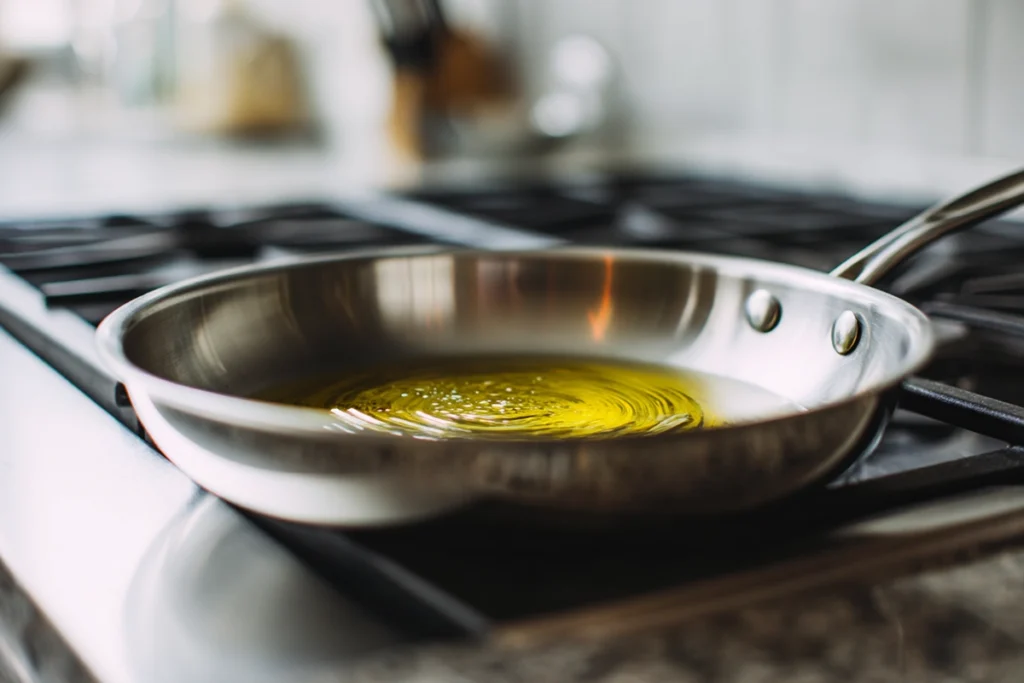
For the first few minutes, resist the urge to stir constantly. Let the vegetables sit long enough for their edges to take on color. You’ll see carrots deepen slightly, broccoli tips darken, and onion soften around the edges. The smell at this stage is faintly sweet and grassy, not garlicky yet — that comes later.
Adding the Faster Vegetables Without Losing the Pan’s Heat
Once the sturdier vegetables have some color, the squash joins the pan. It should land in hot oil and sizzle immediately; if the pan goes quiet, it’s overcrowded. Squash cooks quickly and releases moisture, so it needs less time and more space than the others.
As everything cooks together, the vegetables should look glossy but dry, never wet. When pressed with a spoon, they should feel tender but still push back slightly — soft, not collapsing. This balance is what keeps this easy vegetable side from drifting into mush.
Finishing with Aromatics and Brightness
Garlic and thyme go in last, when the pan is already fragrant from the vegetables themselves. The smell changes almost instantly — warm, toasted, and savory — and that’s your cue to keep things moving. Garlic only needs a short window; once it smells sweet instead of sharp, it’s done.
Salt and pepper settle into the oil at this stage, coating everything evenly. Lemon juice hits right at the end, hissing briefly as it meets the hot pan, lifting the aroma and cutting through the richness. The finished vegetables should look vibrant, lightly browned, and smell clean and fresh — closer to roasted vegetables than anything steamed.
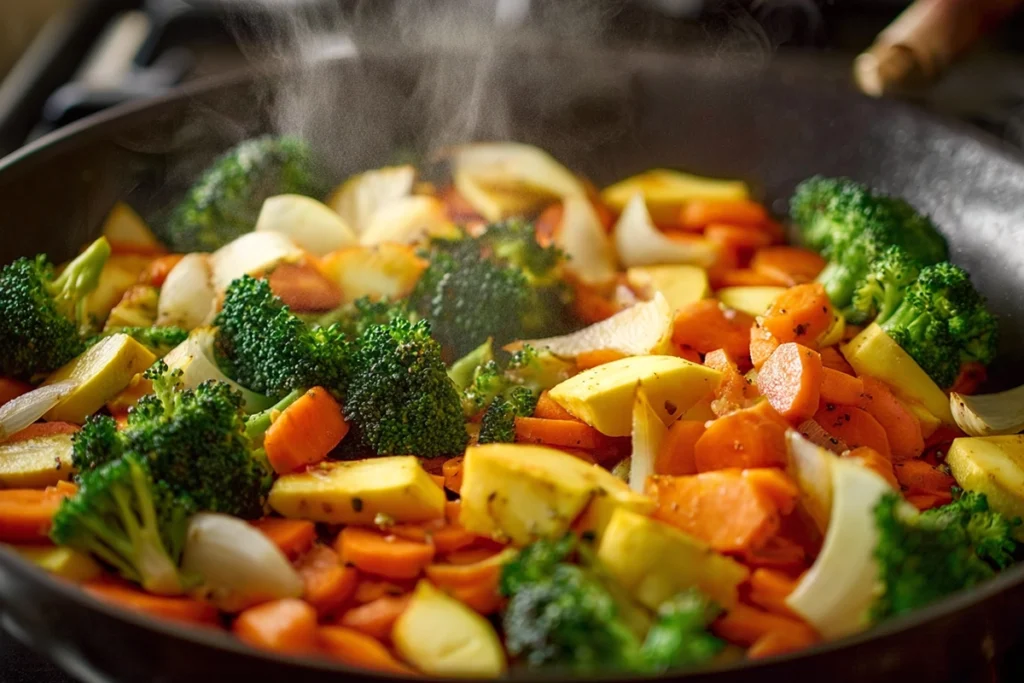
This is the point to stop. Another minute past here dulls the flavor, and this dish works best when the vegetables still feel alive under the fork.
Small Adjustments That Keep the Pan Honest
This dish holds up to a few thoughtful changes, as long as they respect the original balance. If red bell pepper isn’t available, orange or yellow peppers work well and keep the sweetness intact; green peppers tend to read sharp and grassy once sautéed. Zucchini can stand in for yellow squash, but it needs the same late entry, or it will soften too fast and water out the pan.
If you only have dried thyme, use it sparingly and add it with the garlic so it doesn’t taste dusty. Salted butter isn’t a good swap for the olive oil here — it burns faster and dulls the vegetables — but a neutral oil like avocado oil works if you need higher heat. Adding raw spinach or delicate greens sounds tempting, but they wilt instantly and muddy the texture; save them for a separate sauté.
Leftover rotisserie chicken can be folded in at the very end, cold from the fridge, just long enough to warm through. Adding it earlier dries it out and steals heat from the vegetables.
When This Works Best on the Plate
These vegetables are at their best when they balance something richer. They cut through the fat of roasted chicken thighs or a pan-seared pork chop and keep a steak dinner from feeling heavy. Alongside grilled salmon or shrimp, they echo the clean flavors without competing.
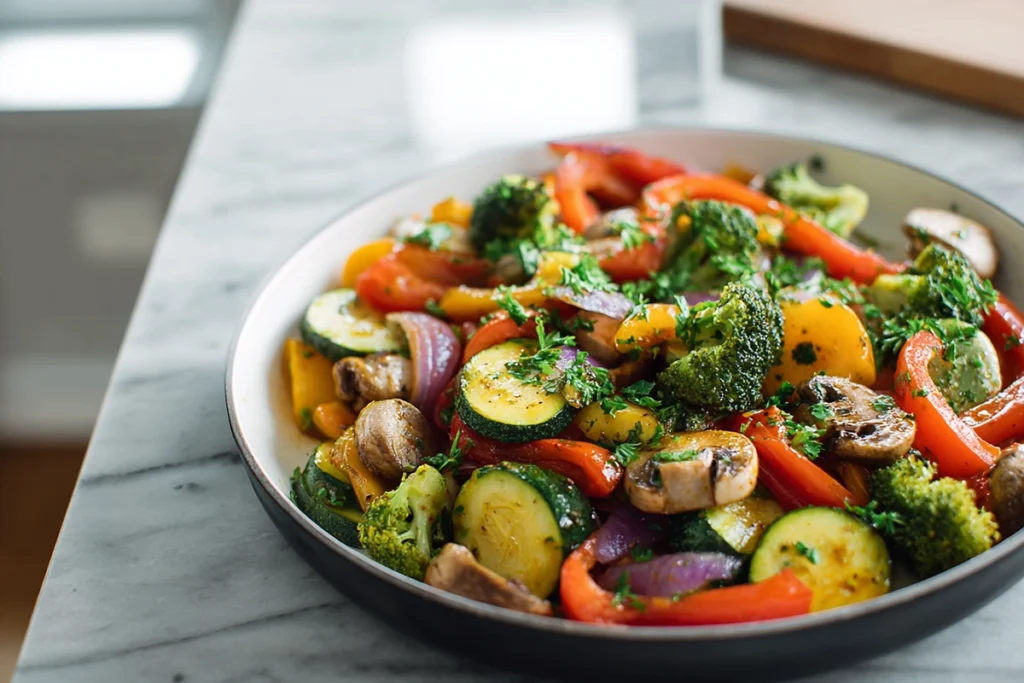
On quieter nights, this pan turns into a meal on its own. Spoon the vegetables over rice or farro, add a soft egg or a light sprinkle of parmesan, and dinner is done. Sautéed Vegetables also hold up well at room temperature, which makes them useful for potlucks or make-ahead lunches.
A Few Last Things That Matter More Than You Think
Crowding the pan is the fastest way to flatten flavor. If the vegetables steam instead of sizzling, cook in batches and combine at the end. Keep the heat steady; dropping it too low halfway through robs the vegetables of color. Most importantly, stop when they’re just tender — another minute feels harmless, but it dulls everything you worked for.
Good cooking doesn’t ask for perfection, just attention. This is the kind of dish that gets better the more often you make it, because you start to recognize the sound of the pan and the look of the vegetables when they’re ready. Once that clicks, this recipe becomes less of a formula and more of a habit — the kind that quietly earns its place at the table.
Get inspired with more mouthwatering recipes! Follow me on Facebook and Pinterest for new cooking ideas every week.
FAQ
Why are my sautéed vegetables releasing water instead of browning?
This usually means the pan was overcrowded or not hot enough when the vegetables went in. When too much moisture builds up, the vegetables steam instead of sautéing. Using a wide skillet and letting the oil heat until it shimmers helps prevent this.
Can I make sautéed vegetables ahead of time?
You can cook them a few hours ahead and keep them at room temperature, but they’re best fresh from the pan. Reheating tends to soften the vegetables and dull the flavor. If you do reheat, use a hot skillet rather than the microwave.
Should sautéed vegetables be soft or slightly crisp?
They should be tender but still have a little resistance when you bite into them. If they’re completely soft, they’ve gone a bit too far. A good sauté leaves the vegetables cooked through but still lively.
Can I use frozen vegetables for this recipe?
Frozen vegetables aren’t ideal for sautéed vegetables because they release a lot of water as they cook. That extra moisture makes it hard to get browning. This method works best with fresh vegetables that can handle high heat.
Is it normal for the garlic to go in near the end?
Yes, and it’s intentional. Garlic cooks very quickly and turns bitter if it stays in the pan too long. Adding it near the end gives you that warm, toasted garlic aroma without overpowering the vegetables.
Print
Sautéed Vegetables
- Total Time: 20 minutes
- Yield: 4 servings 1x
- Diet: Vegan
Description
Simple sautéed vegetables with crisp edges and bright flavor, cooked in olive oil with garlic, thyme, and a finish of lemon. A reliable everyday side that browns instead of steaming.
Ingredients
- 3 tablespoons olive oil
- 1 medium red bell pepper, chopped
- 2 medium carrots, peeled and thinly sliced
- 1/2 medium red onion, chopped
- 2 1/2 cups broccoli florets, bite-sized
- 1 medium yellow squash, halved lengthwise and sliced
- 1 1/2 teaspoons minced garlic
- 1 1/2 teaspoons fresh thyme leaves
- Salt, to taste
- Freshly ground black pepper, to taste
- 2 tablespoons chopped fresh parsley
- 1 1/2 teaspoons fresh lemon juice
- 1/4 cup grated parmesan cheese, optional
Instructions
- Heat olive oil in a wide skillet over medium-high heat until shimmering.
- Add bell pepper, carrots, red onion, and broccoli and sauté, stirring occasionally, until edges begin to brown.
- Add the squash and continue cooking until just tender.
- Stir in garlic and thyme and cook briefly until fragrant.
- Season with salt and black pepper.
- Finish with parsley and lemon juice, then serve with parmesan if desired.
Notes
- Use a wide skillet to avoid overcrowding and steaming.
- Add garlic near the end to prevent bitterness.
- Vegetables should be tender with slight resistance, not soft.
- Prep Time: 10 minutes
- Cook Time: 10 minutes
- Category: Side Dish
- Method: Sauté
- Cuisine: American
Nutrition
- Serving Size: 1 cup
- Calories: 195
- Sugar: 7
- Sodium: 163
- Fat: 13
- Saturated Fat: 3
- Unsaturated Fat: 9
- Trans Fat: 0
- Carbohydrates: 16
- Fiber: 5
- Protein: 6
- Cholesterol: 5