Slow Cooker Korean Beef: Deep, Savory Heat That Builds While You’re Away

The first thing you notice isn’t the beef. It’s the smell — toasted garlic, warm ginger, and something quietly sweet drifting through the house hours before dinner. Not sharp. Not sugary. Just round, savory, and steady, like a sauce that’s been given time to think. This is the kind of meal that makes the kitchen feel occupied even when no one’s standing in it.
What makes this slow cooker Korean beef work isn’t flash or shortcuts. It’s restraint. Chuck roast cut just right, lightly coated, browned long enough to build a surface but not long enough to toughen. Aromatics warmed gently in sesame oil until they soften and bloom instead of burn. And an unexpected backbone — applesauce — doing the work of sugar, liquid, and body all at once, without announcing itself. The result is beef that stays intact, fork-tender but not shredded into submission, wrapped in a sauce that clings instead of slides.
This recipe exists for nights when you want something bold but dependable. The heat comes from gochujang, measured carefully so it deepens rather than dominates. The saltiness of soy sauce is balanced, not loud. Everything is designed to hold up over hours of low heat, because that’s where slow cookers succeed — consistency, not drama.
From here, the cooking is methodical. A few deliberate steps upfront, then time does the rest. Once you understand why those early choices matter, the process feels calm, almost automatic — the way good home cooking should.
Table of Contents
Applesauce Is Doing More Than You Think
This recipe doesn’t rely on refined sugar or extra starch to get a full-bodied sauce. Instead, applesauce quietly carries the load. It brings gentle sweetness, moisture, and structure all at once, which is exactly what a long-cooked sauce needs. As the beef simmers, the natural pectin in the applesauce helps the sauce thicken just enough to cling, not congeal. It’s why the finished dish tastes rounded instead of sharp, and why the sauce feels intentional rather than patched together.
For this slow cooker Korean beef, apple-pear applesauce works best if you can find it. The pear softens the acidity and keeps the sweetness from leaning juvenile. Unsweetened is important here; sweetened versions tip the balance too far and flatten the savory notes later.
- Applesauce (unsweetened): Adds sweetness, body, and balance without refined sugar or extra liquid.
The Beef That Holds Its Shape All Day
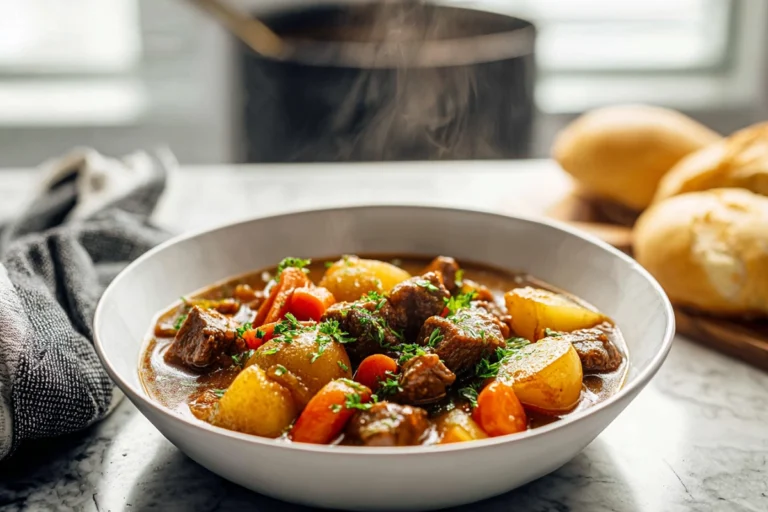
Chuck roast is chosen here for how it behaves over time. It has enough fat and connective tissue to break down slowly, but it doesn’t collapse into shreds the moment it’s touched. Cutting it into even cubes matters more than people realize — uniform pieces cook at the same rate, which keeps the texture consistent from first bite to last.
The light coating of cornstarch before browning isn’t about thickening the sauce later. It creates a thin surface that helps the beef brown quickly and gives the sauce something to cling to after hours in the slow cooker.
- Chuck roast: Rich enough for long cooking, sturdy enough to stay intact.
- Cornstarch: Creates surface structure and improves sauce adhesion.
Building Heat Without Losing Balance
Gochujang brings heat, depth, and fermentation, but it only works if it’s treated with restraint. Here, it’s blended with soy sauce, rice vinegar, and a touch of sweetener so no single note dominates. The goal isn’t fiery heat — it’s warmth that builds and lingers.
Low-sodium soy sauce is non-negotiable. The sauce reduces slightly as it cooks, and regular soy sauce pushes the salt past recovery. Rice vinegar keeps the sauce from tasting heavy after hours of slow heat, while sesame oil is used sparingly so it reads as aroma, not grease.
- Gochujang: Provides fermented heat; start modest and adjust at the end.
- Low-sodium soy sauce: Prevents over-salting during long cooking.
- Rice vinegar: Keeps the sauce bright and balanced.
- Sesame oil: Used lightly for aroma, not richness.
Together, these ingredients explain why this recipe works — not just what goes into it. Once the logic clicks, the rest of the cooking feels straightforward, calm, and repeatable.

The One Step You Can’t Skip (And Why Browning Actually Matters Here)
Before the slow cooker ever gets involved, the beef needs a brief moment of attention. Once the chuck roast is tossed with cornstarch and seasonings, it should hit a hot pan that’s lightly coated with oil. You’re listening for a confident sizzle — sharp and immediate, not a weak hiss. That sound tells you the surface is sealing instead of steaming.
Visually, you’re not looking for a deep crust. The edges should turn lightly golden, with a faint matte look where the cornstarch sets. The smell shifts quickly from raw beef to something richer and almost nutty. When you flip the pieces, they should release easily from the pan; if they stick, they’re not ready. This quick browning gives the slow cooker Korean beef structure, so it stays meaty instead of falling apart later.
Waking Up the Aromatics Without Burning Them
Ginger, scallion whites, and garlic don’t want high heat. When they hit warm sesame oil, the pan should barely whisper, not crackle. Stir gently and watch closely — the garlic turns glossy first, then the ginger softens. The smell is your cue: warm, savory, and slightly sweet, never sharp.
If the garlic starts browning, you’ve gone too far. At this stage, you want aroma, not color. These aromatics will carry through hours of slow cooking, so treating them gently here keeps the sauce balanced instead of bitter.
Slow Cooker Korean Beef: Timing, Texture, and the Fork Test
Once everything is combined in the slow cooker, the work becomes patient rather than active. As it cooks, the sauce darkens slightly and thickens just enough to coat the beef. When you lift the lid near the end, the smell should be deep and savory, with heat that feels rounded, not aggressive.
Texture is the real test. Slide a fork into a cube of beef and twist gently — it should yield without shredding. If it resists, it needs more time. If it collapses immediately, it’s gone too far. This balance is what separates tender Korean beef from overcooked stew, and it’s worth waiting for.

Finishing Without Breaking the Sauce
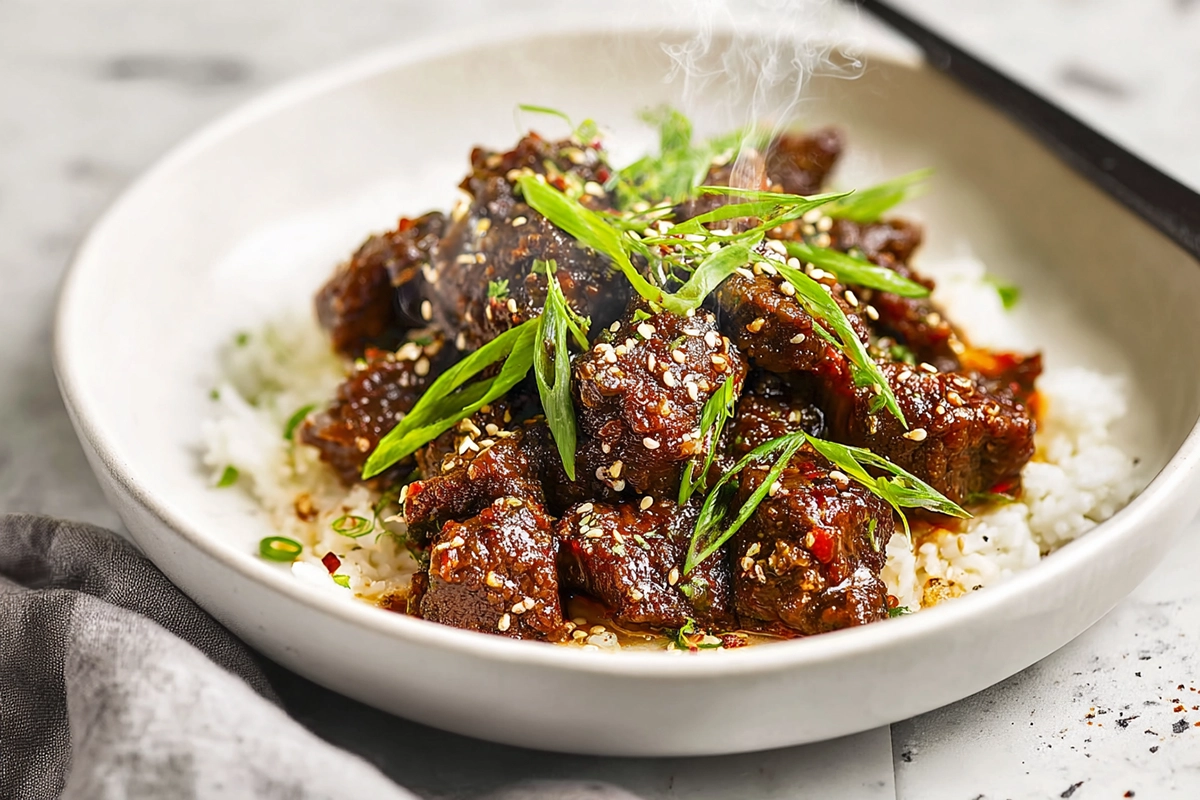
At the end, resist the urge to stir aggressively. The sauce should look glossy and cling to the beef naturally. When you drizzle extra gochujang or Korean BBQ sauce on top, it should ribbon across the surface instead of disappearing instantly.
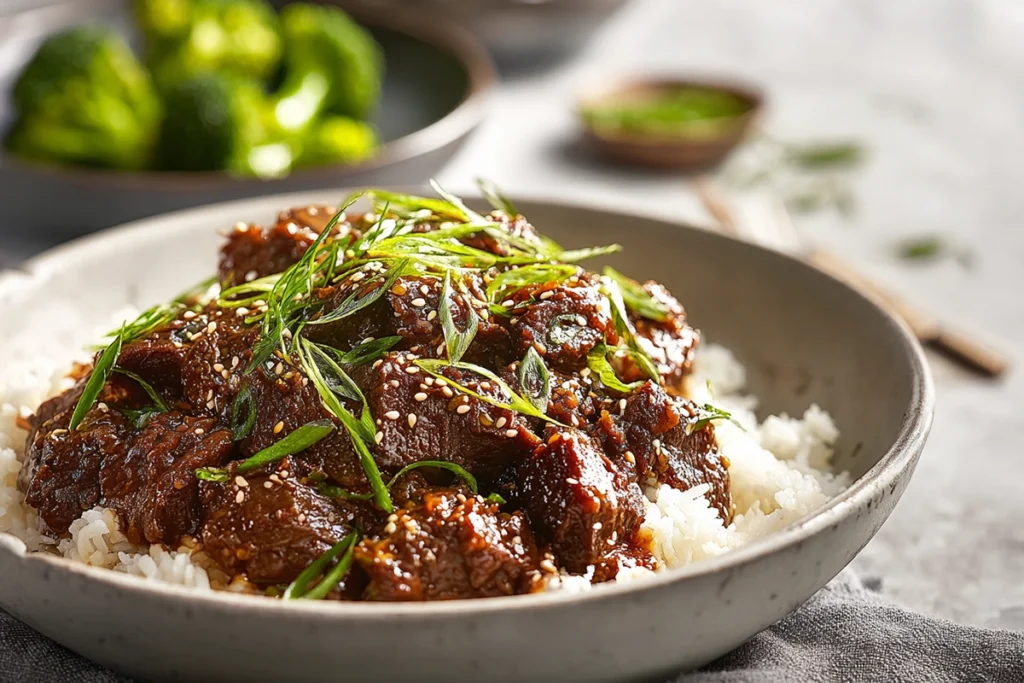
A final scatter of scallion greens and sesame seeds adds contrast — fresh, crisp, and lightly nutty against the slow-cooked richness. At this point, the dish feels complete, not because it’s complicated, but because every stage was given the right amount of care.
Building Heat Without Losing Balance (Variations That Still Work)
This recipe is flexible, but only in ways that respect how long, gentle heat behaves. If you want more spice, the safest adjustment is at the end — a drizzle of extra gochujang or Korean BBQ sauce over the finished beef gives heat without overwhelming the base. Adding more gochujang at the start often backfires, turning deep warmth into blunt heat after hours of cooking.
If applesauce isn’t available, apple-pear is the closest match. Plain apple butter can work in a pinch, but it’s denser and sweeter, so use slightly less and skip any added sweetener. Chili garlic sauce can stand in for gochujang if that’s what’s in your fridge, but expect a sharper, more immediate heat and less fermented depth.
One thing to avoid: swapping the chuck roast for lean cuts like sirloin. They dry out long before the sauce finishes developing, and no amount of extra liquid will fix that texture once it’s gone.
How This Beef Earns a Spot in More Than One Meal
This slow cooker Korean beef is rich, so the best pairings add contrast. Steamed rice is the obvious choice, but it works best when paired with something crisp — a quick cabbage slaw or sliced cucumbers dressed with a splash of rice vinegar cut through the sauce and keep each bite fresh.
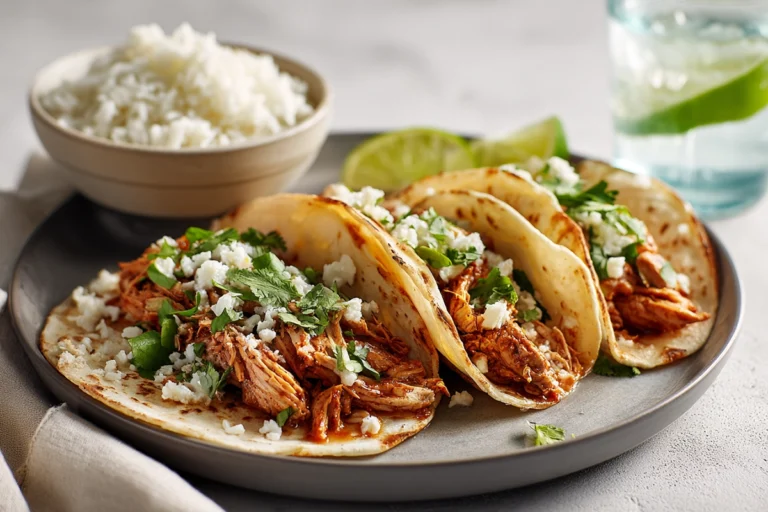
For something more playful, pile the beef into bao buns with crunchy vegetables and a light smear of sauce. It also holds up surprisingly well in tacos, where the sweetness and heat balance tortillas and raw toppings. Leftovers shine over noodles the next day, when the sauce has had time to settle and deepen.
Small Adjustments That Make a Big Difference
Stirring too much at the end can break the sauce’s natural texture. Gentle folding is enough. If the sauce seems loose when hot, give it a few minutes off the heat — it thickens as it cools slightly. And always taste before serving; long cooking softens flavors, and a final pinch of salt or splash of vinegar can bring everything back into focus.
Slow cooker Korean beef works because it respects time. It doesn’t rush flavor, and it doesn’t ask for constant attention. You make a few thoughtful choices up front, let the kitchen do the rest, and end up with a meal that feels steady and generous — the kind that shows up on the table more than once, because it earns its place there.
Get inspired with more mouthwatering recipes! Follow me on Facebook and Pinterest for new cooking ideas every week.
FAQ
Can I skip browning the beef before putting it in the slow cooker?
Browning is strongly recommended for this recipe. It gives the beef a lightly sealed surface so it stays intact during long cooking and helps the sauce cling instead of turning watery. Skipping it won’t ruin the dish, but the texture and depth of flavor will be noticeably different.
Why does my sauce look thin when the cooking time is finished?
That’s normal while the beef is still very hot. The sauce thickens slightly as it cools and settles, especially because of the applesauce. Let it rest uncovered for a few minutes before serving, and avoid stirring aggressively at the end.
Is slow cooker Korean beef supposed to be spicy?
This dish is meant to be gently warm, not aggressively spicy. The gochujang adds depth and lingering heat rather than sharp burn. If you’re sensitive to spice, start with the lower amount and add more at the table if needed.
Can I make this recipe ahead of time?
Yes, this recipe works very well for make-ahead meals. The flavors deepen after resting, and leftovers often taste even better the next day. Reheat gently so the sauce stays smooth and doesn’t separate.
What’s the best cut of beef if I can’t find chuck roast?
Chuck roast is ideal because it stays tender without falling apart. If you must substitute, beef shoulder or blade roast are the closest options. Lean cuts like sirloin are not recommended, as they tend to dry out during long slow cooking.
Slow Cooker Korean Beef
- Total Time: 7 hours 50 minutes
- Yield: 6 servings 1x
- Diet: Gluten-Free
Description
Fork-tender beef slow cooked in a savory-sweet Korean-inspired sauce made with gochujang, soy sauce, and applesauce. This comforting slow cooker meal develops deep flavor while you’re away and finishes rich, glossy, and balanced.
Ingredients
- 2 lbs chuck roast, trimmed and cut into cubes
- 2 tablespoons cornstarch
- 2 teaspoons garlic powder
- 1 teaspoon onion powder
- 1 teaspoon sesame oil
- 2 tablespoons fresh ginger, chopped
- 1/2 cup scallions, chopped (whites and greens separated)
- 5 garlic cloves, chopped
- 1 cup unsweetened applesauce (apple-pear preferred)
- 1/2 cup low sodium soy sauce
- 2 tablespoons rice vinegar
- 1 1/2 to 2 tablespoons gochujang
- 1 tablespoon coconut sugar or preferred sweetener
- Black and white sesame seeds, for garnish
Instructions
- Toss the beef with cornstarch, garlic powder, and onion powder until lightly coated.
- Brown the beef in batches in a hot skillet sprayed with oil until lightly golden on both sides, then transfer to the slow cooker.
- Add sesame oil to the skillet over medium-low heat and gently sauté ginger, scallion whites, and garlic until aromatic.
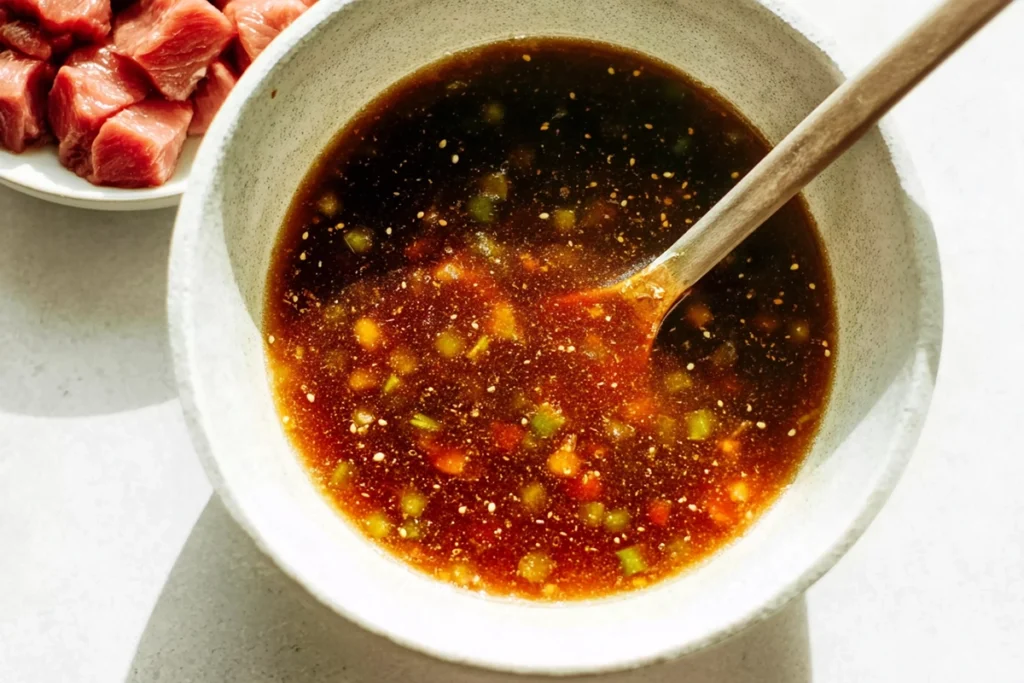
- In a bowl, combine applesauce, soy sauce, rice vinegar, gochujang, sweetener, and the sautéed aromatics.
- Pour the sauce over the beef, cover, and cook on low for 8 hours or high for 4 hours until fork-tender.
- Garnish with scallion greens, sesame seeds, and additional sauce if desired before serving.
Notes
- Serve with rice, noodles, bao buns, or tacos.
- Pair with crunchy cabbage slaw or cucumbers for contrast.
- Adjust heat by adding more or less gochujang.
- Reheat gently to keep the sauce smooth.
- Prep Time: 20 minutes
- Cook Time: 7 hours 30 minutes
- Category: Dinner
- Method: Slow Cooker
- Cuisine: Korean
Nutrition
- Serving Size: 1 cup
- Calories: 450
- Sugar: 12g
- Sodium: 950mg
- Fat: 18g
- Saturated Fat: 7g
- Unsaturated Fat: 10g
- Trans Fat: 0g
- Carbohydrates: 32g
- Fiber: 3g
- Protein: 42g
- Cholesterol: 120mg