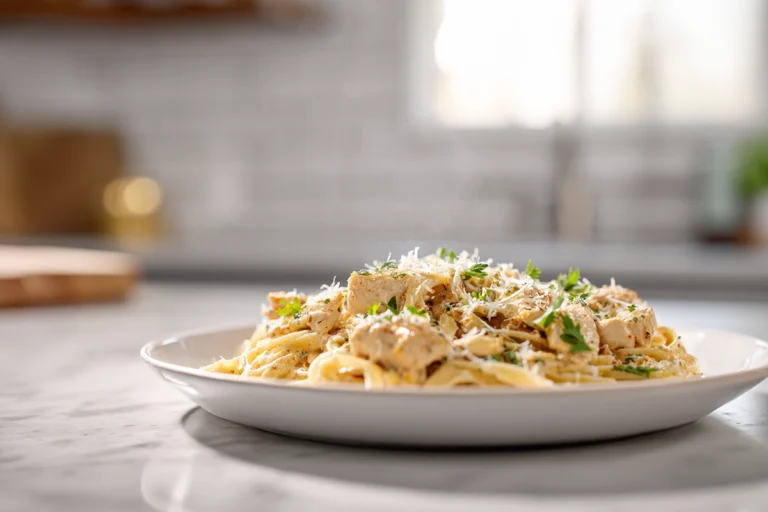
Sticky Garlic Chicken Noodles That Feel Like Home

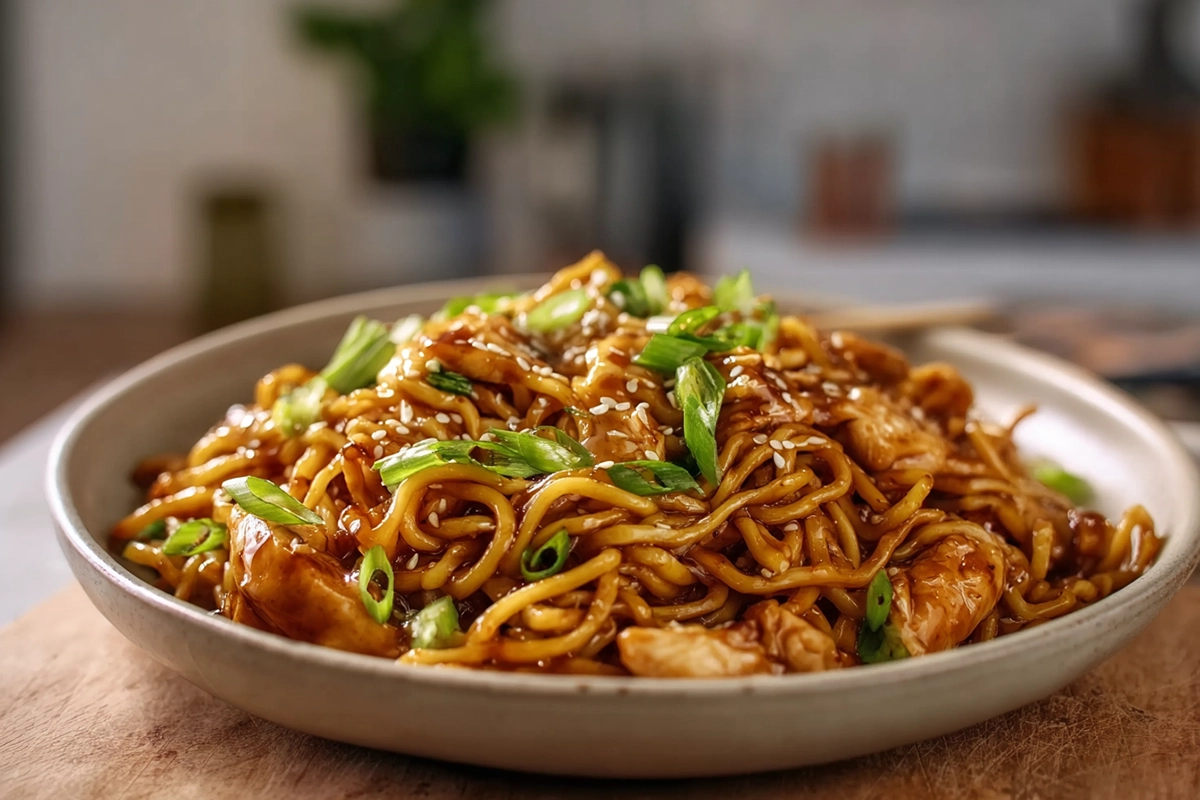
There are some nights when you don’t want to think too hard about dinner. You just want something warm, flavorful, and deeply satisfying—the kind of meal that makes everyone quiet at the table because they’re too busy eating. That’s exactly where sticky garlic chicken noodles come in.
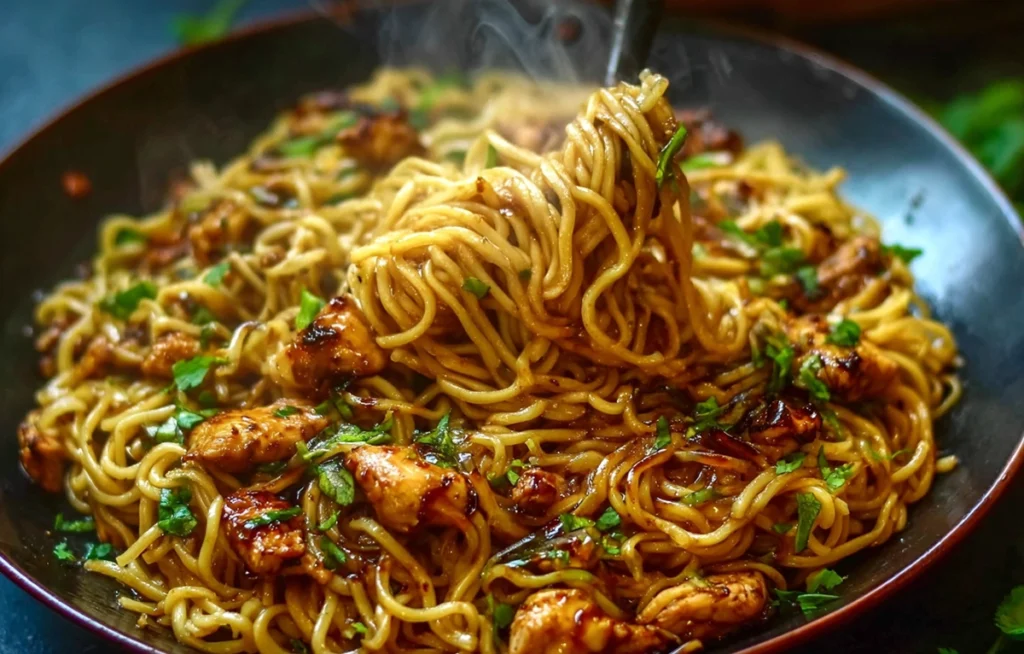
This is the dish I reach for when the day has been long, and the kitchen light feels especially comforting. The smell of garlic hitting a hot pan has a way of slowing everything down. Add tender chicken, glossy noodles, and a sweet-savory sauce that clings to every bite, and suddenly dinner feels not as much like a chore yet more like a moment.
Table of Contents
Why Sticky Garlic Chicken Noodles Always Work
What makes this recipe special isn’t anything fancy. It’s the balance. You’ve got just enough sweetness to round out the garlic, enough salt to keep things grounded, and enough sauce to coat the noodles without drowning them.
Over the years, I’ve learned that this kind of meal works because it listens to you while you cook. If the sauce needs a splash of water, you add it. If the garlic smells just right, you move on. It’s forgiving, adaptable, and generous—everything a good family recipe should be.
Ingredients That Build Big Flavor (And Smart Swaps)
You don’t need a long grocery list here, just a few well-chosen ingredients that work together beautifully.
For the noodles and chicken
- 12 ounces chicken breast, thinly sliced
- 8 ounces egg noodles or ramen noodles
- 1 tablespoon vegetable oil
- 1 teaspoon sesame oil
For the sticky garlic sauce
- 3 tablespoons soy sauce
- 2 tablespoons oyster sauce
- 2 tablespoons honey
- 1 tablespoon dark soy sauce
- 5 garlic cloves, minced
- 1 tablespoon cornstarch
- 2 tablespoons water
To finish
- 2 green onions, thinly sliced
- 1 teaspoon red pepper flakes, optional
- Sesame seeds, optional
Egg noodles give a soft, comforting bite, while ramen noodles soak up sauce a little more aggressively. Both work. If you’re out of honey, brown sugar can step in. No oyster sauce? A little extra soy sauce and a pinch of sugar will still get you close.
If you want to make this recipe vegetarian, swap in tofu for the chicken and use mushroom or vegetarian stir-fry sauce in place of the oyster sauce. Tempeh also works as a protein option, and for an extra boost of umami, add a splash of soy sauce with a few drops of toasted sesame oil. Don’t have chicken? You can also use shrimp or thinly sliced beef for a different take. These swaps make it easy to adapt the dish for different dietary needs or whatever you have in your pantry.

The Cooking Method, Explained Like a Home Cook
You start by cooking the noodles in well-salted water until they’re just tender, usually about 3 to 5 minutes depending on the type. Not mushy, not stiff. Drain them and set them aside, giving them a small drizzle of oil if they tend to stick.
While the noodles cook, whisk together the soy sauce, oyster sauce, honey, dark soy sauce, cornstarch, and water. This sauce doesn’t look like much at first, but once it hits the heat, it transforms.
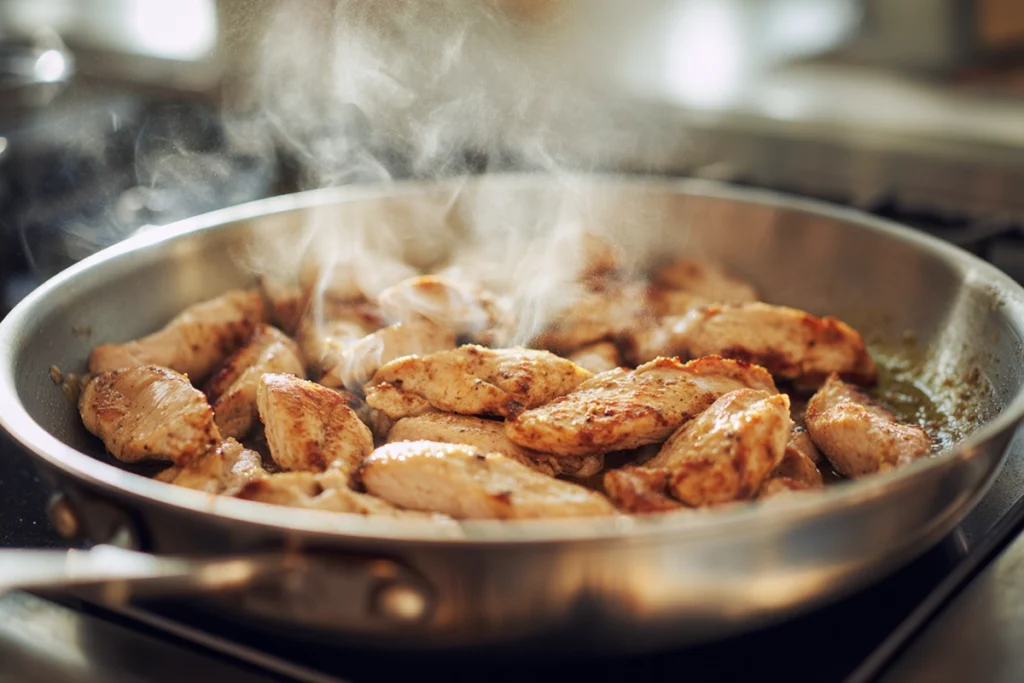
Heat a wide skillet over medium-high heat and add the vegetable oil. When it shimmers, lay the chicken slices in a single layer. Let them cook undisturbed for a moment. This is how you get that light golden color instead of pale, steamed chicken.
Once the chicken is mostly cooked through, lower the heat slightly and add the garlic. Stir gently and watch closely. Garlic should smell fragrant and sweet, never sharp or bitter. This only takes about 30 seconds.
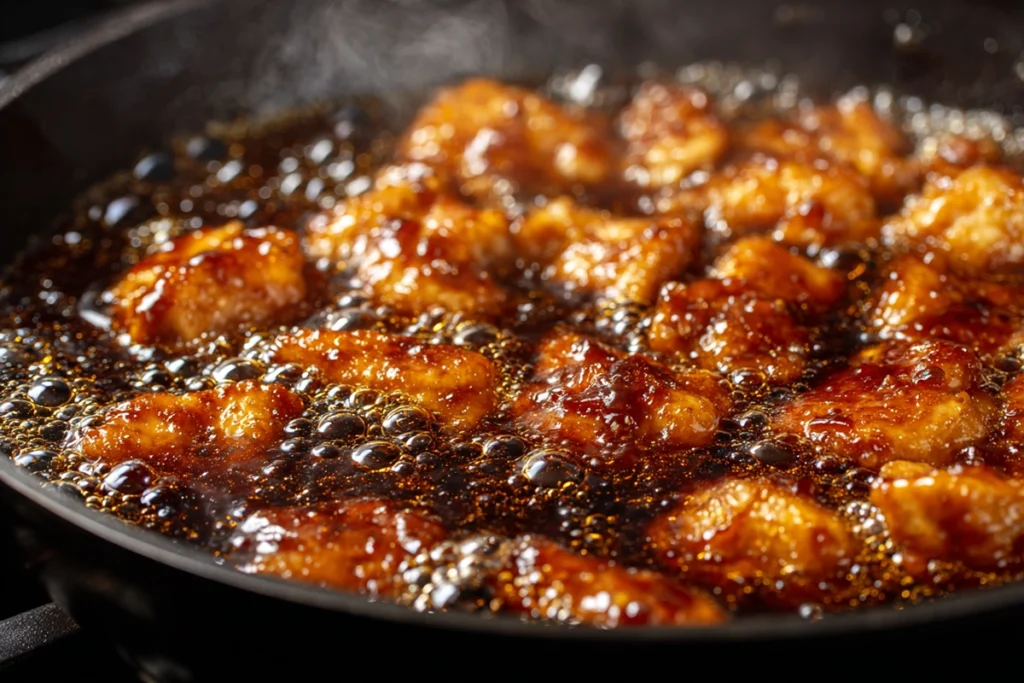
Pour the sauce into the pan and let it bubble. You’ll see it thicken almost immediately, turning glossy and rich. Add the noodles and toss everything together, letting the sauce cling to every strand. Finish with sesame oil, green onions, and chili flakes if you like a little heat.
Getting the Texture Just Right (Where Most Recipes Fall Short)
The chicken should feel tender when pressed with a spoon, not firm or rubbery. If it looks dry before the sauce goes in, the pan was probably too hot.
The sauce is done when it coats the back of a spoon and leaves a clean line when you swipe your finger through it. Too thick? Add a tablespoon of water. Too thin? Let it simmer another minute.
The noodles should look shiny, not soupy. If you see liquid collecting at the bottom of the pan, give it another gentle toss over the heat and let the excess cook off.
Common Mistakes That Flatten the Flavor (And How to Fix Them)
Crowding the pan is the biggest issue. Chicken needs space to brown. If your skillet feels tight, cook the chicken in two batches.
Burnt garlic is another common problem. Always lower the heat before adding it, and maintain movement.
If the dish tastes flat, it usually needs either a pinch of salt or a touch more sweetness. Small adjustments make a big difference here.
Easy Variations That Still Feel Like the Original Version
You can add vegetables like snap peas, shredded carrots, or bell peppers, but keep them crisp. Add them right before the sauce so they don’t release too much water.
For spice aficionados, a spoonful of chili garlic paste adds heat without masking the garlic.
If you want a heartier bowl, a soft-boiled egg on top turns this into something extra comforting.
Make-Ahead, Storage, and Warming Tips
You can slice the chicken and mix the sauce up to a day ahead. Keep them separate in the fridge until you’re ready to cook. If you want to plan further ahead, both the cooked chicken and cooked noodles freeze well separately for up to one month. Let them cool completely, then store in airtight containers or freezer bags. The finished dish can be frozen, too, although the noodles may soften a bit after reheating. Thaw overnight in the fridge and reheat gently in a skillet with a splash of water for best results.
Leftovers store well in an airtight container for up to three days. The noodles will absorb some sauce, which actually deepens the flavor.
To reheat, use a skillet over medium heat with a splash of water. Stir gently until everything loosens and warms through. The microwave works too, but cover the bowl to keep moisture in.
How to Serve Sticky Garlic Chicken Noodles
This dish is satisfying on its own, especially for a weeknight dinner. If you want something on the side, steamed broccoli or a simple cucumber salad adds freshness.
Serve it straight from the pan, family-style, while it’s still glossy and hot. It’s the kind of meal that invites everyone to lean in.
Dietary Variations
For a gluten-free version, use gluten-free noodles and substitute tamari for the soy sauce. Make sure your oyster sauce is gluten-free as well.
To make this dish vegan or vegetarian, simply swap the chicken for tofu, tempeh, or even mushrooms for a satisfying plant-based take. Use a vegan oyster sauce (often made with mushrooms) instead of regular oyster sauce, and check that your noodles and all condiments are fully plant-based.
To lower the sodium, use low-sodium soy sauce and add an extra teaspoon of honey to keep the balance right.
This recipe is naturally dairy-free and works well for halal diets when using appropriate sauces.
There’s something steadying about making sticky garlic chicken noodles. It’s not just dinner—it’s a pause, a breath, a small moment of care at the end of the day. Once you make it, you’ll find yourself coming back to it, trusting it, and maybe even passing it on the same way all good kitchen recipes travel.
FAQ
Can I use chicken thighs instead of chicken breast?
Yes, chicken thighs work very well in this recipe and stay extra juicy. Slice them thin and cook them just until done, as they can handle a little more heat without drying out. You may need an extra minute of cooking time compared to a chicken breast.
Why isn’t my sauce getting sticky?
This usually means the sauce hasn’t simmered long enough or the heat is too low. Let it bubble gently for another minute so the cornstarch can activate and thicken. If it still looks thin, the noodles may have released extra moisture, which will cook off with a little more heat.
What noodles work best for sticky garlic chicken noodles?
Egg noodles and ramen noodles are the most reliable choices because they hold sauce well without turning mushy. Rice noodles can work, but they need very careful cooking so they don’t fall apart. Always slightly undercook the noodles before adding them to the sauce.
Is it normal for the noodles to soak up more sauce as they sit?
Yes, that’s completely normal. As the noodles rest, they absorb the sauce and become even more flavorful. If they seem dry when reheating, just add a small splash of water and gently warm them in a skillet.
Can I make sticky garlic chicken noodles less sweet?
Absolutely. You can reduce the honey slightly or balance it with a splash of soy sauce or a squeeze of fresh lime juice. The goal is a sweet-savory balance that suits your taste, so small adjustments are always fine.
Print
Sticky Garlic Chicken Noodles
- Total Time: 30 minutes
- Yield: Serves 2–3 1x
Description
Sticky garlic chicken noodles made with tender chicken, glossy noodles, and a sweet-savory garlic sauce. A pleasant, reliable dinner that comes together easily in a real home kitchen. This recipe serves 3 to 4 people.
Ingredients
- 12 ounces chicken breast, thinly sliced
- 8 ounces egg noodles or ramen noodles
- 3 tablespoons soy sauce
- 2 tablespoons oyster sauce
- 2 tablespoons honey
- 1 tablespoon dark soy sauce
- 5 garlic cloves, minced
- 1 tablespoon cornstarch
- 2 tablespoons water
- 1 tablespoon vegetable oil
- 1 teaspoon sesame oil
- 2 green onions, thinly sliced
- 1 teaspoon red pepper flakes (optional)
- Sesame seeds (optional)
Instructions
- Cook the noodles in well-salted water until just tender, then drain and set aside.
- Whisk together the soy sauce, oyster sauce, honey, dark soy sauce, cornstarch, and water until smooth.
- Heat the vegetable oil in a wide skillet over medium-high heat and add the sliced chicken in a single layer.
- Cook the chicken until lightly golden and mostly cooked through, then lower the heat slightly.
- Add the minced garlic and cook briefly until fragrant, stirring to prevent burning.
- Pour in the sauce and let it bubble gently until thick and glossy.
- Add the cooked noodles and toss until evenly coated with the sticky garlic sauce.
- Finish with sesame oil, green onions, and optional red pepper flakes and sesame seeds before serving.
Notes
- Slice the chicken thinly for quick, even cooking.
- Do not overcook the garlic, as it can turn bitter.
- If the sauce becomes too thick, add a small splash of water to loosen it.
- Noodles will continue to absorb sauce as they sit, which is normal.
- Prep Time: 15 minutes
- Cook Time: 15 minutes
- Category: Dinner
- Method: Skillet
- Cuisine: Asian-inspired
Nutrition
- Serving Size: 1 bowl
- Calories: 520
- Sugar: 14 g
- Sodium: 980 mg
- Fat: 18 g
- Saturated Fat: 4 g
- Unsaturated Fat: 13 g
- Trans Fat: 0 g
- Carbohydrates: 58 g
- Fiber: 3 g
- Protein: 32 g
- Cholesterol: 95 mg