Sweetpotato Power Salad: Warm Roasted Sweetness, Cool Crunch, Zero Regret

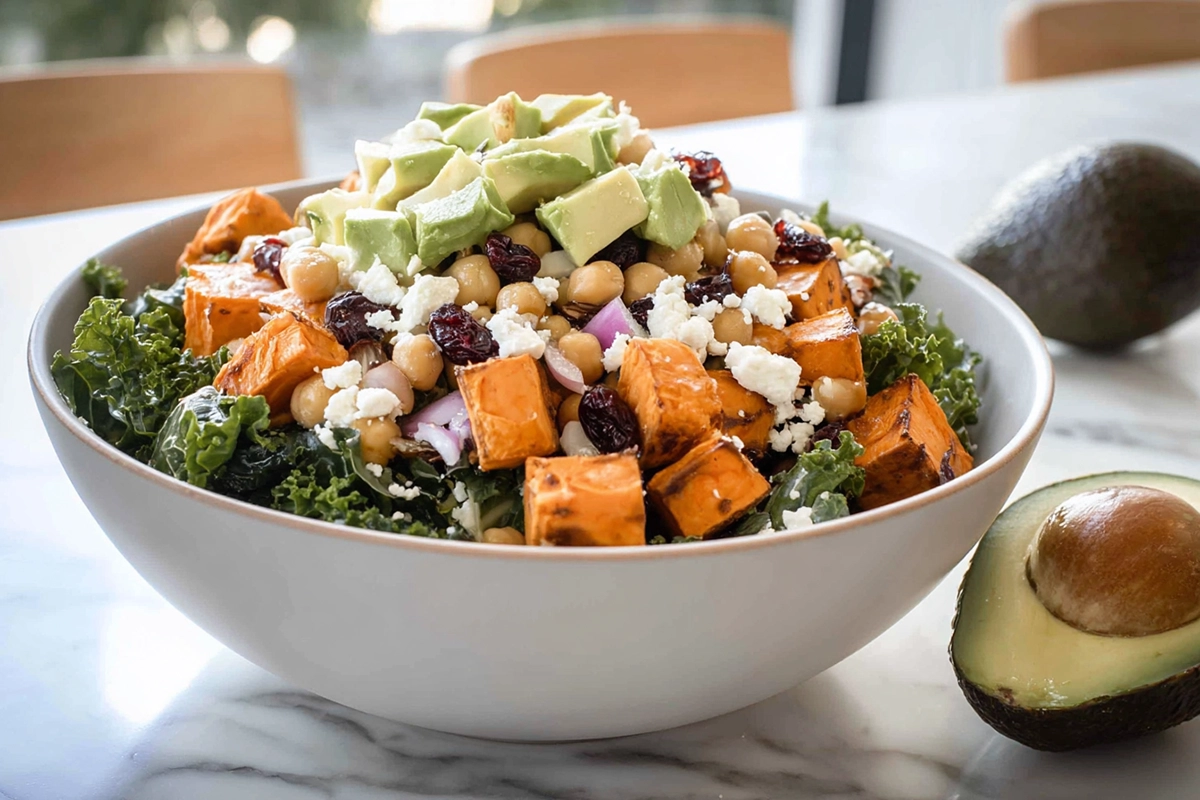
Salads fail when they’re cold, limp, and feel like punishment. You know the kind: raw kale that fights back, sweetpotatoes that taste like they came from a can, and a dressing that slides right off instead of pulling everything together. This one fix all of that—starting with heat. Real heat. Sweetpotatoes roasted until their edges caramelize and their centers stay soft, so the first forkful already feels like comfort instead of compromise.
The trick isn’t hiding vegetables under cheese or drowning them in dressing. It’s timing. Warm roasted sweetpotatoes go into the bowl while they still have steam in them, just enough to soften kale that’s already been massaged with olive oil, lemon, and salt. The bitterness relaxes. The greens turn supple. Maple syrup and balsamic don’t shout sweet—they round out the sharp edges. Chickpeas bring heft, cranberries bring bite, almonds bring crunch you can hear, and avocado does what avocado always does: smooths the landing. Feta or goat cheese finishes it with a salty note that keeps the whole thing from drifting into “health food” territory.
This is a salad built like a meal, not a sidekick. You can roast the sweetpotatoes the night before. You can eat it slightly warm or fully cooled. You can make it vegan by skipping the cheese and still walk away satisfied. No special equipment, no trendy powders—just an oven, a bowl, and the understanding that salads work best when at least one thing in them has been cooked with intention.
Why This Sweetpotato Power Salad Starts in the Oven, Not the Bowl
The backbone of this Sweetpotato Power Salad is heat. Raw sweetpotatoes are starchy and flat; boiling them pushes that starch into the water and leaves you with something soft but forgettable. Roasting does the opposite. At 375°F, moisture evaporates, natural sugars concentrate, and the cut surfaces caramelize. That’s where the flavor comes from. Olive oil isn’t just there to keep things from sticking—it carries heat evenly across the surface so the potatoes brown instead of blister. Salt goes on early because it draws moisture to the surface, encouraging browning rather than steaming.
Just as important: roasted sweetpotatoes hold their structure. They stay creamy inside but firm enough to survive tossing with kale, beans, and dressing without collapsing. This is why they can be roasted the night before and still taste intentional the next day. The oven does the heavy lifting here, so the bowl can stay simple.
- Sweetpotatoes: Roasting unlocks sweetness and texture; boiling would dilute both.
- Olive Oil: Heat conductor and flavor carrier—don’t skimp or the potatoes dry out.
- Salt: Applied before roasting to encourage browning, not after as an afterthought.
The Supporting Cast That Makes It Feel Complete
This salad works because every ingredient solves a specific problem. Kale brings bitterness and structure, but only after it’s massaged with olive oil, lemon juice, and salt. That brief massage breaks down tough fibers and tames the raw edge that makes people swear they “hate kale.” If you skip this, the salad never relaxes.
Garbanzo beans add substance—protein and chew—so the salad eats like lunch instead of garnish. Cranberries cut through the richness of roasted sweetpotatoes with sharp, sweet-tart bursts. Almonds are coarsely chopped on purpose; big pieces mean audible crunch, which keeps each bite interesting. Red onion adds bite, but used sparingly so it sharpens rather than dominates. Avocado finishes the texture story, smoothing out the sharper notes.
Cheese is optional, but strategic. Feta brings salt and crumble; goat cheese brings creaminess and tang. If you go vegan and omit it, nothing breaks—the salad still works because the structure is already sound.
- Curly Kale: Needs lemon, oil, and salt to become tender instead of fibrous.
- Garbanzo Beans: Add protein and chew; rinsing prevents a canned aftertaste.
- Cranberries: Sweet-tart contrast that keeps roasted flavors from feeling heavy.
- Almonds: Coarse chop for crunch you can feel, not almond dust.
- Red Onion: Sharp accent—small amounts go a long way.
- Avocado: Softens and rounds out acidic and bitter elements.
- Feta or Goat Cheese: Salty crumble vs. creamy tang; optional but impactful.

The Dressing Is Sweet on Purpose (But Not a Dessert)
This dressing isn’t trying to be subtle—it’s trying to be balanced. Maple syrup is there to mirror the roasted sweetness of the sweetpotatoes, not to turn the salad into candy. Balsamic vinegar brings depth and acidity; white vinegar works if that’s what you have, but balsamic adds a darker, rounder note that suits autumn flavors better. Olive oil smooths the edges so the dressing clings instead of pooling at the bottom of the bowl.
The key is when it’s used. Tossing the dressing while the sweetpotatoes are still warm helps it coat everything evenly and soak into the kale just enough. Too much dressing flattens the salad; restraint keeps leftovers from turning soggy.
- Maple Syrup: Balances bitterness and acid without masking vegetable flavor.
- Balsamic Vinegar: Depth and sweetness; white vinegar is brighter but thinner.
- Olive Oil: Emulsifies the dressing and helps it cling to warm ingredients.
Why This Sweetpotato Power Salad Starts in the Oven, Not the Bowl
Roasting the Sweetpotatoes Until They Smell Nutty, Not Sweet
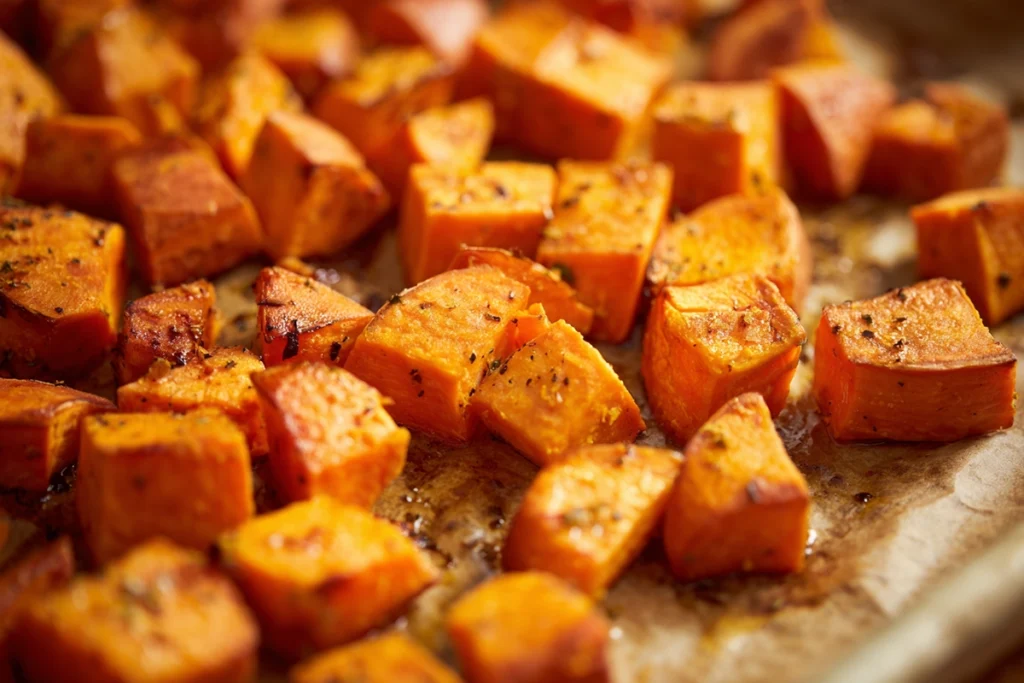
Spread the diced sweetpotatoes out so they’re not touching—crowding is the fastest way to steam instead of roast. When they hit the hot oven, you want to hear a faint sizzle, not silence. Halfway through, the bottoms should show golden edges and a slightly wrinkled surface; that’s moisture leaving and flavor concentrating. When they’re done, a fork should slide in easily, but the cubes should still hold their shape when nudged.
Letting Heat Do Quiet Work
Pull the pan out and notice the smell: warm, nutty, almost caramel-like. This is your cue that the sugars have done their job. Don’t rush them straight into the salad ice-cold—warm sweetpotatoes are part of the technique here. That residual heat matters later when they meet the greens and dressing.
Massaging Kale Isn’t Optional (Here’s What Actually Happens)
Turning Tough Leaves Supple by Hand
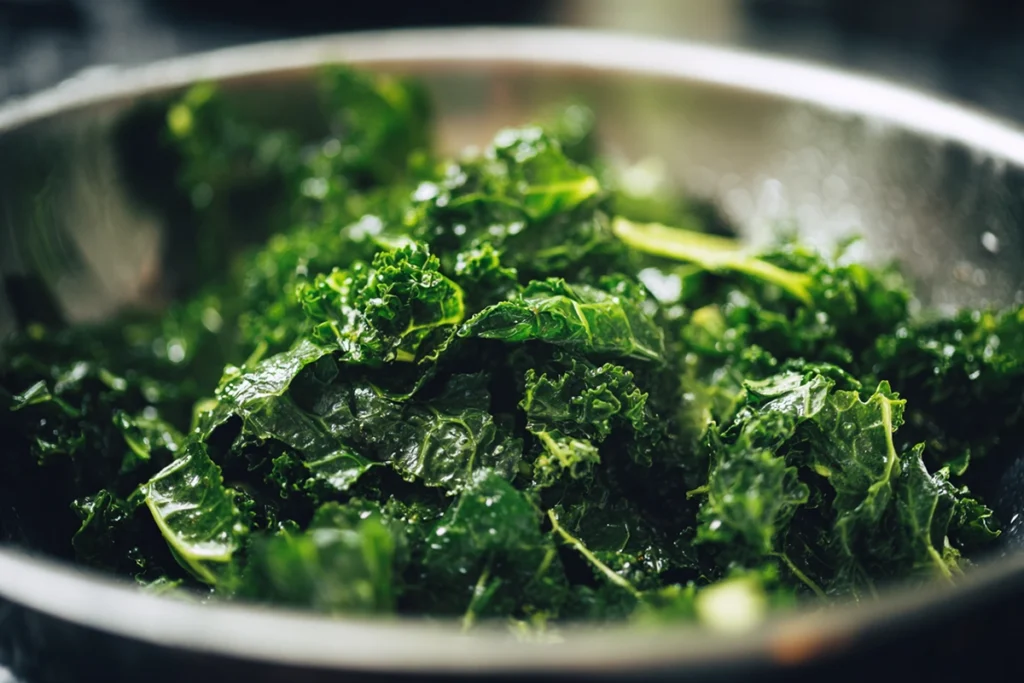
Drop the chopped kale into a wide bowl and coat it with olive oil, lemon juice, and salt. Now use your hands. As you squeeze and rub, the leaves will darken in color and lose that squeaky stiffness. After about a minute, they should feel softer, almost silky, and smell lightly citrusy instead of grassy.
Knowing When to Stop
If the kale still feels dry and rigid, keep going. If it starts to feel wet and limp, you’ve gone too far. The goal is tender but resilient—leaves that bend without breaking. This step is what keeps the Sweetpotato Power Salad from eating like lawn clippings.
The Dressing Is Sweet on Purpose (But Not a Dessert)
Whisking Until It Looks Unified
Combine the maple syrup, olive oil, and balsamic vinegar and whisk until the surface looks glossy and cohesive, not streaked. You shouldn’t see oil floating on top. Smell it: sharp at first, then rounded and mellow as the maple comes through.
Timing the Pour
This dressing works best when it meets warmth. When it hits warm sweetpotatoes, it loosens slightly and coats instead of pooling. That’s how flavor gets into the salad, not just onto it.
Bringing It All Together Without Breaking Anything
The Gentle Toss That Keeps Texture Intact
Add the roasted sweetpotatoes to the kale first and toss slowly, lifting from the bottom. You should hear the almonds knock lightly against the bowl—not a wet slap. Fold in the chickpeas, cranberries, red onion, and avocado, watching that the avocado stays in clean chunks instead of smearing.
Finishing With Balance in Mind
Add the dressing a little at a time, tossing between pours. The salad should look lightly glossed, not shiny. Finish with feta or goat cheese crumbled over the top, then stop. When everything smells balanced—sweet, tangy, and roasted—you’re done.
Swaps That Actually Work (and One That Doesn’t)
This salad is flexible, but not infinitely so. If you’re out of feta or goat cheese, skip the cheese entirely rather than forcing in something bland—this Sweetpotato Power Salad is sturdy enough to stand on its own. If you’ve got leftover rotisserie chicken, shred it cold and fold it in at the very end; warm chicken turns the avocado greasy and dulls the dressing. Roasted sweetpotatoes can be swapped with roasted winter squash in a pinch, but don’t try steaming or microwaving them—the texture will collapse and drag the whole salad down with it.
If almonds aren’t happening, walnuts are a reasonable backup because they bring the same bitterness and crunch. Pecans, however, push things too sweet alongside the maple and cranberries. And one firm no: raw spinach instead of kale. It wilts instantly under warm potatoes and dressing and leaves you with a soggy bowl.
When and How This Salad Actually Fits Into Real Life
This is a lunch salad that doesn’t apologize. Eat it slightly warm with a thick slice of multigrain bread and you won’t be hunting snacks an hour later. It also works beautifully alongside roasted chicken or pork chops, where the sweetness cuts through savory, salty meat. If you’re serving something rich—like braised short ribs—this salad brings the acidity and crunch that keep the plate from feeling heavy.
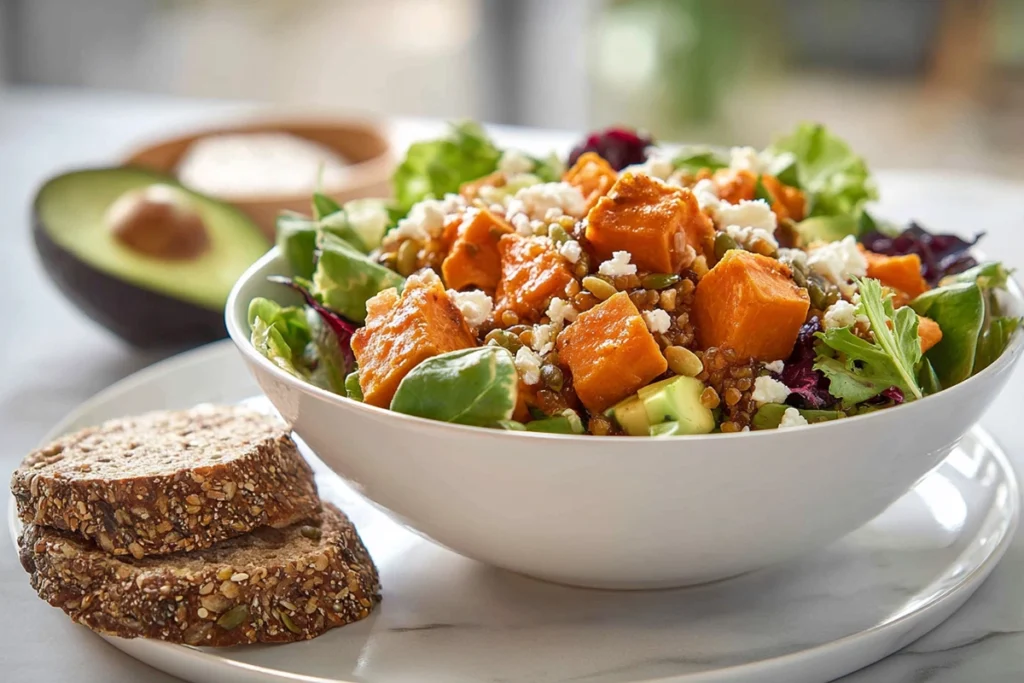
For meal prep, keep the roasted sweetpotatoes and dressed kale separate, then combine just before eating. That way, the textures stay sharp instead of slouchy.
Common Missteps That Flatten This Salad Fast
The fastest way to ruin this dish is overdressing it. You want a light gloss, not a puddle at the bottom of the bowl. Adding avocado too early turns it into green paste—fold it in last, gently. And don’t skip the kale massage thinking the dressing will “fix it later.” It won’t. Raw, unmassed kale stays tough no matter how long it sits.
This is the kind of salad you make once and then keep in rotation because it works on busy days, slow days, and everything in between. The Sweetpotato Power Salad doesn’t pretend to be a detox or a side—it’s real food, built with intention, and it shows in every bite.
Common Questions About Sweetpotato Power Salad
Can I make Sweetpotato Power Salad the night before?
You can prep it ahead, but don’t assemble everything at once. Roast the sweetpotatoes and store them separately, then massage the kale and keep it undressed in a sealed container. Combine everything and add the dressing just before serving. This keeps the kale from going limp and prevents the avocado from browning overnight.
What’s the best substitute for kale if I really don’t like it?
Use finely shredded green cabbage, not spinach or spring mix. Cabbage has the structure to stand up to warm sweetpotatoes and dressing without collapsing. Spinach wilts almost instantly and turns watery, which throws off the texture of the salad.
Do I have to peel the sweetpotatoes?
Peeling is recommended here. Sweetpotato skins can be tough and slightly bitter once roasted, especially when diced small. Since this salad relies on clean, tender cubes that blend smoothly with the kale and dressing, peeling keeps the texture consistent and pleasant.
How do I keep leftovers from getting soggy?
Store leftovers without avocado and add it fresh when serving again. Keep the salad lightly dressed—too much dressing is the main reason leftovers soften too fast. If possible, refresh the salad with a squeeze of lemon and a small drizzle of olive oil instead of adding more dressing.
Can I serve this salad warm instead of room temperature?
Serve it warm-adjacent, not hot. The sweetpotatoes should still have gentle warmth, but the kale and other ingredients should be cool. Fully hot sweetpotatoes melt the cheese, bruise the avocado, and overpower the balance that makes this Sweetpotato Power Salad work.
Print
Sweetpotato Power Salad
- Total Time: 1 hour
- Yield: 6 servings 1x
Description
A hearty Sweetpotato Power Salad made with roasted sweetpotatoes, tender kale, chickpeas, cranberries, almonds, avocado, and a maple balsamic dressing. Built to eat like a meal, not a side.
Ingredients
- 4–6 sweetpotatoes, peeled and diced (about 6 cups)
- Olive oil
- Salt
- Curly kale
- Lemon juice
- Garbanzo beans (chickpeas)
- Avocado
- Dried cranberries
- Almonds
- Red onion
- Feta or goat cheese
- Maple syrup
- Balsamic vinegar
Instructions
- Preheat the oven to 375°F and roast the diced sweetpotatoes with olive oil and salt until tender with caramelized edges, flipping once.
- Whisk together maple syrup, olive oil, and balsamic vinegar to make the dressing.
- Massage the chopped kale with olive oil, salt, and lemon juice until tender and darkened.
- Combine kale, roasted sweetpotatoes, chickpeas, cranberries, almonds, red onion, avocado, and cheese.
- Toss gently with dressing and serve.
Notes
- Roasted sweetpotatoes can be prepared the night before.
- For a vegan version, omit the cheese.
- Add avocado just before serving to prevent browning.
- Prep Time: 20 minutes
- Cook Time: 40 minutes
- Category: Salad
- Method: Roasting
- Cuisine: American
Nutrition
- Serving Size: 1 serving
- Calories: 495
- Sugar: 18
- Sodium: 520
- Fat: 28
- Saturated Fat: 6
- Unsaturated Fat: 20
- Trans Fat: 0
- Carbohydrates: 55
- Fiber: 12
- Protein: 14
- Cholesterol: 25