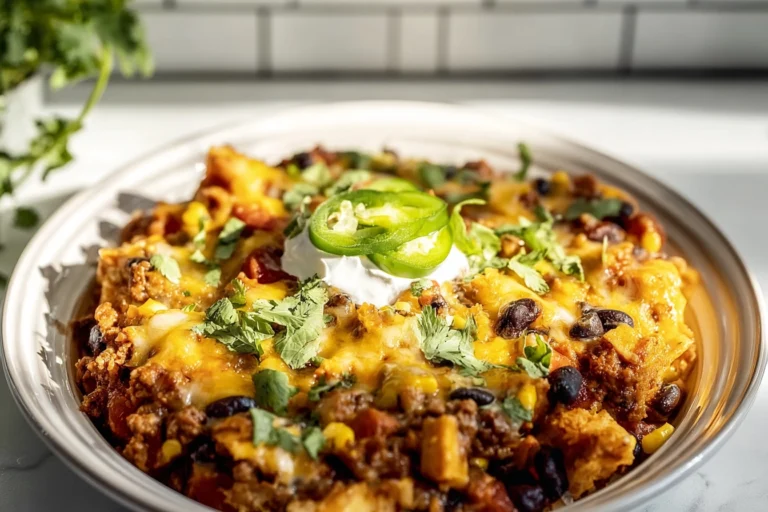
Tex-Mex Beef Enchiladas: Gravy-Rich, Cheesy, No-Soggy Guarantees

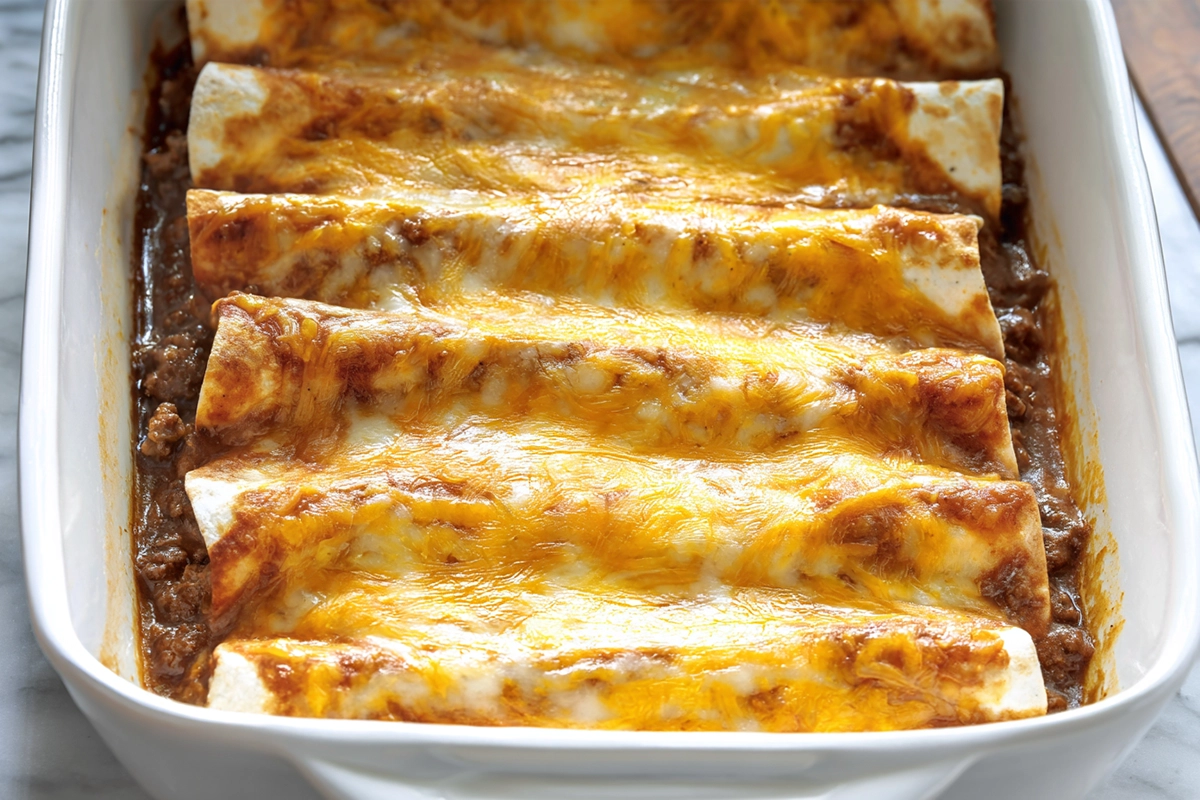
Soggy enchiladas are a trust issue. You pull the pan from the oven, slice in, and the tortillas collapse into mush while the sauce puddles at the bottom like it gave up. The fix isn’t more cheese or hotter oven heat—it’s structure. These Tex-Mex beef enchiladas are built to stay intact, with tender corn tortillas, a beef filling that holds together, and a sauce that coats instead of floods.
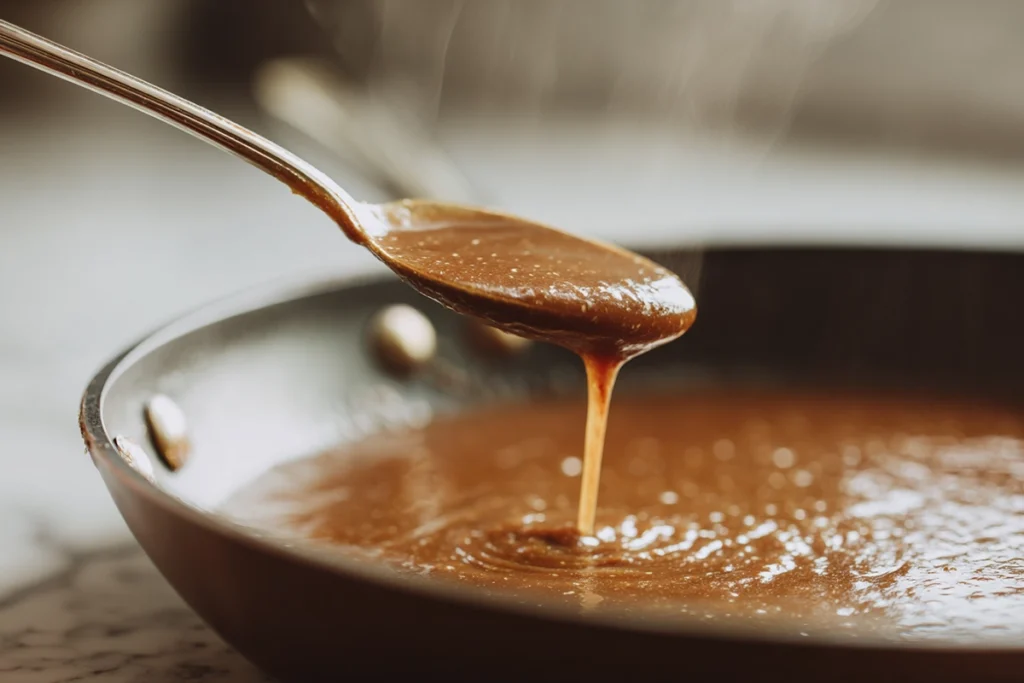
The difference starts with the gravy. Not a canned red sauce, not tomatoes simmered into submission—this is a proper Tex-Mex beef gravy made from butter, flour, and unsalted beef broth, seasoned with cumin and chili powder until it smells warm and savory, not sharp. It’s cooked long enough to thicken, long enough to cling. The ground beef gets seasoned early and browned fully, then mixed with freshly grated Cheddar and Monterey Jack so every bite stays juicy after baking. Even the tortillas get respect: warmed just enough to bend without cracking, rolled tight, and sealed seam-side down under a layer of sauce that does its job.
What you end up with is a pan that cuts clean. Cheese stretches instead of leaking oil. The sauce settles into the tortillas instead of soaking through them. This is Tex-Mex comfort that eats like a meal, not a mess.
You don’t need specialty pans or a stack of chiles to pull this off. Just a skillet, a whisk, and a little patience where it counts—browning the beef, building the gravy, and treating the tortillas like the structural element they are. From there, the oven does the rest.
Choosing Cheddar and Monterey Jack on Purpose (Not by Habit)
Cheese isn’t a topping in this recipe—it’s a structural ingredient. For Tex-Mex Beef Enchiladas, the goal is melt without grease and flavor without sharpness taking over. That’s why this recipe leans on a two-cheese blend instead of whatever shredded bag happens to be open in the fridge.
Cheddar brings the bite. It’s sharp enough to cut through the beef gravy and keep the enchiladas from tasting flat, but not so aggressive that it dominates. Monterey Jack does the opposite job: it melts smoothly, stretches cleanly, and keeps the filling cohesive once the enchiladas are baked. When you combine them, you get flavor plus elasticity—something a single cheese can’t deliver here.
Freshly grated matters more than people think. Pre-shredded cheese is coated with anti-caking agents that resist melting and release oil under heat. That’s how you end up with orange puddles instead of a unified, creamy interior. If you’re forced to substitute, a low-moisture Colby Jack can stand in, but expect a slightly softer structure. Skip mozzarella—it melts too loosely and dulls the Tex-Mex profile.
- Cheddar cheese: Adds sharpness and color; freshly grated prevents oil separation
- Monterey Jack cheese: Provides smooth melt and keeps the filling cohesive

Why These Tex-Mex Beef Enchiladas Actually Work
The defining concept behind this dish is that it’s gravy-based, not sauce-drenched. Classic Tex-Mex enchiladas rely on a beef gravy built from butter, flour, and unsalted beef broth—a technique that creates body without heaviness. The roux thickens the sauce just enough to cling to tortillas instead of soaking through them, which is the single biggest defense against soggy enchiladas.
Using 80/20 ground beef isn’t indulgence—it’s strategy. The fat carries flavor from the Tex-Mex seasoning and keeps the filling moist through a long bake. Browning the beef fully before it ever meets the sauce concentrates that flavor and prevents greasy runoff later. Mixing a portion of the cheese directly into the beef isn’t about richness; it’s about binding. As the enchiladas bake, that internal cheese melts and sets, giving the filling structure when sliced.
Corn tortillas are chosen for tradition, but treated for performance. Warming them makes them flexible enough to roll without cracking, and the initial layer of sauce in the pan acts as insulation rather than moisture overload. Everything here—from the roux to the cheese blend to the tortilla prep—serves the same purpose: enchiladas that hold together, cut cleanly, and eat like a finished dish, not a casserole that collapsed under its own sauce.
The Beef Gravy Is the Backbone (Mess This Up and You’ll Know)
Browning the Beef Until It Smells Savory, Not Steamed
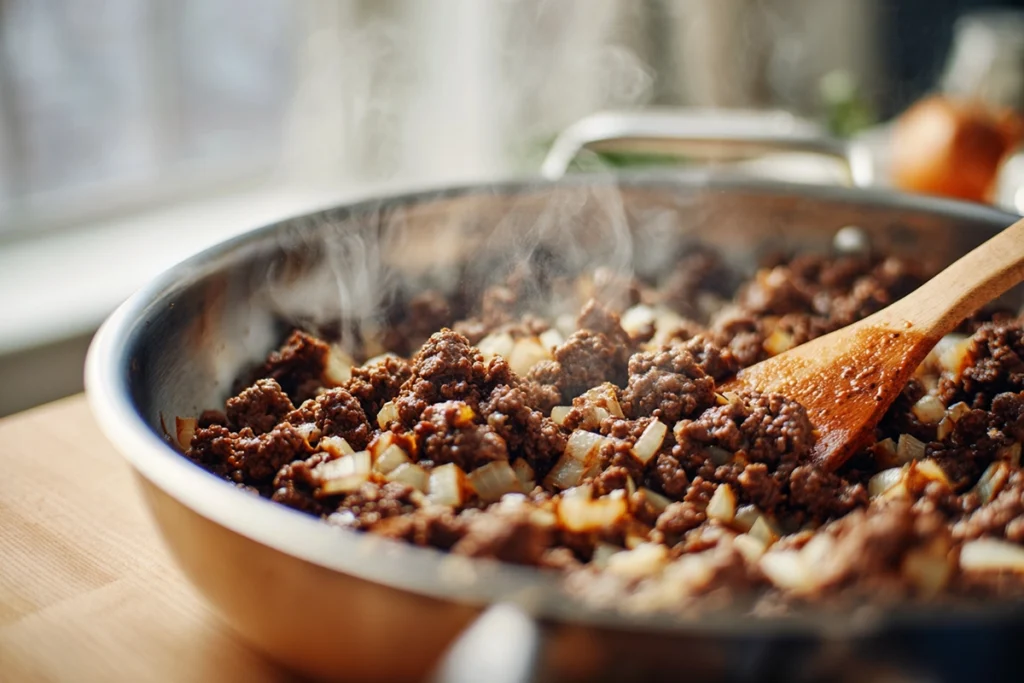
Start with the pan hot enough that the oil shimmers before the beef goes in. When the ground beef hits the surface, you should hear a confident sizzle—not a wet hiss. As you break it apart, watch for the color to change from pink to deep brown, especially at the edges. The smell should shift from raw meat to something savory and rounded, almost nutty, before you pull it off the heat.
Building a Roux That Actually Thickens
When the butter melts back in the pan, it should foam gently, not brown aggressively. Whisk in the flour and keep it moving until it looks like wet sand and smells faintly toasted, not raw. This is where patience matters. If you rush, the gravy will taste flat; if you overcook, it’ll taste bitter.
Turning Broth Into Sauce, Not Soup
Add the beef broth slowly, whisking until the sauce goes glossy and smooth. At first it will look thin and unconvincing—keep going. As it simmers, you’ll feel resistance on the spoon and see the sauce coat the back instead of running off. The aroma should be warm and spiced, with cumin and chili powder reading savory rather than sharp. This is the point where Tex-Mex Beef Enchiladas either come together—or fall apart later.
Rolling Corn Tortillas Without Cracking or Cursing
Warming for Flexibility, Not Heat
Corn tortillas should feel soft and bend without splitting, not hot enough to steam your fingers. Wrapped and warmed, they’ll relax just enough to roll cleanly. If they crack, they’re too cold. If they feel damp, they’re overheated.
Filling for Structure, Not Overflow
When you spoon the beef mixture onto the tortilla, it should feel cohesive, not loose. Thanks to the cheese mixed into the beef, it should mound slightly instead of spreading. Roll snugly but without squeezing—think firm wrap, not tight coil.
Sealing the Deal in the Baking Dish
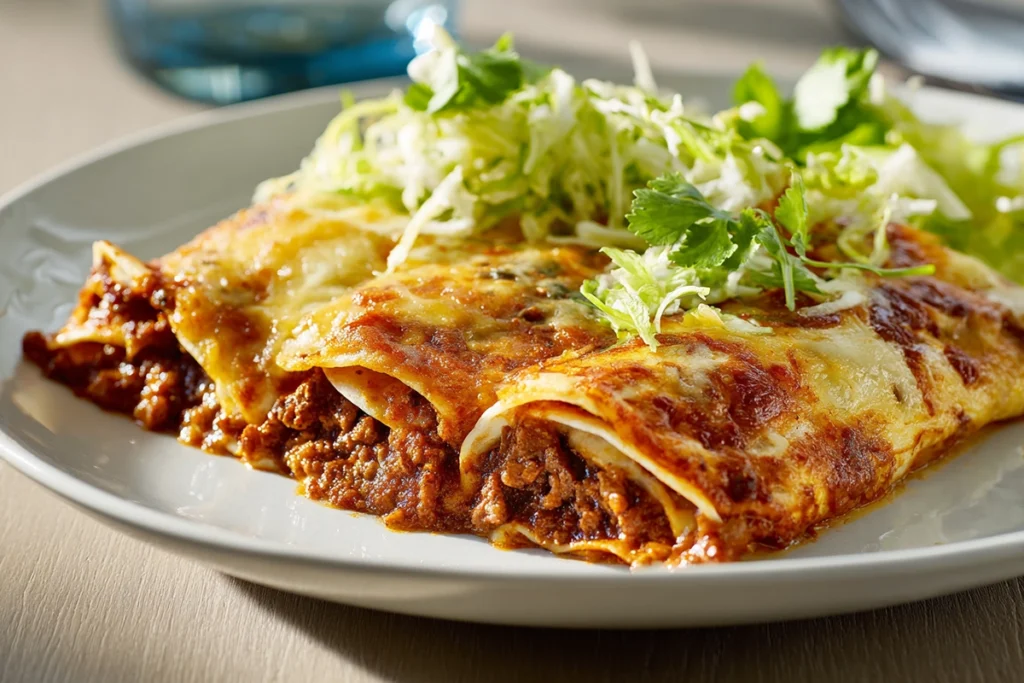
Set each enchilada seam-side down into a lightly sauced dish. You should hear a soft, quiet contact as it lands, not a splash. Once the sauce is poured over and the remaining cheese goes on, the surface should look evenly coated, not flooded. In the oven, you’ll know they’re ready when the cheese bubbles steadily and the edges look set, not soupy, with a faint toasted aroma rising as the foil comes off.
This is the difference between enchiladas that collapse on the plate and Tex-Mex Beef Enchiladas that cut clean and hold their shape.
Swaps That Actually Work (and One That Doesn’t)
If you’re staring at the fridge trying to avoid a grocery run, there’s some flexibility here—but only in smart places. Leftover rotisserie chicken can replace the ground beef if you shred it cold and fold it into the finished gravy, not the skillet. You’re warming it through, not cooking it again. Ground turkey will work in a pinch, but only if it’s dark meat or at least 93% lean; anything leaner dries out and tastes hollow once baked.
No Monterey Jack? A mild Colby Jack is the closest stand-in and melts similarly. Sharp white Cheddar can replace yellow Cheddar without changing the structure, just the color. What doesn’t work: flour tortillas. They absorb too much sauce, turn gummy, and collapse. These Tex-Mex Beef Enchiladas depend on corn tortillas for both flavor and integrity.
How to Serve These Without Overcomplicating Dinner
These enchiladas are rich, savory, and filling, so sides should cut, not compete. A crisp shredded lettuce salad with a sharp vinaigrette does more work than rice ever could. Refried beans make sense if they’re simple and not overly cheesy. If you want heat contrast, sliced jalapeños or a spoon of pico on the plate—not baked in—keeps the texture clean.
They’re best served after a short rest, when the gravy has settled and the cheese stops sliding. This is one of those dishes that looks better five minutes out of the oven than straight from it.
Last Things to Know Before You Bake
If the sauce looks too thin on the stovetop, it will still be thin in the oven—keep cooking it. If the tortillas crack while rolling, stop and rewarm them. And if the pan looks a little full before baking, that’s fine; it will settle as it cooks. Tex-Mex enchiladas aren’t delicate food—they’re structured food.
These Tex-Mex Beef Enchiladas are the kind of dinner you make when you want leftovers that still taste good tomorrow and slices that hold together on the plate. No wasted ingredients, no unnecessary steps—just a solid, dependable pan of comfort that earns its place at the table.
Common Questions About Tex-Mex Beef Enchiladas
Can I make these ahead without them turning soggy?
Yes—but only if you assemble them correctly. Prepare the beef, gravy, and cheese mixture fully, then assemble the enchiladas without baking them. Cover tightly and refrigerate for up to 24 hours. Bake straight from the fridge, adding 5–10 extra minutes of covered baking time. Do not pour extra sauce on top before storing; too much moisture is what causes soggy Tex-Mex Beef Enchiladas.
Why does this recipe use beef gravy instead of red enchilada sauce?
This is a classic Tex-Mex approach, not a Mexican red-sauce enchilada. Beef gravy made with a roux creates body and cling, which keeps the tortillas intact instead of soaked. Red enchilada sauce is thinner and more acidic, which breaks down corn tortillas during baking. The gravy is what gives these enchiladas their structure and rich, savory depth.
Can I use flour tortillas instead of corn tortillas?
You shouldn’t. Flour tortillas absorb sauce differently and turn gummy once baked, especially under a thick gravy. Corn tortillas hold their shape, provide flavor contrast, and stay intact through baking. Using flour tortillas will change both the texture and the identity of the dish, and not for the better.
How spicy are these enchiladas, and how can I adjust the heat?
As written, these enchiladas are mildly spiced and balanced, not hot. The cumin and chili powder add warmth rather than heat. To increase spice, add a pinch of cayenne or use a spicier Tex-Mex seasoning blend in the beef. Do not add hot sauce directly to the gravy—it will thin it and throw off the texture.
Can I freeze them after baking—or only before?
Freeze them before baking for the best results. Assemble the enchiladas fully, wrap the dish tightly, and freeze for up to two months. Bake from frozen, covered, adding about 20 minutes to the baking time before uncovering. Freezing after baking works in a pinch, but the tortillas soften more on reheating and the texture won’t be as clean.
Print
Tex-Mex Beef Enchiladas
- Total Time: 1 hour 10 minutes
- Yield: 16 enchiladas 1x
Description
Rich, gravy-based Tex-Mex beef enchiladas made with corn tortillas, seasoned ground beef, and a Cheddar–Monterey Jack blend. Designed to bake up sturdy, slice cleanly, and never turn soggy.
Ingredients
- 1 tablespoon olive oil
- 1 yellow onion, finely diced
- 1 pound 80/20 ground beef
- 4 tablespoons Tex-Mex seasoning blend
- 4 tablespoons unsalted butter
- 6 tablespoons all-purpose flour
- 4 cups unsalted beef broth
- 1 1/2 teaspoons kosher salt
- 1 teaspoon ground cumin
- 1 teaspoon chili powder
- Pinch black pepper
- 16–20 corn tortillas
- 1 cup Cheddar cheese, freshly grated
- 1 cup Monterey Jack cheese, freshly grated
Instructions
- Preheat the oven to 350°F and grease a 9×13-inch baking dish.
- Sauté the onion in olive oil until soft, then brown the ground beef with Tex-Mex seasoning until fully cooked; transfer to a bowl.
- In the same pan, melt butter, whisk in flour, and cook briefly to form a roux, then gradually whisk in beef broth until smooth.
- Season the gravy with salt, cumin, chili powder, and black pepper and simmer until thickened.
- Stir a portion of the grated Cheddar and Monterey Jack into the beef mixture.
- Warm the corn tortillas until pliable, fill with beef mixture, and roll tightly.
- Arrange enchiladas seam-side down in the dish over a thin layer of sauce.
- Pour remaining gravy over the enchiladas, top with remaining cheese, and cover with foil.
- Bake covered, then uncover and bake until bubbly and set; rest briefly before serving.
Notes
- Use freshly grated cheese for best melt and structure.
- Do not substitute flour tortillas; corn tortillas are essential for texture.
- Allow enchiladas to rest after baking so the gravy can set.
- Prep Time: 35 minutes
- Cook Time: 35 minutes
- Category: Main Course
- Method: Baking
- Cuisine: Tex-Mex
Nutrition
- Serving Size: 1 enchilada
- Calories: 243
- Sugar: 3
- Sodium: 620
- Fat: 14
- Saturated Fat: 7
- Unsaturated Fat: 6
- Trans Fat: 0
- Carbohydrates: 18
- Fiber: 2
- Protein: 13
- Cholesterol: 45