The Ultimate Guide to Chicken Pot Pie (Comfort You Can Trust)

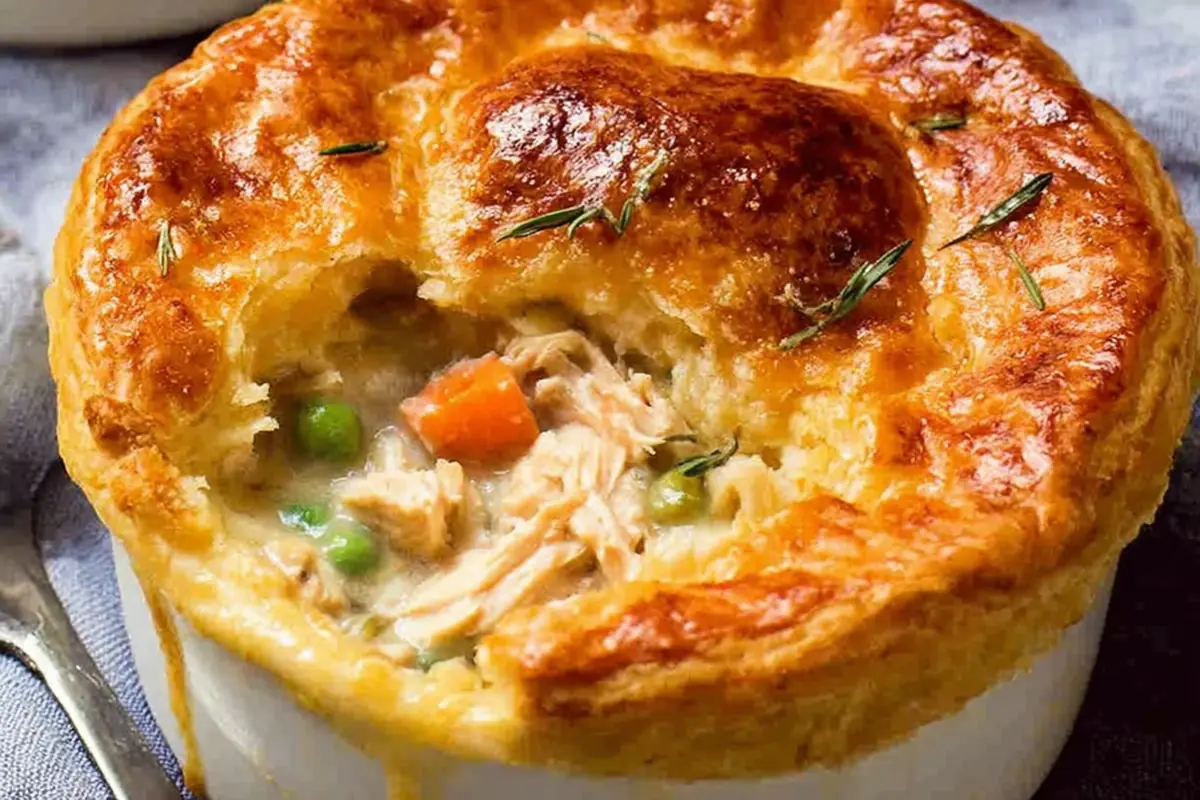
There are certain meals that quietly tell you everything is going to be okay, and chicken pot pie is one of them. I still remember cold evenings when the kitchen windows steamed up, the oven buzzed quietly, and that familiar savory aroma meant dinner was almost ready. This ultimate guide to chicken pot pie is built for moments just like that—when you want something cozy, reliable, and deeply satisfying without doubting every step.
This isn’t just a recipe you rush through. It’s a calm walk through the process, showing you how to get a flaky crust, a creamy filling that actually sets, and a pie that seems like it belongs at your table. Whether this is your first time making chicken pot pie or you’ve had a few soggy bottoms along the way, you’re in good hands here.
Why This Chicken Pot Pie Works (A Real Kitchen Lesson)
For years, the biggest struggle with chicken pot pie wasn’t flavor—it was texture. Too thin, and the filling turns soupy. Too thick, and it eats like paste. The version I make now came from paying attention to small details that don’t always get explained.
The balance comes from building the filling slowly and letting it tell you when it’s ready. You’re not just following instructions; you’re watching how the sauce thickens, how the vegetables soften, and how the chicken holds its shape. When everything works together, the pie slices cleanly, the crust stays crisp, and each mouthful seems intentional.
Ingredients That Matter (And Where You Can Bend the Rules)
Chicken pot pie doesn’t need fancy ingredients, but it does need the right ones in the right proportions. Each piece plays a role in flavor, texture, or structure.

For the Flaky Pie Crust
- 3 cups plain flour
- 1 ½ teaspoons kosher salt
- 1 teaspoon granulated sugar
- ¾ cup unsalted butter, cold and cubed
- ⅓ cup vegetable shortening, cold and cubed
- ½ cup cold water
For the Chicken Pot Pie Filling
- 1 ¼ pounds raw chicken breasts or about 1 pound cooked chicken, shredded
- 2 cups low-sodium chicken stock
- ¼ cup unsalted butter
- 2 tablespoons olive oil
- 1 ½ cups diced yellow onion
- 1 cup minced carrots
- 1 cup minced celery
- 3 garlic cloves, minced
- 1 ½ to 2 teaspoons kosher salt, divided
- ½ teaspoon black pepper
- 2 teaspoons fresh thyme
- ¼ teaspoon hot pepper
- ⅓ cup plain flour
- ⅓ cup extra chicken stock
- 1 cup frozen peas
- ½ cup heavy cream
- 1 medium egg, for egg wash
Store-bought crust or rotisserie chicken can absolutely work here. What matters most is understanding how the filling behaves, so the shortcuts don’t compromise the result.
Crust Strategy: How to Get It Flaky Without Getting Soggy
The crust is where many pot pies lose their way. A soggy bottom usually isn’t about the filling being unduly wet—it’s about the crust not being prepared to handle it.
Blind-baking the bottom crust creates a barrier. When the dough hits the hot oven alone, it sets and dries slightly, giving it strength. You’re looking for a light golden color, not pale and soft. If the crust puffs, gently press it back down. That step alone saves the entire pie.
Store-Bought vs Homemade Crust
Homemade crust gives you control and a bolder buttery flavor, but store-bought crust is a solid option for busy nights. If you go that route, always pre-bake it and let it chill before adding the filling. Puff pastry works beautifully as a top crust only and brings a lighter, crisp finish.
Building the Filling: Creamy, Thick, and Spoonable (Not Soupy)
The filling should coat the back of a spoon before it ever goes into the pie dish. That’s the goal.
Start by gently cooking the onions, carrots, and celery in butter and olive oil. Covering the pan helps them soften without browning too quickly. When the carrots are tender but not mushy, you’re right where you want to be.
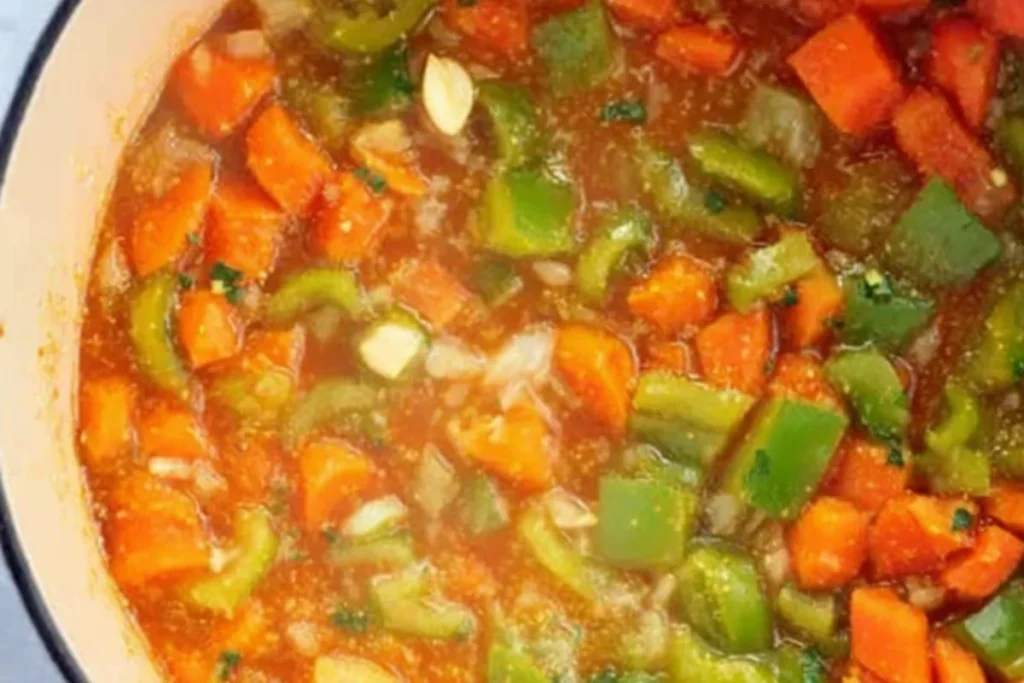
Once the garlic and herbs go in, you’ll smell everything come together. Stir in the flour and let it cook briefly. This step removes raw flour taste and sets the stage for thickening. When you add stock, stir patiently. The mixture will look loose at first, then slowly tighten as it simmers.
Chicken Choices and Texture Control
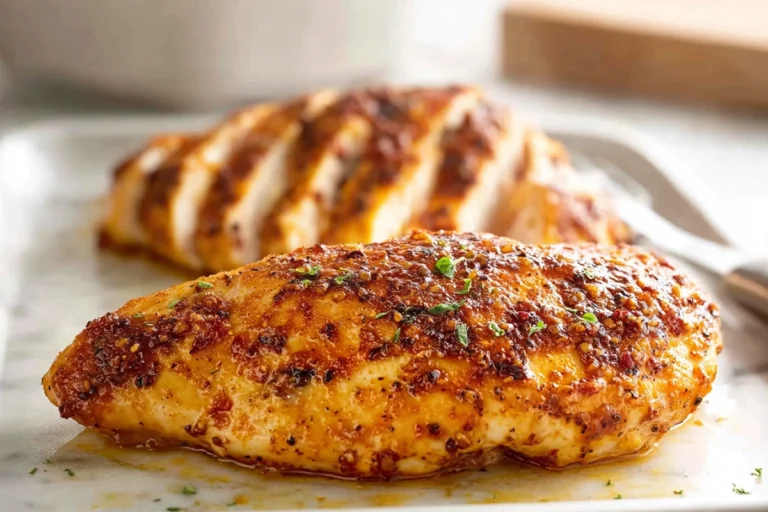
Poached chicken stays juicy and absorbs flavor from the stock. Shredded chicken blends into the filling, while chunked chicken gives you heartier bites. Either works, as long as the chicken goes in after the sauce has thickened. That timing keeps it tender.
Finish with peas and cream, then taste. This is where seasoning matters most.
Assembly & Baking: Where Most Pot Pies Go Wrong
Filling temperature matters more than most people realize. If you pour piping-hot filling into raw dough, the butter melts before the crust sets. Let the filling cool slightly so the dough stays firm as it hits the oven.

Seal the edges well, brush the top with egg wash, and cut a few vents. Those vents allow steam to escape, so the filling stays creamy instead of watery. Bake until the crust is deeply golden and the filling bubbles gently through the slits.
Timing, Doneness & Resting (The Most Ignored Step)
Once the pie comes out of the oven, it’s tempting to slice right in. Give it at least 15 minutes. Resting allows the filling to finish setting, so you get clean slices instead of a spill across the plate.
You’ll know it’s done when the crust is evenly browned, and the filling looks thick and glossy, not loose or milky.
Variations That Still Taste Like Chicken Pot Pie
Turkey works perfectly, especially after the holidays. Vegetable-forward versions can shine with mushrooms and extra herbs, as long as the sauce stays properly thickened. For a faster option, a puff pastry top over a skillet filling delivers comfort without the full pie commitment.
Make-Ahead, Storage & Freezing Without Regret
Chicken pot pie is a gift to future you. You can prepare the filling a day ahead and refrigerate it. Assemble and bake when ready.
Fully baked pies freeze well for up to three months. Reheat covered at 375°F until warmed through, then uncover to crisp the crust. The texture holds beautifully when reheated gently.
Serving Ideas That Complete the Meal
A simple green salad or roasted vegetables balances the richness nicely. On busy nights, the pie stands confidently on its own. For gatherings, serve it straight from the dish and let everyone help themselves—it’s that kind of meal.
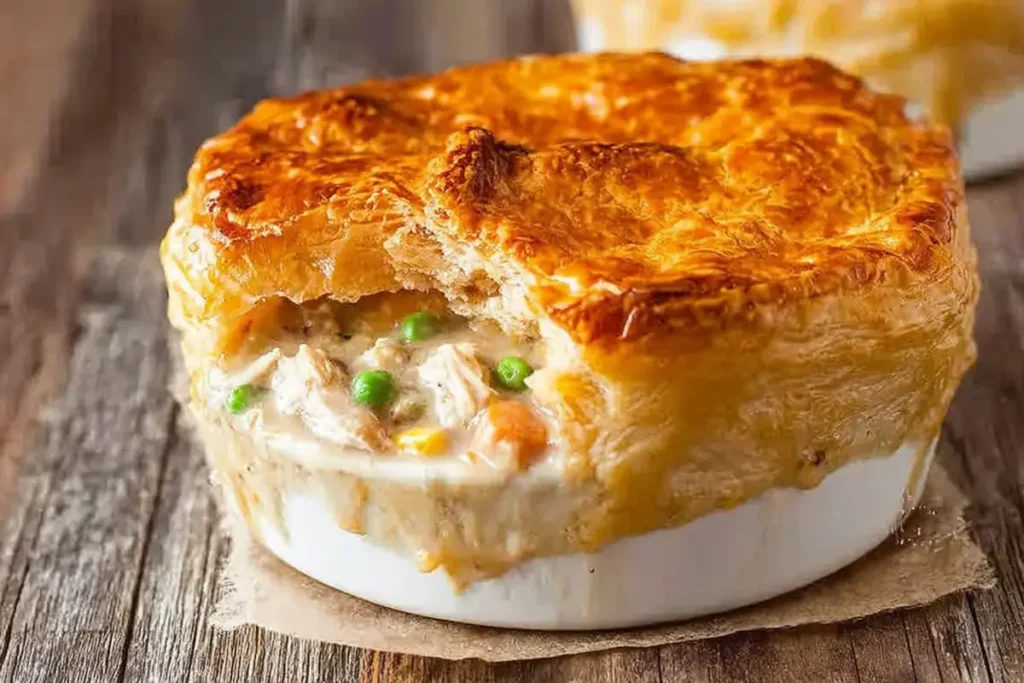
There’s a reason people keep coming back to this ultimate guide to chicken pot pie. It’s dependable, forgiving, and deeply comforting. Once you make it this way, it stops feeling like a special-occasion dish and starts feeling like home.
FAQ
Why is my chicken pot pie filling runny?
A runny filling usually means the sauce didn’t simmer long enough before baking or the pie was sliced too soon. The filling should look thick and coat the back of a spoon before it goes into the crust. Letting the pie rest for at least 15 minutes after baking also helps everything set properly.
Do I really need to blind-bake the bottom crust?
If you’re using a bottom crust, blind-baking makes a big difference. It helps prevent the crust from absorbing moisture from the filling and turning soggy. Skipping this step often leads to a soft or undercooked bottom, even if the top looks perfect.
Can I use rotisserie or leftover chicken instead of raw chicken?
Yes, cooked chicken works very well and saves time. Just make sure it’s added after the sauce has thickened so it stays tender and doesn’t dry out. You’ll need about 3 to 3½ cups of shredded or chopped cooked chicken.
Can I make chicken pot pie ahead of time?
You can prepare the filling up to a day in advance and store it in the refrigerator. Assemble and bake the pie when you’re ready to serve for the best crust texture. Fully baked pies can also be reheated gently without losing quality.
Why did my crust shrink or crack while baking?
Shrinking or cracking usually happens when the dough is too warm or overworked. Chilling the dough before baking helps the fat stay firm, which keeps the crust stable in the oven. Letting the dough rest also relaxes the gluten, making it easier to roll and shape.
Print
Chicken Pot Pie
- Total Time: 2 hours 55 minutes
- Yield: 1 (9-inch) deep-dish pie 1x
Description
This ultimate guide to chicken pot pie walks you through a reliable, comforting homemade version with a flaky golden crust and a creamy filling that sets perfectly. Made with simple ingredients and real kitchen cues, it’s a classic family dinner you can trust every time.
Ingredients
- 3 cups plain flour
- 1 1/2 teaspoons kosher salt
- 1 teaspoon granulated sugar
- 3/4 cup unsalted butter, cold and cubed
- 1/3 cup vegetable shortening, cold and cubed
- 1/2 cup cold water
- 1 1/4 pounds chicken breasts (or 1 pound cooked chicken)
- 2 cups low-sodium chicken stock
- 1/4 cup unsalted butter
- 2 tablespoons olive oil
- 1 1/2 cups diced yellow onion
- 1 cup minced carrots
- 1 cup minced celery
- 3 pieces of garlic, minced
- 1 1/2 to 2 teaspoons kosher salt
- 1/2 teaspoon black pepper
- 2 teaspoons fresh thyme
- 1/4 teaspoon hot pepper
- 1/3 cup plain flour
- 1/3 cup additional chicken stock
- 1 cup frozen peas
- 1/2 cup heavy cream
- 1 big egg
Instructions
- Prepare the pie dough by mixing the flour, salt, and sugar, then cutting in the cold butter and shortening until pea-sized pieces remain. Add cold water just until the dough comes together, divide, wrap, and chill.
- Roll out one dough disk and fit it into a 9-inch deep-dish pie plate. Chill briefly, then blind-bake until lightly golden. Let cool.
- If using raw chicken, gently poach it in chicken stock until cooked through, then shred and reserve the cooking liquid.
- Sauté the onion, carrots, and celery in butter and olive oil until softened. Add garlic and herbs, then stir in flour and cook briefly.
- add reserved stock, and simmer until thickened. Stir in chicken, peas, cream, and seasoning.
- Fill the prepared crust with the cooled filling. Roll out the top crust, seal, vent, and brush with egg wash.
- Bake until the crust is deeply golden and the filling bubbles. Rest before slicing and serving.
Notes
- Blind-baking the bottom crust helps prevent sogginess.
- Cooked rotisserie or leftover chicken can be used instead of raw.
- Let the pie rest at least 15 minutes before cutting so the filling can set.
- The pie can be frozen baked or unbaked for later use.
- Prep Time: 1 hour 30 minutes
- Cook Time: 45 minutes
- Category: Savory
- Method: Baking
- Cuisine: American
Nutrition
- Serving Size: 1 pie
- Calories: 5576
- Sugar: 36 g
- Sodium: 9276 mg
- Fat: 351 g
- Saturated Fat: 172 g
- Unsaturated Fat: 152 g
- Trans Fat: 17 g
- Carbohydrates: 397 g
- Fiber: 30 g
- Protein: 198 g
- Cholesterol: 1171 mg