Homemade Baked Mac and Cheese with a Creamy Layered Center

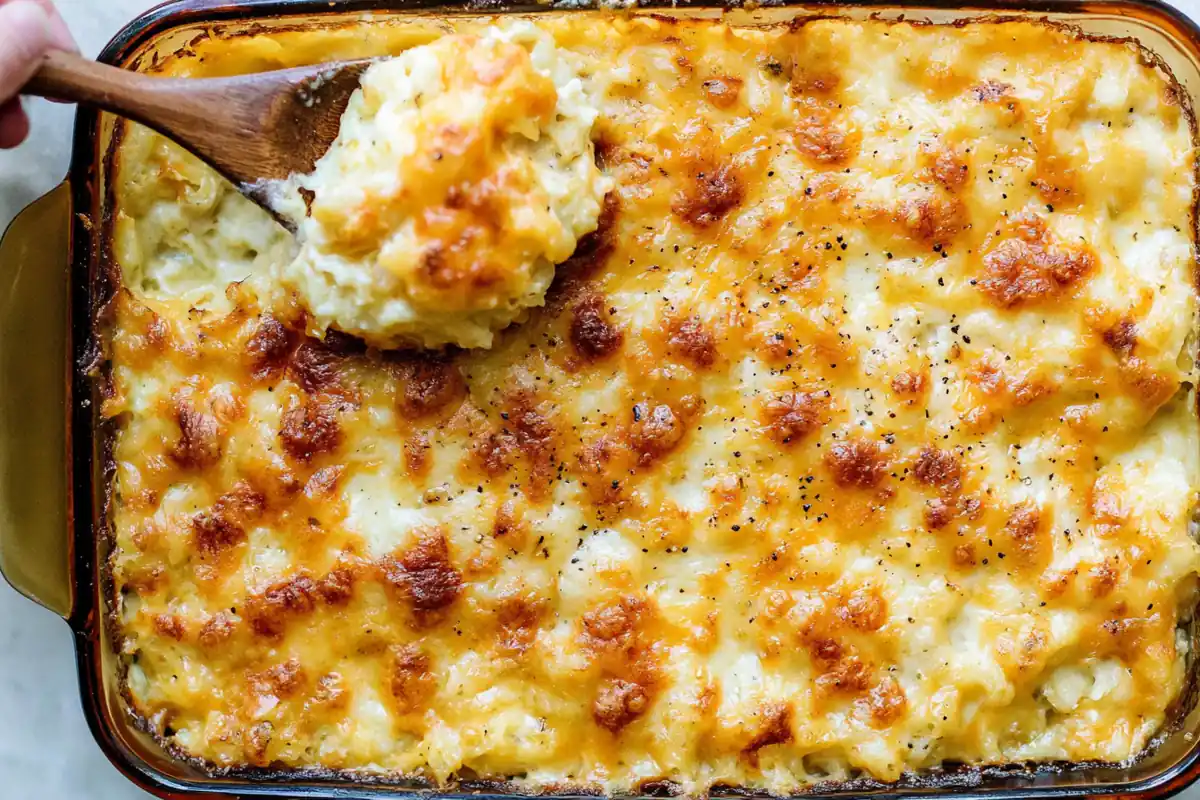
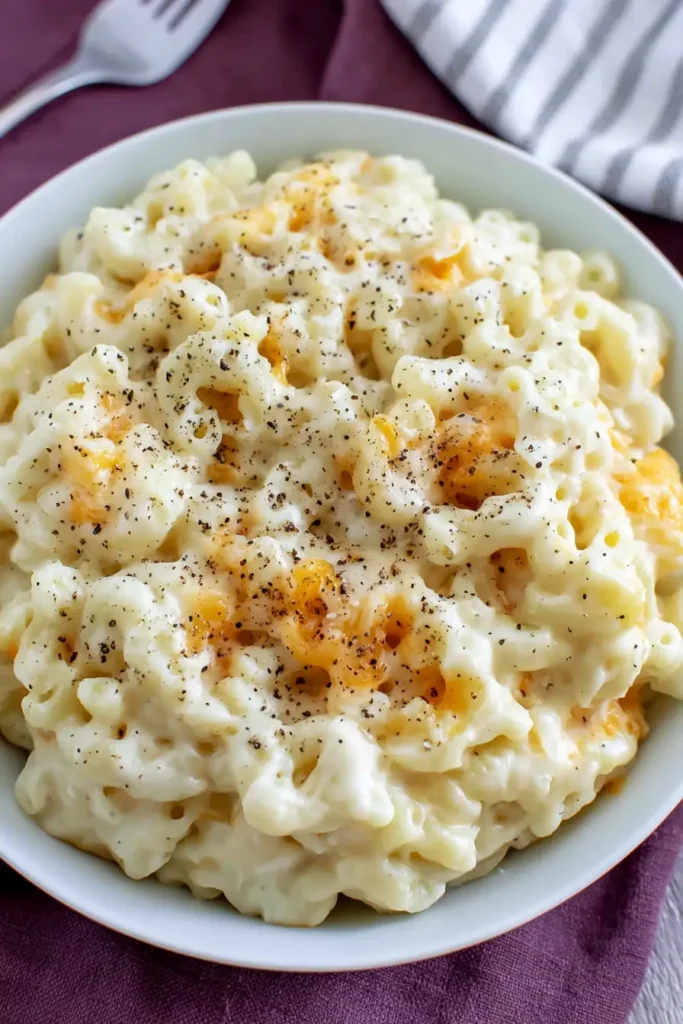
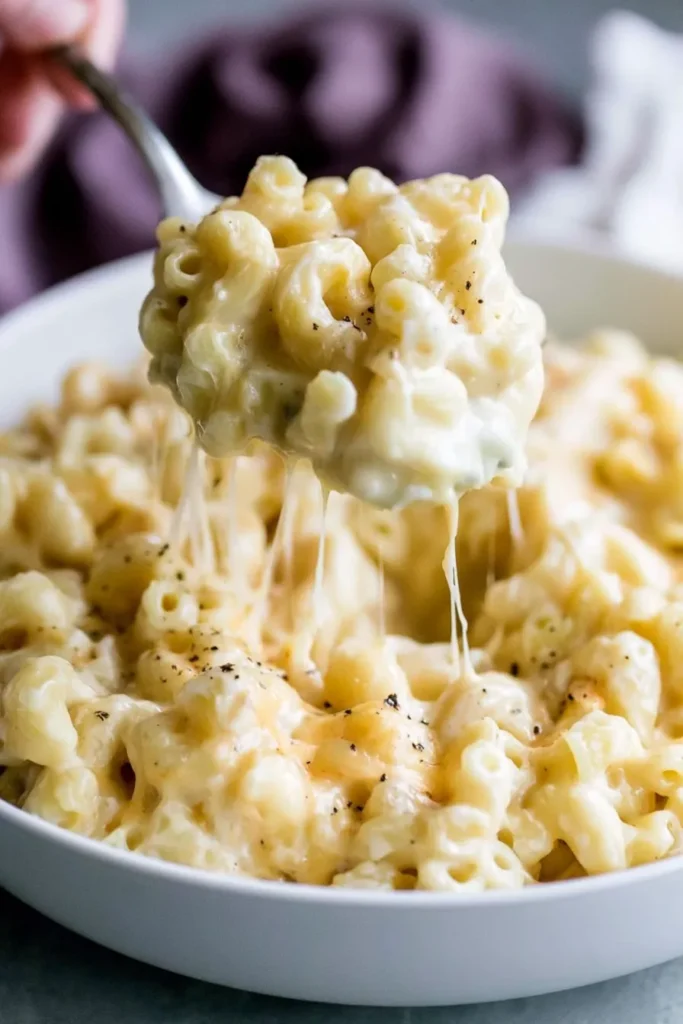
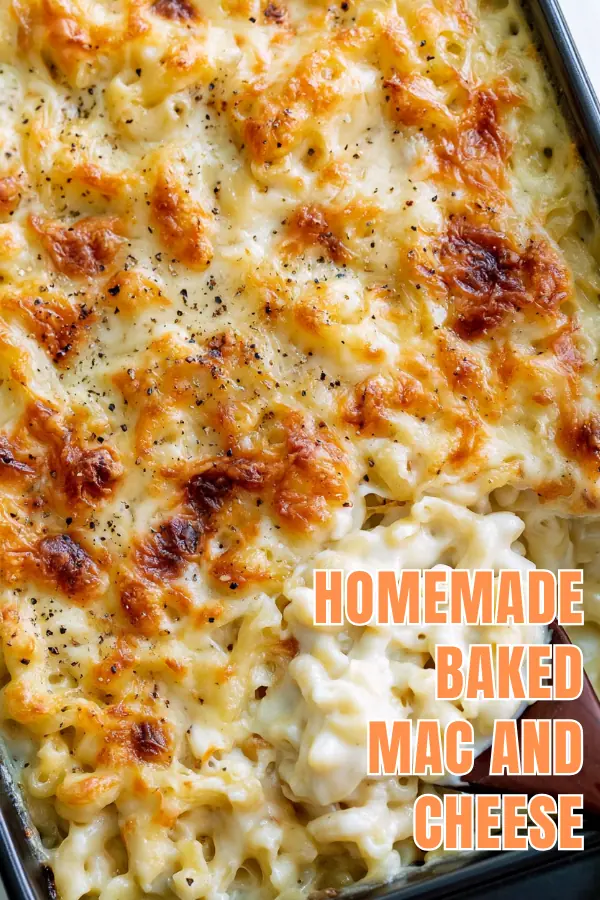
Homemade Baked Mac and Cheese should come out creamy in the middle, with cheese bubbling around the edges and just enough golden color on top to make you reach for the corner piece first. This version keeps things simple: tender pasta, a thick homemade cheese sauce, and extra shredded cheese tucked into the center.
The real trick is not overbaking it. The oven is there to melt the layers together, not dry the whole dish out.
Why This Homemade Baked Mac and Cheese Works So Well
A good baked mac and cheese needs balance. Too much oven time and the sauce tightens up. Too thin of a sauce and the pasta feels loose instead of creamy. Here, the sauce starts thick on purpose because the pasta will carry some moisture with it into the baking dish.
The pasta is cooked 1 minute less than al dente, which matters more than it sounds. It keeps a little bite after baking instead of turning soft and heavy. I also like the layered cheese in the middle because it gives you those creamy pockets when you scoop into the dish.
Simple food. Done carefully.
Choosing the Cheese and Pasta
Use a pasta shape that can hold sauce. Elbow macaroni is the classic choice, but shells or cavatappi also work if that’s what you have. The main thing is to cook it in salted boiling water and stop it just before it’s fully tender. After draining, a small drizzle of olive oil helps keep it from clumping while the sauce finishes.
For the cheese, shred it yourself if you can. Pre-shredded cheese often has anti-caking starches that can make the sauce a little grainy. A good melting cheese is what you want here — sharp cheddar gives flavor, while a milder cheese can soften the edges if you like a smoother taste.
Divide the shredded cheese before you start cooking: about 3 cups for the sauce, 1 1/2 cups for the middle, and 1 1/2 cups for the top. It saves you from guessing later with a hot saucepan in front of you.
How to Make Homemade Baked Mac and Cheese
Start by heating the oven to 325 degrees F and greasing a 3-quart baking dish, usually a 9×13-inch pan. That lower oven temperature helps the cheese melt without pushing the sauce too hard.
While the pasta water comes to a boil, shred your cheese and divide it into three piles. It feels like a small organizing step, but it keeps the recipe moving smoothly once the sauce starts. Boil the pasta in salted water, cook it 1 minute less than the package says for al dente, then drain it. A little olive oil keeps the noodles loose.
Melt butter in a large saucepan over medium heat. Sprinkle in the flour and whisk until it looks like wet sand. Let it cook for about 1 minute, whisking often. That short cook time removes the raw flour taste without browning the roux.
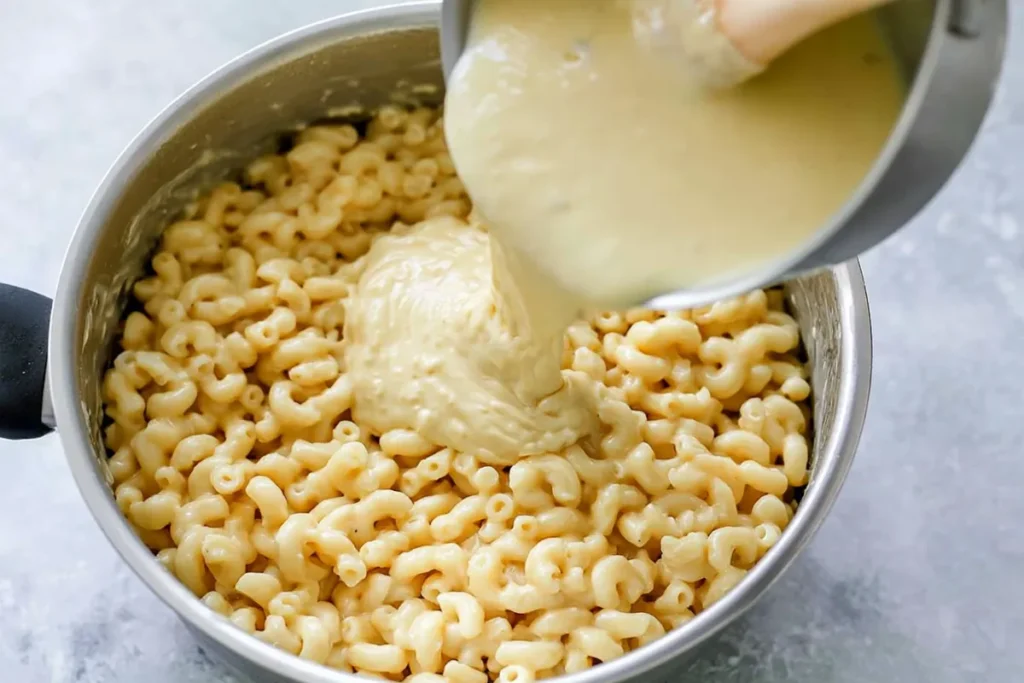
Pour in about 2 cups of half and half slowly while whisking. Don’t rush this part. Once it looks smooth, add the rest of the half and half and the whole milk, still whisking. Keep cooking over medium heat until the sauce gets very thick, close to a slightly thinned condensed soup. That texture may look too thick at first, but it loosens once the cheese and pasta join in.
Take the pan off the heat before adding the cheese. Stir in the spices, then melt in 1 1/2 cups of cheese first. Add another 1 1/2 cups and stir until the sauce is smooth. Removing the pan from heat helps the cheese melt gently instead of turning oily.
Mix the drained pasta with the sauce in a large bowl until every piece is coated. Pour half into the baking dish, scatter 1 1/2 cups shredded cheese over it, then add the remaining pasta. Finish with the last 1 1/2 cups cheese on top.
Bake for about 15 minutes, just until the cheese is bubbly and lightly golden. Watch the edges. When they start bubbling, you’re close.
Small Details That Keep It Creamy
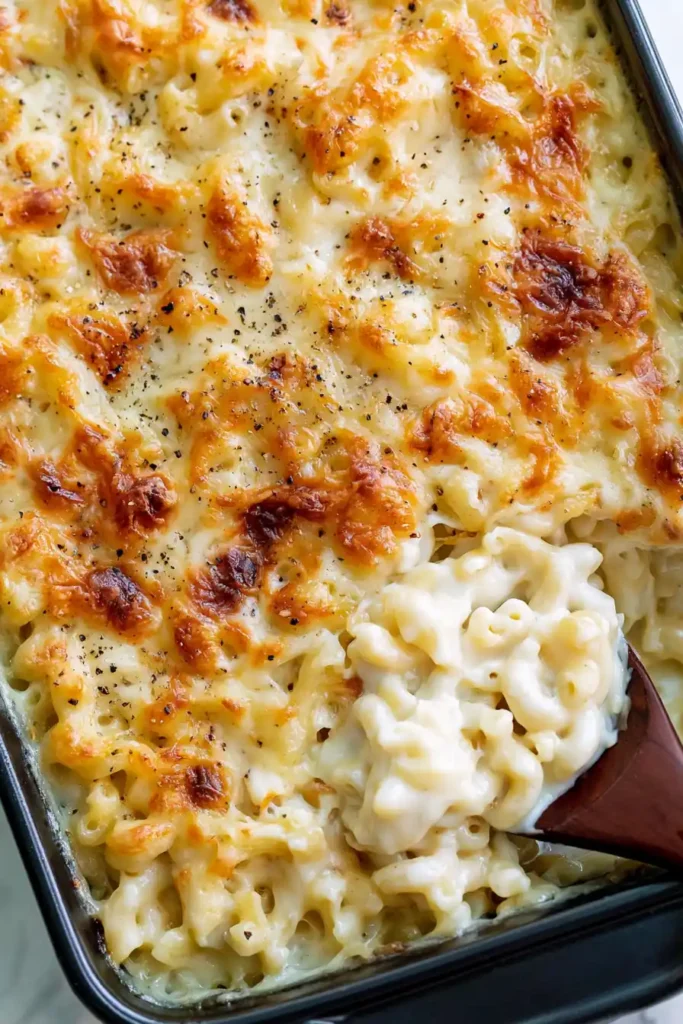
The biggest mistake with baked mac and cheese is treating it like a casserole that needs a long bake. It doesn’t. The pasta and sauce are already cooked, so the oven’s job is only to bring everything together. At 325 degrees F, about 15 minutes is usually enough.
The sauce should be thick before the cheese goes in. If it looks thin in the pan, it will usually bake up loose or separate. A slow pour of dairy into the roux helps prevent lumps, and steady whisking keeps the base smooth.
Take the sauce off the heat before adding cheese. That one step helps a lot. Cheese doesn’t like harsh heat, especially once it’s shredded. Gentle melting gives you a smoother sauce and a better texture after baking.
Simple Ways to Change the Flavor
Keep the base recipe steady, then adjust the flavor around it. Paprika gives the sauce a gentle warmth and a little color, while black pepper keeps the cheese from tasting flat. If your cheese is mild, use a touch more pepper. If you’re using a sharper cheese, go easier.
You can also change the cheese blend without changing the method. I prefer keeping cheddar as the main cheese because it gives that familiar baked mac and cheese flavor. A smaller amount of a creamier melting cheese can make the sauce softer, but don’t use a cheese that turns stringy in big amounts. It can make serving messy.
What to Serve with Baked Mac and Cheese
This dish is rich, so I like serving it with something fresh or simple. A crisp green salad with a sharp vinaigrette works well because it cuts through the cheese. Roasted vegetables are good too, especially broccoli, green beans, or carrots cooked until the edges start to brown.
For a holiday table, Homemade Baked Mac and Cheese can sit beside roasted turkey, baked chicken, or glazed vegetables without feeling out of place. For a weeknight dinner, it can be the main dish with a salad and nothing else. No need to make the plate busy.
Make-Ahead, Storage, and Reheating Tips
You can assemble the mac and cheese ahead, but it’s best baked fresh when possible. If making it early, prepare the pasta and sauce, layer everything in the greased baking dish, cover it tightly, and refrigerate. Before baking, let it sit at room temperature for about 20-30 minutes so the cold dish doesn’t go straight into the oven.
Leftovers keep well in the refrigerator for about 3-4 days. Cover them tightly so the pasta doesn’t dry out. When reheating, add a splash of milk before warming. It helps loosen the sauce again, especially if you’re reheating a single portion.
The oven gives the best texture for larger leftovers. Cover the dish with foil and warm it at 325 degrees F until hot in the center. For one bowl, the microwave is fine. Just stir halfway through.
Frequently Asked Questions
How do I keep baked mac and cheese from drying out?
Use a thick sauce, don’t overcook the pasta, and keep the baking time short. Since this recipe bakes for about 15 minutes, the sauce stays creamy instead of cooking away in the oven.
Can I use pre-shredded cheese?
You can, but freshly shredded cheese usually melts smoother. Pre-shredded cheese often has coatings that can affect the sauce texture. If that’s what you have, use it, but melt it gently off the heat.
Why cook the pasta 1 minute less than al dente?
The pasta keeps cooking a little while it bakes. Pulling it early helps it stay tender without becoming too soft once the sauce and cheese are added.
Can I make this Homemade Baked Mac and Cheese ahead of time?
Yes, but bake it close to serving if you can. Assemble it, refrigerate it covered, then let it sit out for 20-30 minutes before baking so it heats more evenly.
A Dish Worth Bringing to the Table
Homemade Baked Mac and Cheese doesn’t need much decoration. Give it a creamy sauce, enough cheese in the middle, and only a short bake so the top bubbles without drying the pasta underneath.
Serve it hot, while the edges are still bubbling a little. That’s when it tastes most like home.
Homemade Baked Mac and Cheese
Ingredients
Method
- Preheat oven to 325 degrees F and grease a 3-quart baking dish, such as a 9×13-inch pan. Set aside.
- Bring a large pot of salted water to a boil. Add the dried pasta and cook 1 minute less than the package directions for al dente. Drain and drizzle lightly with olive oil to help prevent sticking.
- While the water comes to a boil, shred the cheese and divide it into three portions: about 3 cups for the sauce, 1 1/2 cups for the inner layer, and 1 1/2 cups for the topping.
- Melt butter in a large saucepan over medium heat. Sprinkle in the flour and whisk until combined. The mixture should look like very wet sand. Cook for about 1 minute, whisking often.
- Slowly pour in about 2 cups of the half and half while whisking constantly until smooth. Slowly add the remaining half and half and the whole milk, whisking constantly until combined.
- Continue cooking over medium heat, whisking often, until the sauce thickens to a very thick consistency, similar to a slightly thinned condensed soup.
- Remove the saucepan from the heat. Stir in the salt, black pepper, paprika, and 1 1/2 cups of shredded cheese until melted. Add another 1 1/2 cups of cheese and stir until completely smooth.
- In a large mixing bowl, combine the drained pasta with the cheese sauce until fully coated.
- Pour half of the pasta mixture into the prepared baking dish. Sprinkle 1 1/2 cups of shredded cheese over the pasta, then top with the remaining pasta mixture.
- Sprinkle the final 1 1/2 cups of cheese over the top. Bake for about 15 minutes, until the cheese is bubbly and lightly golden. Serve hot.
Notes
- For the smoothest sauce, shred cheese from a block instead of using pre-shredded cheese.
- Do not overbake the mac and cheese. The pasta and sauce are already cooked, so the oven is only needed to melt the layers together.
- Cook the pasta 1 minute less than al dente so it stays tender after baking.
- For leftovers, add a splash of milk before reheating to loosen the sauce.