
Crispy Homemade Tulumba That Melts in Syrup
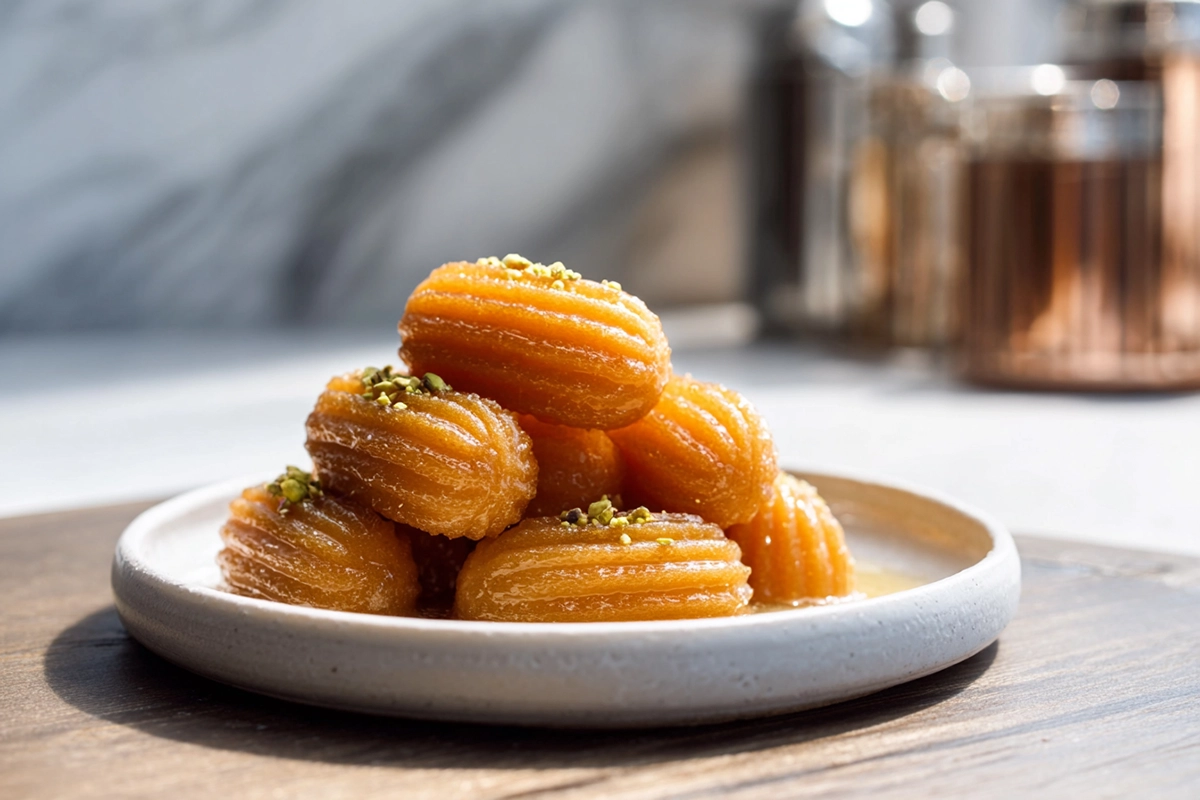
There’s something strangely comforting about making a dessert that reminds you of quieter moments. The first time I made Tulumba, I wasn’t expecting much beyond a simple fried sweet. But the scent of warm dough and lemony syrup filling the kitchen felt like stepping into a memory I didn’t even know I had. If you’ve ever tasted a pastry that’s crisp on the outside and soaked with syrup all the way to its center, you already know the kind of joy this dessert brings. In fact, Tulumba delivers that same pleasure—only with a bold, irresistible sweetness that keeps you reaching for just one more piece.
Table of Contents
What Is Tulumba?
If this is your first time hearing about Tulumba, imagine a dessert that lands somewhere between a churro and a syrup-soaked fritter. You pipe soft dough into short ridged pieces, fry them until they turn golden, then plunge them into cold lemon syrup. They drink up every drop, swelling with sweetness while still holding onto that signature crunch.
Originally enjoyed across Turkey, the Middle East, and the Balkans, this treat has become a go-to dessert for anyone craving something indulgent yet surprisingly simple. Even if you’re new to frying at home, you’ll find the process much more forgiving than it looks. Once you try it, you’ll understand why people often pair these little pastries with strong coffee, evening gatherings, or holiday tables.

Ingredients You’ll Need (U.S. Friendly)
When you gather your ingredients, consistency matters. Using the right ratios ensures you get that crispy outside and syrupy inside that makes this dessert so addictive.
Syrup
- 2 cups granulated sugar
- 1 cup water
- 1 tablespoon lemon juice
- 1 teaspoon vanilla extract
Dough
- 1 cup water
- 2 tablespoons unsalted butter
- 1 tablespoon granulated sugar
- 1 pinch salt
- 1 cup all-purpose flour
- 2 tablespoons semolina or cornstarch
- 2 large eggs
- Oil for frying
- Optional topping: finely chopped pistachios or shredded coconut
Step-by-Step Preparation & Cooking Instructions
Making Tulumba starts with a conversation between hot dough and cold syrup, and the contrast is what creates that unforgettable texture. You don’t need any special equipment other than a pastry bag with a star tip and a deep pot.
Prepare the Syrup First
You’ll want to start with the syrup because it must cool completely. Warm syrup will soften the fried dough too quickly. Combine sugar and water in a saucepan, bring it to a steady simmer, and stir only until the sugar melts. Add lemon juice for brightness and vanilla for warmth, then let it chill on the counter. You’ll notice it thickens slightly as it cools, which helps it cling to the pastries later.
Make the Dough
In a medium pot, bring water, butter, salt, and sugar to a low boil. Once the butter melts, add your flour all at once. Use a sturdy spoon to stir vigorously until the mixture pulls away from the sides and forms a smooth ball. Allow this dough to cool for several minutes. If you add the eggs too soon, they’ll scramble.
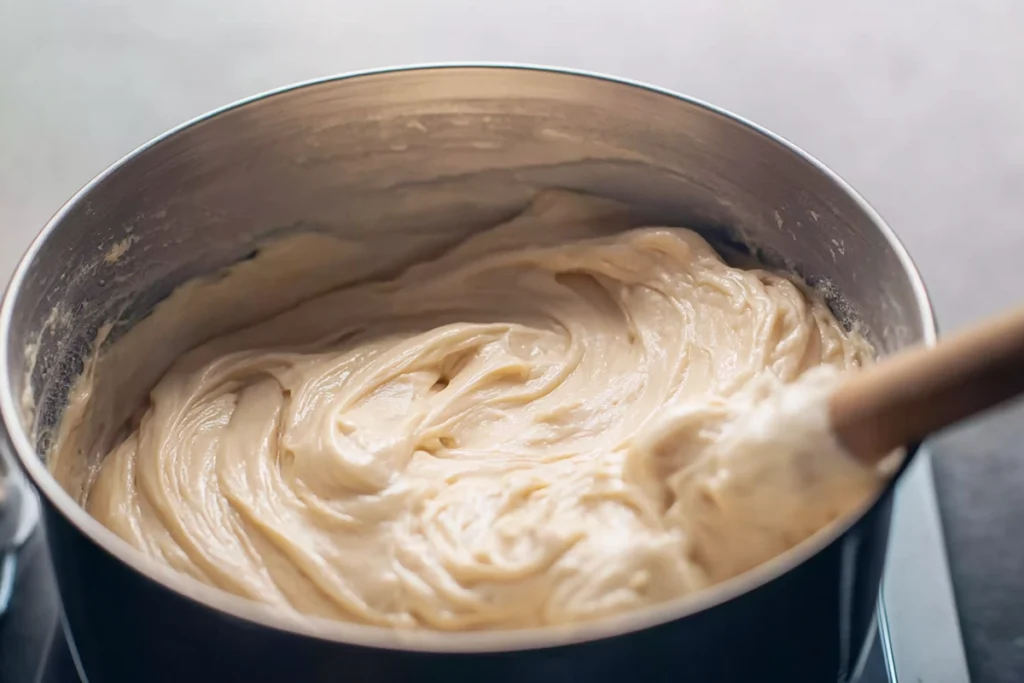
After it cools a bit, mix in the eggs one at a time. You’ll feel like the dough won’t come together at first, but keep mixing—eventually it becomes glossy and pipeable. Add semolina or cornstarch to improve the final texture. Once you get a thick but squeezable dough, transfer it to a piping bag fitted with a large star tip.
Frying the Pastries
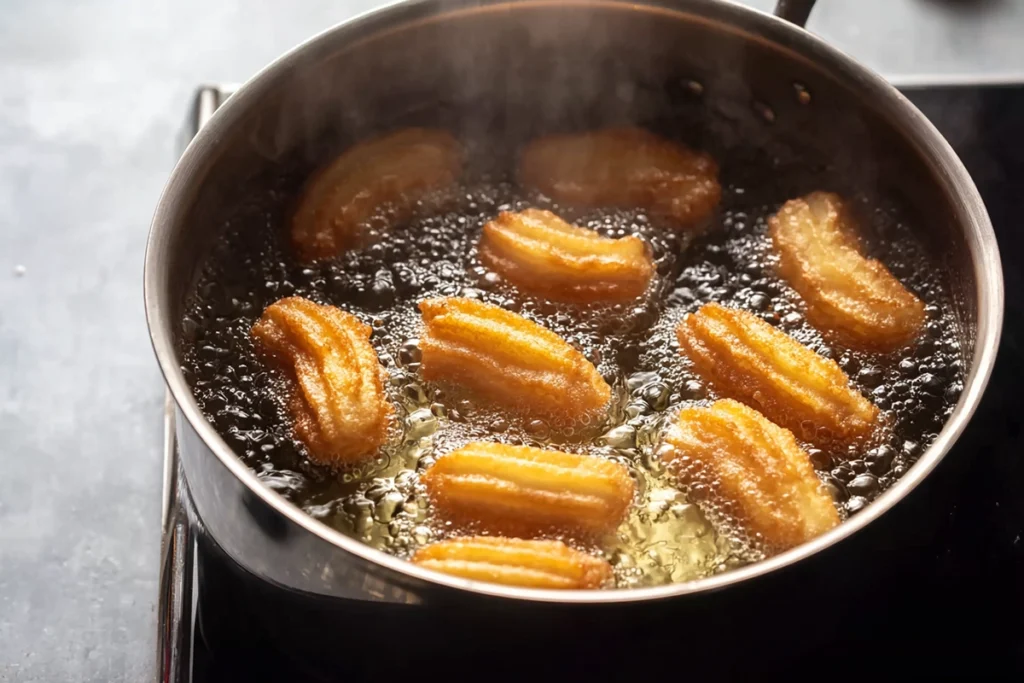
Here’s where the magic happens. Pipe short pieces directly into room-temperature oil, cutting them with scissors as they drop in. Starting cold allows the dough to rise slowly and evenly, creating that hollow center you want. As the oil heats up, the dough begins to crisp and turn golden.
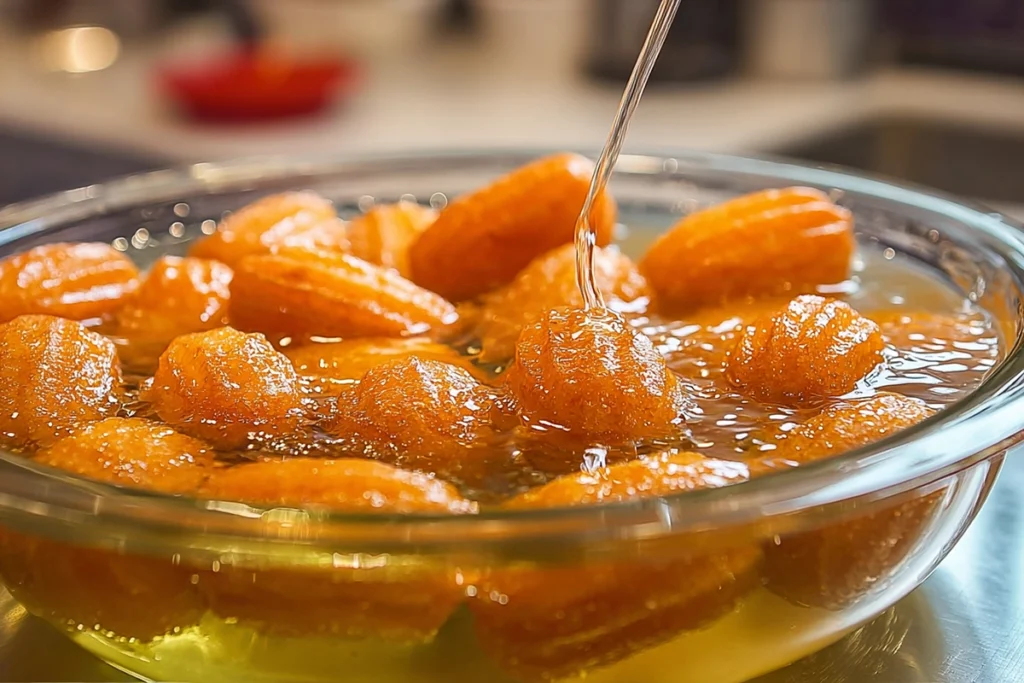
When they reach a deep amber color, remove them and immediately lower them into the chilled syrup. You’ll hear a faint sizzle as the cold syrup meets the hot pastry—that’s a good sign. After a minute or two, the pastries will soak in enough sweetness without losing their crunch.
Serving Suggestions
These pastries are incredible warm or at room temperature. You can sprinkle them with finely chopped pistachios, drizzle with melted chocolate, or even pair them with a scoop of vanilla ice cream for an American twist. Their ridged shape helps hold any topping you like, so feel free to get creative.
Dietary Variations & Ingredient Substitutions
If you love experimenting or need to adapt Tulumba for dietary needs, you’ve got options.
Vegan
You can replace the eggs with aquafaba (three tablespoons per egg). The texture won’t be quite as airy, but the final result stays pleasantly crisp. Swap out the butter for plant-based butter or neutral oil.
Gluten-Free
Use a gluten-free baking blend along with potato starch or tapioca flour. These starches help mimic the chewy interior. Keep the dough slightly thicker, as gluten-free versions soften more quickly in syrup.
Low-Calorie
You can reduce the sugar in the syrup or use part monk fruit sweetener. Keep in mind that alternative sweeteners may absorb differently, so allow them extra time to thicken.
Halal-Friendly
Most ingredients are naturally suitable. Just make sure your butter and vanilla extract meet your household’s standards.
Storage, Serving & Leftover Tips
Because Tulumba relies on crispiness to shine, it’s best eaten within the first 24 hours. If you want to save some for later, store them at room temperature in a loosely covered container. Avoid sealing them airtight, as that traps steam and softens the shells.
If your pastries lose their crunch, you can refresh them in a warm oven for a few minutes. They won’t regain all the original crispiness, but they’ll still taste fantastic. You can also serve leftovers alongside coffee, tea, or even yogurt for a breakfast treat that feels a little indulgent.
You’ll find that even the leftovers hold onto the signature flavor that makes Tulumba such a standout dessert.
There’s a special kind of satisfaction that comes from frying your own Tulumba at home. You get to enjoy each warm, syrupy bite straight from your kitchen, and you’ll quickly realize why this dessert has been beloved for generations. Once you’ve made it yourself, the scent alone will draw you back again and again.
FAQ
What does Tulumba taste like?
You’ll find that Tulumba delivers a delightful contrast — a crisp exterior and a syrup-soaked interior. The sweetness of the syrup blends with the rich fried dough, offering a texture similar to churros or jalebi, yet uniquely satisfying.
Can I make Tulumba without deep-frying?
Traditionally they’re deep-fried to get that golden crisp crust, so yes you can bake them for a lighter version, but you’ll sacrifice some of the crunch and syrup-absorption that define the dessert.
Why did my Tulumba turn soggy after soaking in syrup?
If the syrup was too hot or the dough wasn’t drained well before dipping, the pastries might absorb too much liquid and lose their crispiness. Ensuring the dough is properly fried, drained, and the syrup is fully cooled will help maintain that crunch.
How long can I store cooked Tulumba, and how should I store them?
It’s best to enjoy Tulumba the same day for peak texture. If you must store them, keep them at room temperature in a loosely covered container (not airtight) and eat within 1-2 days. Refrigerating often softens the crust.
Can I adapt Tulumba for special diets like vegan or gluten-free?
Yes — you can swap in plant-based butter and an egg substitute for a vegan version, or use gluten-free flour blends and starches for a gluten-free one. The texture will shift slightly, but with the right substitutions you’ll still get a delicious result.
Get inspired with more mouthwatering recipes! Follow me on Facebook, Pinterest, and subscribe to YouTube for new cooking ideas every week.
Print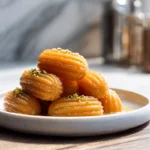
Crispy Homemade Tulumba
- Total Time: 40 minutes
- Yield: 6 servings 1x
Description
A crisp, syrup-soaked Turkish dessert made from piped fried dough dipped in chilled lemon syrup for a golden, crunchy bite.
Ingredients
2 cups granulated sugar
1 cup water
1 tablespoon lemon juice
1 teaspoon vanilla extract
1 cup water
2 tablespoons unsalted butter
1 tablespoon granulated sugar
1 pinch salt
1 cup all-purpose flour
2 tablespoons semolina or cornstarch
2 large eggs
Oil for frying
Finely chopped pistachios (optional)
Instructions
-
Simmer sugar and water to make the syrup, then add lemon juice and vanilla and let it cool completely.
-
Bring water, butter, sugar, and salt to a boil, then add flour and stir until a smooth dough forms.
-
Allow the dough to cool slightly, then mix in eggs until glossy; add semolina or cornstarch.
-
Transfer dough to a piping bag and pipe short pieces into room-temperature oil.
-
Fry the dough pieces until golden and crisp.
-
Move the fried pieces into chilled syrup and allow them to soak briefly.
-
Serve with pistachios if desired.
Notes
- Serve Tulumba warm or at room temperature.
- Store loosely covered for up to one or two days to keep the texture.
- Refresh in a warm oven to restore some crispness if needed.
- Prep Time: 20 minutes
- Cook Time: 20 minutes
- Category: Dessert
- Method: Frying
- Cuisine: Turkish
Nutrition
- Serving Size: 1 piece
- Calories: 180
- Sugar: 20g
- Sodium: 45mg
- Fat: 8g
- Saturated Fat: 2g
- Unsaturated Fat: 5g
- Trans Fat: 0g
- Carbohydrates: 24g
- Fiber: 0g
- Protein: 2g
- Cholesterol: 25mg
What Are Our Readers Saying?
There are no reviews yet. Be the first one to write one.