Baumkuchen: The Irresistible German Layered Cake Americans Are Falling For

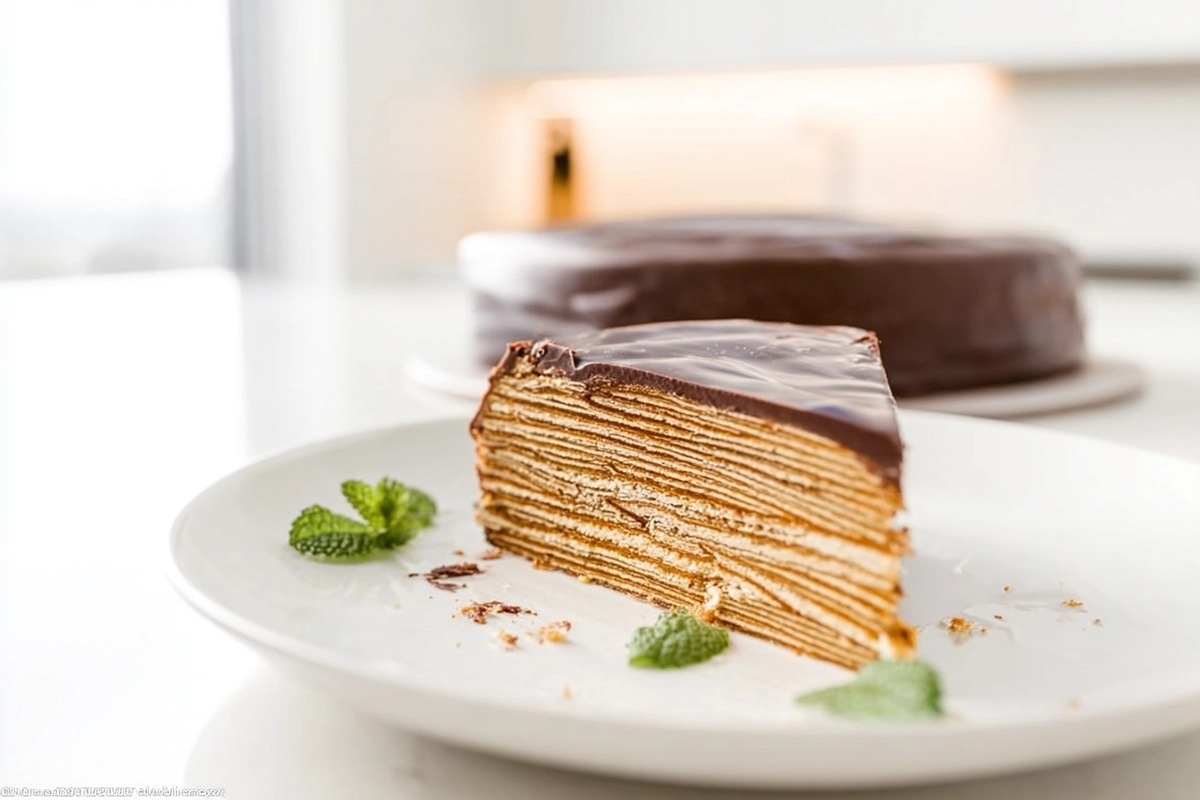
There’s something almost nostalgic about discovering a dessert that feels both new and familiar at the same time. The first time you slice into a Baumkuchen, those delicate rings look like the inside of a tree trunk, and you can’t help but pause for a moment before taking a bite. If you’ve ever enjoyed a layered cake that melts the instant it hits your tongue, you’ll understand why this classic German treat is gaining serious traction in American kitchens. As you explore this recipe, you might notice that making Baumkuchen at home feels a little like building a memory—layer by layer—until you’ve created something special.
Table of Contents
What is Baumkuchen?
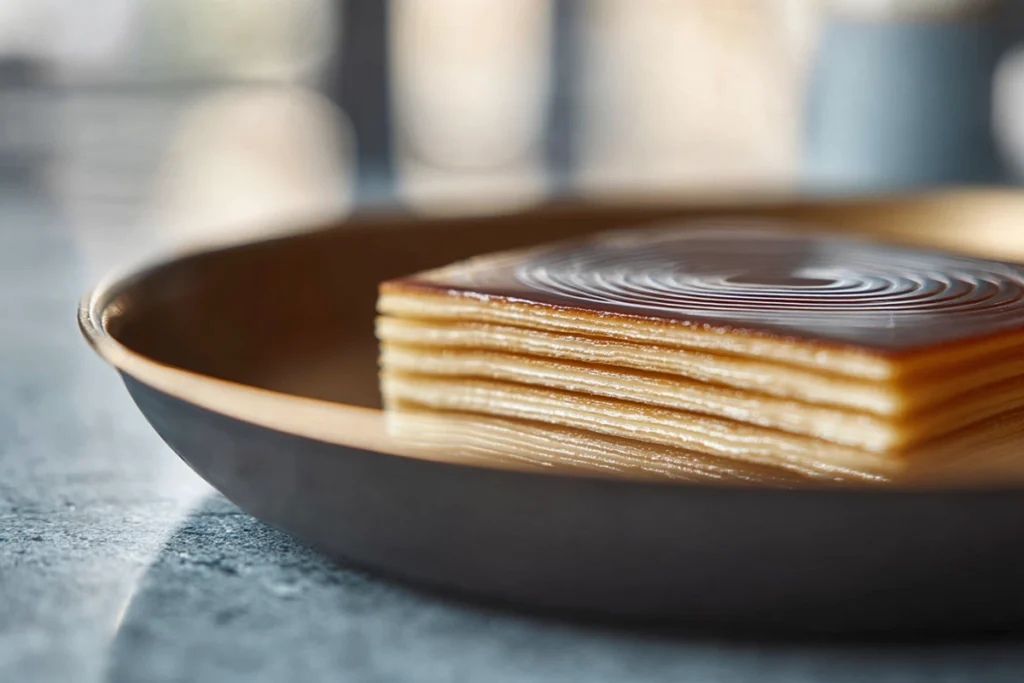
When you first hear the word “Baumkuchen,” you may wonder what makes this dessert so unique. At its core, Baumkuchen is a German layered cake baked in ultra-thin sheets that create a beautiful ring pattern once sliced. Those signature growth-ring lines come from building each layer under direct heat, allowing the top to caramelize slightly before adding the next. Even though the traditional version is made on a rotating spit, the modern U.S. home-baker method uses a broiler to mimic that effect.
A Cake With Texture and Personality
What makes this style of layered cake stand out is the balance of airy sponge-like texture with just enough richness from butter, eggs, vanilla, and sometimes a hint of almond or marzipan flavor. When you cut into it, you get a cross-section that looks as striking as it tastes. If you enjoy cakes that feel both celebratory and comforting, this dessert easily fits into your rotation.

Why Americans Love It
This cake has become a hit because it blends Old-World craftsmanship with a fun, hands-on baking experience. You’ll notice that each layer takes only a minute or two to brown, making the process both engaging and surprisingly relaxing. And since Americans already love layered desserts, this one feels like a natural fit.
Origins & Global Popularity
Even if you’re new to Baumkuchen, its roots reach back centuries. This cake originated in Germany, where bakers perfected the art of pouring thin layers of batter over a turning spit. Over time, it became a symbol of celebration and craftsmanship. While the technique was impressive back then, it still feels just as magical today.
A Worldwide Journey
As this dessert traveled globally, it found a particularly strong following in Japan. There, it’s often gifted at weddings and special events because its “rings” symbolize longevity and good fortune. You’ll see Japanese bakeries selling elegant, sleek versions of Baumkuchen that highlight precision and delicate flavor.
In the U.S., the cake’s popularity has surged thanks to online baking trends, global food markets, and the growing fascination with heritage desserts. If you’ve ever watched a mesmerizing “layer-by-layer” food video, you’ve likely seen this cake without even realizing it.
How Baumkuchen Is Made – Traditional vs. Home-Baker Versions
Making Baumkuchen the traditional way requires a spit, an open flame, and serious experience. However, you can easily create a stunning version using your oven broiler—and you won’t lose the dramatic layered look.
Traditional Method
The original technique involves pouring thin layers of batter over a rotating rod, forming concentric golden rings. Each layer crisps slightly as it cooks, creating that subtle caramelized flavor people love. The classic recipe usually avoids baking powder, relying instead on stiffly whipped egg whites for lift.
Home-Baker Approach (Easy U.S. Version)
You can recreate that same beauty using a baking pan:
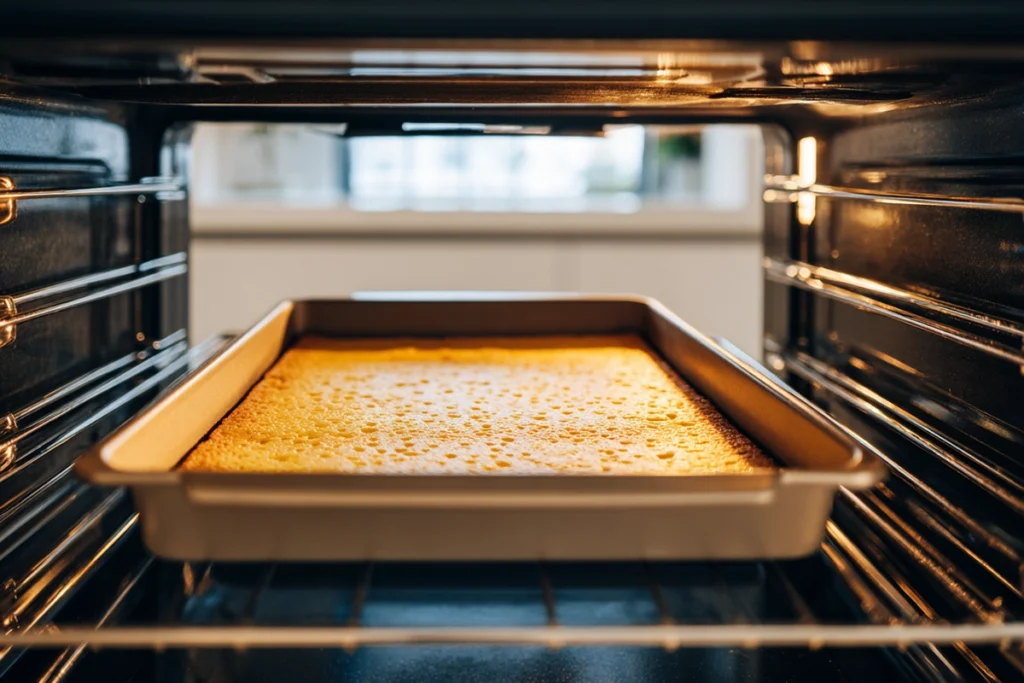
- Spread a thin layer of batter and place it under the broiler.
- Once it turns golden, pull it out and repeat.
- After about 15–20 layers, you’ll notice the cake has built its own “tree-ring” design.
Because each layer cooks fast, the process moves quicker than you might expect. You might even find it therapeutic—almost like painting with batter.
Tips for Better Layers
- Keep each layer thin for the cleanest ring pattern.
- Rotate your pan occasionally for even browning.
- Chill the finished cake before slicing to reveal the lines sharply.
With a little patience, you end up with a dessert that looks bakery-level but feels homemade in the best way.
U.S. Twist & Variations to Explore
Once you get the basic method down, experimenting becomes part of the fun. American bakers have embraced this cake by adding flavors and styles that fit today’s trends.
Flavor Variations
- Almond or marzipan blends for depth
- Vanilla-bean and citrus layers
- Chocolate-dipped edges for a richer bite
- Matcha or sweet-potato versions inspired by Japanese bakeries
Each one offers a new twist without losing the cake’s natural elegance.
Shape and Serving Ideas
While the traditional version is ring-shaped, you can bake the cake in a rectangular pan for simpler slicing. Many home bakers also cut their Baumkuchen into bite-size pieces and dip them in chocolate for a treat that feels perfect for gifting.
If you’re planning a holiday table, a chilled, glazed Baumkuchen adds a sophisticated touch that guests will ask about the moment they see it.
Dietary Variations
Since the classic recipe leans on butter, eggs, and wheat flour, adapting it for dietary needs takes a bit of creativity. Fortunately, several substitutions work surprisingly well.
Gluten-Free
Use a blend of rice flour and almond flour for structure. Adding a small amount of cornstarch helps mimic the softness of wheat-based sponge cake.
Vegan
This version takes more adjustment, but it’s doable.
You can use:
- Vegan butter sticks
- Coconut cream for richness
- Aquafaba whipped into soft peaks to replace egg whites
- A small amount of baking powder for lift
Although the texture changes slightly, the layered pattern still forms beautifully.
Low-Calorie
To lighten the cake, swap part of the butter for Greek yogurt and use a reduced-sugar glaze. Because each layer is thin, the overall cake still feels indulgent.
Halal
Make sure your vanilla extract is alcohol-free, and avoid any rum flavorings often found in European versions. Otherwise, the cake is naturally Halal-friendly.
These adjustments allow you to enjoy the joy of Baumkuchen without sacrificing your dietary needs.
Storage, Serving & Pairing Tips
This cake stores incredibly well, which makes it even more appealing for busy households. Since the layers retain moisture, you can keep it at room temperature for several days without losing quality.
How to Store It
Place it in an airtight container and keep it in a cool spot in your kitchen. If you prefer a firmer texture, refrigerate it; the rings become even more distinct when chilled.
Serving Suggestions
You might enjoy it with:
- Hot coffee or black tea
- A scoop of vanilla ice cream
- Fresh berries for brightness
- A light dusting of powdered sugar
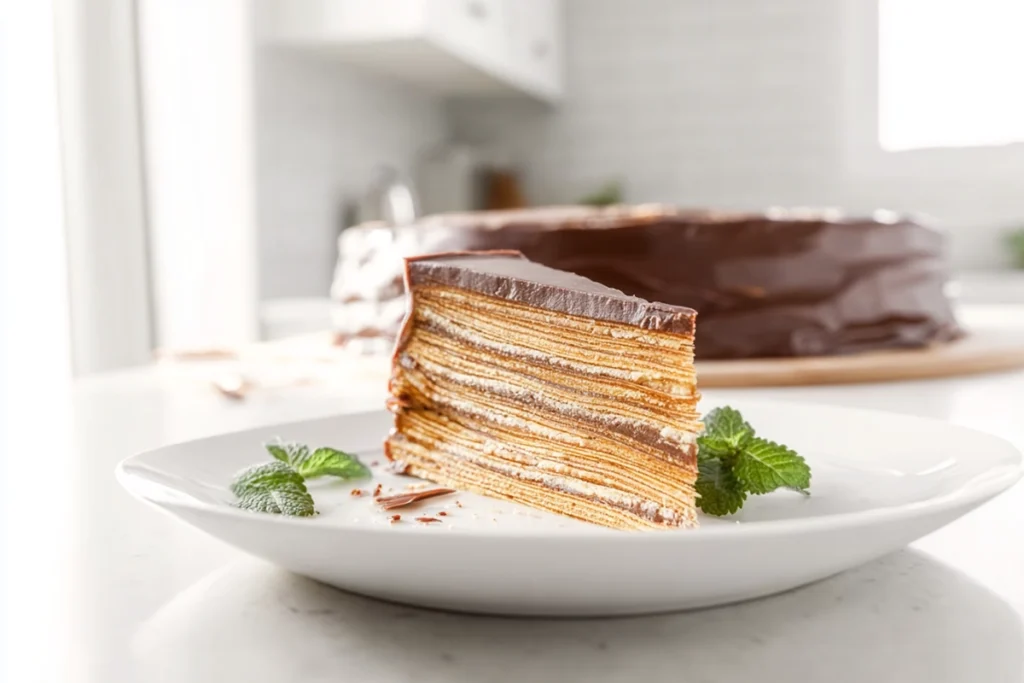
When you slice into it, use a sharp knife to reveal the cleanest layered cross-section. It’s the kind of dessert that makes you pause for a second just to admire it.
Creating your own Baumkuchen brings together history, creativity, and a little bit of patience. Once you build those golden layers yourself, you’ll understand why this cake has charmed bakers around the world. And whether you serve it during the holidays or on a quiet afternoon, you’ll find that Baumkuchen adds a touch of artistry to your kitchen that never gets old.
FAQ
What is Baumkuchen made of?
Baumkuchen is typically made with butter, sugar, eggs, flour, vanilla, and sometimes almond or marzipan for extra flavor. The thin layers are cooked under direct heat to create the signature tree-ring pattern.
Why is Baumkuchen called “tree cake”?
It’s called “tree cake” because when you slice it, the golden rings resemble the growth rings of a tree trunk. Those rings form naturally as each thin layer of batter browns under the broiler.
Is Baumkuchen difficult to make at home?
It looks intimidating, but the home-baker method is surprisingly approachable. Because you add batter in thin layers under a broiler, you always stay in control, and the process becomes easier with each layer.
How many layers should a Baumkuchen have?
Most home versions have 12–20 layers. You can add more if you want a dramatic ring effect, but even a dozen layers create a beautiful result.
Can you make Baumkuchen without a spit?
Yes. The broiler method lets you build the same caramelized, layered look without any special equipment. You just bake one thin layer at a time until the cake forms those classic rings.
Get inspired with more mouthwatering recipes! Follow me on Facebook, Pinterest, and subscribe to YouTube for new cooking ideas every week.
Print
Baumkuchen
- Total Time: 1 hour 30 minutes
- Yield: 10 servings 1x
Description
A light, elegant German layered cake baked one thin layer at a time, creating a beautiful tree-ring pattern and a caramelized, tender texture.
Ingredients
- Butter
- Sugar
- Eggs
- Flour
- Vanilla
- Marzipan (optional)
- Chocolate glaze (optional)
- Mint leaves for garnish
Instructions
- Prepare the batter using butter, sugar, eggs, flour, vanilla, and optional marzipan.
- Spread a thin layer of batter in a pan and place it under the broiler.
- When the first layer turns golden, remove and spread the next layer.
- Repeat layering and broiling until 12–20 layers are formed.
- Cool the cake completely, slice, and serve to reveal the rings.
Notes
- Keep layers thin for sharper rings.
- Rotate the pan for even browning.
- Chill before slicing for clean cuts.
- Prep Time: 30 minutes
- Cook Time: 1 hour
- Category: Dessert
- Method: Broiler
- Cuisine: German
Nutrition
- Serving Size: 1 slice
- Calories: 0
- Sugar: 0
- Sodium: 0
- Fat: 0
- Saturated Fat: 0
- Unsaturated Fat: 0
- Trans Fat: 0
- Carbohydrates: 0
- Fiber: 0
- Protein: 0
- Cholesterol: 0