Chocolate Lava Cake with a Soft Molten Center

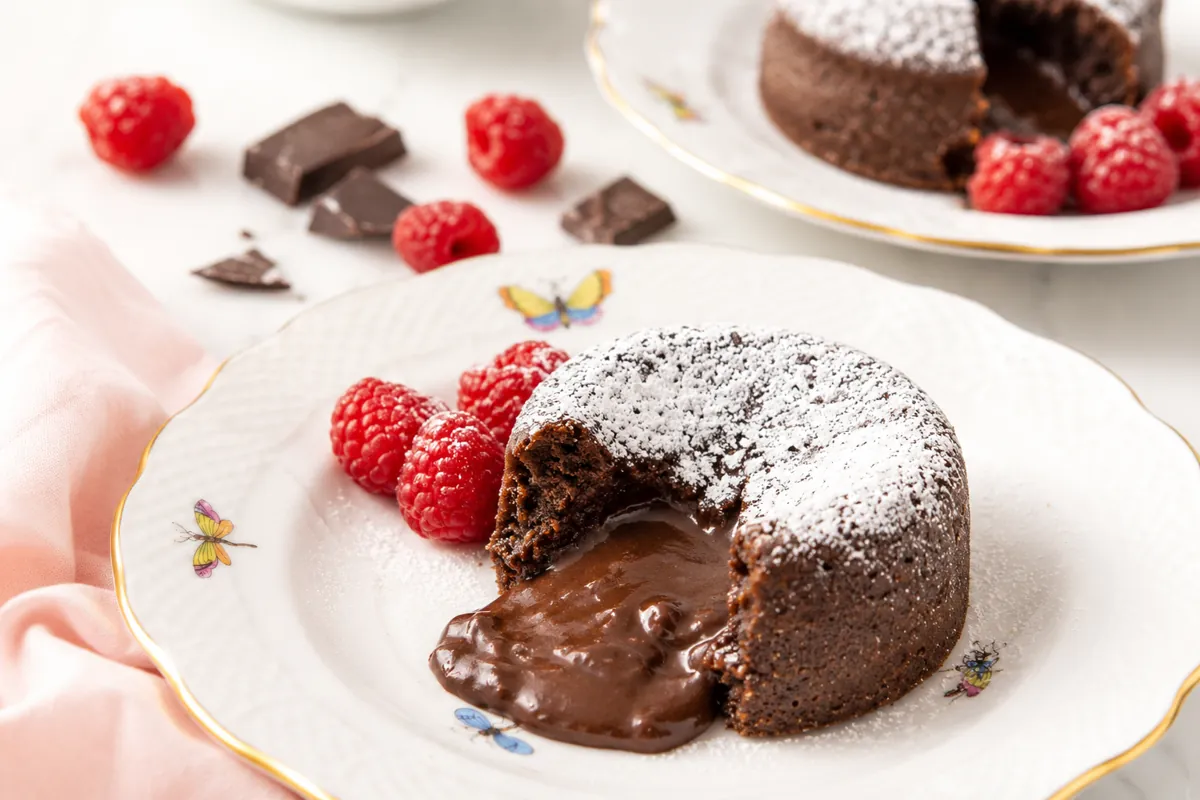
A good chocolate lava cake should feel a little dramatic when the spoon breaks through it. The outside holds its shape, the center spills out warm and glossy, and the whole dessert tastes richer than the short ingredient list suggests.
This version keeps things simple: melted bittersweet chocolate, butter, eggs, sugar, a pinch of salt, and just enough flour to help the cakes stand. No frozen center, no long chilling time. Just careful mixing and close baking.
Choosing Ingredients That Help the Center Stay Soft
The chocolate carries most of the flavor here, so I prefer bittersweet chocolate rather than milk chocolate. It melts smoothly with the butter and gives the cakes a deeper taste without making them too sweet. Chop it small so it melts evenly, especially if you’re using the double boiler method.
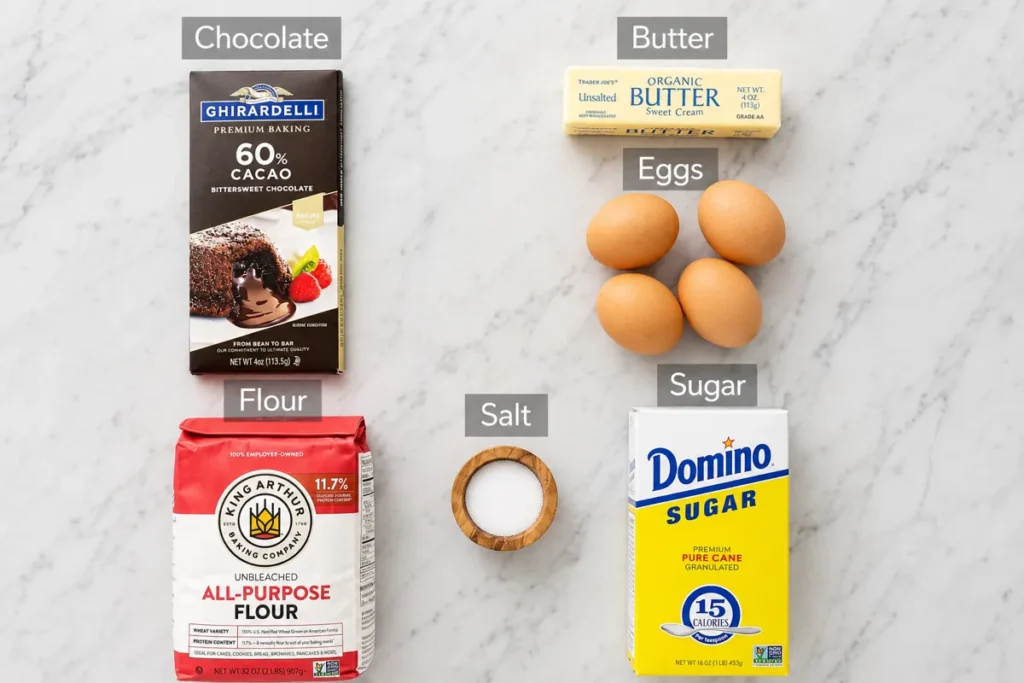
The butter does two jobs. It adds richness to the batter, and a little extra butter helps the cakes release from the ramekins. I like to butter the ramekins well, then dust them lightly with flour. Tap out the extra flour so it doesn’t leave a dry coating on the outside of the cake.
The eggs and yolks matter more than they look. Two whole eggs give structure, while two extra yolks make the center softer and richer. The small amount of all-purpose flour is enough to hold the edges together, but not so much that the middle turns into a regular cake.
Mixing Chocolate Lava Cake Batter Without Deflating It
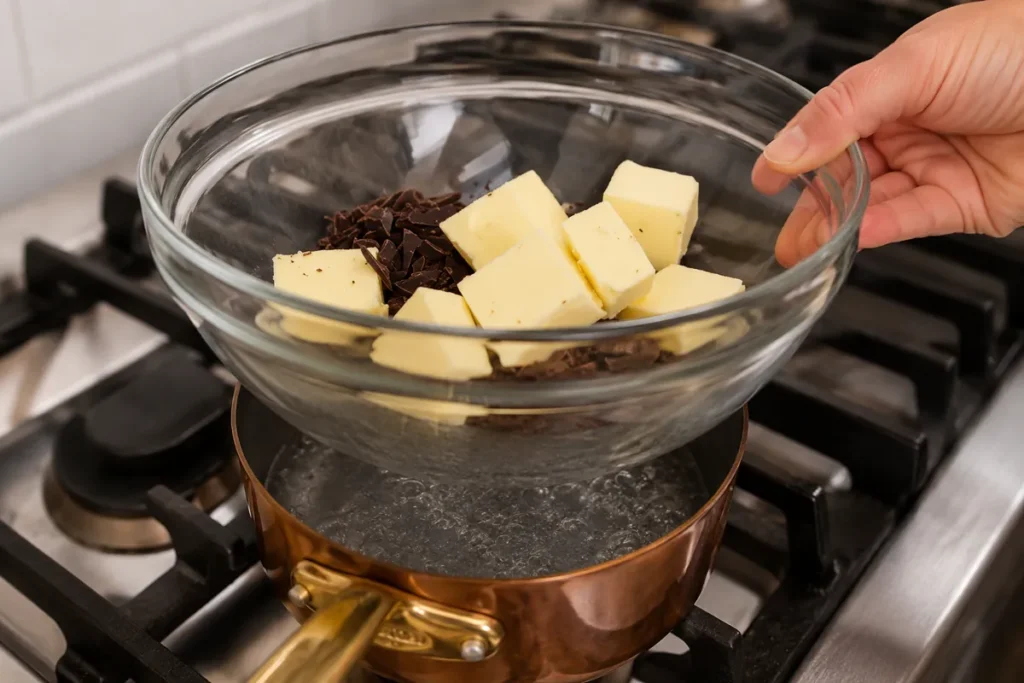
Start by melting the chocolate and butter slowly. A double boiler gives you the most control, but the microwave works too if you stop every 30 seconds and stir. Don’t rush this part. Chocolate can look firm even when it’s hot inside, and stirring helps it finish melting without overheating.
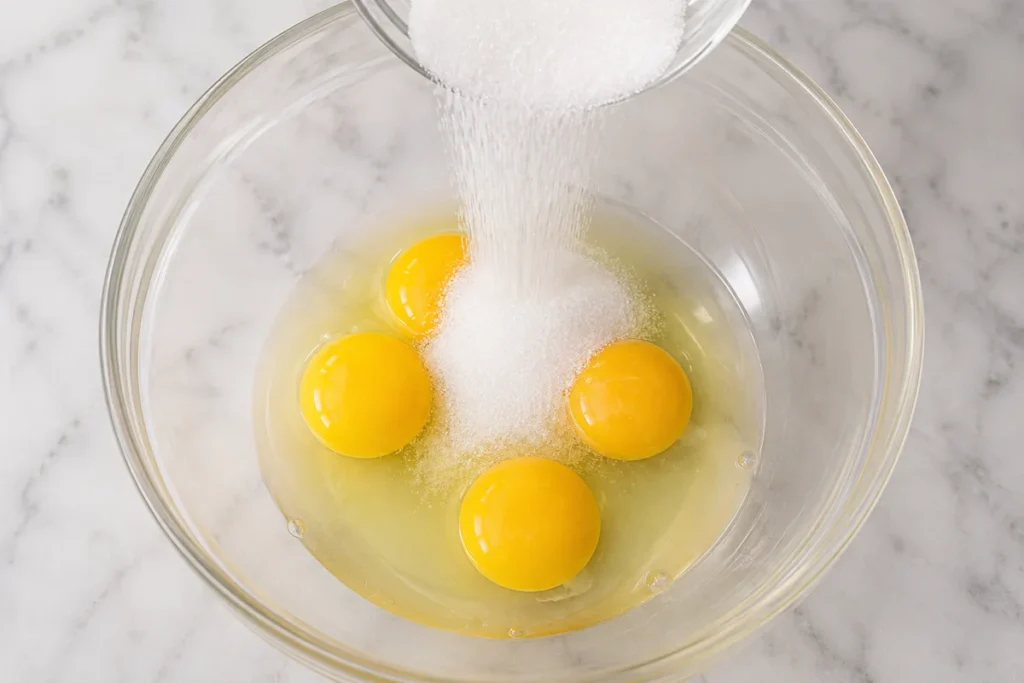
In a separate bowl, beat the eggs, egg yolks, sugar, and salt until the mixture turns thick and pale yellow. This usually takes a few minutes on medium speed. You’re not making a sponge cake, but this step adds lightness so the finished lava cake doesn’t feel heavy around the edges.
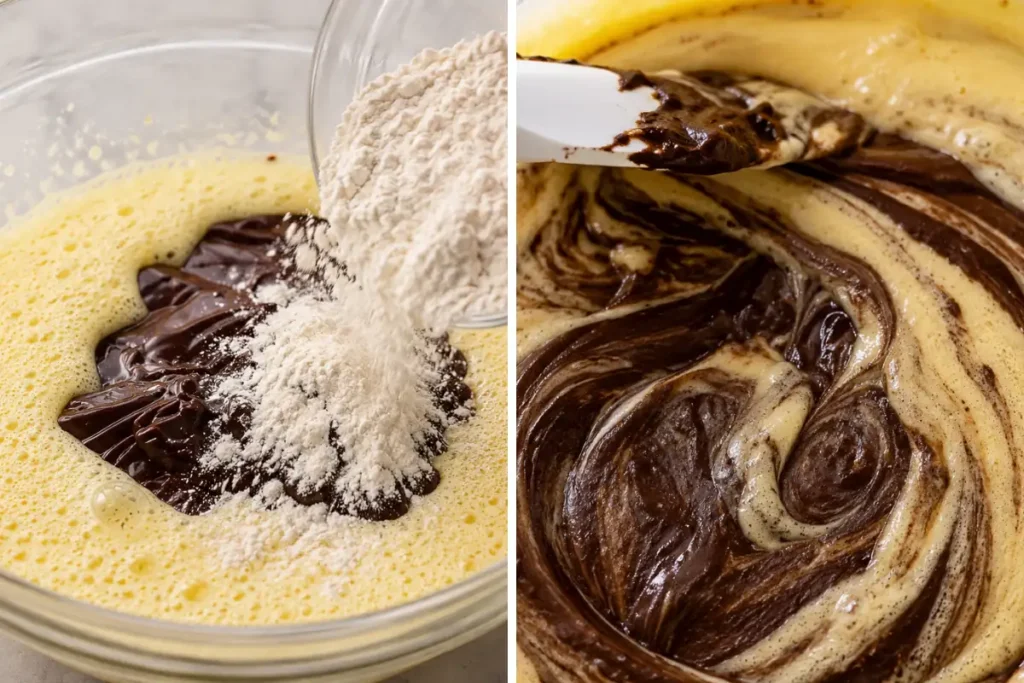
Once the chocolate mixture is smooth, fold it into the eggs with a gentle hand. Add the flour and fold again until no dry streaks remain. I don’t beat the batter after the flour goes in. Too much mixing can make the cakes a little tougher, and this dessert is better when the outside is tender and the center stays loose.
Baking, Unmolding, and Serving Chocolate Lava Cake
Preheat the oven fully to 450°F before the ramekins go in. This high heat sets the outside quickly while leaving the center soft. Place the prepared ramekins on a baking sheet before filling them; it’s much easier than trying to move six filled cups one by one.
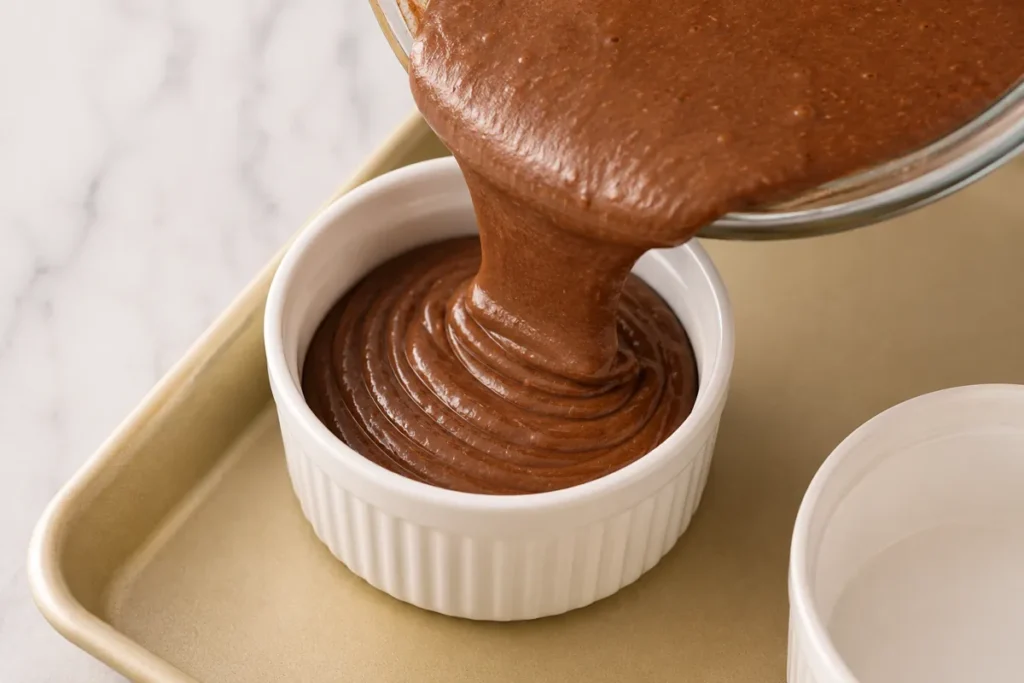
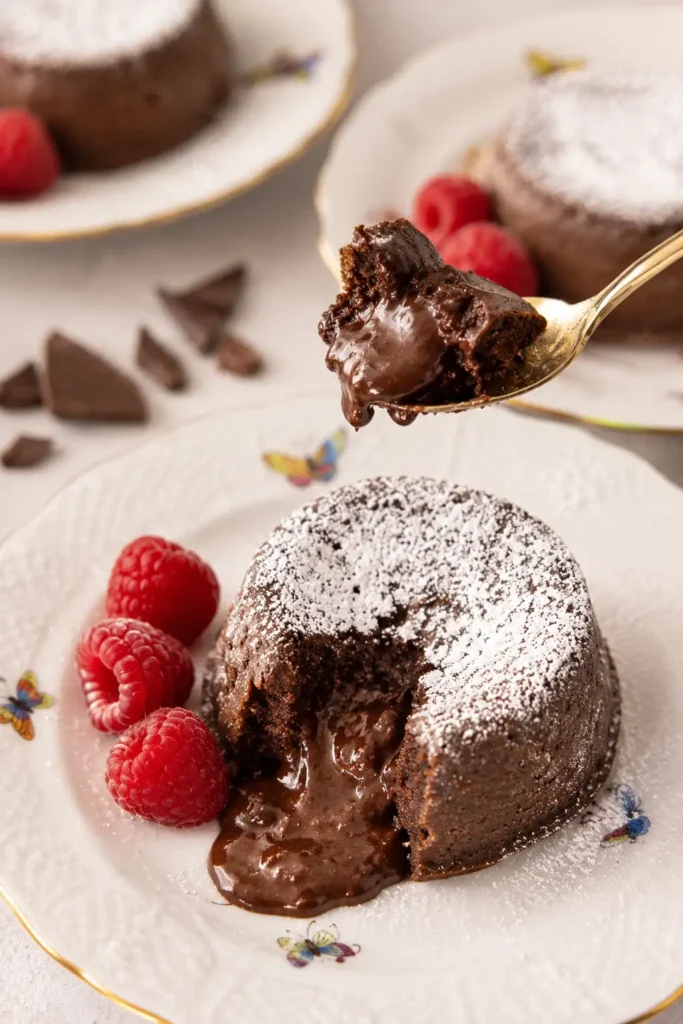
Divide the batter evenly among the ramekins. Try not to fill one much higher than the others, or they won’t bake at the same speed. Slide the baking sheet into the oven and bake for 6 to 8 minutes. The sides should look set, and the center should still jiggle slightly when you move the pan. That’s the sign to stop.
Let the cakes sit in the ramekins for 1 minute after baking. Not longer. That short rest helps the edges relax, but the center stays molten. Place a small dessert plate over one ramekin, invert it carefully, and let it stand for about 10 seconds before lifting the ramekin away.
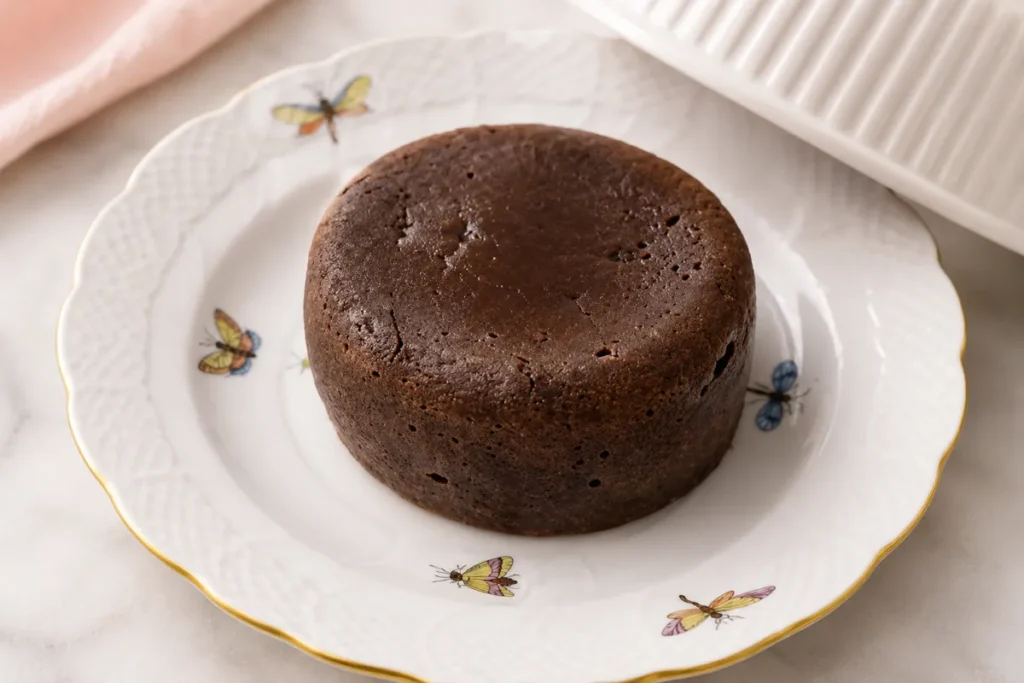
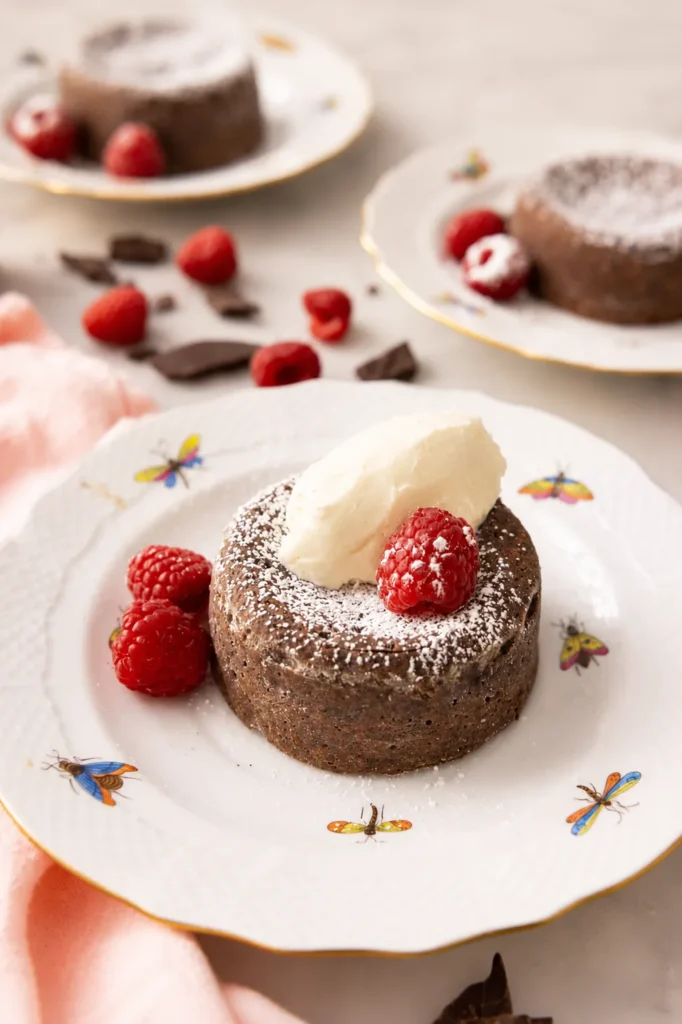
Serve the cakes right away. A little powdered sugar on top is enough, though berries are nice if you want something fresh beside the chocolate. Once the cake cools too much, the center thickens. Still tasty, of course, just not that warm flowing center everyone waits for.
Small Baker’s Tips That Make a Big Difference
The easiest mistake with chocolate lava cake is overbaking it by just a minute or two. The cakes keep setting after they leave the oven, so pull them when the center still has movement. If the top looks fully dry and firm, the middle may already be too cooked.
Use ramekins that hold 4 to 5 ounces. Larger dishes spread the batter out and can change the timing. Smaller ones may need a little less time. If it’s your first batch in a new oven, check at 6 minutes and watch closely from there.
Room-temperature eggs mix more smoothly into the batter than cold eggs. Cold eggs can make the melted chocolate firm up too quickly, leaving small bits in the mixture. Not a disaster, but smooth batter gives a cleaner texture.
Flour the ramekins lightly. Heavy flouring can leave pale patches on the outside of the cakes after unmolding. A thin coat is enough to help them slide out while keeping the sides pretty and chocolatey.
Frequently Asked Questions
Can I make chocolate lava cake batter ahead of time?
Yes, you can prepare the batter and keep it covered in the refrigerator for up to 2 days. Let the ramekins sit at room temperature for about 20 minutes before baking so the cakes bake more evenly.
How do I know when chocolate lava cake is done?
The edges should look firm and set, while the center should still jiggle slightly when you move the pan. For 4- to 5-ounce ramekins at 450°F, this usually takes 6 to 8 minutes.
Can I bake chocolate lava cake in a muffin pan?
Yes, a muffin pan can work, but the cakes will usually be smaller and may bake faster. Grease and flour the cups well, then start checking around 5 minutes.
Can I freeze baked lava cakes?
You can freeze baked cakes, but the center will not flow the same way after reheating. For the best molten texture, bake the cakes fresh and serve them right away.
What should I serve with chocolate lava cake?
Powdered sugar and fresh berries keep it simple. Vanilla ice cream or lightly whipped cream also works well because the cool topping balances the warm chocolate center.
A Warm Dessert Worth Serving Right Away
Chocolate lava cake is one of those desserts where timing matters, but the work itself is simple. Watch the centers closely, give the ramekins just a short rest, and serve them while the chocolate is still warm.
I like this recipe because it feels special without asking for much. A few basic ingredients, a hot oven, and a little attention. That’s enough.
Chocolate Lava Cake with a Soft Molten Center
Ingredients
Equipment
Method
- Preheat the oven to 450°F.
- Butter and lightly flour six 4- to 5-ounce ramekins, tapping out the excess flour, then place the ramekins on a baking sheet.
- Combine the butter and chopped bittersweet chocolate in a double boiler over low heat, stirring until melted and smooth.
- Alternatively, place the butter and chocolate in a microwave-safe bowl and microwave on high in 30-second intervals, stirring after each interval until smooth.
- In a large mixing bowl, combine the eggs, egg yolks, granulated sugar, and salt.
- Beat the egg mixture on medium speed until thick and pale yellow.
- Fold the melted chocolate mixture into the egg mixture until mostly combined.
- Add the flour and fold gently until no dry streaks remain.
- Divide the batter evenly among the prepared ramekins.
- Bake for 6 to 8 minutes, until the sides look set but the centers still jiggle slightly.
- Let the cakes cool in the ramekins for 1 minute.
- Place a small dessert plate over each ramekin and carefully invert the cake onto the plate.
- Let the inverted ramekin stand for about 10 seconds, then lift it away to unmold the cake.
- Dust with powdered sugar and garnish with berries if desired, then serve immediately while the center is warm and molten.
Notes
- Use 4- to 5-ounce ramekins for the most reliable baking time.
- Start checking the cakes at 6 minutes because even 1 extra minute can make the center set more than you want.
- The cakes are ready when the sides are firm but the centers still jiggle slightly.
- Room-temperature eggs mix more smoothly into the batter and help keep the chocolate mixture from firming too quickly.
- Serve the cakes immediately for the best molten center.