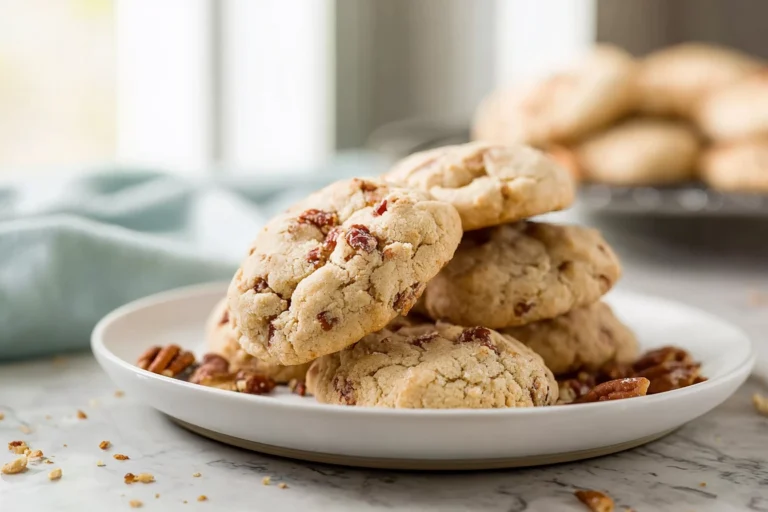
Button Cookies That Turn Baking Into a Comfortable Family Memory


There’s something quietly wonderful about sitting at the kitchen table with a soft piece of dough in your hands, especially when little fingers are helping. These button cookies aren’t just a sweet treat—they’re an experience. The kind of recipe that slows you down, invites a bit of patience, and rewards you with buttery cookies that look playful and feel personal. They’re the sort of cookies you make on a winter afternoon, maybe for a holiday, maybe just because everyone is home and you want to do something together.
If you’ve never made button cookies before, don’t worry. They may look detailed, but with a little care and the right cues, they’re absolutely doable in a home kitchen.
What Makes Button Cookies Different From Regular Sugar Cookies
At first glance, button cookies look like classic sugar cookies. But once you start working the dough, you realize they’re a little different. These cookies are richer and more tender, thanks to egg yolks instead of whole eggs. That small change makes the dough softer and gives the baked cookies a delicate, melt-in-your-mouth bite.
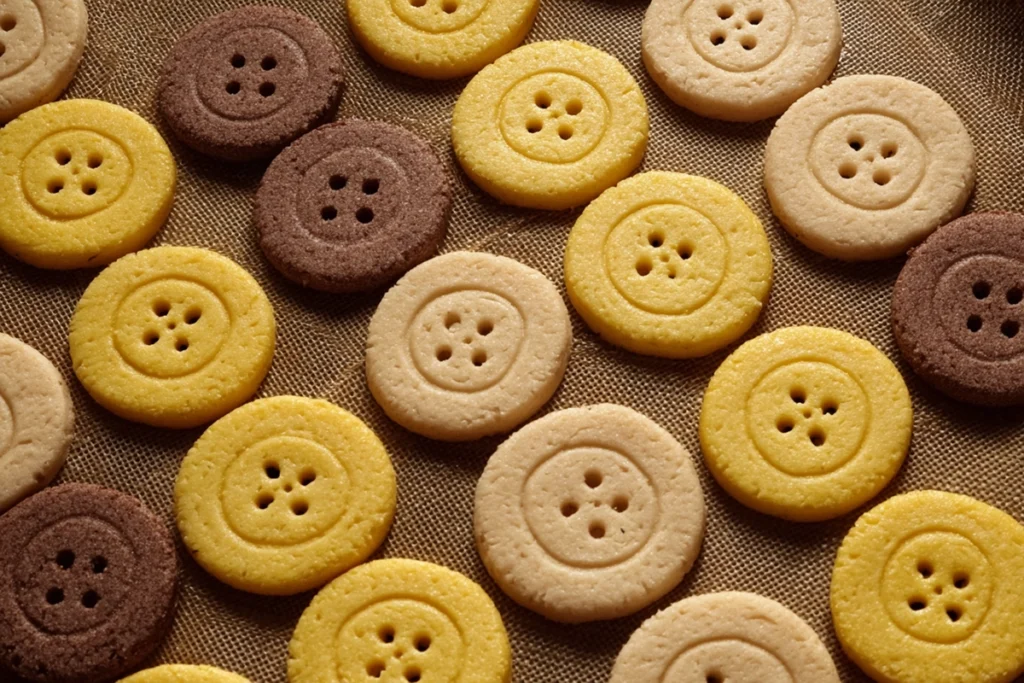
What really sets them apart is the shaping. Instead of cutting and baking, you gently press a pattern into each round, creating that familiar button look. The result is charming and slightly whimsical, especially when you use different dough colors. They’re perfect for holidays, baking days with kids, or anytime you want cookies that feel a little extra without being fussy.
Ingredients That Matter (And Why Each One Counts)
You don’t want anything complicated to make buttery button cookies, but each ingredient plays a clear role. This is one of those recipes where balance matters more than volume.
Ingredients
- 2 big egg yolks
- ⅓ cup granulated sugar
- 1 tablespoon vanilla extract
- 7 tablespoons unsalted butter, softened
- 1⅔ cups plain flour
- 2 teaspoons unsweetened cocoa powder
- A pinch of turmeric for natural yellow color (optional)
The egg yolks give richness and structure without making the cookies cakey. The butter needs to be soft, not melted, so it blends smoothly without turning the dough greasy. Vanilla adds warmth, while cocoa and turmeric let you create contrast without artificial coloring.

Dough Texture Is Everything With Button Cookies
Once you start mixing, focus on dough texture: after all the flour is mixed in, the dough should feel soft, smooth, and just a bit pliable—like play-dough. It should not be sticky to the touch or crumble apart. If it feels sticky, add a dusting of flour; if it seems dry or cracks as you press, it likely has too much flour. Gently add a bit more butter to restore softness.
If the dough feels tacky and sticks to your hands or tools, lightly dust it with flour until it becomes easy to handle without sticking. If the dough is dry, cracks on the surface, or breaks instead of holding together, it likely has too much flour or is too cold. Knead in a small piece of soft butter or let it sit at room temperature for a few minutes to improve pliability.
Dividing and Coloring the Dough Without Ruining It
After the dough comes together, divide it into portions. Keep one portion plain for classic white buttons. Add cocoa powder to one piece for chocolate buttons, and a pinch of turmeric to another for a soft yellow color.
Always start with the lightest dough and finish with the darkest. Cocoa stains quickly, and once it’s on your hands, it tends to travel. Knead each portion just until the color is even. Overworking the dough will make it tougher and harder to shape later.
Once divided, wrap each piece and refrigerate briefly. Chilling helps the dough hold its shape, but don’t leave it too long. Cold dough becomes stiff and harder to roll.
Shaping Button Cookies Without Stress
This is where the fun really begins. Lightly flatten a piece of dough with your hands, then roll it out to about ¼-inch thick. Too thin, and the cookies will dry out. Too thick, and the button detail won’t show as clearly.
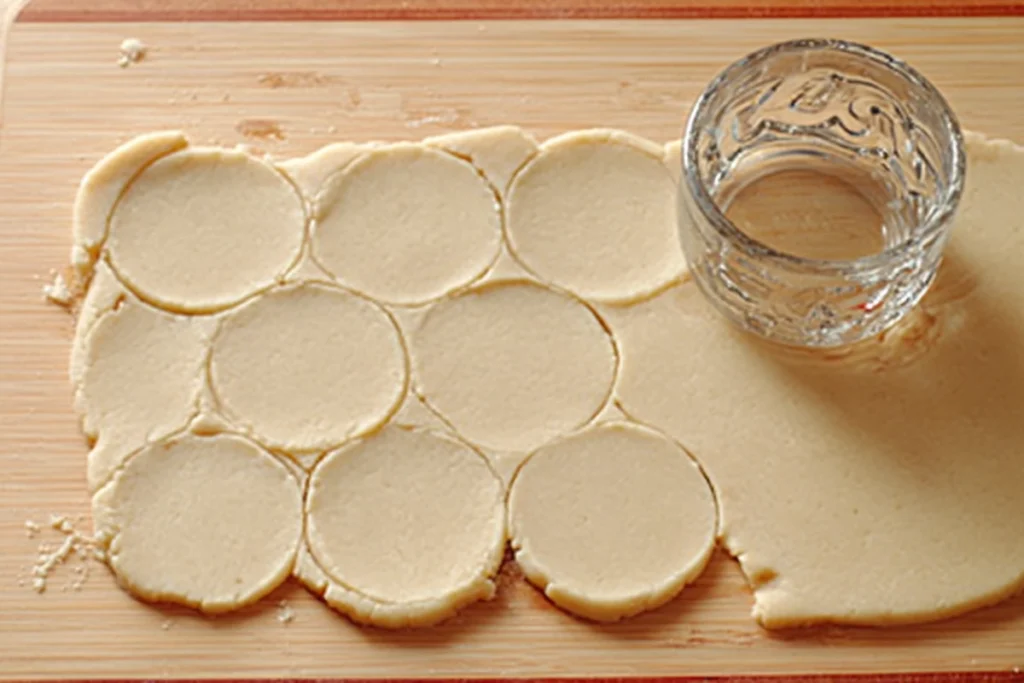
Use a small glass to cut circles, gathering and re-rolling scraps as you go. To create the button design, gently press a bottle cap or similar round object into the center of each circle. You’re not getting through—just leaving an impression.
For the holes, a drinking straw works beautifully. Press straight down and lift cleanly. If the dough sticks, dip the straw in flour between presses. Transfer each cookie carefully to a parchment-lined baking sheet using a thin spatula or knife.
Baking Time, Temperature, and Doneness Signals
Heat your oven to 375°F and bake the cookies until just set. This usually takes about 10 minutes, depending on thickness and color.
You’re not looking for deep browning here. The edges should look dry and slightly firm, while the centers stay pale. Overbaking will take away that tender texture that makes easy button cookies so lovely.
Chocolate cookies may look done sooner because of their color, so rely on touch rather than sight. When gently pressed, the surface should feel set but not hard.
Flavor & Color Variations Worth Trying
Once you’re comfortable with the base recipe, there’s plenty of room to play. You may add a touch of almond extract for a bakery-style flavor or swap vanilla for a hint of orange zest during the holidays.
For color, natural options work best. Cocoa gives deep brown, turmeric gives warm yellow, and even a small amount of freeze-dried fruit powder can add subtle color and flavor. Just keep additions minimal so the dough stays easy to work with.
Make-Ahead, Storage, and Sharing Tips
You can prepare the dough a day ahead and keep it wrapped tightly in the refrigerator. Let it sit at room temperature for a few minutes before rolling so it softens slightly.
Baked cookies store well in an airtight container for up to five days. They stay tender and don’t lose their shape. If you’re gifting them, layer with parchment to protect the button details.
These cookies also freeze well after baking. Thaw at room temperature, and they’ll taste just as fresh.
A Little Kitchen Memory: Why This Recipe Works With Kids
Button cookies are forgiving in the best way. Even if the circles aren’t perfect or the holes aren’t evenly spaced, they still bake up beautifully. Kids love pressing patterns and choosing colors, and you don’t need speed or precision—just time together.
That’s what makes this recipe special. It’s not about flawless cookies. It’s about flour on the counter, laughter in the kitchen, and a tray of cookies that seems like it belongs to your family.
FAQ
Why did my button cookies spread or lose their shape?
This usually happens when the dough is too warm or the butter is overly soft. Chilling the dough briefly before shaping helps the cookies hold their shape. It also helps to avoid overworking the dough, which can make it greasy.
Why is my dough cracking or crumbly when I roll it?
A crumbly dough often means there’s a bit too much flour or the dough is too cold. Let it rest at room temperature for a few minutes, then gently knead it to bring it back together. The dough should feel soft and pliable, not dry.
Do button cookies need to brown to be fully baked?
No, button cookies should stay fairly pale. They’re done when the edges are set, and the surface no longer looks wet. Overbrowning can make them dry and take away their tender texture.
Can I make button cookies ahead of time?
Yes, you can make the dough a day in advance and keep it wrapped tightly in the refrigerator. Let it sit out for a few minutes before rolling so it softens slightly. Baked cookies also store well for several days in an airtight container.
Why are my chocolate button cookies harder to shape than the plain ones?
Cocoa powder absorbs moisture, which can make that portion of the dough firmer. This is normal and doesn’t affect the final taste. If needed, warming the dough slightly with your hands can make it easier to roll and shape.
Print
Button Cookies
- Total Time: 70 minutes
- Yield: 50 cookies 1x
- Diet: Vegetarian
Description
These button cookies are buttery, tender, and fun to make at home. Shaped like classic buttons, they’re perfect for family baking days, holidays, or pleasant afternoons in the kitchen.
Ingredients
- 2 big egg yolks
- 1/3 cup granulated sugar
- 1 tablespoon vanilla extract
- 7 tablespoons unsalted butter, softened
- 1 2/3 cups plain flour
- 2 teaspoons unsweetened cocoa powder
- Pinch of turmeric (optional, for color)
Instructions
- Separate the egg yolks into a mixing bowl and add the sugar and vanilla, whisking until smooth.
- Add the softened butter and mix until fully incorporated and creamy.
- Gradually mix in the flour until a soft, smooth dough forms.
- Divide the dough, leaving one portion plain and coloring the others with cocoa powder and turmeric.
- Wrap the dough portions and chill briefly until firm but workable.
- Roll the dough to about 1/4-inch thickness and cut into circles.
- Press a shallow button shape into each circle and add holes using a straw.
- Bake in a preheated oven at 375°F until the edges are just set and pale.
- Let cool slightly before transferring to a rack to cool completely.
Notes
- The dough should feel soft and pliable, similar to play-dough.
- Avoid overbaking, as button cookies should stay pale and tender.
- Chilling the dough helps the cookies hold their shape while baking.
- Prep Time: 60 minutes
- Cook Time: 10 minutes
- Category: Dessert
- Method: Baking
- Cuisine: American
Nutrition
- Serving Size: 1 cookie
- Calories: 75
- Sugar: 4g
- Sodium: 20mg
- Fat: 4g
- Saturated Fat: 2.5g
- Unsaturated Fat: 1.2g
- Trans Fat: 0g
- Carbohydrates: 8g
- Fiber: 0.3g
- Protein: 1g
- Cholesterol: 18mg