Greek Honey Cake That Stays Moist and Irresistibly Sweet

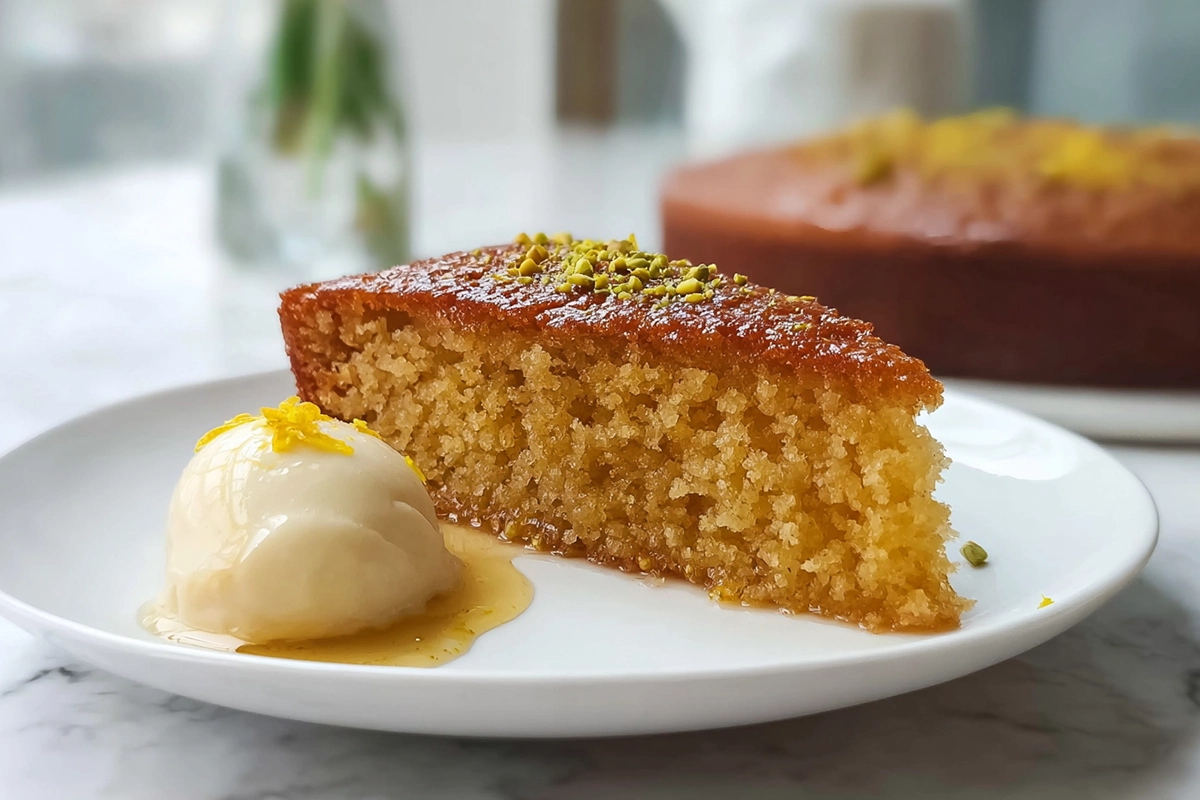
There’s something comforting about revisiting a dessert you’ve loved for years, especially one that brings warm memories rushing back the moment the aroma hits the air. The first time you try a Greek Honey Cake, you might feel that same sense of familiar coziness. It’s simple, fragrant, and deeply satisfying in a way only old-world desserts manage. As you slice into its golden, syrup-soaked crumb, you’ll understand why this classic has found a place on so many American tables. If you’ve been hunting for a dessert that feels both nostalgic and new, this Greek Honey Cake delivers every single time.
Table of Contents
What Is Greek Honey Cake? Origins & Traditional Significance
When you hear the term “honey cake,” you might picture something heavy or overly dense. This version is different. You get a light, almost airy interior that absorbs honey syrup without collapsing into a soggy mess. Traditionally, this cake appears in Greek homes during celebrations and family gatherings, often flavored with citrus honey notes, warm spices, or a hint of vanilla. Honey isn’t just a sweetener here; it’s the heart of the cake. You’ll notice the flavor changing slightly depending on the honey you choose, especially if you use a rich thyme or wildflower honey.
Over the years, American bakers have adapted this Mediterranean dessert for everyday baking. You may spot it at potlucks, church gatherings, or holiday spreads because it’s easy to transport, slices cleanly, and keeps its moisture for days. If you’ve ever enjoyed a syrup-soaked holiday cake, this one will feel like its lighter, brighter cousin.
Key Ingredients & What Makes This Cake Work
Honey: The Star Ingredient
Honey shapes the entire personality of this cake. While any honey works, using a deeper, aromatic type gives you a more layered flavor. Because honey browns quickly, it also gives your cake that warm, amber tint you’ll see as it bakes.
Citrus and Warm Spices
You may choose to use orange zest, lemon zest, or both. Either way, the citrus adds a freshness that keeps the sweetness balanced. Spices like cinnamon or cloves give the cake a gentle warmth without overpowering its light texture.
Fat and Moisture
Many modern variations call for Greek yogurt, oil, or butter. Yogurt creates a tender crumb and gives the cake that slightly tangy finish. Oil delivers a softer texture, especially if you prefer a melt-in-your-mouth bite.
The Syrup
You’ll pour a warm honey syrup over the cake right after baking. When the syrup seeps in, it transforms the crumb from simple to unforgettable. You’ve probably had desserts where the syrup just sits on top. This one won’t do that because the crumb structure lets the syrup soak evenly.

Step-by-Step Preparation – How to Make Greek Honey Cake
Preparing the Base
Start by preheating your oven and greasing your pan. A round or square pan works well, but make sure it has high sides because the batter rises nicely. When you whisk the dry ingredients, take a moment to inhale that blend of spice and zest; it sets the tone for the entire baking experience.
Mixing the Batter
Blend your eggs, honey, and yogurt until smooth. When you add the dry ingredients, stir slowly so you keep the crumb tender. If you’ve ever baked a sponge cake, the texture of this batter will feel familiar—slightly thick but airy enough to rise easily.
Baking and Syrup Soaking
Once the cake comes out of the oven, you’ll notice a subtle golden finish. While it’s still hot, poke small holes across the surface. Pour the warm syrup gently so it doesn’t pool. You’ll see the cake absorb it steadily, almost greedily. Let it rest until the syrup settles; this improves flavor and gives the cake its signature shine.

Serving Tips
You can top it with crushed walnuts, pistachios, or even a small dollop of whipped cream. If you want a refreshing contrast, try serving it with fresh berries. It’s also excellent with strong coffee or iced tea because the honey balances the bitterness in drinks.

Dietary Variations & Substitutions for U.S. Bakers
Vegan Version
Swap the eggs for flax eggs or whipped aquafaba. Use plant-based yogurt in place of Greek yogurt. Replace honey with maple syrup or agave. Keep in mind that these swaps change the cake’s traditional flavor slightly, but the texture stays soft and appealing.
Gluten-Free Version
Use a gluten-free flour blend with xanthan gum to keep the cake structure stable. Almond flour adds richness, but it works best when combined with a gluten-free all-purpose blend. The syrup behaves the same regardless of flour, so you’ll still get that sticky, tender finish.
Low-Calorie or Lower-Sugar Option
You can cut down the syrup by half and still get a delicious cake. Use light yogurt, reduce oil, or substitute some of the honey with applesauce. You’ll lose a bit of richness, but the flavor remains comforting and balanced.
Halal-Friendly Adaptations
Most versions of this dessert are already Halal-friendly. Just ensure your yogurt and any added flavorings are Halal-certified. Choosing a pure honey without additives also helps maintain the cake’s authenticity and cleaner taste.
Nut-Free Variation
Skip the nuts entirely and add toasted coconut or pumpkin seeds for texture. Because the topping is optional, you won’t lose any critical element of the cake by making this switch.
Storage, Make-Ahead Tips & Serving Ideas
This cake shines even more the second day, which makes it ideal when you’re planning ahead. You can store it at room temperature for several days as long as you keep it covered. If you prefer it chilled, it firms up slightly in the refrigerator, giving you a denser bite that some people actually love.

Freezing works too. Wrap slices tightly and thaw in the fridge. If you warm them for a few seconds in the microwave, the honey aroma comes back to life instantly.
When it comes to serving, you’re not limited to traditional slices. You can cut the cake into squares, diamonds, or even small bars for party trays. A dusting of powdered sugar or a bit of fresh zest makes it feel festive without extra effort.
There’s something timeless about a Greek Honey Cake, especially when you’ve taken the time to bake it with care. Once you taste the citrus-infused honey in every soft bite, you’ll see why it has stayed popular across generations. It’s a dessert you return to because it’s simple, flavorful, and comforting—just the way great homemade treats should be.
FAQ
How do you keep a Greek Honey Cake moist?
You keep a Greek Honey Cake moist by pouring warm honey syrup over the cake while it’s still hot. The crumb absorbs the syrup evenly, which keeps it soft for several days. Storing it covered at room temperature also helps preserve that tender, sticky texture.
What kind of honey works best for Greek Honey Cake?
You can use any honey, but a bold, aromatic option like wildflower, orange blossom, or thyme honey adds more depth. These types enhance the natural citrus honey cake flavor and make the dessert taste more traditional.
Why didn’t my syrup soak into the cake?
If the syrup didn’t absorb well, the cake may have cooled too much before pouring it on. Pouring warm syrup over a hot cake is the best method. Adding small holes across the surface helps the syrup flow into the crumb instead of sitting on top.
Can you make Greek Honey Cake without nuts?
Yes, you can leave the nuts out entirely. If you want some texture without nuts, use toasted coconut, pumpkin seeds, or leave it plain. The honey-soaked cake flavor is still delicious on its own.
Get inspired with more mouthwatering recipes! Follow me on Facebook, Pinterest, and subscribe to YouTube for new cooking ideas every week.
Print
Greek Honey Cake
- Total Time: 55 minutes
- Yield: 8 servings 1x
- Diet: Halal
Description
A moist, syrup-soaked Greek Honey Cake infused with citrus and warm spices, baked to a golden finish and perfect for serving with coffee or fresh fruit.
Ingredients
- 1 1/2 cups all-purpose flour
- 1/2 cup honey
- 1/2 cup Greek yogurt
- 1/3 cup oil
- 2 large eggs
- 1/2 cup sugar
- 1 teaspoon baking powder
- 1/2 teaspoon cinnamon
- 1 tablespoon orange zest
- 1 tablespoon lemon zest
- 1/4 teaspoon cloves
- 1 cup honey (for syrup)
- 1/2 cup water (for syrup)
- 2 tablespoons lemon juice (for syrup)
- 2 tablespoons orange juice (for syrup)
- Crushed pistachios for garnish
Instructions
- Preheat oven and grease a baking pan.
- Whisk flour, baking powder, cinnamon, and cloves.
- Blend eggs, honey, yogurt, sugar, oil, and citrus zest.
- Combine wet and dry ingredients until smooth.
- Pour batter into pan and bake until golden.
- Heat syrup ingredients until warm.
- Pour warm syrup over hot cake and let absorb.
- Slice and serve with garnish or fresh fruit.
Notes
- Bake the cake until edges are golden for best texture.
- Pour syrup while cake is hot to ensure full absorption.
- Store covered at room temperature to maintain moisture.
- Prep Time: 15 minutes
- Cook Time: 40 minutes
- Category: Dessert
- Method: Baking
- Cuisine: Greek
Nutrition
- Serving Size: 1 slice
- Calories: 320
- Sugar: 28
- Sodium: 120
- Fat: 12
- Saturated Fat: 3
- Unsaturated Fat: 7
- Trans Fat: 0
- Carbohydrates: 45
- Fiber: 1
- Protein: 5
- Cholesterol: 40