
Cinnamon Scones with Cinnamon Chips and Vanilla Icing


These cinnamon scones come out tender in the center, lightly crisp at the edges, and full of warm spice in every bite. The grated butter and short chill time do a lot of the work here, giving the scones that flaky bakery-style texture without making the process fussy.
What I like most about this version is the mix of ground cinnamon in the dough and cinnamon chips tucked throughout. You get spice in every bite, plus little pockets of sweetness that soften as they bake.
I’ll walk you through the ingredients that matter, how to handle the sticky dough, and the small details that help these bake up tall instead of spreading flat.
What These Cinnamon Scones Taste Like
The first thing you notice is the smell. Butter, cinnamon, and vanilla hit you before the pan even cools. These scones have a soft, layered center with edges that turn lightly golden and just a little crisp after 22 to 25 minutes in a 400°F oven.
They’re sweeter than a plain cream scone, though not in a heavy way. The brown sugar gives the dough a deeper flavor than white sugar would, and the cinnamon chips melt just enough to blend into the crumb without disappearing. I like them best still a bit warm, with the icing settling into the top instead of drying hard. That texture matters. You want the inside to feel tender when you break one open, not bready.

The Ingredients That Shape the Dough
A scone recipe this simple doesn’t leave much room for weak ingredients. All-purpose flour, baking powder, salt, and ground cinnamon build the base, and each one pulls its weight. The baking powder gives lift, while the cinnamon brings warmth without turning the dough dark or overpowering. Keep the salt in there. Even a small amount keeps the sweetness from tasting flat.
The fat and liquid matter just as much. Frozen butter is the one I wouldn’t skip or swap casually, because those cold shreds are what create the flaky pockets in the oven. Heavy cream, egg, brown sugar, and vanilla extract bring the dough together and give it richness. Then come the cinnamon chips, which add little bursts of sweetness throughout. If your dough looks rough before shaping, that’s fine. It should look a bit shaggy. Smooth dough usually means it’s been worked too much.

Finding Cinnamon Chips or Working Around Them
Cinnamon chips can be a little annoying to track down. Some bigger grocery stores carry them in the baking aisle during cooler months, and they tend to show up more often around holiday baking season than in spring or summer. I usually grab an extra bag when I see them because they’re not always there the next week.
If you can’t find them, the scones are still worth making. You’ll just end up with a more evenly spiced dough instead of those sweet cinnamon pockets. I’d keep the ground cinnamon exactly as written and leave the rest alone rather than trying to force in a substitute that melts oddly or makes the dough too sweet. It’s a small change, but it keeps the texture where it should be.
How to Mix and Shape Cinnamon Scones
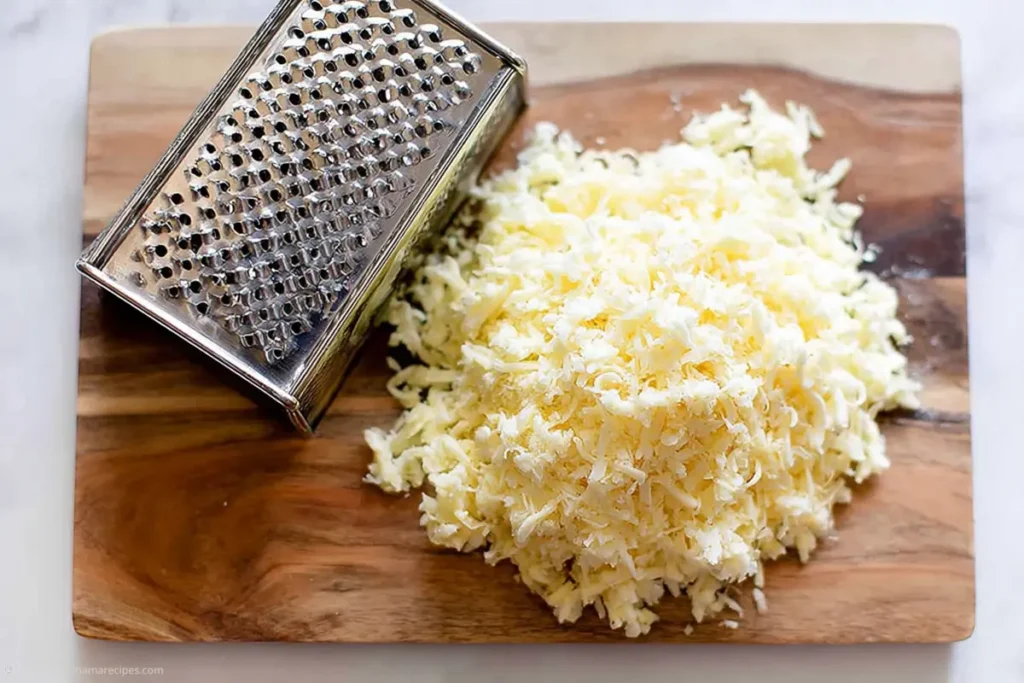
Start with the dry ingredients in a large bowl and whisk them well so the baking powder and cinnamon are evenly distributed before the butter goes in. Then grate the frozen butter on a box grater straight into the bowl. It looks a little messy. That’s normal. Use a pastry cutter, two forks, or your fingers to work it in until you have pea-sized crumbs throughout the flour. Don’t mash it into a paste. You want visible little bits of butter left behind because those are what create steam and lift in the oven.
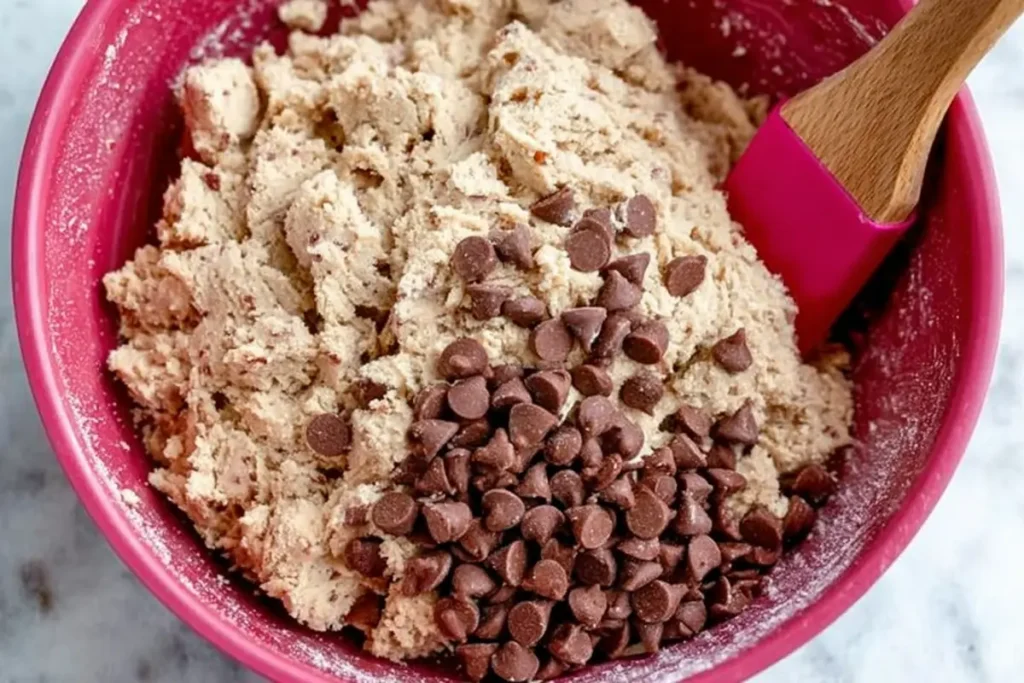
In a separate bowl, whisk the heavy cream, brown sugar, egg, and vanilla until smooth, then drizzle that over the flour mixture and add the cinnamon chips. Stir just until everything looks moistened. The dough won’t look neat at this stage, and that’s actually a good sign. Dump it onto the counter and bring it together with floured hands. It will feel sticky. A little sticky is fine. Too much extra flour here can make the baked scones dry, so only add a bit if the dough is really clinging to everything.
Press the dough into an 8-inch disc and cut it into 8 wedges with a sharp knife or bench scraper. I prefer pressing over rolling because it keeps the dough from getting overworked. Once cut, brush the tops with more heavy cream and sprinkle on coarse sugar if you want a little crunch. It doesn’t need much. Just enough to catch the light and give the top some texture after baking.

Cold Butter, Chilling Time, and Other Flaky Scone Details
A lot of scone trouble starts with warm dough. If the butter softens too much before the pan goes into the oven, the scones tend to spread instead of rising. That’s why the recipe starts with frozen butter and then asks you to chill the shaped wedges for at least 15 minutes before baking. It’s a short step, but it changes the final texture.
You’ll see the difference in the oven. Cold bits of butter melt more slowly, which helps create those flaky layers and keeps the edges from turning greasy. I also like spacing the wedges 2 to 3 inches apart on the baking sheet so the heat can move around them evenly. If your kitchen runs warm, give them a little longer in the fridge. Worth it. You’re looking for scones that hold their shape, turn golden at the edges, and brown lightly across the top without slumping sideways.
Finishing the Baked Scones with Icing
While the scones cool for a few minutes, make the icing. You don’t want them piping hot when you drizzle them on, or the icing can slide right off and disappear into the pan. Warm is better. It should soften over the top and settle into a thin layer instead of soaking through.
Whisk the icing ingredients until smooth, then drizzle it over the scones once they’ve had a brief rest. If it looks too thick, a small splash of liquid usually fixes it. Too thin, and it runs everywhere. I prefer an icing that falls slowly from the whisk, not one that pours like milk.

Cinnamon Scone Questions That Come Up Often
The dough is supposed to feel a bit sticky when you turn it out. That catches some people off guard. If it’s sticking lightly to your hands, you’re still in good shape. If it’s wet enough to spread on the counter, dust in a little more flour. On the other hand, if it cracks apart and won’t hold when pressed into the 8-inch disc, add 1 to 2 tablespoons heavy cream. Small adjustments usually do it.
Storage is simple. These keep well at room temperature for about 2 days, or in the refrigerator for 5 days, iced or un-iced. I think they’re at their best on the first day, but a quick few seconds of warming can bring some softness back. And yes, you can make them without cinnamon chips if you need to. The result is a little plainer, though still good, with more of the cinnamon coming from the dough itself.
Fresh from the Pan
Good cinnamon scones come down to a few small things done carefully: keep the butter cold, don’t overwork the dough, and let the wedges chill before they bake. That’s what gives you the texture people hope for when they pull apart a warm scone.
This is the kind of bake that fits right into my kitchen without much fuss. Pull up a chair. Mama always made extra.
Cinnamon Scones with Cinnamon Chips and Vanilla Icing
Ingredients
Method
- Whisk flour, baking powder, cinnamon, and salt together in a large bowl.
- Grate the frozen butter and mix into the flour until pea-sized crumbs form.
- Whisk heavy cream, brown sugar, egg, and vanilla in a separate bowl.
- Pour wet ingredients into dry ingredients, add cinnamon chips, and mix until just combined.
- Turn dough onto a floured surface and gently bring together into a ball.
- Press into an 8-inch disc and cut into 8 wedges.
- Brush with heavy cream and sprinkle with coarse sugar.
- Chill the scones for at least 15 minutes.
- Bake at 400°F for 22–25 minutes until golden brown.
- Cool slightly, then drizzle with icing before serving.
Notes
- Keep butter very cold to ensure flaky texture.
- Do not overmix the dough or the scones may turn dense.
- If dough is too sticky, add a small amount of flour.
- If too dry, add 1–2 tablespoons of cream.
- Best enjoyed warm, but can be stored for up to 2 days at room temperature or 5 days refrigerated.