Japanese Egg Sandwich Tamago Sando That Feels Like Home

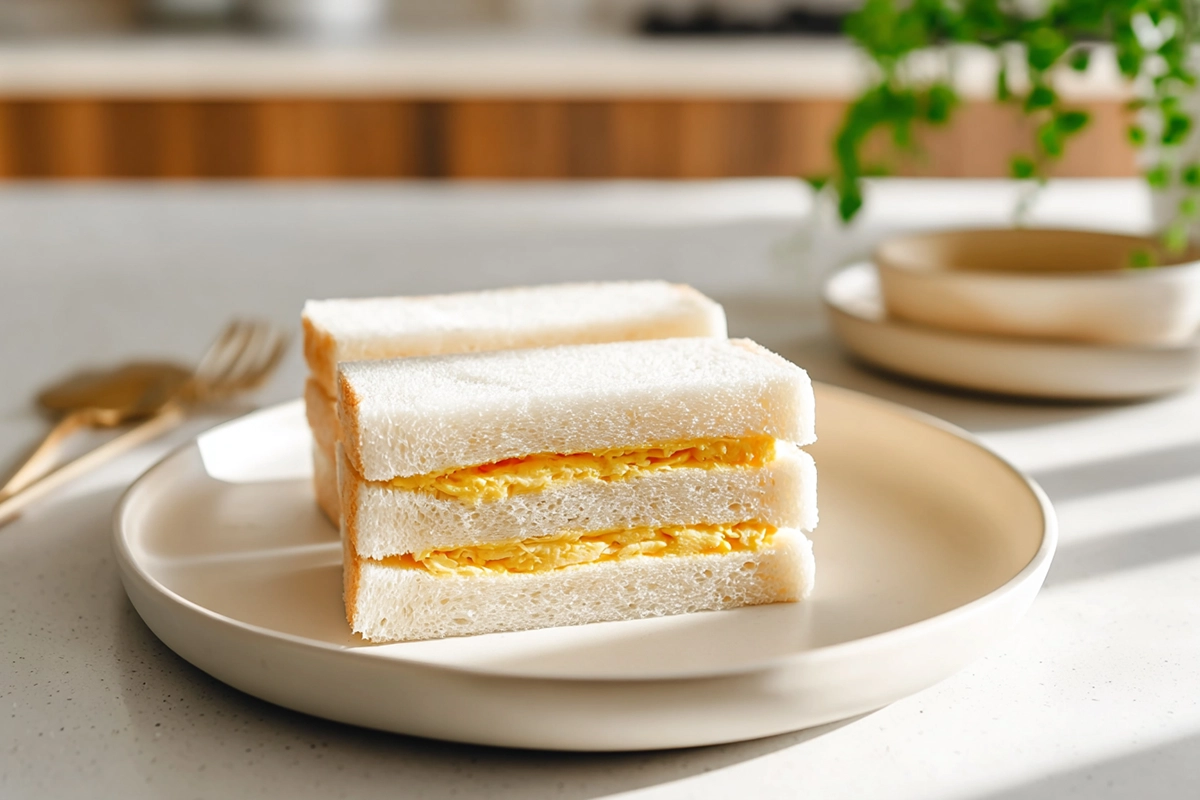
Some days call for something quiet and comforting. Not a big production, not a sink full of dishes—just something soft, familiar, and deeply satisfying. That’s exactly what a Japanese egg sandwich, tamago sando, brings to the table. It’s the kind of sandwich you make when you want to slow down for a moment, even if it’s just for lunch at the kitchen counter.
If you’ve ever had one from a Japanese convenience store, you know the magic. If you haven’t, you’re in for a treat. This isn’t your average egg salad sandwich. It’s gentler, creamier, and somehow feels more thoughtful, even though it’s made with simple ingredients you probably already have.
What Makes Tamago Sando Different From Regular Egg Salad
At first glance, tamago sando looks familiar. Eggs, mayonnaise, soft bread. But once you take a bite, the difference is clear. The filling is smooth and cohesive, not chunky or heavily seasoned. The flavor leans on the richness of the egg yolks instead of relying on mustard, relish, or sharp add-ins.
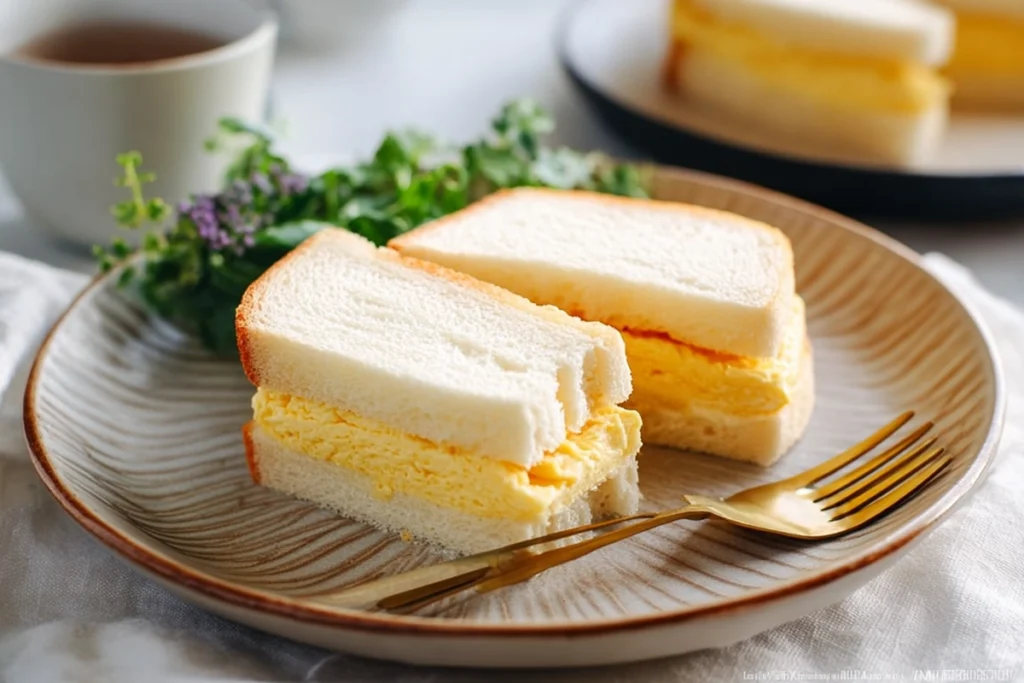
What really sets it apart is balance. There’s just a touch of sweetness, a suggestion of seasoning, and a texture that seems nearly whipped without being fussy. The bread matters too. Soft, pillowy white bread wraps everything together so the sandwich feels light, even though it’s filling.
This is comfort food that doesn’t shout. It just quietly does its job.
Ingredients That Matter (And Where You Can Be Flexible)
The ingredient list is short, which means each one plays an important role. Choosing well makes a noticeable difference in the final sandwich.
Ingredients
- 3 large eggs
- 1/4 teaspoon kosher salt
- 1/8 teaspoon freshly ground black pepper
- 1/4 teaspoon sugar
- 2 teaspoons whole milk
- 2 tablespoons Japanese-style mayonnaise
- 4 slices soft white bread or milk bread
- Softened salted butter, for spreading
Japanese-style mayonnaise has a richer, slightly tangy flavor that works beautifully here, but you don’t need to stress if you can’t find it. A good-quality American mayo will still give you a lovely result.
The bread should be as soft as possible. Milk bread is traditional, but any fresh, fluffy white sandwich bread works. For the closest texture and flavor, look for Japanese milk bread (shokupan) if available, or try a soft sandwich loaf like Wonder Bread, Martins Potato Bread, or Sara Lee Artesano. Even grocery store brands labeled “soft white” can be very good for this recipe. Avoid anything crusty or dense. This sandwich is all about tenderness.
Ingredient Substitutions That Still Work
If dairy is an issue, you can skip the milk and rely on the mayonnaise alone. The filling will be slightly thicker but still creamy. Unsalted butter can be used if that’s what you have; just add a pinch of salt to the eggs to balance things out.
For a vegan version, swap the eggs for a plant-based egg substitute such as mashed tofu or a commercially available vegan egg product. Plant-based mayonnaise works well here and keeps the filling creamy. You can also use a dairy-free butter or simply leave out the butter if you prefer. These swaps let you enjoy a tamago sando that fits your dietary needs without losing its comforting texture and flavor.
What you want to avoid is adding strong flavors like mustard or onion. Those belong in other egg salads, not this one.

The Method, Explained the Way a Home Cook Needs It
Start by placing the eggs in a saucepan and covering them with cold water by about an inch. Bring the water to a steady boil over medium heat. Once it’s boiling, let the eggs cook for 10 to 12 minutes until fully set. You want firm whites and fully cooked yolks, not jammy or soft.
As soon as they’re done, transfer the eggs to an ice bath. This step stops the cooking and makes peeling much easier. Let them cool completely before peeling.
Once peeled, place the eggs in a bowl and mash them with a fork. Take your time here. You’re looking for small, even pieces of egg white mixed into a creamy yolk base. Large chunks can make the filling feel uneven.
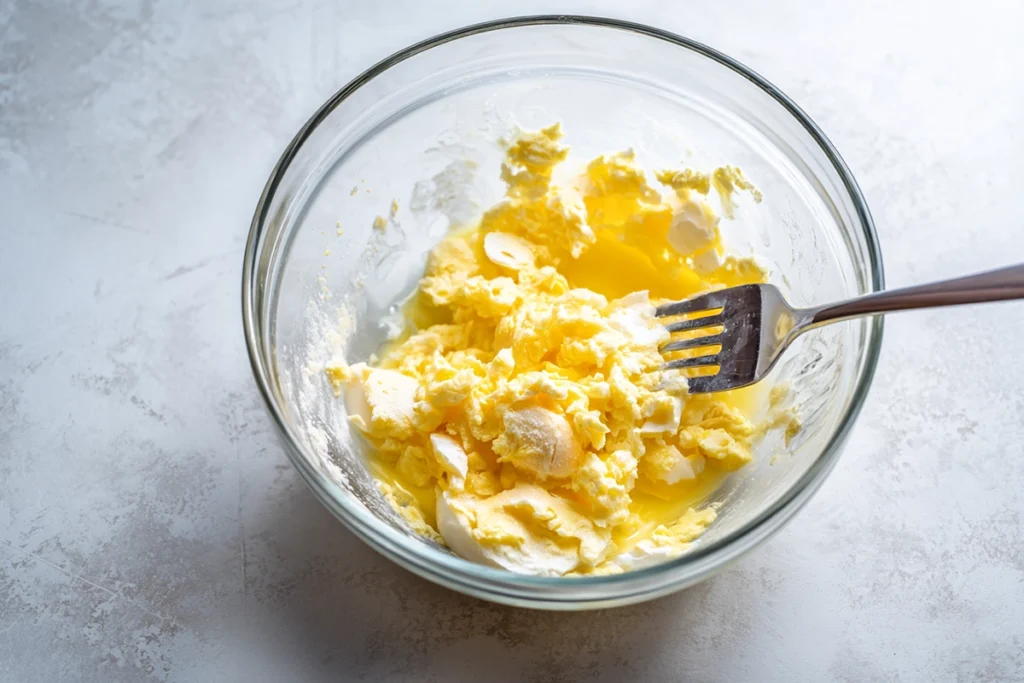
Add the salt, pepper, sugar, milk, and mayonnaise. Stir gently but thoroughly until everything comes together into a smooth, cohesive mixture. Taste it. This is your time to adjust. A pinch more salt or pepper can make all the difference.
Spread a thin layer of butter on each slice of bread. This helps protect the bread from moisture and provides a subtle richness. Spoon the egg mixture generously onto one slice, then top with another slice of bread, buttered side down.
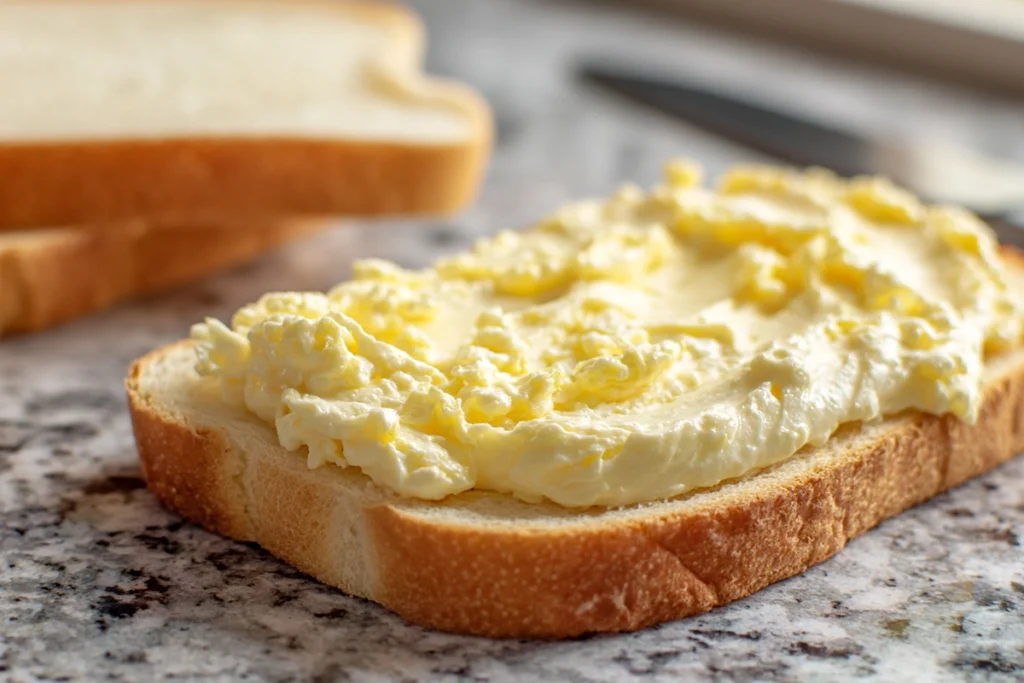
Set the sandwich between two plates and let it rest for a few minutes. This gentle pressure helps everything settle and makes the sandwich easier to slice.
Timing, Texture, and Doneness: Getting the Eggs Just Right
Egg doneness is where many people get tripped up. For tamago sando, fully cooked eggs are key. Undercooked yolks can make the filling greasy instead of creamy.
When you mash the eggs, pay attention to the texture. The mixture should hold together easily but still feel soft. If it seems dry, a teaspoon of milk or mayonnaise can bring it back.
That short resting time after assembly matters more than you’d think. It allows the filling to meld with the bread slightly, giving you clean slices and a better bite.
Common Mistakes That Flatten the Flavor
One common mistake is skipping the sugar. It’s a small amount, but it balances the richness of the eggs and mayo. Without it, the sandwich can taste flat.
Another is using bread that’s too sturdy. Thick-cut or crusty bread overwhelms the delicate filling. This sandwich needs softness to shine.
Finally, don’t rush the mashing step. Uneven egg pieces may distract from the smooth, comforting texture that makes tamago sando special.
Variations That Still Feel True to Tamago Sando
If you love an extra-creamy filling, you can increase the mayonnaise slightly. Just do it gradually so the eggs don’t get lost.
For a breakfast-style sandwich, a tiny pinch of white pepper adds heat without overpowering the eggs.
You can also choose how you cut it. Carefully trimmed crusts and clean halves feel very traditional, while leaving the crusts on gives it a more relaxed, home-kitchen feel. Both are perfectly fine.
Make-Ahead, Storage, and Food Safety Tips
The egg mixture can be made a few hours ahead and stored in the refrigerator in an airtight container. Give it a light stir before assembling the sandwich.
Once assembled, the tamago sando is best eaten the same day. The bread stays soft, and the filling tastes freshest. If you do have leftovers, wrap them tightly and refrigerate for up to one day.
Because this is an egg-based filling, it’s best kept chilled and not left out for extended periods, especially if packing it for later.
How to Serve Tamago Sando at Home
This sandwich doesn’t need much to feel complete. Serve it with a handful of fresh fruit, a simple green salad, or a hot cup of tea.
It’s perfect for a light lunch, an afternoon snack, or even a quiet dinner when you don’t feel like cooking something heavy. Sometimes, that’s exactly what you need.
A Small Kitchen Memory: Why This Sandwich Always Works
There’s something reassuringly about recipes like this. You don’t need special tools or advanced skills. You just need a little patience and good ingredients. It’s the kind of food that reminds you cooking doesn’t always have to impress—it can simply comfort.
When you make this Japanese egg sandwich tamago sando, you’re not just making a sandwich. You’re giving yourself a soft pause in the day. It’s simple, reliable, and always satisfying, which is exactly why it earns a place in so many home kitchens—including mine.
Get inspired with more delicious recipes! Follow me on Facebook and Pinterest for new cooking ideas every week.
FAQ
Is tamago sando served cold or warm?
Tamago sando is usually served chilled or at cool room temperature. That softer temperature helps the egg filling stay creamy and lets the flavors settle together. It’s normal—and expected—for it not to be warm.
Can I use regular American mayonnaise instead of Japanese mayo?
Yes, you can use regular American mayonnaise if that’s what you have. The flavor will be slightly less rich and tangy, but the sandwich will still be delicious and comforting. Choose a full-fat mayo for the best texture.
Why does tamago sando include a little sugar?
The small amount of sugar balances the richness of the eggs and mayonnaise. It doesn’t make the sandwich sweet; it just rounds out the flavor so it tastes smooth and gentle rather than flat.
My egg filling feels dry. Did I do something wrong?
Not at all—this usually just means the eggs need a little more moisture. Stir in a small amount of milk or mayonnaise until the mixture looks creamy and cohesive again. The filling should spread easily without being runny.
What bread works best if I can’t find Japanese milk bread?
Any very soft white sandwich bread works well as a substitute. Look for bread with a fine crumb and minimal crust, since firm or crusty bread can overpower the delicate egg filling.
Print
japanese egg sandwich tamago sando
- Total Time: 30 minutes
- Yield: 2 sandwiches 1x
- Diet: Vegetarian
Description
A Japanese egg sandwich tamago sando made with soft white bread and a creamy, gently seasoned egg filling. This simple, comforting sandwich highlights rich egg yolks and a smooth texture that feels right at home in a real kitchen.
Ingredients
- 3 large eggs
- 1/4 teaspoon kosher salt
- 1/8 teaspoon freshly ground black pepper
- 1/4 teaspoon sugar
- 2 teaspoons whole milk
- 2 tablespoons Japanese-style mayonnaise
- 4 slices soft white bread or milk bread
- Softened salted butter, for spreading
Instructions
- Place the eggs in a saucepan and cover with water, then bring to a boil and cook until fully set.
- Transfer the cooked eggs to an ice bath and let them cool completely before peeling.
- Mash the peeled eggs in a bowl until the whites are finely broken up and the yolks are crumbly.
- Add the salt, pepper, sugar, milk, and mayonnaise, then mix gently until smooth and creamy.
- Lightly butter each slice of bread.
- Spread the egg mixture evenly onto one slice of bread, then top with the second slice, buttered side down.
- Rest the sandwich briefly, then slice and serve.
Notes
- For the creamiest texture, make sure the eggs are fully cooked but not overcooked.
- Use the softest white bread you can find to keep the sandwich tender.
- This sandwich is best enjoyed the same day it is made.
- Prep Time: 10 minutes
- Cook Time: 15 minutes
- Category: Sandwich
- Method: Boiling, Mixing, Assembling
- Cuisine: Japanese
Nutrition
- Serving Size: 1 sandwich
- Calories: 340
- Sugar: 4 g
- Sodium: 583 mg
- Fat: 19 g
- Saturated Fat: 4 g
- Unsaturated Fat: 14 g
- Trans Fat: 1 g
- Carbohydrates: 26 g
- Fiber: 1 g
- Protein: 14 g
- Cholesterol: 285 mg