
Perfect Fluffy Pancakes for Cozy Weekend Mornings
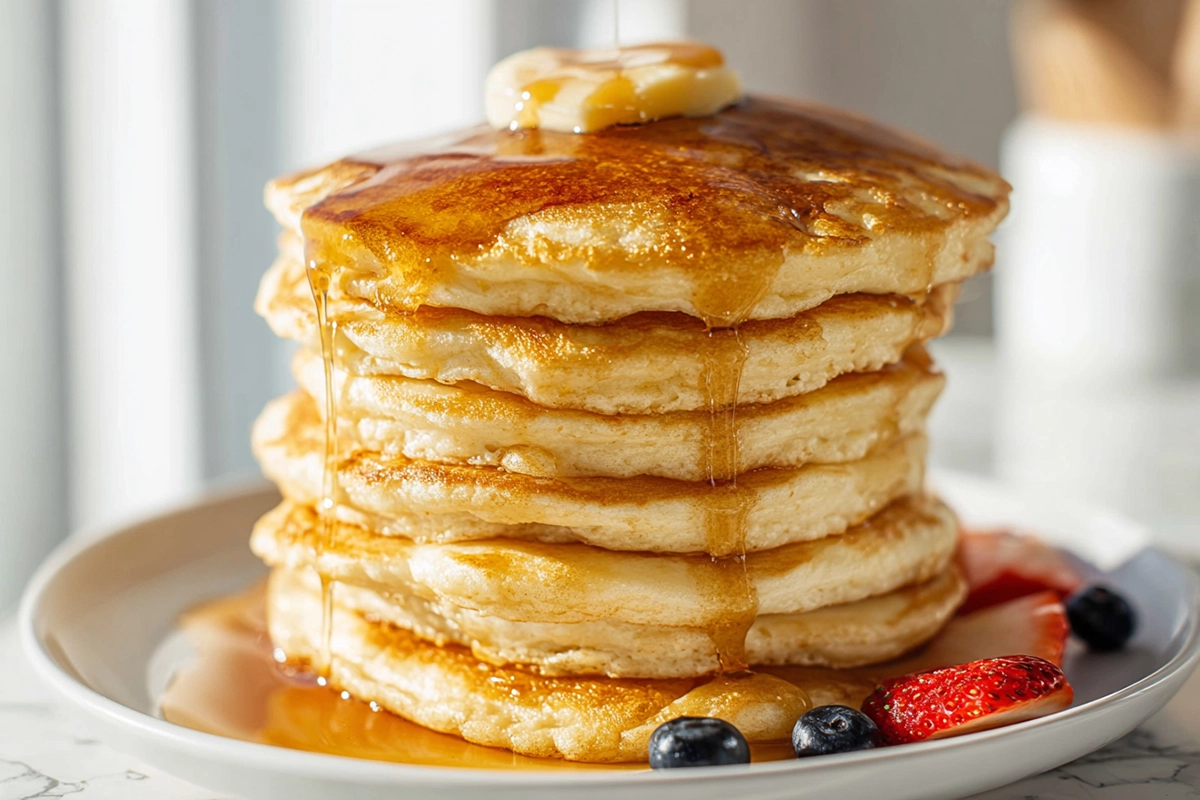
There’s something quietly comforting about waking up to the smell of pancakes warming on the griddle. Maybe it’s the slow pace of a weekend morning, or the way a simple batter turns into something everyone gathers around. These Perfect Fluffy Pancakes are the kind you make when you want breakfast to feel familiar and a little special at the same time. They’re soft in the middle, lightly golden on the outside, and dependable enough to become part of your regular routine.
This is the recipe you reach for when you want pancakes that rise beautifully without fuss. No fancy tools. No tricky steps. Just a bowl, a whisk, and a little patience while the batter rests.
Table of Contents
The Comfort of Perfect Fluffy Pancakes
Pancakes have a way of bringing people into the kitchen without calling them. Someone pours coffee, someone else hovers near the stove, waiting for the first flip. These pancakes are built for those moments. They cook evenly, stack neatly, and stay tender long enough for everyone to sit down together.
If you’ve ever made pancakes that turned out flat or dense, this recipe gently fixes those problems without overcomplicating things. It’s forgiving, flexible, and made for real kitchens where breakfast doesn’t need to be perfect to be memorable.
What Makes Pancakes Truly Fluffy
Fluffiness doesn’t come from beating the batter into submission. It comes from balance. Baking powder gives lift, a touch of baking soda adds extra airiness, and the right amount of liquid keeps the crumb soft without thinning things out.
One small habit makes a big difference here: letting the batter rest. Even a short rest gives the flour time to hydrate and the leavening time to activate. I learned this the hard way years ago, rushing pancakes for hungry kids and wondering why the first batch always looked better than the last. Slowing down just five minutes changed everything.
Ingredients That Do the Heavy Lifting
These pancakes rely on pantry basics, but each one plays a clear role in the final texture.
- 2 cups all-purpose flour
- 1/4 cup granulated sugar
- 4 teaspoons baking powder
- 1/4 teaspoon baking soda
- 1/2 teaspoon salt
- 1 3/4 cups milk
- 1/4 cup butter, melted and slightly cooled
- 2 teaspoons pure vanilla extract
- 1 large egg
The flour provides structure, while the sugar helps with browning and a gentle sweetness. Milk keeps the crumb tender, and melted butter adds richness without making the pancakes heavy. Vanilla isn’t optional here; it rounds everything out and gives that familiar breakfast aroma as soon as the batter hits the heat.

Batter Technique: Where Most Pancakes Go Wrong
Start by whisking the dry ingredients together in a large bowl. This evenly distributes the leavening so every pancake rises the same way. Make a well in the center and add the milk, melted butter, vanilla, and egg.
Before pulling in the flour, whisk the wet ingredients together right in the bowl. Then gently fold everything together just until combined. The batter should look thick and creamy, with a few small lumps still visible. Those lumps are a good sign. Overmixing smooths them out but tightens the batter, which leads to tough pancakes.
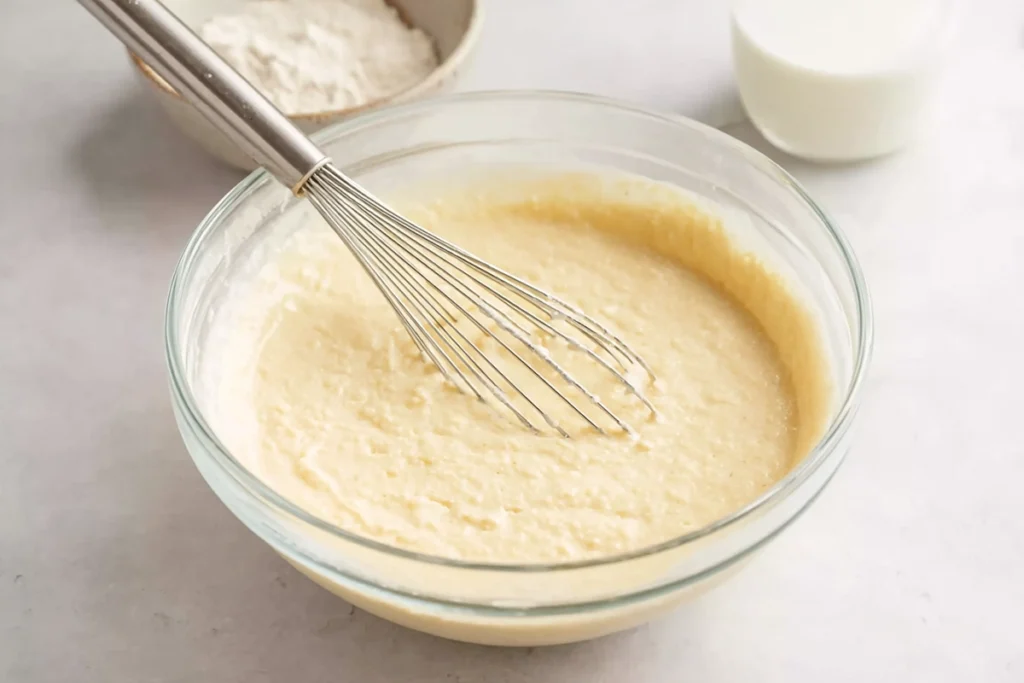
If the batter feels too thick to pour easily, add milk one tablespoon at a time. You’re looking for a slow, steady pour that spreads naturally on the pan without running thin.
Once mixed, let the batter rest while you heat your pan. This short pause is where the magic happens.
Heat, Timing, and the Griddle Sweet Spot
Set a nonstick pan or griddle over low to medium heat. Pancakes cook best when the heat is gentle and steady. Too hot, and they brown before the inside cooks through. Too cool, and they spread without lifting.
Lightly butter the surface, wiping away excess so the pancakes don’t fry. Pour about 1/4 cup of batter onto the pan and let it settle into a round shape. You don’t need to spread it much; the batter will do that on its own.
Watch the surface closely. When bubbles begin to form and the edges look set, it’s time to flip. The underside should be a soft golden color, not dark brown.
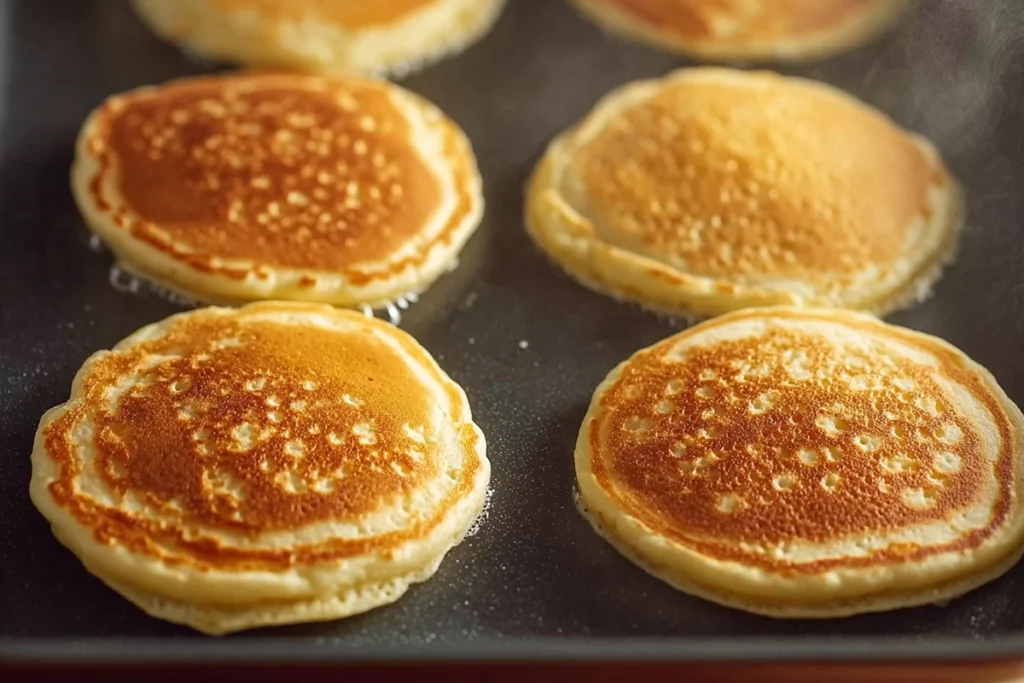
Texture & Doneness Cues You Can Trust
After flipping, the second side cooks faster. You’ll notice the pancake puff slightly and feel springy when pressed gently in the center. That soft resistance tells you the inside is cooked without being dry.
If the pancake feels squishy or sinks under your finger, give it another 30 seconds. Adjust the heat if needed as you go. It’s normal for the pan to get hotter with each batch, so small tweaks keep every pancake consistent.
Variations That Actually Work
Once you’re comfortable with the base recipe, small changes can make it feel new.
A pinch of cinnamon or nutmeg adds warmth without overpowering the batter. For fruit pancakes, sprinkle blueberries or sliced bananas directly onto the poured batter before flipping. This keeps them from sinking and helps the pancakes cook evenly.
If you prefer thinner pancakes, add a splash of milk to the rested batter and stir gently. For thicker stacks, keep the batter just as it is and use a measuring cup to portion each one.
Dietary Variations
For gluten-free pancakes, use a 1:1 gluten-free flour blend designed for baking. Let the batter rest an extra five minutes so it thickens properly.
To make dairy-free pancakes, substitute plant-based milk and use melted coconut oil or a dairy-free butter alternative. Choose an unsweetened milk to keep the flavor balanced.
If you want a lighter option, reduce the sugar slightly and serve with fresh fruit instead of syrup. The pancakes will still brown and rise beautifully.
Serving, Holding, and Make-Ahead Tips
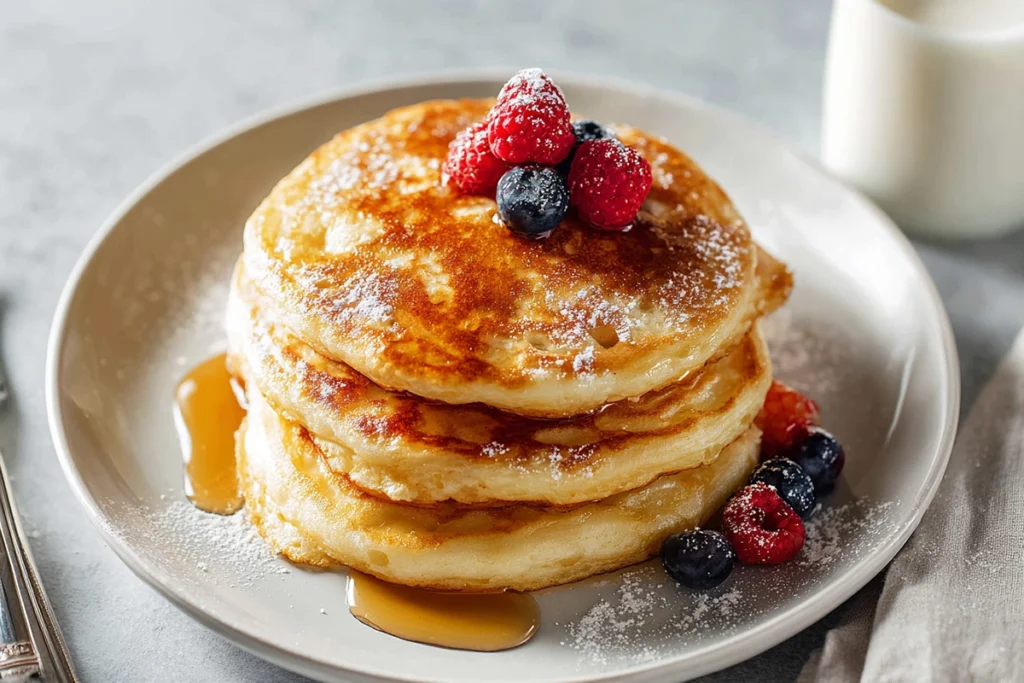
Serve these pancakes right off the griddle with butter, syrup, honey, or fresh fruit. They’re also great alongside crispy bacon or scrambled eggs for a fuller breakfast.
If you’re cooking for a crowd, keep finished pancakes warm on a baking sheet in a 200°F oven. Cover them loosely so they stay soft without trapping steam.
Leftovers freeze well. Let them cool completely, then freeze in a single layer before transferring to a bag. Reheat in the toaster or oven until warmed through, and they’ll taste just as comforting the next time around.
Making Perfect Fluffy Pancakes isn’t about chasing perfection. It’s about learning the feel of the batter, trusting your pan, and enjoying the quiet rhythm of cooking breakfast for the people you love. Once you’ve made them a few times, they become second nature—and mornings feel a little warmer because of it.
Get inspired with more mouthwatering recipes! Follow me on Facebook and Pinterest for new cooking ideas every week.
FAQ
Why are my pancakes not fluffy?
This usually happens when the batter is overmixed or the leavening isn’t fresh. Pancake batter should look thick and slightly lumpy, not smooth like cake batter. Letting the batter rest for a few minutes before cooking also helps the pancakes rise better.
Should pancake batter be thick or runny?
For fluffy pancakes, the batter should be thick but still pourable. It should slowly flow off a ladle rather than run like milk. If it’s too thick to pour, add a little milk a tablespoon at a time until it loosens slightly.
When exactly should I flip pancakes?
Flip the pancakes when bubbles form on the surface and the edges look set, not wet. The underside should be lightly golden, not dark brown. If you flip too early, the pancake won’t have enough structure and may deflate.
Can I make pancake batter ahead of time?
You can mix the dry ingredients ahead of time, but it’s best to add the wet ingredients right before cooking. Once the batter is fully mixed, the leavening starts working, and waiting too long can reduce fluffiness. If needed, you can rest the batter for up to 20 minutes without issues.
Print
Perfect Fluffy Pancakes
- Total Time: 25 minutes
- Yield: 12 pancakes 1x
- Diet: Vegetarian
Description
Soft, thick, and comforting pancakes made with simple pantry ingredients. These perfect fluffy pancakes cook up golden on the outside with a tender, airy center, ideal for cozy weekend breakfasts.
Ingredients
- 2 cups all-purpose flour
- 1/4 cup granulated sugar
- 4 teaspoons baking powder
- 1/4 teaspoon baking soda
- 1/2 teaspoon salt
- 1 3/4 cups milk
- 1/4 cup butter, melted
- 2 teaspoons pure vanilla extract
- 1 large egg
Instructions
- Whisk together the flour, sugar, baking powder, baking soda, and salt in a large bowl.
- Make a well in the center and add the milk, melted butter, vanilla extract, and egg.
- Whisk the wet ingredients together first, then gently fold into the dry ingredients until just combined.
- Let the batter rest while heating a nonstick pan or griddle over low to medium heat.
- Lightly butter the pan and pour about 1/4 cup batter for each pancake.
- Cook until bubbles form on the surface and edges look set, then flip.
- Cook the second side until golden and the pancake feels springy in the center.
- Repeat with remaining batter and serve warm.
Notes
- Do not overmix the batter; a few small lumps are normal and help keep pancakes tender.
- If the batter is too thick, add milk one tablespoon at a time until pourable.
- For even pancakes, use a 1/4-cup measuring cup to portion the batter.
- Prep Time: 5 minutes
- Cook Time: 20 minutes
- Category: Breakfast
- Method: Griddle
- Cuisine: American
Nutrition
- Serving Size: 1 pancake
- Calories: 170
- Sugar: 6 g
- Sodium: 210 mg
- Fat: 7 g
- Saturated Fat: 4 g
- Unsaturated Fat: 2 g
- Trans Fat: 0 g
- Carbohydrates: 22 g
- Fiber: 1 g
- Protein: 4 g
- Cholesterol: 30 mg
What Are Our Readers Saying?
There are no reviews yet. Be the first one to write one.