Perfect Quinoa Bread for Real-Life Toast, Sandwiches, and Comfort

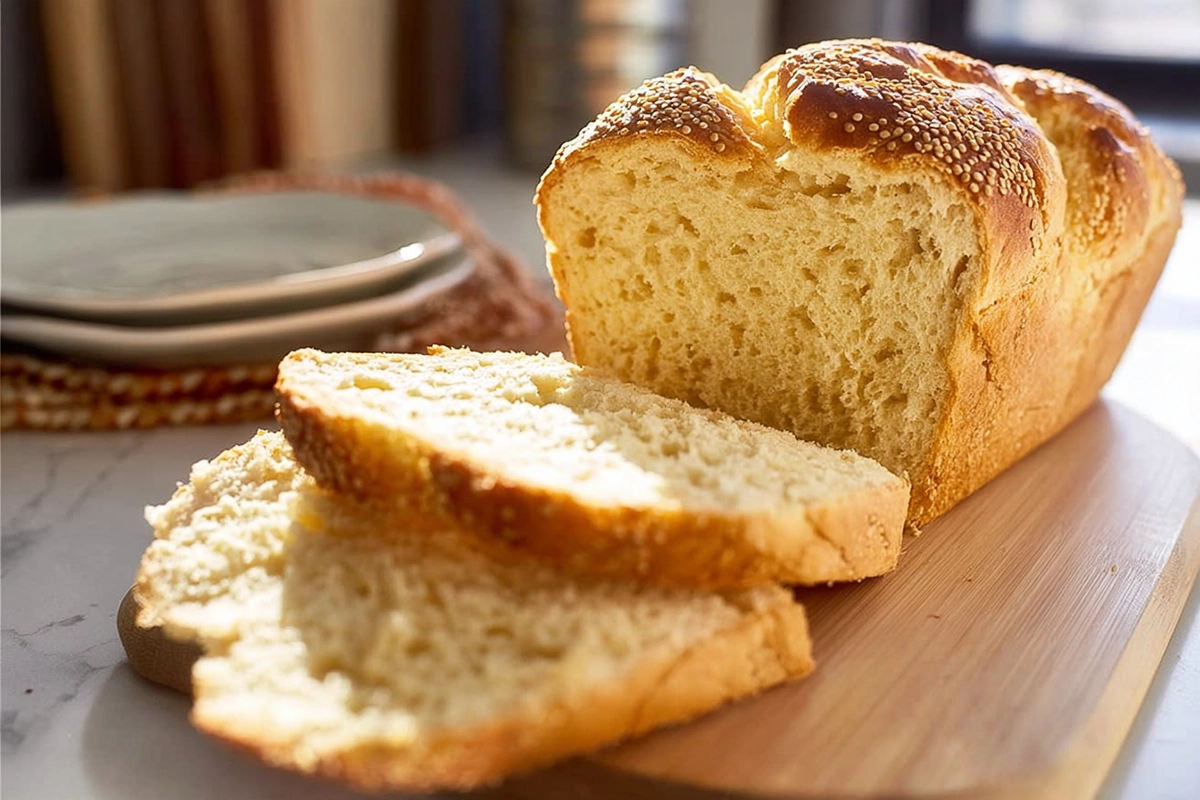
There’s something quietly comforting about baking bread at home—especially when it’s a loaf you can actually rely on. If you’ve ever tried gluten-free bread and ended up with something dry, crumbly, or oddly gummy, you’re not alone. That’s exactly why this perfect quinoa bread has become a steady favorite in my kitchen. It’s the kind of loaf you make once, then keep coming back to because it fits into real life: toast in the morning, a sandwich at lunch, and maybe a warm slice with butter after dinner.
This bread was born out of trial and error, but also patience. Quinoa has a naturally nutty flavor that feels wholesome without tasting “healthy,” and when it’s handled the right way, it bakes into a loaf that’s moist, light, and surprisingly comforting. You don’t need to be an expert baker—just willing to trust a dough that looks a little different than what you might be used to.
Why This Quinoa Bread Actually Works
I still remember the first time I stopped trying to make gluten-free dough behave like wheat dough. It felt wrong at first. The batter was wetter, stickier, and definitely not something you could knead. But once I leaned into that difference instead of fighting it, everything changed.
This recipe works because it respects what gluten-free baking needs. Toasted quinoa flour brings flavor, while a thoughtful mix of starches creates structure without heaviness. Steam in the oven helps the loaf rise gently, and a longer bake ensures the center sets properly. The result isn’t a compromise—it’s a loaf that feels intentional, not “good for gluten-free.”
Ingredients That Matter (And Why Each One Is Here)
This recipe uses simple ingredients, but each one plays an important role. Skipping or swapping without understanding can change the outcome, so it helps to know what’s doing what.
Ingredients
- 1 ½ cups warm water (about 105–110°F)
- 2 ½ tablespoons honey or maple syrup
- 2 ¼ teaspoons active dry yeast
- 1 ¼ cups toasted quinoa flour
- 1 cup tapioca starch
- 1 cup cornstarch
- 2 tablespoons dry milk powder or rice milk powder
- 1 tablespoon xanthan gum
- 1 ¾ teaspoons fine sea salt
- 2 large eggs, lightly beaten (or flax eggs)
- 2 tablespoons melted oil (coconut, avocado, or olive oil)
- Sesame seeds, optional
Toasted quinoa flour gives this bread its signature nutty depth. Tapioca starch adds stretch and softness, while cornstarch keeps the crumb light. Xanthan gum replaces gluten’s binding power, and the eggs help with structure and lift. The oil adds moisture, and a small amount of sweetness balances quinoa’s earthiness.
Ingredient Swaps That Hold Up
Honey and maple syrup are interchangeable here, though honey gives slightly better browning. If you’re using flax eggs instead of regular eggs, expect a slightly denser loaf that’s still moist and sliceable. Neutral oils keep the flavor clean, while olive oil adds a subtle savory note that works well for sandwiches.

The Method, Explained Like a Real Kitchen
Start by lightly greasing a 9 x 5-inch loaf pan and setting it aside. If you’re using flax eggs, mix the ground flax with warm water now and let it thicken while you prepare the rest of the ingredients.
In a small bowl, stir together the warm water and honey or maple syrup. Sprinkle the yeast over the surface and give it a gentle stir. Let it sit for five to ten minutes. You’re looking for foam and a slightly yeasty smell—this tells you the yeast is alive and ready.
In a large mixing bowl, combine the quinoa flour, tapioca starch, cornstarch, milk powder, xanthan gum, and salt. Stir until everything is evenly mixed. In a separate bowl, whisk together the yeast mixture, eggs, and oil. Pour the wet ingredients into the dry mixture and beat at medium speed for about three minutes. The dough will look more like thick batter than traditional bread dough, and that’s exactly what you want.
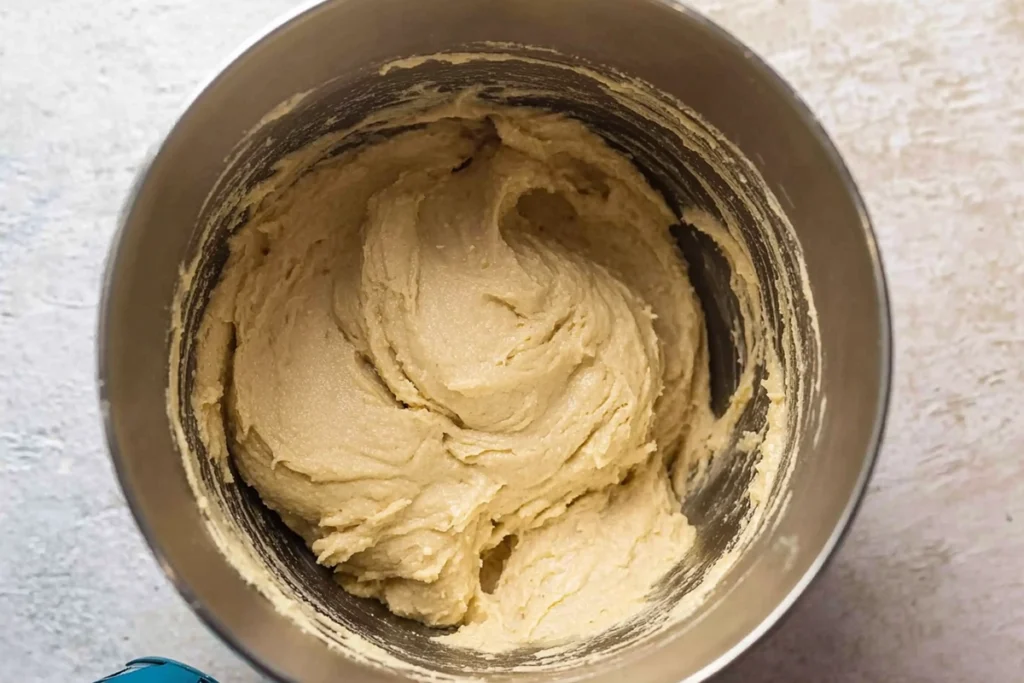
Scoop the dough into the prepared pan. Dip a spoon in cold water and gently smooth the top. If you like, sprinkle sesame seeds over the surface. Cover the pan with a damp cloth and let the loaf rise for about an hour, until it’s slightly puffed and domed.
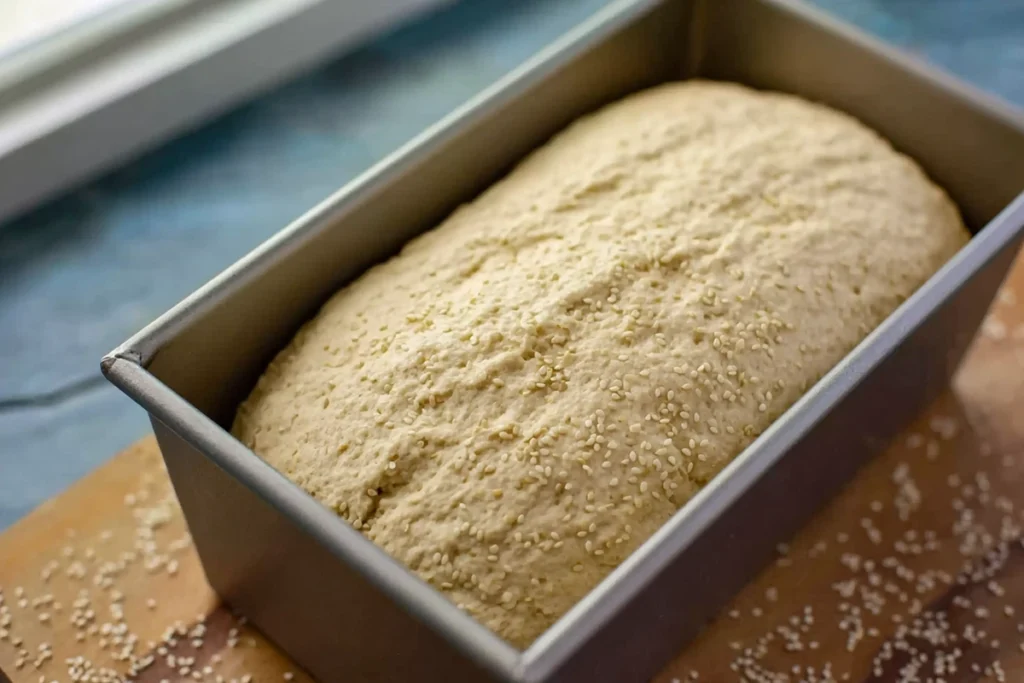
Rise, Bake, and Doneness: What to Look For
While the bread rises, place a small oven-safe pan on the bottom rack of your oven and preheat to 350°F. When the bread is ready to bake, pour about one cup of water into the pan to create steam, then place the loaf on the middle rack.
Bake for 40 to 45 minutes. The top should be golden and firm to the touch. When you tap the loaf, it should sound hollow, and the sides should pull slightly away from the pan. These cues matter more than the clock.
Let the bread cool in the pan for five minutes before turning it out onto a wire rack. Cooling is not optional here. Gluten-free bread continues to set as it cools, and slicing too soon can make the center feel gummy even if it’s fully baked.
Texture & Flavor Expectations
This loaf is moist and tender with a fine, even crumb. It’s not fluffy like white sandwich bread, but it’s far from dense. The flavor is gently nutty with a hint of sweetness, making it versatile enough for both savory and sweet toppings.
Fresh, it’s soft and comforting. Toasted, it develops crisp edges and a warm, nutty aroma that feels especially satisfying. It holds together well for sandwiches and doesn’t crumble apart when sliced properly.
Real-Life Variations Worth Making
A sprinkle of sesame seeds adds texture and a light crunch, but the bread is just as good plain. For garlic toast, brush slices with melted butter mixed with minced garlic and toast until golden. Day-old bread works beautifully for croutons or bread salad, soaking up flavors without falling apart.
If you bake often, consider doubling the recipe and freezing one loaf. This bread freezes well and makes busy mornings much easier.
Storage, Freezing, and Make-Ahead Tips
This bread stores best in the refrigerator, tightly wrapped, for up to five days. At room temperature, it tends to dry out more quickly. For longer storage, slice the loaf once it’s completely cool and freeze the slices in a sealed bag.
You can toast slices straight from frozen without thawing. If the bread feels slightly firm after refrigeration, a quick toast brings it right back to life.
Dietary Variations That Make Sense
This recipe is naturally gluten-free. For a dairy-free version, use rice milk powder instead of dry milk powder. An egg-free version using flax eggs works well, though the loaf will be slightly denser and benefit from extra cooling time before slicing.
Lower-fat substitutions aren’t recommended here, as the oil plays a key role in moisture and texture.
There’s something deeply reassuring about having a dependable loaf in your kitchen—one that fits your needs without sacrificing comfort. This perfect quinoa bread has earned its place at my table because it works, every time. Whether you’re making toast for a quiet morning or stacking a sandwich for someone you love, it’s the kind of bread that feels like home.
FAQ
Why is my quinoa bread gummy in the middle?
This usually means the loaf needed a little more time in the oven or more cooling time before slicing. Gluten-free breads like quinoa bread continue to set as they cool, so cutting too soon can trap moisture in the center. Let the loaf cool completely, and next time bake until the crust feels firm and the loaf sounds hollow when tapped.
Can I make this quinoa bread without eggs?
Yes, you can use flax eggs instead of regular eggs, and the bread will still hold together well. Keep in mind that the texture will be slightly denser and more tender, so it’s especially important to let the loaf cool fully before slicing. The flavor will remain mild and nutty.
Do I really need to add steam to the oven?
The steam helps the bread rise more evenly and keeps the crust from setting too quickly. Without it, the loaf can bake up shorter and a bit heavier. It’s a small step, but it makes a noticeable difference in the final texture of quinoa bread.
Is quinoa bread supposed to be this sticky before baking?
Yes, that’s completely normal. Quinoa bread dough is more like a thick batter than a traditional kneaded dough because there’s no gluten to firm it up. A wet, sticky texture is a good sign and helps ensure a moist, tender loaf after baking.
Can I use this quinoa bread for sandwiches?
Absolutely. Once fully cooled, the bread slices cleanly and holds together well for sandwiches. It’s especially good toasted, which adds structure and brings out the nutty flavor of the quinoa.
Print
Perfect Quinoa Bread
- Total Time: 55 minutes
- Yield: 1 loaf (16 slices) 1x
- Diet: Gluten Free
Description
This perfect quinoa bread is moist, tender, and sliceable with a light nutty flavor. A comforting gluten-free loaf that works well for toast, sandwiches, and everyday home cooking.
Ingredients
- 1 1/2 cups warm water (105–110°F)
- 2 1/2 tablespoons honey or maple syrup
- 2 1/4 teaspoons active dry yeast
- 1 1/4 cups toasted quinoa flour
- 1 cup tapioca starch
- 1 cup cornstarch
- 2 tablespoons dry milk powder or rice milk powder
- 1 tablespoon xanthan gum
- 1 3/4 teaspoons fine sea salt
- 2 large eggs, lightly beaten or flax eggs
- 2 tablespoons oil (coconut, avocado, or olive oil)
- Sesame seeds (optional)
Instructions
- Lightly grease a 9 x 5-inch loaf pan and set aside.
- If using flax eggs, combine ground flax with warm water and let thicken.
- Mix warm water and honey or maple syrup, sprinkle yeast on top, and let sit until foamy.
- Combine quinoa flour, tapioca starch, cornstarch, milk powder, xanthan gum, and salt in a large bowl.
- Whisk yeast mixture, eggs, and oil, then add to dry ingredients.
- Beat at medium speed for about 3 minutes until smooth and sticky.
- Transfer batter to the prepared pan and smooth the top.
- Sprinkle with sesame seeds if desired, cover, and let rise for about 1 hour.
- Place a pan of water in the oven, preheat to 350°F, and bake with steam for 40–45 minutes.
- Cool briefly in the pan, then cool completely on a rack before slicing.
Notes
- The dough will be wetter than traditional bread dough, which is normal for gluten-free baking.
- Allow the loaf to cool completely before slicing for best texture.
- Store the bread in the refrigerator for freshness.
- Slices can be frozen and toasted directly from frozen.
- Prep Time: 10 minutes
- Cook Time: 45 minutes
- Category: Side Dish
- Method: Baking
- Cuisine: American
Nutrition
- Serving Size: 1 slice
- Calories: 120
- Sugar: 3 g
- Sodium: 290 mg
- Fat: 1 g
- Saturated Fat: 0.2 g
- Unsaturated Fat: 0.8 g
- Trans Fat: 0 g
- Carbohydrates: 23 g
- Fiber: 1 g
- Protein: 2 g
- Cholesterol: 20 mg