Best Meatloaf Balsamic Vinegar for a Cozy Family Dinner

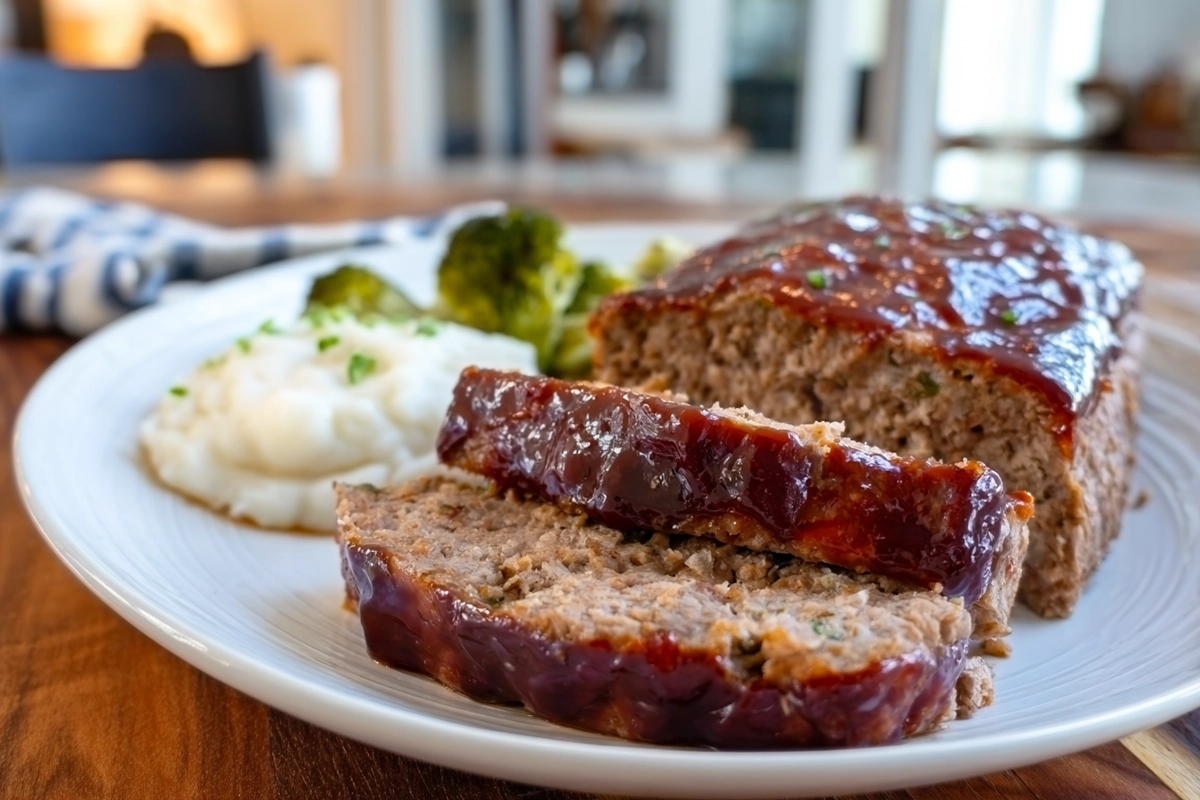
There are some dinners that don’t need an introduction. Meatloaf is one of them. It’s the kind of meal you make when you want the house to smell warm and familiar, when you want everyone to slow down just a bit and sit together. This best meatloaf balsamic vinegar recipe is my favorite version of that comfort classic. It keeps everything you love about traditional meatloaf, but adds a gentle balsamic glaze that makes each bite a little richer, a little deeper, and honestly more memorable.
This is the meatloaf you make on a busy weeknight when you still want something homemade. It’s simple, forgiving, and grounded in real kitchen instincts, not fancy tricks. If you’ve ever wanted a juicy meatloaf with balsamic flavor that doesn’t taste sharp or complicated, you’re in the right place.
Why Balsamic Vinegar Changes Everything (Without Overpowering)
Balsamic vinegar has a way of bringing balance to savory dishes, especially beef. In this meatloaf, it’s not there to steal the show. Instead, it quietly rounds out the sweetness of the ketchup and brown sugar, cutting through richness just enough to keep every bite interesting.
Unlike straight vinegar or acidic tomato sauces, balsamic is naturally mellow and slightly sweet. When it bakes, it caramelizes instead of biting back. That’s why a balsamic vinegar meatloaf works so well for families. You get depth and warmth without anyone asking, “What’s that strong flavor?”
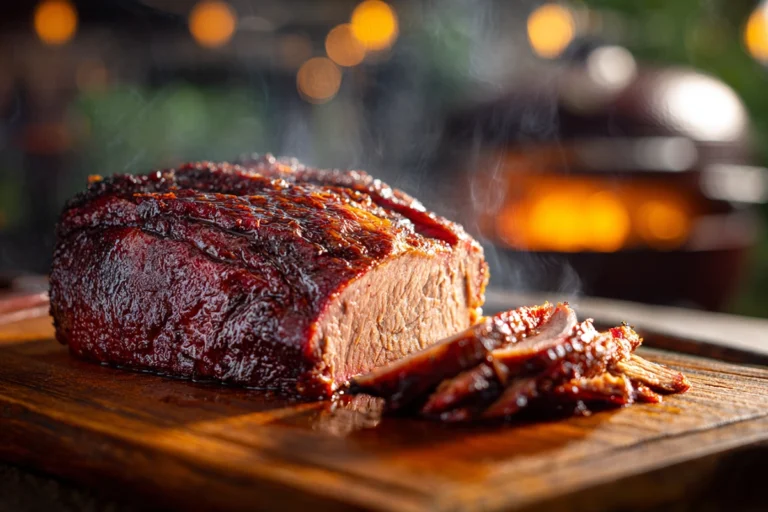
The glaze is simple on purpose. It clings to the top, seeps just slightly into the loaf, and creates that glossy finish everyone fights over at the table.
Ingredients That Matter More Than You Think
This recipe doesn’t rely on anything unusual, but the way the ingredients work together makes all the difference. Each one has a job to do.
For the meatloaf
- 2 pounds ground beef
- 1 cup quick oats
- 1 1/4 cups milk
- 1 large egg, beaten
- 1/4 cup minced onion
- 1 teaspoon Worcestershire sauce
- 1/2 teaspoon kosher salt
- 1/4 teaspoon black pepper
- 1/4 teaspoon sage
- 1/4 teaspoon celery salt
- 1/4 teaspoon dry mustard
- 1/4 teaspoon granulated garlic or garlic powder
For the balsamic glaze
- 1/4 cup ketchup
- 1 tablespoon balsamic vinegar
- 1 tablespoon brown sugar
The oats may surprise you, but they’re one of the secrets to a tender loaf. They absorb moisture without turning mushy, helping the meat stay juicy all the way through.
Ingredient Substitutions That Actually Work
If you’re out of quick oats, plain rolled oats can work in a pinch, though the texture will be slightly heartier. Milk can be swapped for half-and-half if that’s what you have, but avoid anything too thick. The balance of moisture matters.
Stick with ground beef here. Leaner blends can dry out, while very fatty meat can make the loaf greasy. A middle ground gives you the best texture.

Method Overview: Simple Steps, Smart Choices
Start by preheating your oven to 350°F and lining a baking sheet with foil. This open-pan method lets heat circulate evenly, which helps the meatloaf cook through without steaming.
In a large bowl, add all the meatloaf ingredients. This is one of those moments where using your hands really does make a difference. Gently mix until everything is just combined. You’re looking for a cohesive mixture, not a packed paste. Overmixing is one of the quickest ways to lose tenderness.
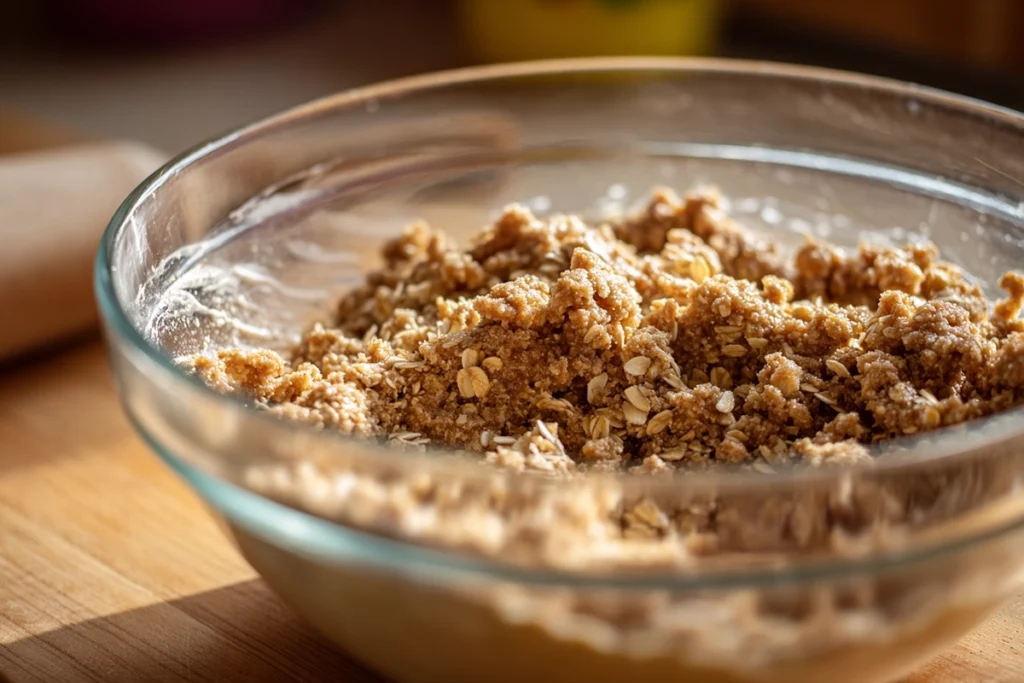
Once mixed, shape the meat into an oblong loaf directly on the prepared baking sheet. Don’t press it too tightly. A looser shape allows heat to penetrate evenly and helps the meatloaf stay soft.
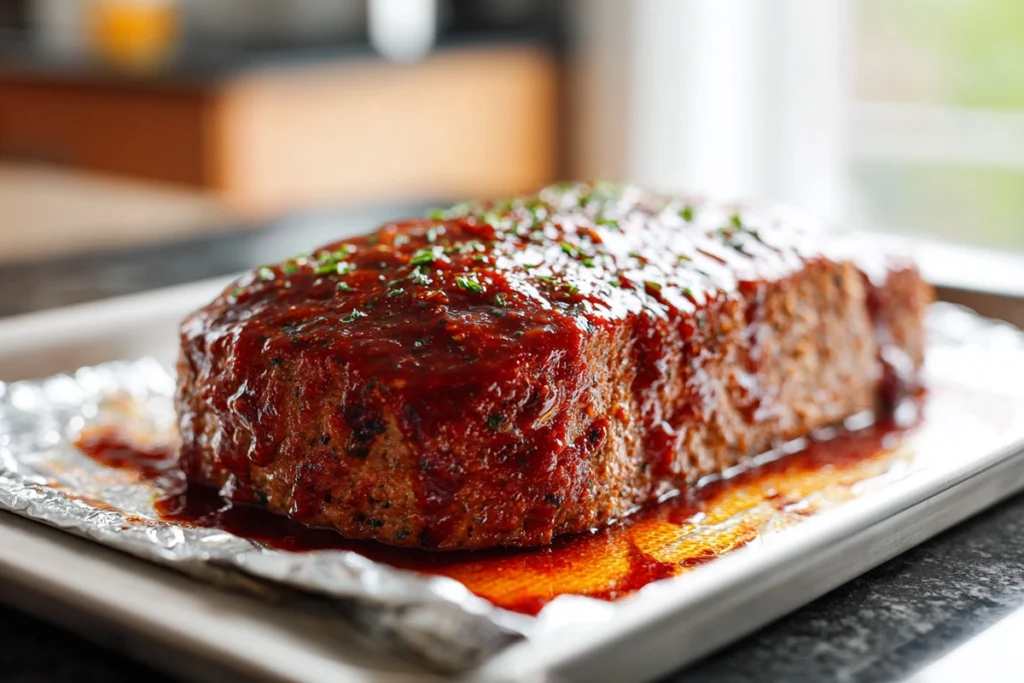
In a small bowl, stir together the ketchup, balsamic vinegar, and brown sugar. Spoon the glaze generously over the top, letting it naturally drip down the sides.
Slide the meatloaf into the oven and let it bake until the glaze darkens slightly and the kitchen smells unmistakably like dinner.
Timing, Temperature, and Doneness (Where Most Meatloaf Goes Wrong)
This is where confidence really comes in. Meatloaf doesn’t need guesswork, but it does need attention.
You’re aiming for an internal temperature of 170°F. For a flatter, wider loaf, this usually takes about 65 to 70 minutes. A thicker, more traditional loaf can take closer to 90 minutes. The shape matters more than the clock.
Visually, the glaze should look set and slightly caramelized. The edges will pull away from the pan just a bit, and the loaf will feel firm but not stiff when gently pressed.
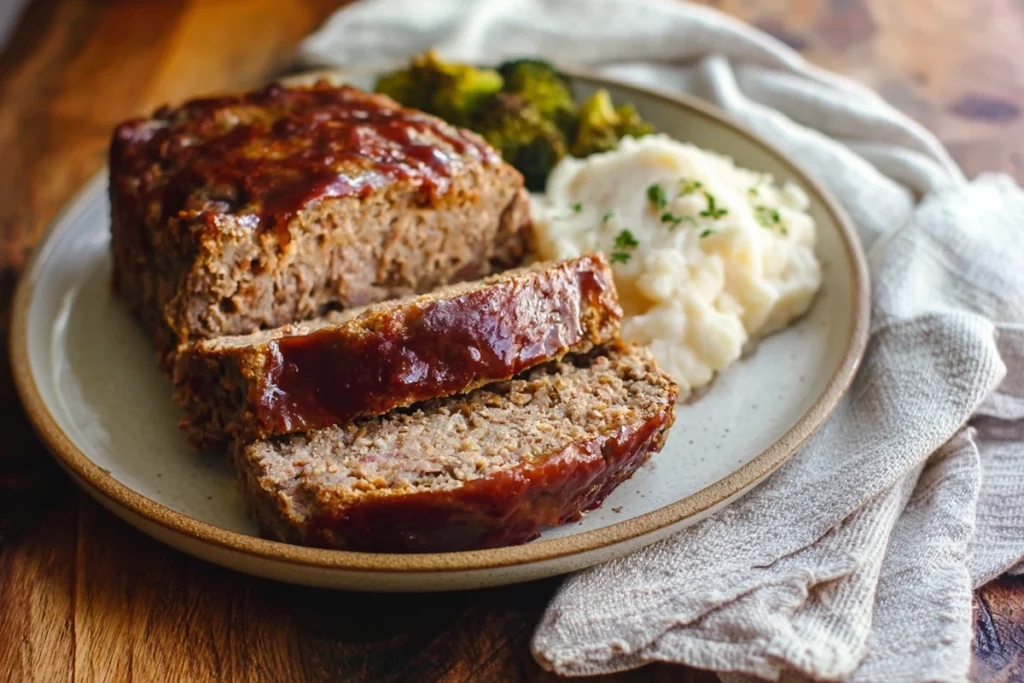
Let the meatloaf rest for at least 10 minutes before slicing. This allows the juices to redistribute, giving you clean slices instead of a crumbly mess.
Texture & Juiciness: How This Meatloaf Stays Tender
Moisture is everything in meatloaf, and this recipe builds it in from the start. The combination of milk, oats, and egg creates a structure that holds together without drying out.
Mixing gently is just as important as the ingredients themselves. When beef is overworked, it tightens as it cooks. That’s why stopping as soon as everything is incorporated makes such a difference.
Resting the meatloaf after baking is the final step most people skip. Those few minutes are what turn a good meatloaf into a truly savory balsamic meatloaf worth repeating.
Variations That Still Taste Like Real Meatloaf
If you prefer a slightly sweeter glaze, add an extra teaspoon of brown sugar. For more tang, a small splash of balsamic vinegar goes a long way.
You can also mix a tablespoon of finely minced onion into the glaze for extra savoriness, but keep it subtle. The goal is enhancement, not reinvention.
This recipe is flexible enough to adapt, but grounded enough that it never loses that classic meatloaf feel.
Make-Ahead, Storage, and Reheating Without Drying It Out
You can prepare the meatloaf mixture up to a day ahead and keep it covered in the refrigerator. Shape and glaze it just before baking for best results.
Leftovers store well in an airtight container for up to four days. To reheat, cover slices loosely with foil and warm in a 325°F oven until heated through. This gentle heat keeps the meat moist and prevents the glaze from scorching.
What to Serve With Balsamic Meatloaf
This meatloaf pairs beautifully with mashed potatoes, green beans, or roasted carrots. The glaze also works well alongside simple starches like buttered noodles or rice.
For weeknights, keep it easy. For Sunday dinners, add a salad and something warm from the oven. Either way, it fits right in.
A Small Kitchen Memory: Why This Recipe Sticks
This is the kind of meatloaf that reminds you why simple recipes last. It’s forgiving, dependable, and always welcomed at the table. Over the years, I’ve learned that the best dinners aren’t about impressing anyone. They’re about feeding people well and letting familiar flavors do what they do best.
If you’re looking for a best meatloaf balsamic vinegar recipe that feels like home the first time you make it, this one has earned its place. It’s the meatloaf people quietly hope you’ll make again, and the kind you can trust on even your busiest days.
FAQ
Is balsamic vinegar too strong for meatloaf?
Not at all. When baked into the glaze, balsamic vinegar softens and becomes slightly sweet, adding depth without tasting sharp. It blends with the ketchup and brown sugar so the flavor stays balanced and family-friendly.
Why is my meatloaf falling apart when I slice it?
This usually happens if the meatloaf is sliced too soon or the mixture didn’t have enough binding. Letting it rest for about 10 minutes after baking helps it firm up, and ingredients like egg and oats work together to hold everything together.
Can I make this balsamic meatloaf ahead of time?
Yes, you can mix and shape the meatloaf up to a day in advance and keep it covered in the refrigerator. Add the glaze right before baking so it stays fresh and glossy in the oven.
What’s the best way to keep meatloaf juicy and not dry?
Avoid overmixing the meat and use a thermometer to prevent overbaking. Baking until the internal temperature reaches 170°F and letting the meatloaf rest before slicing helps lock in moisture and keeps it tender.
Print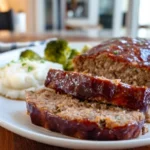
Best Meatloaf Balsamic Vinegar
- Total Time: 1 hour 15 minutes
- Yield: 8 servings 1x
Description
This best meatloaf balsamic vinegar recipe is a cozy, homestyle dinner made with ground beef, oats, and a rich balsamic glaze. It bakes up tender and juicy with a sweet-savory topping that adds depth without overpowering the classic comfort food flavor.
Ingredients
- 2 pounds ground beef
- 1 cup quick oats
- 1 1/4 cups milk
- 1 large egg, beaten
- 1/4 cup minced onion
- 1 teaspoon Worcestershire sauce
- 1/2 teaspoon kosher salt
- 1/4 teaspoon black pepper
- 1/4 teaspoon sage
- 1/4 teaspoon celery salt
- 1/4 teaspoon dry mustard
- 1/4 teaspoon granulated garlic or garlic powder
- 1/4 cup ketchup
- 1 tablespoon balsamic vinegar
- 1 tablespoon brown sugar
Instructions
- Preheat the oven to 350°F and line a baking sheet with foil.
- In a large bowl, combine the ground beef, oats, milk, egg, onion, Worcestershire sauce, salt, pepper, sage, celery salt, dry mustard, and garlic.
- Gently mix the ingredients together until just combined, being careful not to overmix.
- Shape the mixture into an oblong loaf on the prepared baking sheet.
- In a small bowl, stir together the ketchup, balsamic vinegar, and brown sugar.
- Spoon the glaze evenly over the top of the meatloaf, letting it drip slightly down the sides.
- Bake until the internal temperature reaches 170°F, about 65 to 70 minutes depending on the shape of the loaf.
- Remove from the oven and let the meatloaf rest for 10 minutes before slicing and serving.
Notes
- Use a meat thermometer the first time you make this recipe to avoid overbaking.
- Cooking time will vary based on the shape and thickness of the meatloaf.
- Letting the meatloaf rest before slicing helps it hold together and stay juicy.
- Prep Time: 10 minutes
- Cook Time: 1 hour 5 minutes
- Category: Main Course
- Method: Baking
- Cuisine: American
Nutrition
- Serving Size: 1 slice
- Calories: 373
- Sugar: 5 g
- Sodium: 394 mg
- Fat: 25 g
- Saturated Fat: 9 g
- Carbohydrates: 12 g
- Protein: 22 g
- Cholesterol: 104 mg