Classic Glazed Meatloaf: Juicy Slices, Sticky Edges, Zero Regret

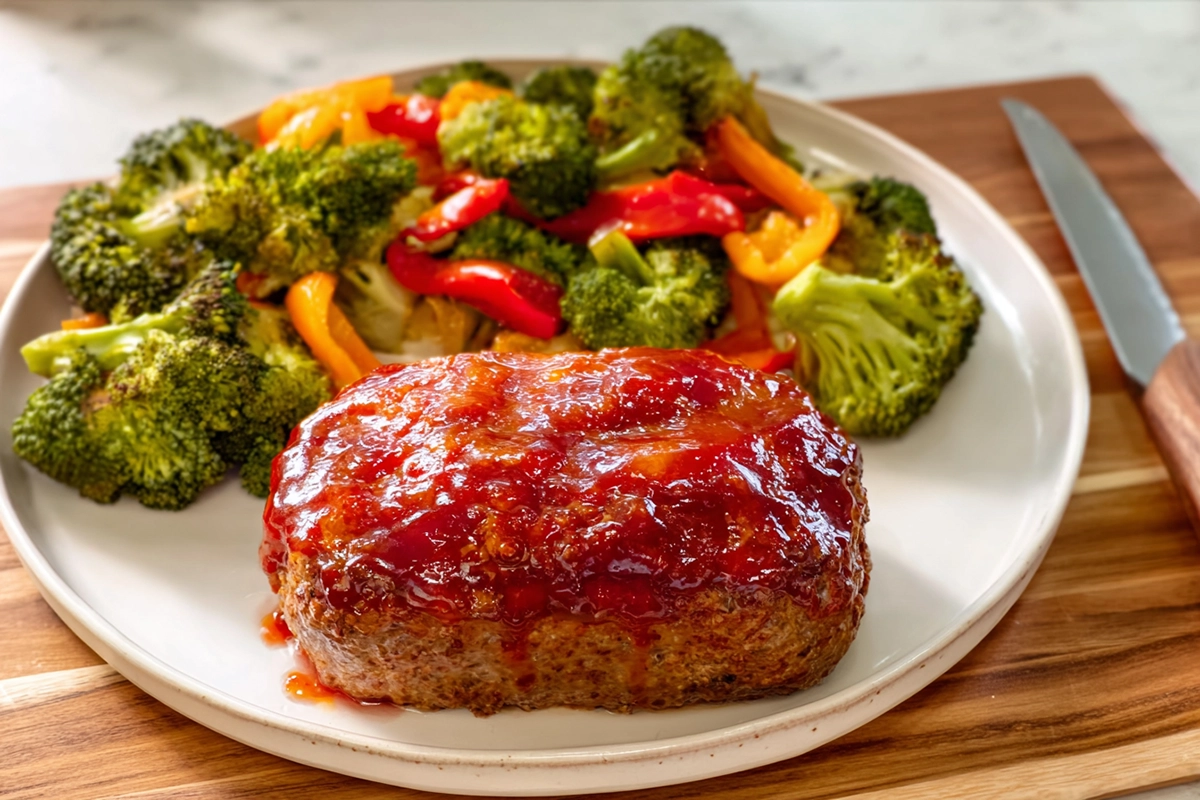
Meatloaf has a reputation problem. Too dry. Too greasy. Too often a gray slab that crumbles when you cut it or leaks its life onto the pan. You want that deep, beefy smell filling the kitchen, a slice that holds together on the fork, and a glaze that turns dark and sticky instead of sliding off like warm ketchup. Most recipes promise comfort and deliver disappointment.
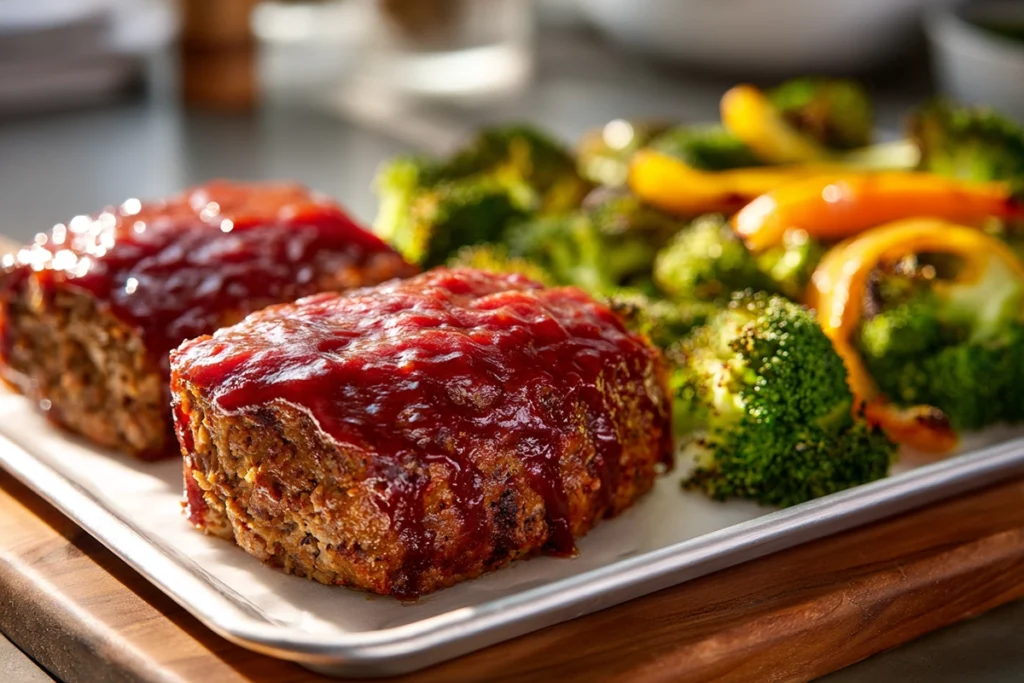
This classic glazed meatloaf fixes the parts that usually go wrong. The meat stays tender because it’s treated gently and fortified with ricotta instead of relying on milk alone. That small change keeps the beef juicy all the way through, even after it rests. The glaze isn’t an afterthought—it’s balanced with brown sugar and salt so it caramelizes into a glossy, slightly tangy crust instead of burning or turning watery. And shaping the meat into compact oval loaves isn’t about looks; it’s how you get even cooking without drying out the edges.
This is the kind of dinner that smells done before you check the clock—sweet tomato notes mingling with toasted breadcrumbs and browned beef. The broccoli and peppers roast alongside, picking up garlic salt and melted cheddar while the meatloaf finishes, so the whole tray comes out hot, cohesive, and ready to eat.
You don’t need a mixer, a loaf pan, or a long prep list. Just a bowl, your hands, a hot oven, and the restraint to stop mixing before the meat tightens up. From here, it’s about timing, temperature, and knowing when to leave well enough alone.
Why This Classic Glazed Meatloaf Works When Others Fall Apart
The success of a meatloaf isn’t just about combining beef and breadcrumbs—it’s a careful balance of moisture, structure, and flavor that keeps every slice tender while letting the glaze stick perfectly. Ground beef forms the backbone, providing that savory depth, but left alone it can dry out in the oven. That’s where ricotta comes in: its mild, creamy protein binds moisture and prevents the loaf from turning dense. Panko breadcrumbs absorb just enough juice to hold the shape without creating a gummy interior. The ketchup-and-brown-sugar glaze is more than decoration; it caramelizes into a sticky, flavorful crust that contrasts the soft interior, giving the classic glazed meatloaf its signature “edge-to-center” bite. Even the shape of the loaf matters: small, oval loaves cook evenly, preventing overcooked edges and underdone centers.
- Ground Beef: Forms the flavor base; lean enough to avoid excess grease but fatty enough to stay juicy.
- Ricotta Cheese: Retains moisture and adds creamy texture without overpowering beef.
- Panko Breadcrumbs: Provides structure and absorbs juices; avoids gummy consistency.
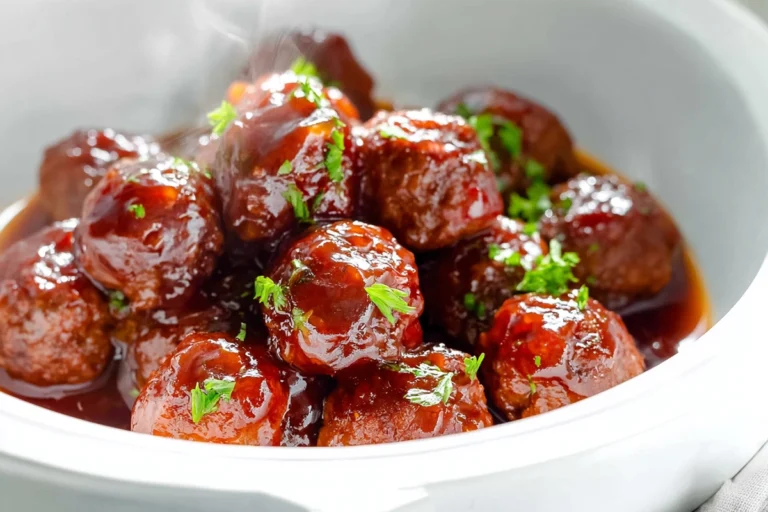
- Ketchup + Brown Sugar Glaze: Caramelizes during baking, delivering sticky-sweet flavor and visual appeal.
Ricotta Isn’t Optional (And Milk Alone Won’t Do the Same Job)
Many home cooks reach for milk or cream to moisten their meatloaf, but ricotta offers a structural advantage that liquid dairy simply cannot. Its protein content stabilizes the ground beef, ensuring each slice holds together under the knife. Unlike milk, ricotta suspends moisture rather than flooding the mixture, which prevents soggy meat and allows the crust to form correctly. Combined with panko breadcrumbs, it creates a loaf that is tender, cohesive, and forgiving if you slightly overbake. The subtle tang from ricotta also balances the sweetness of the glaze, so your classic glazed meatloaf never tips into dessert territory.
- Ricotta Cheese: Adds creaminess and stability, holding the loaf together while keeping it soft.
- Part-Skim Option: Reduces fat slightly but maintains moisture; avoid fat-free or overly watery varieties.
- Ketchup Glaze: Works in tandem with ricotta, balancing sweet and savory while protecting the surface from drying.

Mixing the Meat Without Beating It to Death
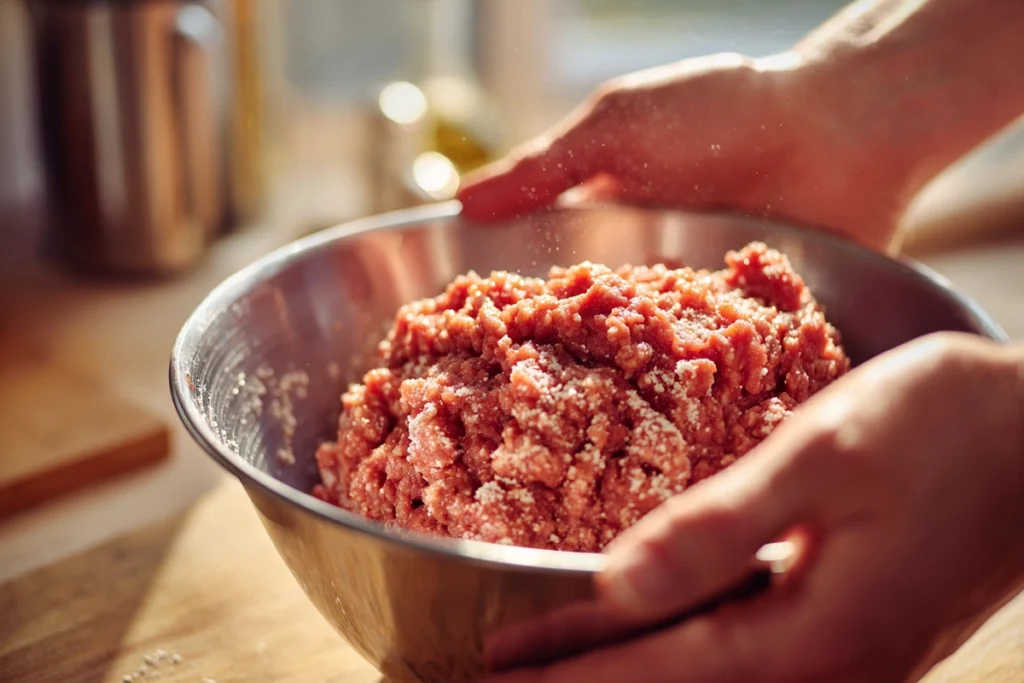
The magic of a classic glazed meatloaf begins at the mixing bowl. Drop your ground beef in, and sprinkle in panko, ricotta, and half the garlic salt. Press gently with your hands, folding the ingredients together rather than kneading them aggressively. Watch the mixture change: it should come together without turning sticky or pasty, and when you press a small handful, it should hold its shape like a soft pillow. Avoid overmixing; you want a loaf that feels tender, not dense. You’ll know you’ve gone too far if the meat glistens excessively and sticks to your fingers like dough.
Shaping for Success
Shape the meat into two small, oval loaves instead of one giant block. You want them about three inches long and two inches tall. This shape encourages even cooking and prevents the edges from overbaking while the centers finish. When your hands press the loaves, they should feel firm yet springy, and the surface should be smooth, almost glossy from the natural fats in the beef. Place them carefully on the tray, leaving room for the vegetables to roast without crowding.
Glaze Timing and Technique
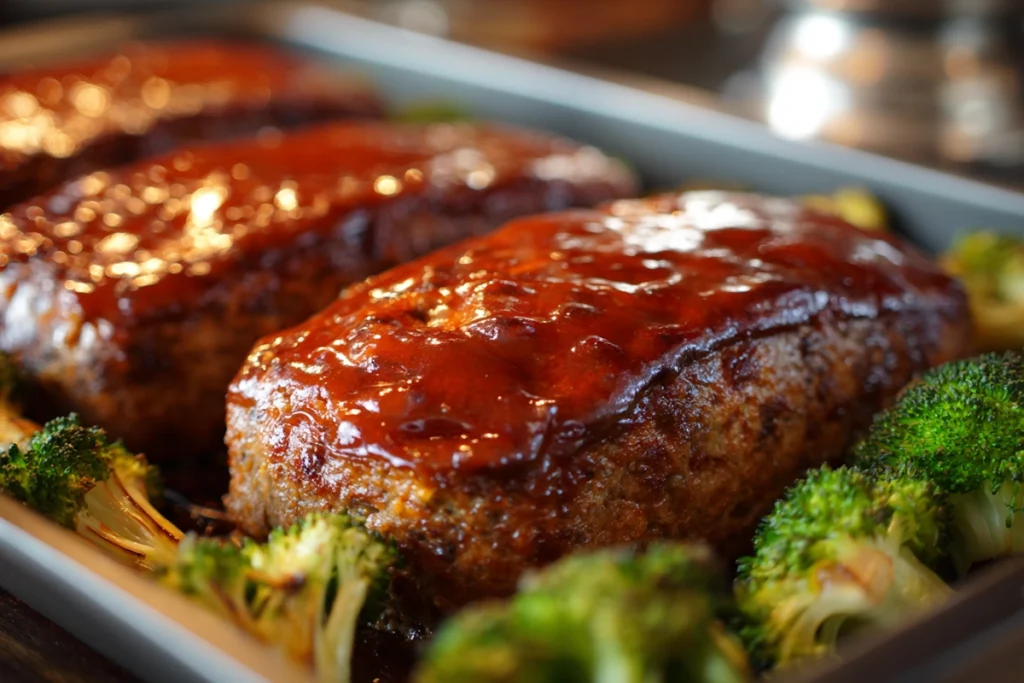
The ketchup-brown sugar glaze is critical for that signature shine. Spoon it evenly over the tops of the loaves before baking, smoothing it gently with the back of a spoon. Look for a thin, uniform coat that clings to the meat. During baking, the glaze will bubble and darken slightly, releasing a sweet aroma that signals caramelization. Avoid adding it too late; you want the sugars to meld with the beef, not sit like a separate layer.
One Tray, Two Jobs
While the meatloaf cooks, the broccoli and bell peppers start roasting in the same tray. Push them aside to prevent steaming the loaves, and sprinkle the remaining garlic salt and shredded cheddar over the vegetables. Listen for the gentle sizzle of oil-coated florets hitting the hot pan, and inhale—the garlic and cheese should mingle, hinting at the final bite. This method keeps both components evenly roasted and perfectly timed with the meatloaf.
By the time the classic glazed meatloaf reaches 160°F, the edges will be sticky and caramelized, the interior tender, and the vegetables roasted to a vibrant, flavorful finish. The loaf should rest three minutes before slicing, letting the juices redistribute so every bite stays moist.
Fixes for the Most Common Meatloaf Problems
Sometimes even a classic glazed meatloaf hits a snag. If your loaf shrinks or cracks, it usually means the mixture was overworked or too lean—next time, handle it gently and don’t skimp on ricotta. Grease pooling in the tray is often a sign of fat content in the beef; simply tilt the tray slightly or spoon some off mid-bake. If your meatloaf hits 160°F internally but still feels soft, let it rest three minutes; the proteins will set and lock in the juices. These tweaks aren’t optional—they’re what separates a solid loaf from a great one.
How to Serve This Without Overthinking It
This classic glazed meatloaf pairs beautifully with hearty sides that echo its comfort-food vibe. Creamy mashed potatoes or roasted fingerling potatoes soak up the glaze, while a crisp, lightly dressed green salad adds brightness and crunch. The roasted broccoli and peppers from the tray double as both vegetable and flavor bridge, carrying the garlic-cheddar notes through each bite. For extra indulgence, a drizzle of the leftover glaze on the plate amplifies every forkful. Leftovers? Slice cold for sandwiches or gently reheat; the loaf holds together without falling apart, making it perfect for a next-day quick dinner.
Common Questions About Classic Glazed Meatloaf
Can I make classic glazed meatloaf ahead of time and bake it later?
Shape the meatloaf loaves as instructed, cover them tightly with plastic wrap, and refrigerate for up to 24 hours. Bake straight from the fridge; the internal temperature might take a few extra minutes to reach 160°F. This approach keeps the texture intact and allows the glaze to caramelize properly without drying out the loaf.
Why does my meatloaf fall apart when I slice it?
The most common causes are overmixing the meat or skipping a binder like ricotta. Gently fold ingredients until just combined, and make sure the ricotta is incorporated evenly. When done, let the meatloaf rest for three minutes; the proteins will set, helping the slices hold together cleanly.
Can I use ground turkey instead of beef in this recipe?
Ground turkey is leaner than beef, so it will dry out faster. If you use turkey, add extra ricotta or one beaten egg to maintain moisture and structure. Form small, oval loaves to encourage even cooking and keep the internal temperature at 165°F for safety while retaining tenderness.
How do I know when meatloaf is done without drying it out?
Use an instant-read thermometer and remove the meatloaf when the center hits 160°F. Visual cues help too: the edges should be slightly caramelized, the glaze sticky and darkened, and the loaf should feel firm but springy to the touch. Rest for three minutes before slicing to let juices redistribute.
Is it better to bake meatloaf covered or uncovered?
Bake uncovered to allow the glaze to caramelize and form a sticky, flavorful crust. Covering traps steam, which softens the glaze and prevents that signature glossy top. Classic glazed meatloaf achieves its ideal texture and appearance only when the top is exposed to dry oven heat.
Print
Classic Glazed Meatloaf
- Total Time: 40 minutes
- Yield: 2 servings 1x
Description
Classic glazed meatloaf with a caramelized ketchup-brown sugar glaze and roasted broccoli and red bell peppers. Tender, juicy, and perfect for weeknight dinners.
Ingredients
10 oz Ground Beef
8 oz Broccoli Florets
4 oz Sliced Red Bell Pepper
2 oz Shredded Cheddar Cheese
2 oz Part-Skim Ricotta Cheese
0.95 oz Ketchup Cup
1/4 cup Panko Breadcrumbs
1/2 oz Brown Sugar
1 tsp Garlic Salt
Olive Oil
Salt
Pepper
Instructions
-
Do not overmix the meat to prevent dense texture.
-
Use ricotta to retain moisture and structure.
-
Bake uncovered to allow glaze to caramelize properly.
-
Resting allows juices to redistribute before slicing.
-
Leftovers can be sliced cold for sandwiches or gently reheated.
Notes
Do not overmix the meat to prevent dense texture.
Use ricotta to retain moisture and structure.
Bake uncovered to allow glaze to caramelize properly.
Resting allows juices to redistribute before slicing.
Leftovers can be sliced cold for sandwiches or gently reheated.
- Prep Time: 10 minutes
- Cook Time: 30 minutes
- Category: Dinner
- Method: Oven-Baked
- Cuisine: American
Nutrition
- Serving Size: 1 loaf
- Calories: 620
- Sugar: 10
- Sodium: 1570
- Fat: 36
- Saturated Fat: 15
- Unsaturated Fat: 18
- Trans Fat: 1
- Carbohydrates: 32
- Fiber: 5
- Protein: 41
- Cholesterol: 120