
The Ultimate Guide to Ramen: Build Flavorful Bowls at Home
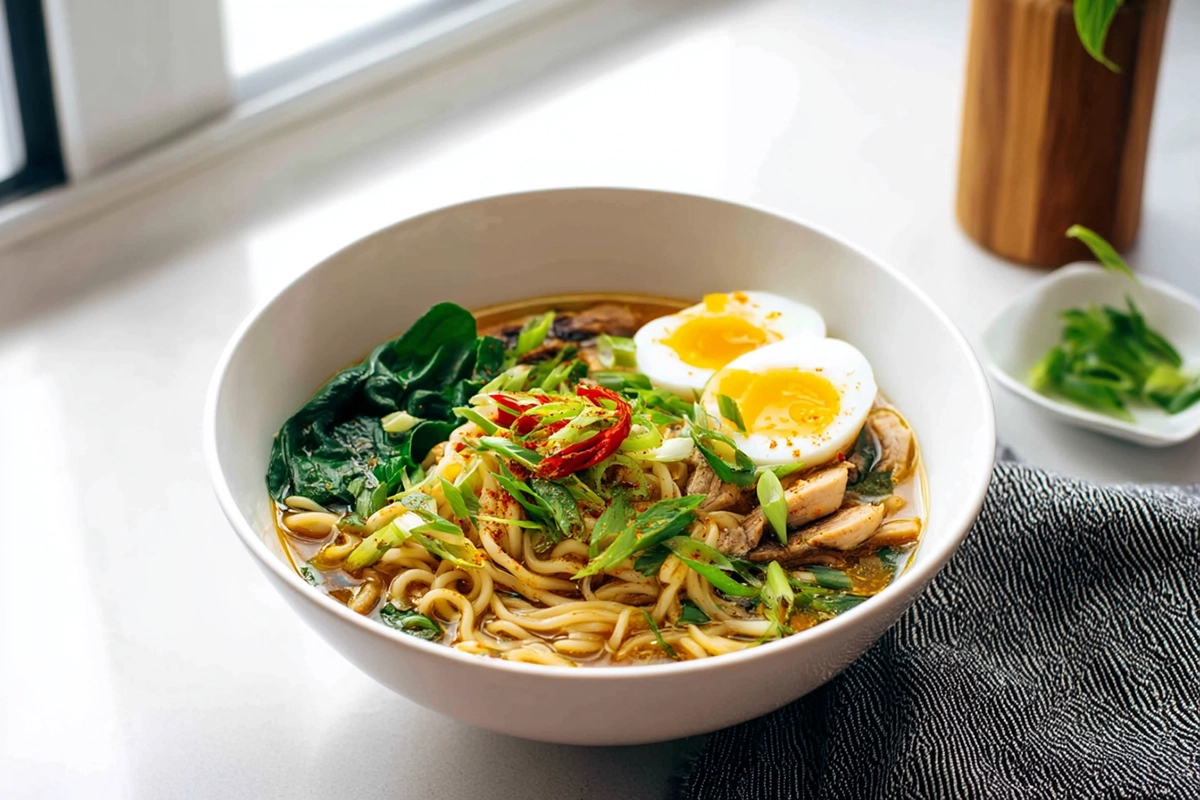
When you think back to the first time you slurped a truly comforting bowl of ramen, you might remember the steam rising, the savory aroma, or that moment when the broth hit every taste bud just right. Maybe you tried it in a small neighborhood shop or made a late-night bowl in your own kitchen. Either way, there’s something about ramen that feels warm, familiar, and endlessly customizable. And as you start making your own versions at home, you discover how far it goes beyond the instant packs you grew up with. With just a handful of ingredients and the right method, you can turn this humble classic into a bowl worth craving again and again.
Table of Contents
What Is Ramen? A Quick Overview
If you’ve only experienced the boxed version, you’re in for a surprise. A bowl of ramen is built on four simple components: the broth, the noodles, the seasoning base known as “tare,” and the toppings. Once you understand how these parts work together, you gain full control over the flavor. You get to decide whether you want something rich and bold or light and soothing. Because ramen leans on ingredients that bring out deep umami, you can enjoy a flavor that tastes slow-simmered even when your day is anything but slow. As you start experimenting, you’ll find that each bowl feels like a small reflection of your own taste and creativity.
The Key Elements in Every Bowl
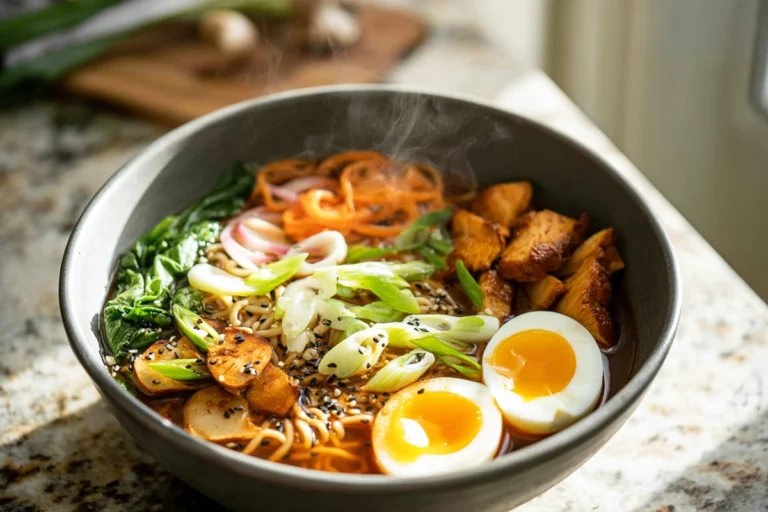
You’ll notice that great ramen always starts with balance. A silky broth gives your spoon something to glide through, and springy noodles keep every bite lively. The tare helps you steer the flavor—soy adds sharpness, miso brings earthy depth, and salt keeps things clean and bright. Toppings like soft-boiled eggs, tender sliced meat, crisp vegetables, and even a drizzle of aromatic oil finish it off with personality. When all of these elements line up, you get the kind of bowl that makes you slow down and savor each bite.
A Brief History and Origin of Ramen
Although ramen is often viewed as a Japanese dish, its roots stretch back to Chinese-style wheat noodles introduced centuries ago. Over time, Japan adopted and transformed these noodles, developing broths and seasonings that eventually shaped the modern styles you see today. After the invention of instant noodles, ramen spread worldwide and became a staple for quick meals. In the United States, it has earned its own spotlight thanks to bustling ramen shops, creative chefs, and home cooks who want comfort without giving up bold flavor.
How Ramen Became a U.S. Favorite
As you try different versions, you might notice that Americans have embraced ramen for its flexibility. Some prefer the nostalgic feel of instant noodles, while others chase down the rich, creamy tonkotsu bowls found in specialty restaurants. Because it fits both weeknight cooking and special occasions, ramen has found a place across all kinds of kitchens.
The Building Blocks: Ingredients and Tools You’ll Need
When you’re ready to make your own bowl at home, it helps to gather simple, reliable ingredients. Although you can make everything from scratch, you don’t always need to spend hours in the kitchen to get a satisfying bowl.
Core Ingredients
Broth
- 6 cups chicken broth
- 1 cup water
- 1 tablespoon soy sauce
- 1 tablespoon miso paste (optional)
- 1 teaspoon sesame oil
Noodles and Tare
- 12 ounces fresh or dried ramen noodles
- 2 tablespoons soy sauce or tamari
- 1 tablespoon mirin
- 1 teaspoon rice vinegar
Toppings
- 2 soft-boiled eggs
- 6 ounces sliced cooked chicken or pork
- 1 cup sliced mushrooms
- 1 cup fresh spinach or bok choy
- 2 chopped green onions

Tools That Make Life Easier
You only need a large pot, a strainer, and a deep bowl. If you want to elevate the experience, a ladle and chopsticks help you feel as if you’re crafting bowls straight from your favorite shop.
Step-by-Step Preparation: How to Make Ramen at Home
You’ll find that making great ramen starts with layering flavors gradually. Although quick versions exist, even small adjustments create a big difference.
Build the Broth
Start by warming your broth over medium heat. Once it simmers, mix in your soy sauce, miso paste, and sesame oil. This base gives you the foundation for depth without needing a long cook time. If you like a richer flavor, you can add sliced garlic, ginger, or a small piece of kombu.

Cook the Noodles Just Right
Noodles can make or break your bowl. Since they cook quickly, keep an eye on them and strain them as soon as they turn springy. Because they soften fast, serve them immediately instead of letting them sit in the pot.

Assemble Your Bowl
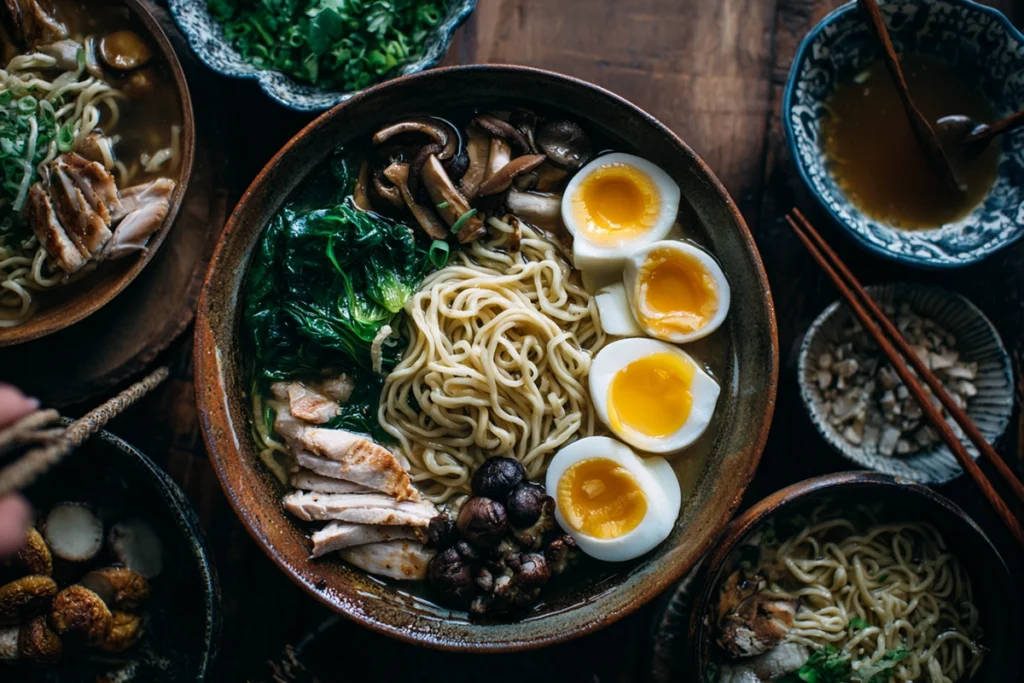
Place your tare at the bottom of the bowl, add the noodles, pour the hot broth over them, and finish with toppings. When you stack everything intentionally, each bite gives you a balanced mix of flavors and textures.
Popular Variations and Regional Styles
As you try different types of ramen, you’ll begin to see how versatile it is. Every region puts its own spin on the dish, and these variations give you endless ideas to try at home.
Classic Japanese Styles
- Shoyu ramen uses a clear soy-based broth.
- Shio ramen feels lighter and slightly salty with a clean finish.
- Miso ramen brings comforting depth and earthy notes.
- Tonkotsu ramen is creamy and rich thanks to long-simmered pork bones.
American and Fusion Variations
You may already enjoy some U.S. favorites such as spicy chicken ramen, vegetable-loaded bowls, or seafood ramen. You can also take instant noodles and elevate them with fresh vegetables, soft eggs, leftover proteins, or your own homemade broth.
Dietary Variations
Everyone deserves a great bowl of ramen, and this dish adapts well to many dietary needs.
Vegan
Swap chicken broth for vegetable broth and use tofu or sautéed mushrooms as your protein. Miso, soy sauce, and sesame oil keep the flavor bold without animal products.
Gluten-Free
Choose gluten-free noodles and use tamari instead of soy sauce. Many broths are naturally gluten-free, but always check labels to be sure.
Low-Calorie
Use a light chicken or vegetable broth, add more leafy greens, and choose lean protein such as grilled chicken breast or steamed shrimp.
Halal
Use halal-certified chicken broth and replace pork-based toppings with chicken, beef, or plant-based options.
Your bowl still feels authentic while fitting your needs, and you get to enjoy the same warmth and satisfaction with changes that are easy to make at home.
You’ve now got everything you need to create your own ramen bowls at home, whether you’re after something rich and hearty or crisp and refreshing. Once you start customizing your broth, noodles, and toppings, each bowl begins to feel like your own signature creation. And as you keep experimenting, you’ll build new flavors, perfect your technique, and maybe even find a version you return to again and again.
Get inspired with more mouthwatering recipes! Follow me on Facebook and Pinterest for new cooking ideas every week.
FAQ
What are the main differences between fresh ramen and instant ramen?
When you use fresh noodles and homemade broth and tare, your bowl of ramen will have richer texture and clearer flavor compared to instant versions. Instant ramen packets often rely on powdered seasonings and quicker-cooking noodles, so they’re convenient but less nuanced. Freshly made ramen elevates the experience with springy noodles, a deep-umami broth, and toppings you can choose yourself.
How long can you store leftover ramen broth and noodles?
If you’ve made homemade ramen broth, you can refrigerate it in an airtight container for up to 3–4 days or freeze it for up to 3 months. Noodles are best stored separately: cook-then-cool them with a light coating of oil, keep them in the fridge for 1–2 days, and reheat in boiling water for about 30 seconds before assembling. Keeping components separate preserves noodle texture and broth clarity.
Can you make ramen suitable for vegan, gluten-free, or low-calorie diets?
Absolutely. For a vegan option, swap animal-based broth for vegetable broth and use tofu or mushrooms instead of pork or chicken. For gluten-free, choose rice or buckwheat noodles and tamari instead of soy sauce. To keep it low-calorie, use a lighter broth (like vegetable or chicken), lean proteins, and load up on veggies. These swaps let you enjoy ramen without losing the satisfaction of a flavorful, well-built bowl.
What type of noodles should you use for authentic ramen texture?
Authentic ramen noodles are typically wheat-based and include kansui (alkaline water), which gives them spring and chew. If you use regular pasta or instant ramen noodles, you’ll miss that signature texture. When buying noodles, look for ones labeled “ramen noodles” or “fresh ramen” and cook them just until al dente—this helps maintain bounce. Experimenting with thickness, wave, and noodle type is part of the fun of crafting your own bowl of ramen.
Print
Ramen
- Total Time: 0 minutes
- Yield: 2 servings 1x
Description
A comforting homemade ramen bowl made with a quick savory broth, springy noodles, and customizable toppings for a flavorful at-home experience.
Ingredients
6 cups chicken broth
1 cup water
1 tablespoon soy sauce
1 tablespoon miso paste
1 teaspoon sesame oil
12 ounces ramen noodles
2 tablespoons soy sauce or tamari
1 tablespoon mirin
1 teaspoon rice vinegar
2 soft-boiled eggs
6 ounces sliced cooked chicken or pork
1 cup sliced mushrooms
1 cup fresh spinach or bok choy
2 chopped green onions
Instructions
Warm the broth in a pot and stir in soy sauce, miso, and sesame oil.
Cook ramen noodles until springy, then drain immediately.
Assemble the bowl by adding tare, noodles, broth, and toppings.
Notes
Store broth and noodles separately for best texture.
- Prep Time: 0 minutes
- Cook Time: 0 minutes
- Category: Soup
- Method: Stovetop
- Cuisine: Japanese
What Are Our Readers Saying?
There are no reviews yet. Be the first one to write one.