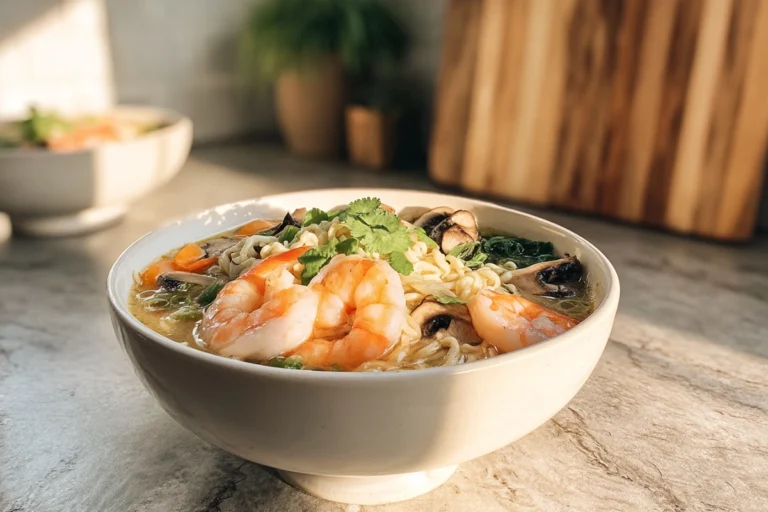
Seafood Mushrooms Stir-Fry That Feels Special but Stays Simple

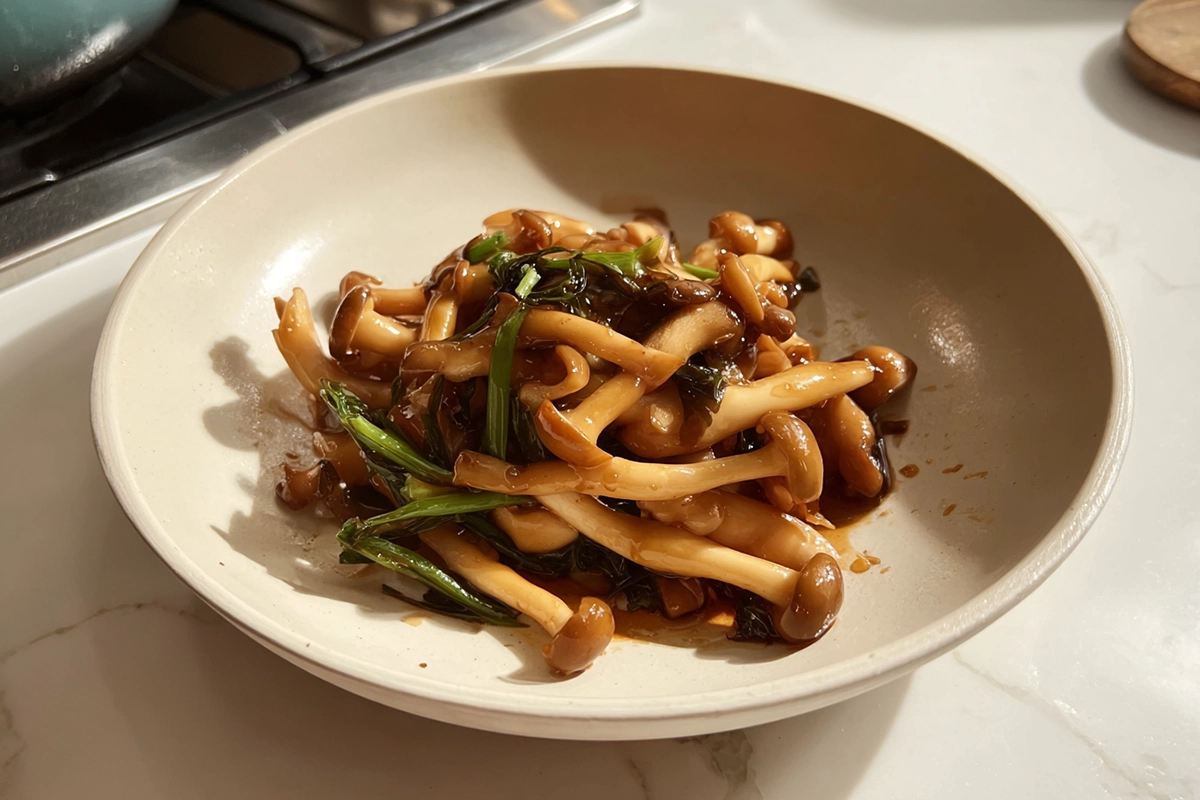
The first time you cook with seafood mushrooms, it almost feels like a quiet little secret. You expect something plain, maybe just another mild mushroom, and then that gentle hint of lobster-like sweetness shows up in the pan. It’s subtle, not flashy, but it makes you pause. This is the kind of ingredient that doesn’t need much help—just a warm pan, a few familiar flavors, and a little patience.
This recipe came together on a night when dinner didn’t need to be complicated, just comforting and interesting enough to feel like a small win. If you’ve ever stood in your kitchen wondering how to let a simple ingredient shine without overthinking it, this one’s for you.
Framing the Dish: A Simple Ingredient That Surprises
This dish is built around trust. You trust that a small package of mushrooms can carry a whole plate, and you trust yourself to stop cooking when they’re just right. Seafood mushrooms are delicate but resilient, and once you understand their personality, they become easy to work with.
This stir-fry is meant to be quick and calm, not rushed. It’s perfect when you want something light yet savory, something that works as an appetizer but doesn’t feel out of place next to a bowl of rice for dinner. Most of all, it’s about letting the mushrooms speak for themselves.
What Are Seafood Mushrooms (And Why Cooks Love Them)
Seafood mushrooms are a smaller, more refined version of enoki mushrooms. They have long white stems, petite caps, and a bundled base that keeps them together until you’re ready to cook. Raw, they’re crisp and almost crunchy. Once cooked, they soften and turn pleasantly chewy.
What makes them special is their flavor. When heated, they develop a mild sweetness with a faint seafood-like note, often compared to shrimp or lobster. It’s not strong or fishy—just enough to add intrigue. That’s why cooks love them. They bring depth without demanding attention.
Ingredients That Let the Mushrooms Lead
You don’t need a long shopping list here. Every ingredient has a clear purpose, and nothing should overpower the mushrooms.
Ingredients
- 1 tablespoon olive oil
- 3 green onions, white parts only, sliced lengthwise
- 1 tablespoon freshly grated ginger
- 5 ounces seafood mushrooms, cleaned and separated
- 2 teaspoons soy sauce
- 1 tablespoon hoisin sauce
These amounts are intentionally modest. The goal is balance, not boldness. If you’ve ever felt a dish tipped too salty or too sweet at the last minute, you’ll appreciate how gently these flavors work together.

Preparing Seafood Mushrooms the Right Way
Before the stove is even on, take a moment with the mushrooms. Rinse them quickly under cool running water. Don’t soak them. They absorb water fast, and excess moisture is the enemy of good texture.
At the base, you’ll notice a tight, fibrous section holding the mushrooms together. Trim that away with a sharp knife, and the mushrooms will naturally separate into individual stems. Lay them out on a clean towel and gently pat them dry. This small step makes a big difference once they hit the pan.
Cooking Method Overview: Stir-Fry Without Stress
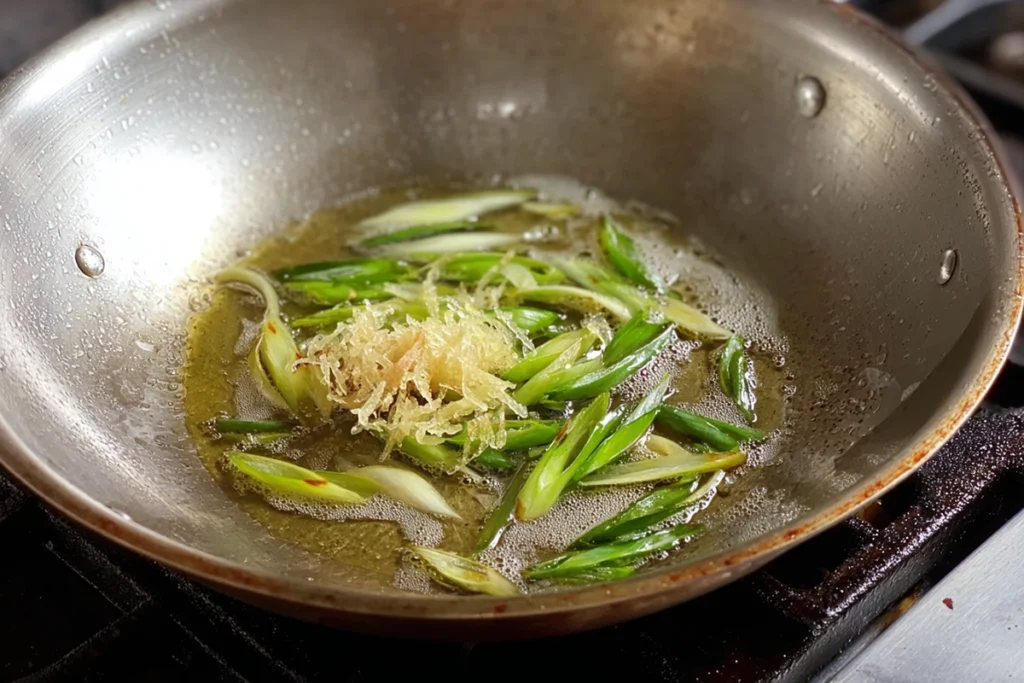
Start by heating a skillet or shallow wok over medium heat. Once the pan feels warm, add the olive oil and let it coat the surface evenly. You’re not looking for smoke—just a gentle shimmer that tells you the oil is ready.
Add the sliced green onions and grated ginger. Stir them slowly, letting their aroma bloom. This should take less than a minute. When the ginger smells fragrant and the onions soften slightly, you’re right where you want to be.
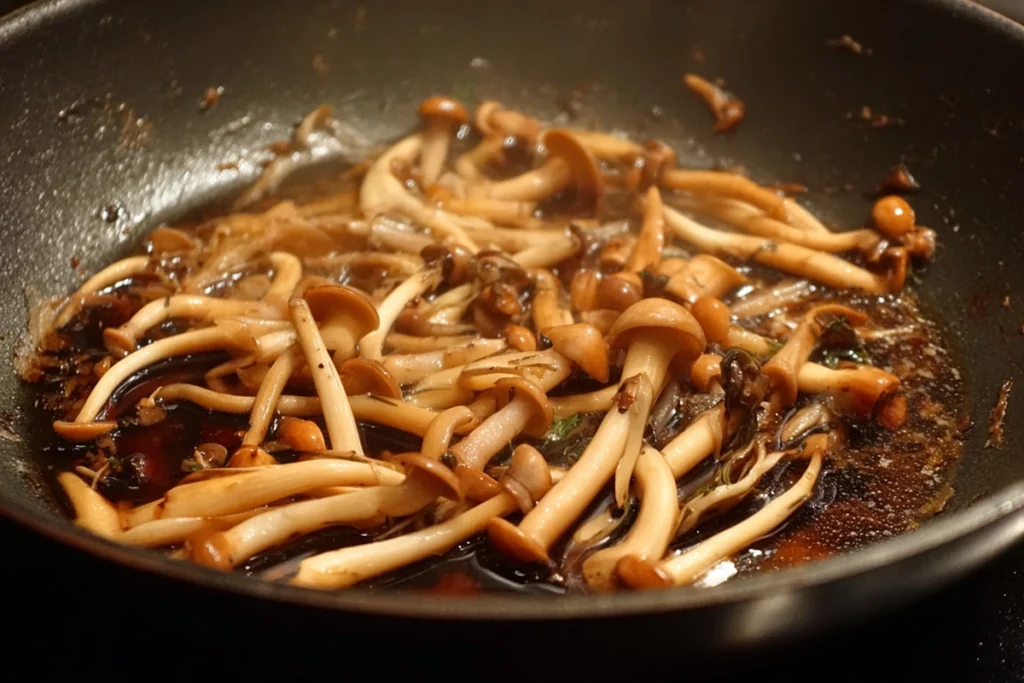
Now add the seafood mushrooms to the pan. Spread them out so they have contact with the surface. At first, they’ll look stiff and pale. As they cook, they relax, bend, and take on a slight sheen. Stir occasionally, but don’t fuss with them too much. Give them space to cook evenly.
Timing, Texture, and Doneness Cues (Where Most People Struggle)
This is where many cooks second-guess themselves. Seafood mushrooms change slowly, and that can make you wonder if anything is happening. Watch the stems. When they go from firm to flexible and develop a gentle chew, they’re nearly done.
You’ll notice a small amount of moisture releasing into the pan. That’s normal. What you don’t want is pooling liquid. If that happens, your heat may be too low. Turn it up slightly and let the moisture cook off.
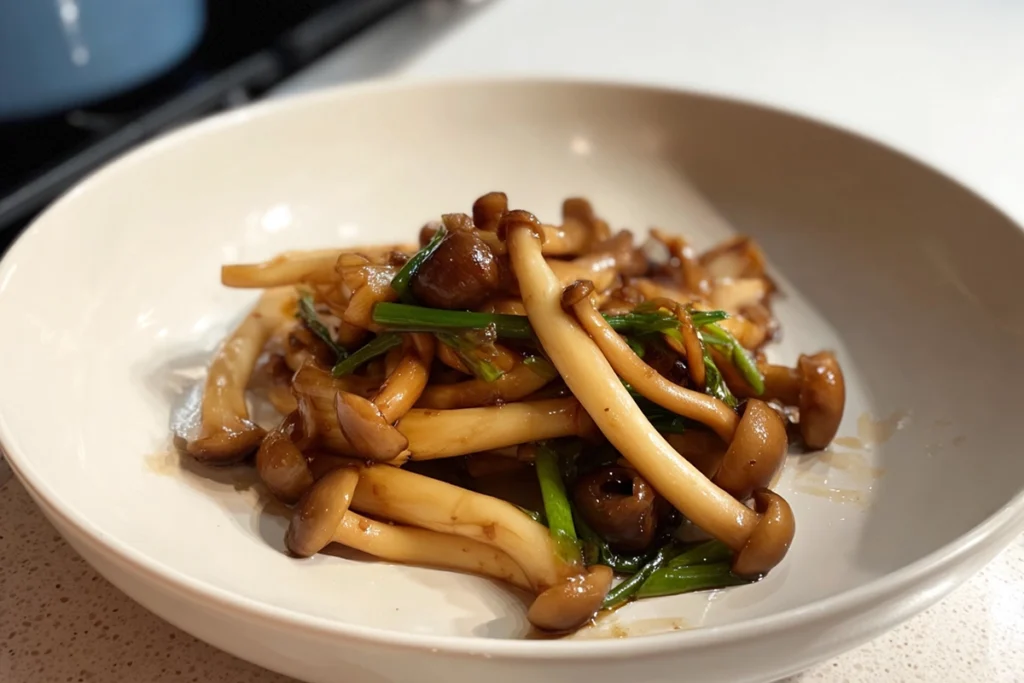
Add the soy sauce and hoisin sauce near the end, stirring just until the mushrooms are evenly coated. The sauces should glaze the mushrooms, not drown them. Once the pan looks glossy and the mushrooms feel tender but still springy, it’s time to stop.
Flavor Balance and Common Mistakes to Avoid
The most common mistake with seafood mushroom recipes is over-seasoning. Because the mushrooms are mild, it’s tempting to keep adding sauce. Resist that urge. Too much sauce masks the delicate flavor you worked to preserve.
Another misstep is cooking too long. Seafood mushrooms won’t turn mushy like some varieties, but they can become tough if overdone. Trust your senses. If they look right and feel right, they are right.
Variations That Actually Make Sense
This recipe is a base you can build on thoughtfully. If you want to turn it into a light main dish, add thinly sliced chicken or shrimp, cooking it first and setting it aside before starting the mushrooms. Return it to the pan at the end just to warm through.
For a different flavor direction, a small splash of sesame oil at the finish adds warmth without overwhelming. A pinch of crushed red pepper can bring gentle heat if that’s your style. The key is restraint. Let the mushrooms remain the star.
Serving Ideas for Real-Life Meals
Serve these mushrooms warm, straight from the pan. They work beautifully as a starter, especially alongside simple dishes that won’t compete for attention.
They’re also lovely spooned over steamed white rice or tucked next to sautéed greens. On nights when you’re cooking just for yourself, this dish feels complete all on its own. It’s proof that easy seafood mushroom meals don’t need to be heavy to be satisfying.
Storage, Reheating, and Make-Ahead Notes
Seafood mushrooms are best enjoyed fresh, but leftovers can be stored in an airtight container in the refrigerator for up to two days. Reheat gently in a skillet over medium heat, just until warmed through.
Avoid microwaving if you can. It tends to toughen the mushrooms and dull their flavor. This isn’t a recipe meant for long-term storage, and that’s part of its charm.
Why This Recipe Works in a Home Kitchen
Some recipes win you over by being impressive. Others do it by being reliable. This one earns its place by being both simple and thoughtful. It respects the ingredient, the cook, and the moment you’re cooking in.
When you make seafood mushrooms this way, you’re reminded that good food doesn’t have to shout. Sometimes it just needs a quiet pan, familiar hands, and the confidence to stop at just the right moment. That’s how dishes become keepers, passed along not because they’re trendy, but because they feel right every time you make them.
FAQ
What do seafood mushrooms taste like after cooking?
Seafood mushrooms have a mild, slightly sweet flavor that many people compare to shrimp or lobster once they’re cooked. The taste is gentle, not fishy, and works best when you don’t overload them with sauce or seasoning.
Are seafood mushrooms the same as enoki mushrooms?
They’re very closely related and look almost identical, but seafood mushrooms are usually shorter and a bit sturdier. They also tend to have a more pronounced savory-sweet flavor when cooked compared to standard enoki mushrooms.
Why did my seafood mushrooms turn chewy or tough?
Seafood mushrooms naturally become chewier as they cook, but they can turn tough if left on the heat too long. It’s best to cook them just until they soften and bend easily, then remove them from the pan while they still have a little spring.
Can I add real seafood to this recipe?
Yes, you can add shrimp or scallops if you’d like to make the dish more filling. Cook the seafood separately first, then return it to the pan at the end so it doesn’t overcook and overpower the mushrooms.
Print
Seafood Mushrooms Stir-Fry
- Total Time: 18 minutes
- Yield: 2 servings 1x
- Diet: Vegetarian
Description
A simple seafood mushrooms stir-fry with a gentle savory-sweet flavor, cooked quickly with ginger, green onions, and light sauces for an easy home-style dish.
Ingredients
- 5 ounces seafood mushrooms, cleaned and separated
- 1 tablespoon olive oil
- 3 green onions, white parts only, sliced lengthwise
- 1 tablespoon fresh ginger, grated
- 2 teaspoons soy sauce
- 1 tablespoon hoisin sauce
Instructions
- Heat a skillet over medium heat and add the olive oil, allowing it to warm gently.
- Add the sliced green onions and grated ginger, stirring until fragrant and slightly softened.
- Add the seafood mushrooms to the pan and spread them out so they cook evenly.
- Cook the mushrooms until they soften and bend easily, stirring occasionally.
- Add the soy sauce and hoisin sauce and stir just until the mushrooms are lightly glazed.
- Remove from heat and serve warm.
Notes
- Rinse the mushrooms quickly and pat dry to avoid excess moisture.
- Do not overcook, as seafood mushrooms can become tough if left on the heat too long.
- This dish is best enjoyed immediately while the mushrooms are tender and glossy.
- Prep Time: 10 minutes
- Cook Time: 8 minutes
- Category: Appetizer
- Method: Stir-Fry
- Cuisine: Asian-Inspired
Nutrition
- Serving Size: 1/2 recipe
- Calories: 120
- Sugar: 4 g
- Sodium: 520 mg
- Fat: 7 g
- Saturated Fat: 1 g
- Unsaturated Fat: 6 g
- Trans Fat: 0 g
- Carbohydrates: 11 g
- Fiber: 2 g
- Protein: 4 g
- Cholesterol: 0 mg