Yeast-Risen Desserts That Always Impress: Soft, Fluffy, and Surprisingly Simple


There’s something comforting about working with dough that slowly comes to life in your kitchen. When I first learned how to make a yeast risen dessert, I remember watching the dough expand under a clean towel as if it had its own quiet personality. You might have had that moment too—when you lift the towel and feel a small rush of pride. That gentle rise is what sets these treats apart. Within the first bite, you taste a softness and depth of flavor that no shortcut ingredient can match. If you love pastries with real character, you’re exactly where you need to be because a yeast risen dessert can easily become your go-to sweet for holidays, brunches, or lazy weekend baking.
Table of Contents
What Exactly Is a Yeast-Risen Dessert?
A yeast risen dessert is any sweet treat that relies on yeast to lift and lighten the dough. Instead of using baking powder, yeast ferments the sugars in your dough and creates air bubbles, giving you that cloud-like texture you often find in sweet rolls, brioche loaves, or pull-apart breads. You end up with a dessert that feels pillowy inside, slightly chewy on the crust, and rich in flavor because the dough had time to develop during proofing.
How Yeast Works in Sweet Dough
Yeast consumes sugar and releases carbon dioxide, which gently stretches the dough from the inside. While the science sounds technical, you’ll notice the results right away. The dough becomes elastic, smooth, and noticeably airy. Using a sweet, enriched dough with butter, eggs, and sugar slows the rising process slightly, but that longer proof creates deeper flavor.
Why These Desserts Matter
If you’ve ever tasted a warm cinnamon roll or a slice of chocolate babka, you understand the magic. These desserts feel nostalgic yet special enough for gatherings. Plus, once you learn the basics, you can create countless variations without much extra effort.
Key Ingredients and Dough Fundamentals
Although every recipe has its own personality, most yeast-based desserts start with a shared set of ingredients. Learning what each one does helps you avoid frustration and gives you confidence to adjust flavors or textures as you go.
Core Ingredients
Flour
All-purpose flour works for most sweet doughs. Bread flour offers more structure because it contains more protein, but it can make your dessert chewier. Choose based on the texture you want.
Yeast
You can use active dry or instant yeast. Instant yeast mixes directly into the dry ingredients, while active dry does better when dissolved in warm liquid first.
Sugar
Sugar sweetens the dough but also feeds the yeast, helping it rise. Sweet doughs often rise slower because sugar competes with yeast for moisture.
Butter
Butter adds tenderness and flavor. Softened butter blends easily, but melted butter can make the dough slightly looser.
Eggs
Eggs enrich the dough and add structure. They make the final dessert richer and softer.
Salt
Salt strengthens gluten and balances sweetness. Without it, your dough rises too quickly and tastes flat.

Mixing and Proofing
Once your ingredients come together, kneading builds elasticity. You can do this by hand or with a mixer, but don’t rush it. You’ll know the dough is ready when it stretches without tearing. After kneading, the dough rests for its first proof. You’re looking for it to double in size, which usually takes one to two hours depending on temperature.
Shaping, Resting, and Baking
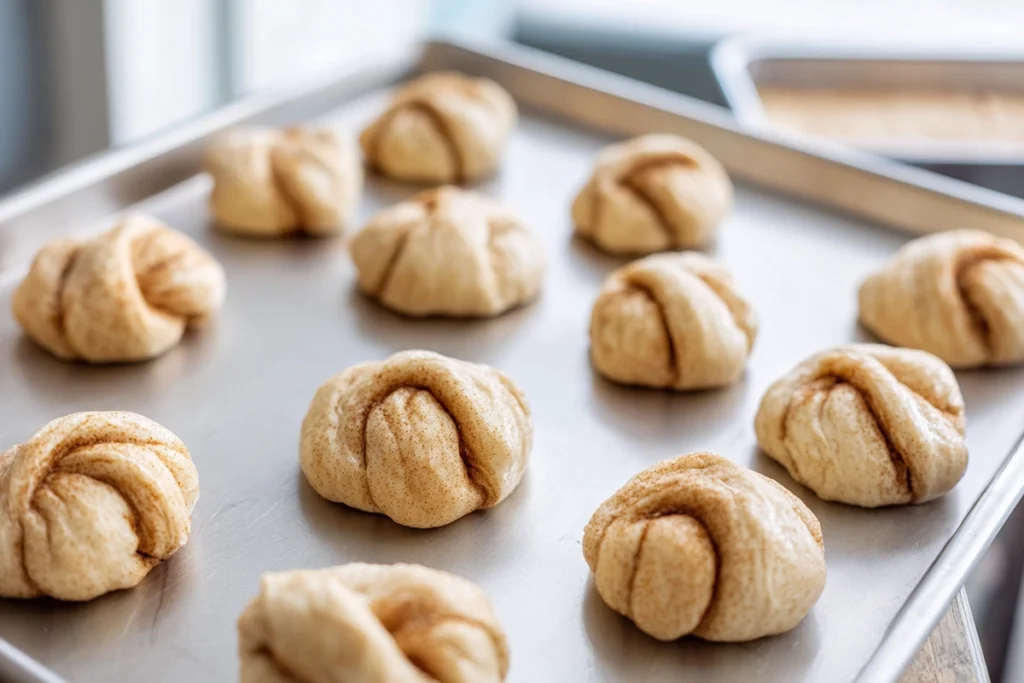
After the first rise, shape your dough into rolls, braids, or filled spirals. A second rise gives your dessert its final lift. Bake until golden, soft, and fragrant. As tempting as it is to dive in, give it a few minutes to cool so the crumb sets properly.
Step-by-Step Preparation of a Classic Yeast-Risen Dessert
To give you a clear path, here’s the general flow you’ll follow for most sweet yeast dough recipes. Once you get this rhythm down, you’ll feel comfortable making everything from sticky buns to sweet braided bread.
Preparing the Dough
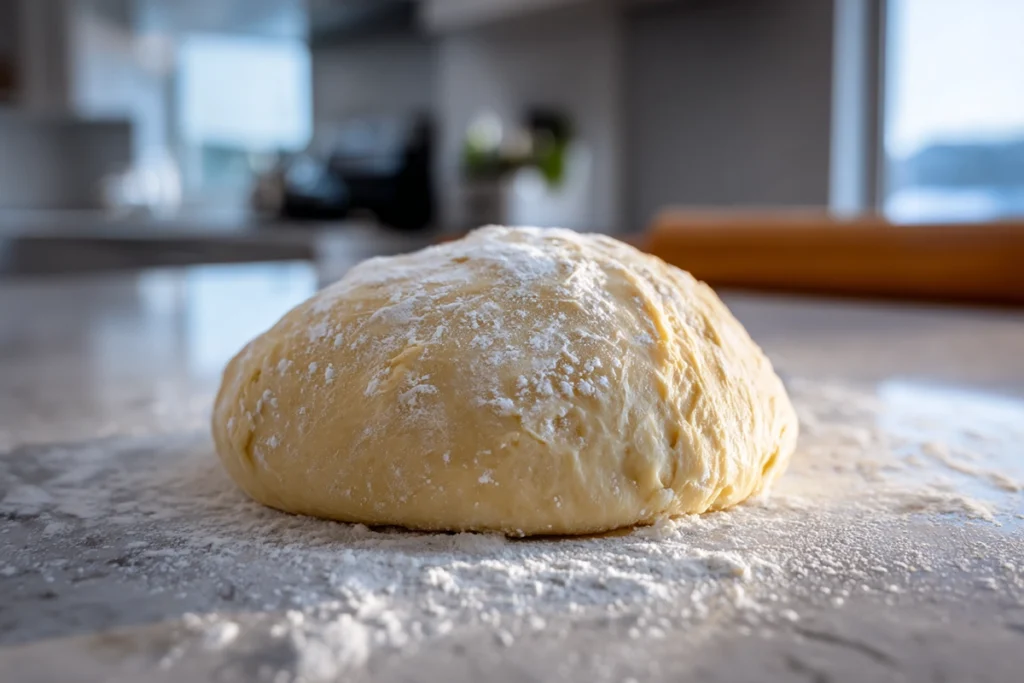
Start by warming your liquid—usually milk or a milk-water blend—just enough so it feels warm but not hot. Combine it with yeast and a touch of sugar until it becomes foamy. Mix this with flour, butter, eggs, and salt to form a soft dough.
Kneading and First Rise
Knead until the dough feels supple and smooth. When you press it lightly with a fingertip, it should bounce back gently. Place it in a greased bowl, cover, and let it rise in a warm spot.
Filling, Shaping, and Proofing
Once the dough doubles in size, roll it out if your dessert calls for a filling, or shape it into ropes, balls, or swirls. Let it rise again before baking. This second rise is what creates that beautiful light interior.
Baking and Cooling
Bake until the top turns golden and the aroma fills your kitchen. Let it cool on a rack, though if you sneak a warm bite, no one will blame you.
Flavor Twists and Popular Variations of Yeast-Risen Desserts
Sweet yeast dough is incredibly flexible, which is why you never run out of ideas.
Classic American Favorites
Cinnamon rolls are a staple, especially when you drizzle them with a smooth cream cheese glaze. Sticky buns bring in a caramel-like topping with nuts. If you love buttery layers, try a simple brioche or a braided honey-glazed loaf.
Inspired Global Classics
You can take inspiration from desserts like chocolate-swirled babka, dulce-de-leche-filled rolls, or fruit-studded coffee cakes. Once you learn the dough, flavor combinations are endless.
Seasonal Variations
Try a pumpkin-spiced swirl during fall or a lemon-glazed loaf in spring. Sweet dough adapts easily to seasonal ingredients.
Dietary Variations
If you or someone you’re baking for has dietary restrictions, you can still enjoy a yeast risen dessert with a few thoughtful adjustments.
Vegan
Swap dairy milk for oat or almond milk, and replace butter with vegan margarine. Use a neutral-flavored oil if you prefer a lighter texture. For eggs, try applesauce or powdered egg replacer.
Gluten-Free
Use a gluten-free flour blend labeled for bread or yeast baking. These blends often contain starches that help with structure. Add a teaspoon of psyllium husk or xanthan gum to give the dough elasticity.
Low-Calorie
Reduce the sugar slightly, and choose a lighter filling such as fruit puree instead of heavy cream cheese or caramel. A small reduction in butter still keeps the dough tender.
Halal
Most sweet dough recipes are naturally Halal. Just ensure that your yeast, butter, and flavorings are Halal-certified.
Storage, Reheating, and Serving Tips
You can store most yeast-raised desserts at room temperature for a couple of days. Wrap them well to keep the dough from drying out. For longer storage, freeze the baked dessert, then thaw and warm in the oven to bring back its softness. If you prefer a freshly baked taste, freeze the shaped dough before the second rise and thaw overnight in the fridge.
Reheating in the oven at a low temperature helps revive the texture without making it rubbery. Serve your sweet rolls, braids, or loaves warm with a glaze, icing, or a simple pat of butter.

When you make or share a yeast risen dessert, you offer more than a sweet bite—you offer comfort, tradition, and a little joy wrapped inside soft layers. Once you see how approachable the process can be, you’ll probably return to this style of baking again and again.
FAQ
How long does it take a yeast dough to rise for a dessert?
Most sweet doughs take one to two hours to rise, depending on room temperature. Because a yeast risen dessert contains sugar, butter, and eggs, the rise may be slightly slower than basic bread dough. You’ll know it’s ready when the dough doubles in size and feels airy when you press it gently.
Why didn’t my yeast-risen dessert rise properly?
Your dough might not rise if the yeast was expired, the liquid was too hot, or the environment was too cool. Sweet, enriched doughs need a warm spot and a bit of patience. If the dough still feels dense after an hour, give it more time and check that the yeast was active before mixing.
Can I make yeast-risen desserts ahead of time?
Yes. You can prepare the dough the night before and let it rise slowly in the refrigerator. The cold temperature slows fermentation and develops more flavor. When you’re ready to bake, bring the dough back to room temperature, shape it, and allow it to rise again before baking.
Can I freeze yeast-risen desserts?
You can freeze the dough after shaping or freeze the baked dessert. Shaped dough should thaw overnight in the fridge and rise slightly before baking. Baked yeast risen dessert recipes freeze well for up to three months when wrapped tightly.
Get inspired with more mouthwatering recipes! Follow me on Facebook, Pinterest, and subscribe to YouTube for new cooking ideas every week.
Print
Yeast-Risen Desserts That Always Impress
- Total Time: 45 minutes
- Yield: 6 servings 1x
Description
A yeast risen dessert is a sweet treat made with dough that rises through yeast fermentation, creating a soft, airy texture with rich flavor. This type of dessert includes sweet rolls, braided loaves, babka, and similar pastries that rely on slow proofing for tenderness.
Ingredients
- Flour
- Sugar
- Butter
- Eggs
- Active dry yeast
- Milk
- Salt
- Vanilla
- Cinnamon
Instructions
- Warm the liquid and combine with yeast and sugar until foamy.
- Mix the yeast mixture with flour, butter, eggs, and salt to form a soft dough.
- Knead until smooth and elastic.
- Let the dough rise until doubled in size.
- Shape the dough into rolls, twists, or filled spirals.
- Allow the dough to rise again before baking.
- Bake until golden and fragrant, then cool slightly before serving.
Notes
- Use room temperature ingredients for best rise.
- Allow extra proofing time for enriched doughs.
- Freeze shaped dough before final rise for make-ahead convenience.
- Prep Time: 20 minutes
- Cook Time: 25 minutes
- Category: Dessert
- Method: Baking
- Cuisine: American
Nutrition
- Serving Size: 1 piece
- Calories: 0
- Sugar: 0
- Sodium: 0
- Fat: 0
- Saturated Fat: 0
- Unsaturated Fat: 0
- Trans Fat: 0
- Carbohydrates: 0
- Fiber: 0
- Protein: 0
- Cholesterol: 0