Nectarine Frozen Yogurt That Tastes Like Peak Summer

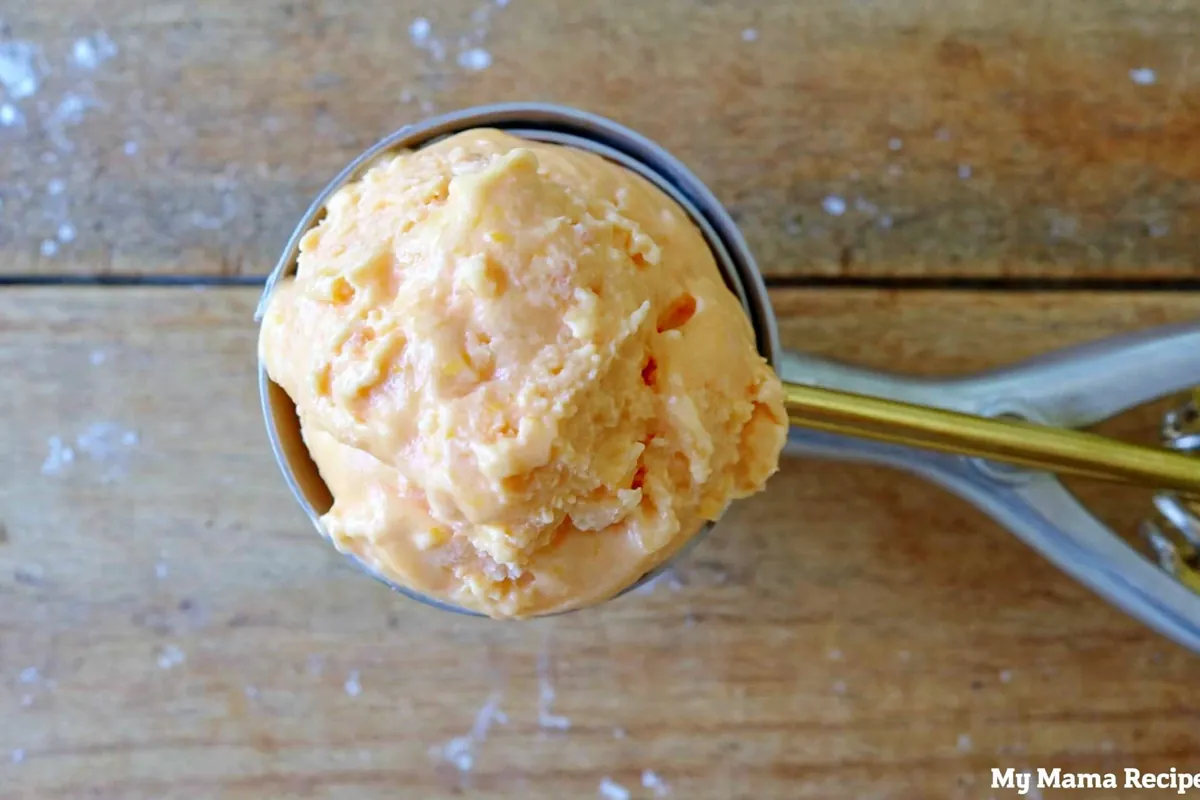
Nectarine frozen yogurt is the kind of dessert I wait all year to make. Once the fruit gets soft and fragrant, you barely need to do anything to it. The nectarines carry most of the flavor on their own, and the yogurt gives it that cold, creamy texture without feeling too heavy.
Mama always kept summer desserts simple. No baking. No fuss. Just good fruit and a little patience while things chilled. In this version, the nectarines stay front and center, and the tart yogurt keeps the sweetness balanced instead of sugary.
Why Nectarine Frozen Yogurt Works So Well in Summer
Cold desserts hit differently when the kitchen already feels warm by noon. This one especially. Nectarines have a softer, almost floral sweetness once they’re fully ripe, and freezing them with yogurt keeps that flavor bright instead of muted.
I also like that it doesn’t need much prep. You puree the fruit, chill the mixture, and let the machine handle the rest in about 15 minutes. That’s quicker than most homemade ice creams I’ve made over the years.
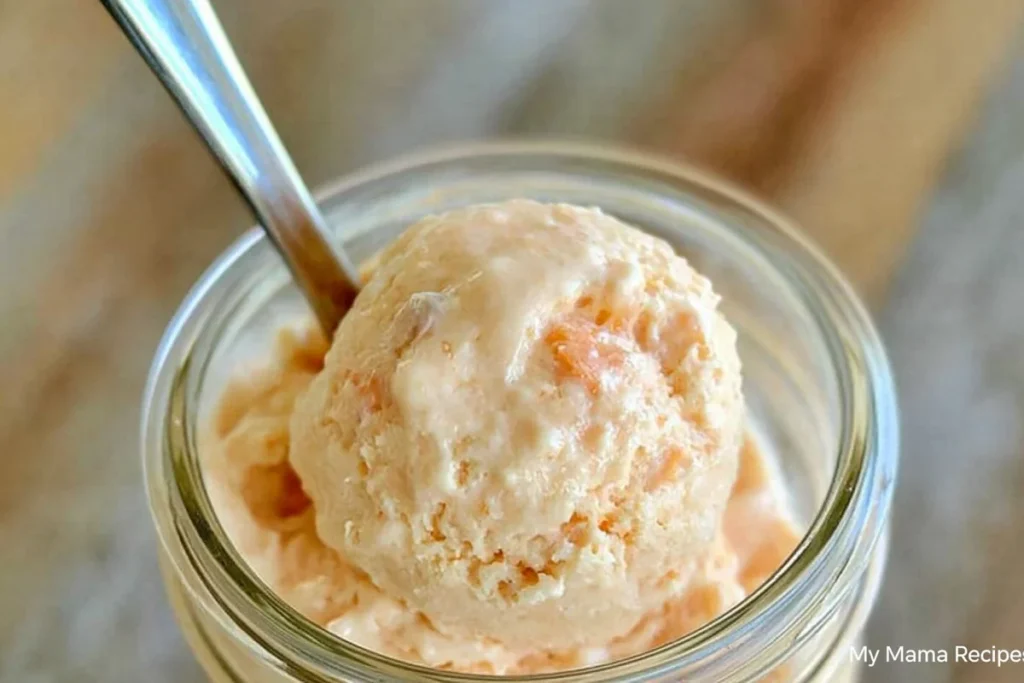
The texture lands somewhere between soft serve and sorbet right after churning. If you freeze it longer, it firms up enough to scoop cleanly. Both versions work. Depends what kind of evening you’re having.
The Simple Ingredients Behind This Nectarine Frozen Yogurt
You only need a few ingredients here, which means each one matters more.
- 4 ripe nectarines
- 1 cup plain Greek yogurt
- Juice of 1/2 lemon
That’s it. No long grocery list. Worth keeping simple.
Greek yogurt works better than thinner yogurt because it freezes with a creamier texture. If the yogurt has too much water, the frozen yogurt tends to harden unevenly and form little ice crystals around the edges after a day or two in the freezer.
The lemon juice does more than brighten the flavor. It keeps the fruit tasting fresh after freezing, especially if your nectarines are very sweet. I usually add the juice before blending so it mixes evenly through the puree instead of sitting sharp in one spot.
Choosing Ripe Nectarines for Better Flavor and Texture
A hard nectarine won’t give you much flavor once frozen. You want fruit that smells sweet near the stem and gives slightly when pressed. Not mushy. Just soft enough that your thumb leaves a little indentation.
I leave the skins on sometimes, especially if the nectarines are thin-skinned and deeply colored. The flavor gets a little richer that way. But there’s a catch. The skins can leave tiny chewy bits in the finished yogurt if the puree isn’t smooth enough.
That’s why I strain the puree through a fine mesh strainer after blending. It takes maybe two extra minutes, but the texture comes out smoother and colder on the tongue. Especially important if you’re serving this straight from the machine while it’s still soft.
Pale, underripe nectarines usually freeze bland. Better to wait another day on the counter. This recipe rewards patience.
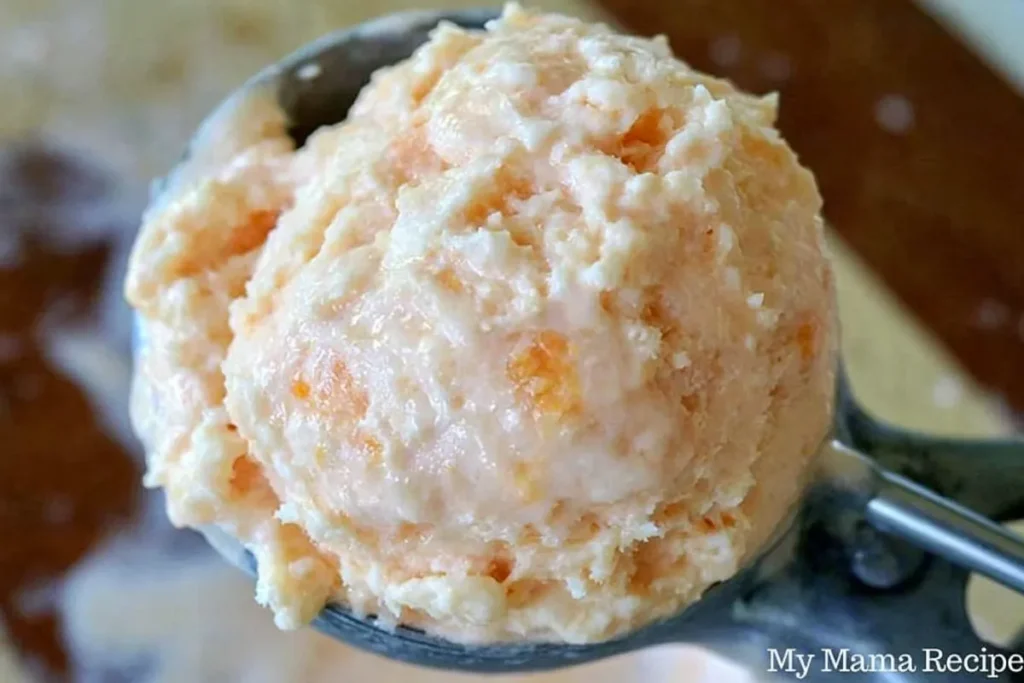
Blending the Nectarines and Yogurt the Right Way
Start by cutting the nectarines into chunks and adding them to the food processor with the lemon juice. Blend until completely smooth. Let it run a little longer than you think you need — about 45 seconds to 1 minute usually does it.
If you kept the skins on, pour the puree through a mesh strainer. Don’t force every last bit through. Once the thicker pulp is mostly smooth, stop there. Pressing too hard can push fibrous skin pieces into the mixture again.
After straining, you should end up with about 2 cups of nectarine puree. That amount keeps the yogurt balanced so the fruit still tastes strong without turning icy.
Now stir in the Greek yogurt. I prefer mixing it by hand instead of blending again. It keeps the yogurt lighter and prevents the mixture from getting overly airy before freezing.
Chill the mixture before churning. Really chill it. At least 1 to 2 hours in the refrigerator helps the frozen yogurt set faster in the machine and keeps the texture smoother. Warm mixtures tend to freeze unevenly, and you’ll notice it right away in the first scoop.
It’s not complicated, but you do have to pay attention here.
Freezing Nectarine Frozen Yogurt Without Icy Texture
Once the mixture is cold, pour it into your ice cream machine and process it according to the manufacturer’s instructions. In mine, it thickens in about 15 minutes. You’ll know it’s ready when the paddle starts dragging slightly and the yogurt looks like soft serve.
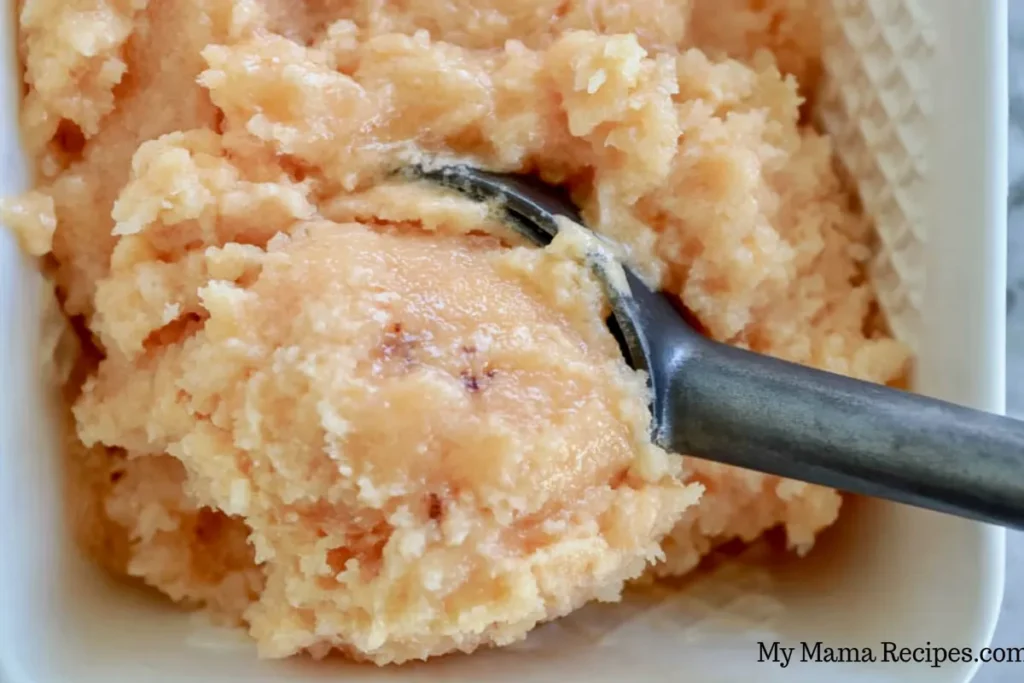
Don’t wait for it to turn rock solid in the machine. It won’t. Frozen yogurt naturally stays softer during churning because there’s less fat than traditional ice cream.
You can eat it immediately for a softer texture, which honestly is my favorite way. The nectarine flavor tastes brighter then.
If you want firmer scoops, transfer it to a freezer-safe container and freeze for another 2 to 3 hours. I usually press a piece of parchment or plastic wrap directly onto the surface first. That small step helps reduce icy patches across the top.
One thing I learned the hard way: deep freezers can make frozen yogurt very hard overnight. Let it sit on the counter for about 10 minutes before scooping the next day. The texture relaxes and becomes creamy again instead of brittle.
Serving Nectarine Frozen Yogurt While It’s at Its Best
Right after churning, this nectarine frozen yogurt has the smoothest texture. Soft, cold, and easy to scoop with almost no effort. I like serving it in small bowls while it’s still loose enough to curl onto the spoon.
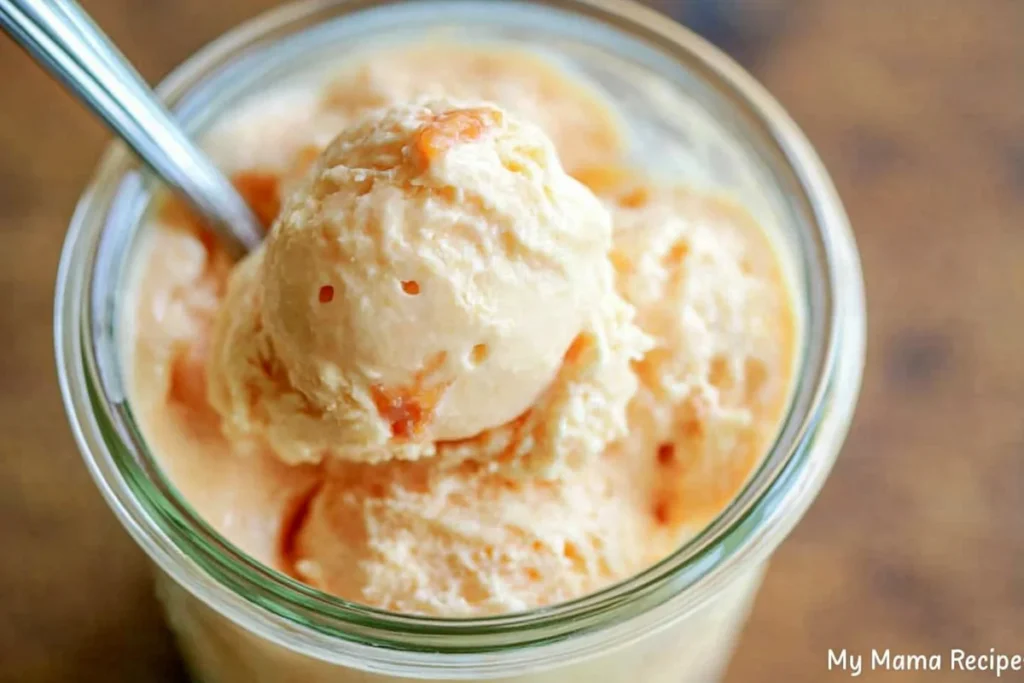
Fresh nectarine slices work well on top, especially if they’re chilled first. Sometimes I scatter a few toasted almonds over it for crunch. Not too many though. The fruit should stay the focus.
Mama used to freeze extra fruit just for desserts like this. A few frozen raspberry pieces stirred into the bowl at the last minute taste especially good against the creamy yogurt.
Small Tips That Make a Big Difference
The ripeness of the nectarines changes everything here. Fruit that’s deeply fragrant gives you fuller flavor without needing extra sweeteners. If the nectarines still feel firm near the pit, give them another day on the counter before blending.
Cold ingredients matter more than people think. I even chill the food processor bowl sometimes during the hottest part of summer. The colder the base starts, the smoother it freezes later.
One more thing. Don’t overfill your ice cream machine. Frozen yogurt expands as it churns, and crowding the bowl can leave the center slushy while the edges freeze too hard. Leaving a little space gives the paddle room to move air through the mixture evenly.
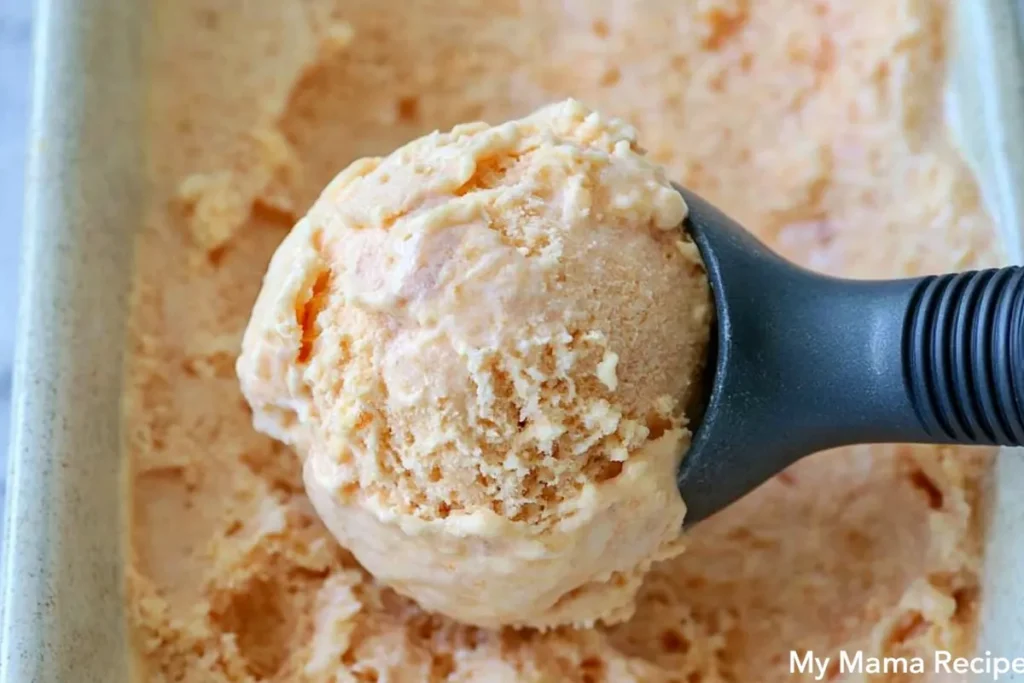
And if the frozen yogurt turns firmer than expected after a night in the freezer, don’t microwave it. Just let it sit quietly for a few minutes. It softens naturally without melting unevenly around the edges.
Easy Ways to Change the Flavor
Once you’ve made this version once, it’s easy to adjust depending on what fruit is sitting on the counter.
Peaches blend almost the same way as nectarines and give a slightly softer sweetness. I’ve also mixed in a handful of raspberries before churning for a sharper flavor that cuts through the yogurt nicely.
For something a little deeper, try roasting the nectarines at 400°F for about 15 minutes before pureeing them. The edges caramelize slightly, and the frozen yogurt ends up tasting warmer and richer even though it’s cold.
Sometimes I stir in crushed pistachios right before freezing the final container. They soften a little overnight and add texture without overwhelming the fruit.
This is one of those recipes that changes naturally with the season. Mama cooked that way too. Whatever was ripe usually ended up on the table.
How to Store Leftovers Without Losing Creaminess
Homemade frozen yogurt freezes harder than store-bought versions because it doesn’t contain stabilizers. That’s normal.
Store it in a shallow airtight container rather than a deep one. The flatter shape freezes more evenly and makes scooping easier later. I also like pressing parchment paper directly onto the surface before sealing the lid. It helps prevent frost from building up across the top layer.
For the best texture, try to finish it within 4 to 5 days. The nectarine flavor stays freshest then, and the yogurt keeps its creamy consistency better.
A Cold Treat Worth Keeping in the Freezer
Nectarine frozen yogurt doesn’t ask for much. Just ripe fruit, good yogurt, and a little freezer space. The payoff is a bowl that tastes clean, cold, and deeply summery without feeling heavy afterward.
Pull up a chair. Mama always made extra.
Nectarine Frozen Yogurt
Ingredients
Method
- Puree the nectarines and lemon juice in a food processor until smooth.
- If using nectarine skins, strain the puree through a fine mesh strainer.
- Measure out about 2 cups of nectarine puree.
- Mix the puree with the Greek yogurt until fully combined.
- Chill the mixture in the refrigerator for 1 to 2 hours.
- Pour into an ice cream machine and process according to the manufacturer’s instructions, about 15 minutes.
- Serve immediately for a soft texture or freeze for a firmer consistency.
Notes
- Very ripe nectarines give the best flavor and texture.
- Chilling the mixture before churning helps create a smoother frozen yogurt.
- If frozen overnight, let the yogurt sit at room temperature for about 10 minutes before scooping.
- Store leftovers in a shallow airtight container with parchment pressed onto the surface.