Protein Loaded Breakfast Hash Browns That Actually Keep You Full

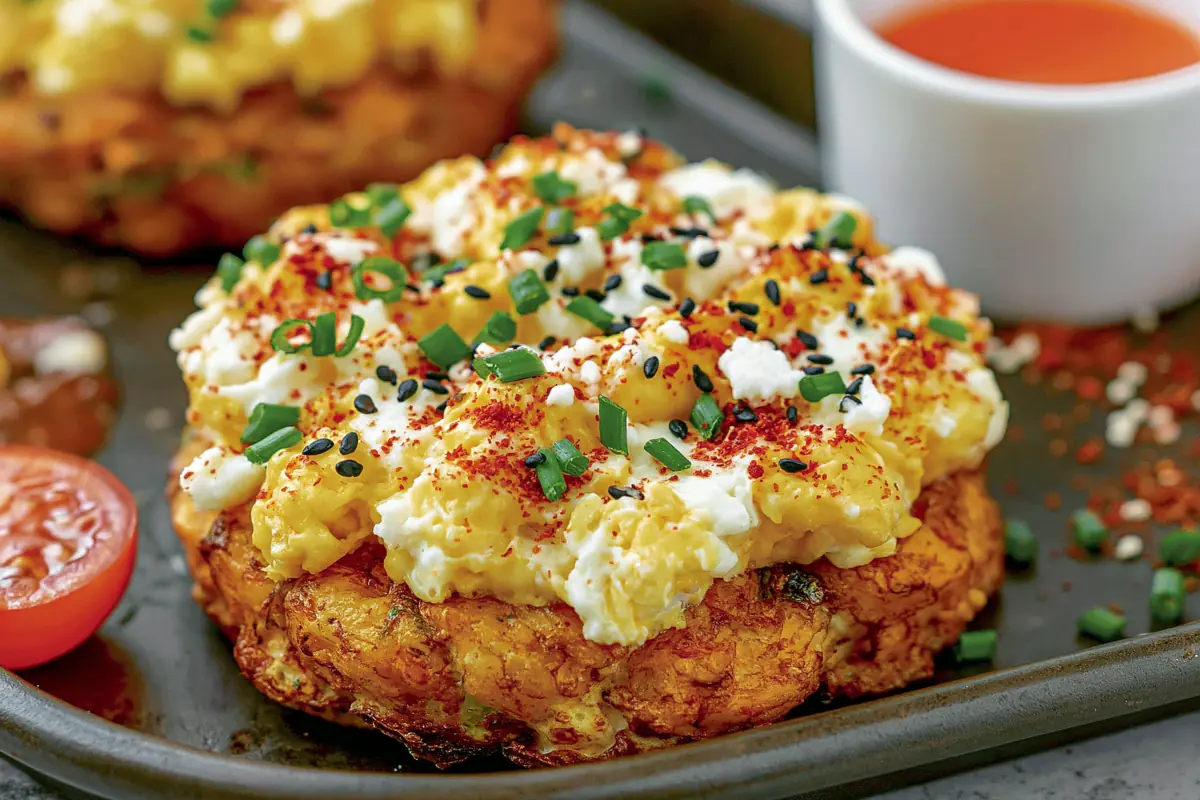
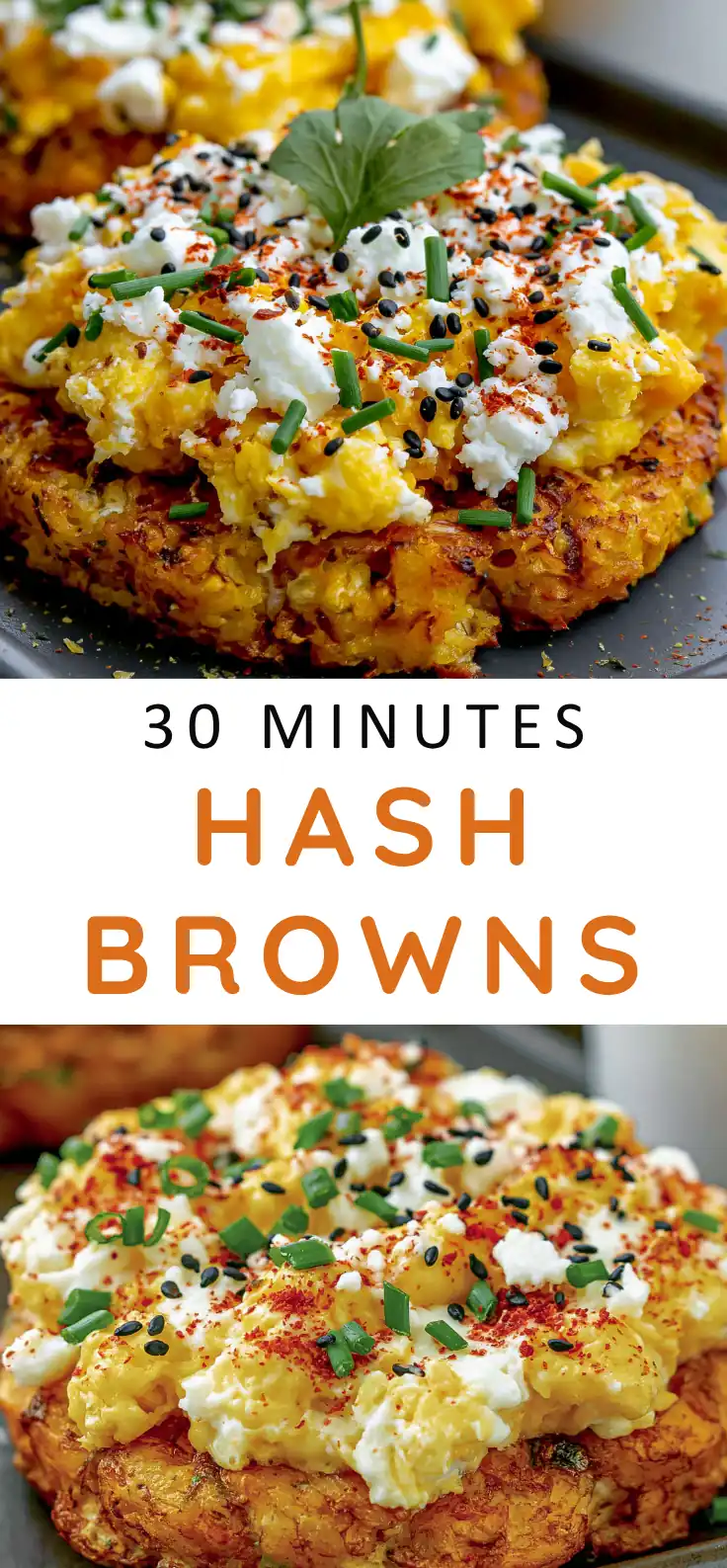
Golden edges, melted cheese, and a center that stays soft instead of turning dry — that’s what these Protein Loaded Breakfast Hash Browns are built for. Regular hash browns usually lean heavily on potatoes, but this version turns them into something that holds you through the morning.
Cooking everything in one skillet keeps cleanup low, and the mix of eggs, egg whites, Greek yogurt, and vegetables gives the dish more staying power without making breakfast feel heavy.
From Diner Hash Browns to a Protein-Packed Breakfast Skillet
Hash browns started as the kind of breakfast side that showed up next to eggs and toast, mostly there for texture. Crispy, satisfying, but rarely the part of the meal doing the heavy lifting.
This version shifts that balance. The potatoes still matter — they create the structure and those crisp edges — but the protein comes from whole eggs, egg whites, Greek yogurt, and cheese layered into the mixture itself. Instead of serving hash browns beside breakfast, breakfast gets folded into the hash browns.
One thing I like here is that it still feels familiar. No unusual ingredients. Just a few small changes that make the skillet work harder.
What Makes These Protein Loaded Breakfast Hash Browns Worth Making
Morning meals tend to fall into two categories: fast but forgettable, or filling and slow to prepare. This lands somewhere in the middle.
Everything mixes in one bowl and cooks in about 10–12 minutes once it hits the pan. You don’t need separate pans for eggs and potatoes, and there’s enough protein built in that you’re not reaching for another snack an hour later.
The vegetables also pull more weight than decoration. Red pepper adds sweetness, green onions cut through the richness, and spinach softens into the mixture without making it watery.
Another small win: it scales easily. Double it for brunch or keep the original batch for four portions during the week.
Tools, Ingredients, and Easy Swaps for Better Results
A cast iron skillet makes the biggest difference here because it holds heat long enough to crisp the potatoes before the eggs overcook. If you don’t have one, use a heavy nonstick skillet and give it an extra minute to preheat.
You’ll also want:
- A large mixing bowl
- A box grater or food processor for shredding
- A sturdy spatula for flipping sections cleanly
Ingredient choices matter more than people think.
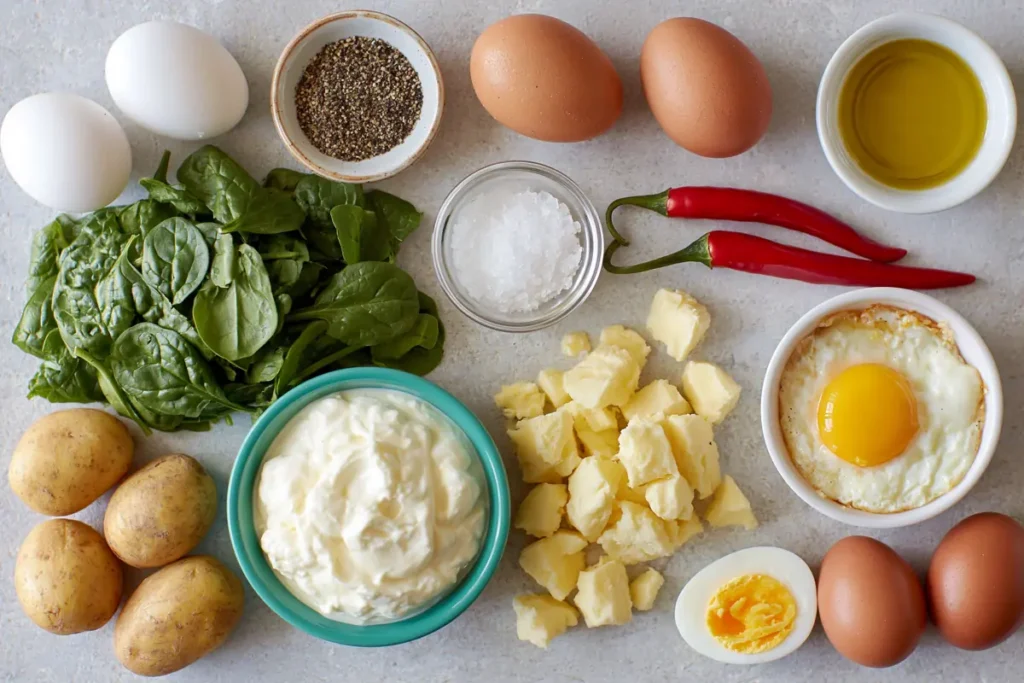
Russet potatoes work well because they release moisture once squeezed and crisp quickly. If using Yukon Gold potatoes, expect a softer center.
For the protein layer:
- Greek yogurt can become cottage cheese or plain strained yogurt
- Cheddar can swap with Monterey Jack or mozzarella
- Spinach can become finely chopped kale
The one ingredient I wouldn’t skip is the egg whites. They help bind everything together without making the middle dense.
How to Cook Protein Loaded Breakfast Hash Browns in a Skillet
Start with the potatoes. After shredding, squeeze them aggressively in a clean towel. More than most people expect. If the potatoes still feel damp, the skillet will steam instead of crisp.
Heat your cast iron over medium-high heat and add the olive oil. The pan should lightly sizzle when the mixture touches it.
In a bowl, combine:
- Shredded potatoes
- Eggs and egg whites
- Greek yogurt
- Cheese
- Red pepper
- Green onions
- Spinach
- Garlic powder
- Salt and pepper
Mix until everything looks evenly coated but not loose.
Spoon the mixture into the skillet and press gently into a thick layer. Not too compact — packed potatoes can stay soft in the middle.
Leave it alone for 5–7 minutes. No peeking every minute. You’re listening for a steady sizzle and watching for browned edges creeping upward.
Flip in sections instead of attempting one dramatic turn. Cook another 5 minutes until the second side sets and crisps.
If you want extra cheese, scatter it over the top at the end and leave the skillet covered for a minute so it melts naturally.
Getting the Crisp Outside and Soft Center Right
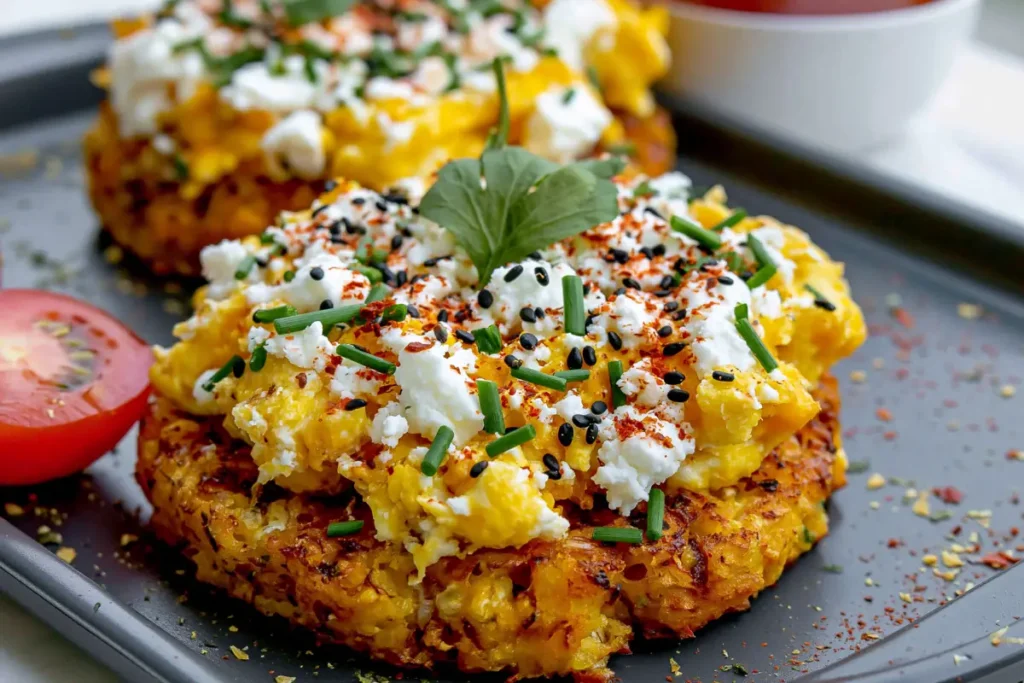
This skillet breakfast should feel like two different textures meeting in the same bite. The outside develops browned edges that crack slightly with the fork, while the center stays soft from the eggs, yogurt, and melted cheese.
If the surface starts coloring too quickly but the middle still looks wet, lower the heat and give it another couple of minutes instead of flipping early. A rushed flip usually breaks the structure and leaves undercooked pockets inside.
You’ll know it’s ready when the edges pull slightly from the pan and the top no longer looks glossy. Press gently with a spatula — it should feel set with a little spring.
Cheese matters here too. Fully melted cheese blends into the potatoes and eggs instead of sitting in separate pockets. That’s where the texture becomes cohesive rather than layered.
Small Cooking Adjustments That Make a Big Difference
Most problems with hash browns start before cooking.
Wet potatoes are the biggest one. After shredding and squeezing, spread them briefly in the bowl before mixing. If water pools at the bottom, drain again. It sounds fussy. It saves the texture.
Keep the skillet at medium-high, not maximum heat. Too hot and the outside darkens before the eggs set. Too low and moisture collects.
Another thing worth paying attention to: don’t overwork the mixture. Stir just until everything is combined. Excess mixing compresses the potatoes and creates a heavier result.
Add extra cheese only at the end. Cheese inside builds structure. Cheese added too early on top can release oil and soften the crisp surface.
Make-Ahead Plans and Storing Leftovers
This recipe works surprisingly well for prep ahead.
You can shred the potatoes and chop the vegetables the night before, but store the potatoes submerged in cold water. The next morning, drain and dry thoroughly before mixing.
Cooked leftovers keep in the refrigerator for about 3 days in an airtight container. Reheat in a dry skillet over medium heat for 3–4 minutes per side instead of using the microwave if you want some of that crispness back.
Freezing works too, although the texture softens slightly after thawing. Freeze portions individually and reheat straight from frozen in a covered skillet.
Serving Ideas That Turn It Into a Full Breakfast
These Protein Loaded Breakfast Hash Browns already carry enough protein to stand alone, but a few simple additions can turn them into a full breakfast spread.
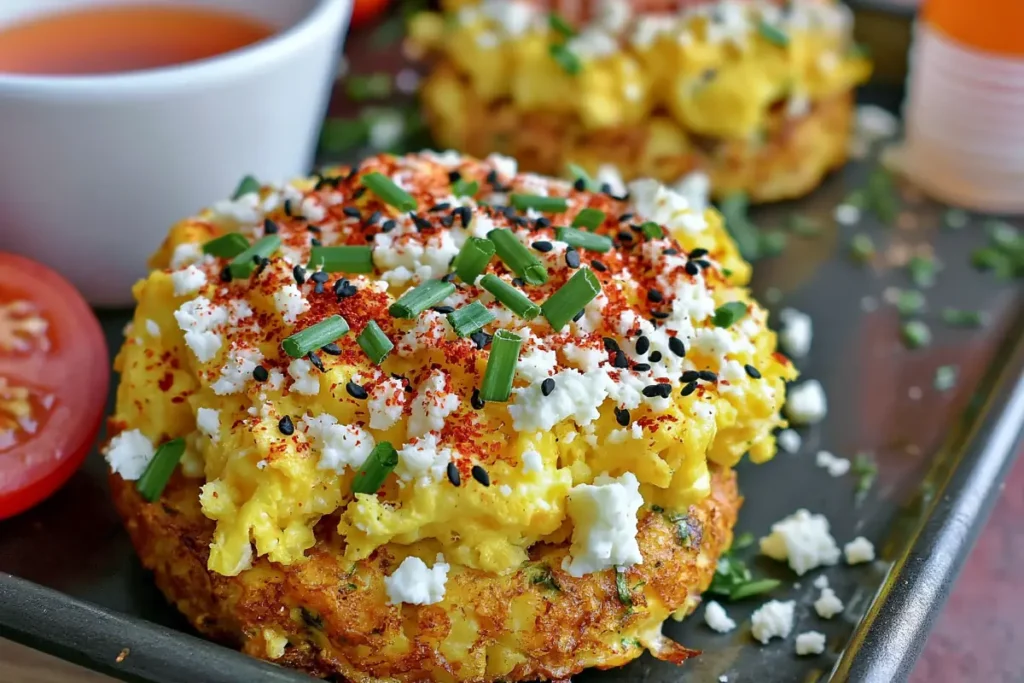
A spoonful of fresh salsa brightens the richness. Sliced avocado adds creaminess without more cheese. If you’re extra hungry, top each serving with a fried egg cooked until the edges crisp and the yolk stays loose.
For brunch, cut the skillet into wedges and serve family-style right from the pan. A handful of chopped green onions over the top gives color and freshness without extra work.
Using Extras and Easy Flavor Variations
Leftovers don’t have to look like leftovers.
Cut a cold slice into strips and warm it in a skillet until the edges crisp again, then tuck it into a breakfast wrap with extra spinach and salsa. Another option I come back to is breaking it into chunks and serving it in a bowl with avocado and a spoonful of Greek yogurt.
If you want to change the flavor next time, keep the base the same and adjust around it. Swap cheddar for pepper jack for more heat, use sautéed mushrooms instead of peppers, or fold in chopped herbs right before cooking. Small changes work better than rebuilding the whole recipe.
Frequently Asked Questions (FAQ’s)
Can I bake this instead of cooking it in a skillet?
You can. Spread the mixture in a lightly oiled baking dish and bake at 425°F (220°C) for about 25–30 minutes. The top won’t get the same skillet crust, so a few minutes under the broiler at the end can help.
Can I use frozen shredded potatoes?
Yes, but thaw and squeeze them well first. Frozen potatoes tend to hold extra moisture, and skipping that step usually gives softer hash browns.
Is this recipe gluten-free?
As written, yes. None of the listed ingredients contain gluten, though packaged ingredients like shredded cheese are worth checking if you’re cooking for someone with dietary restrictions.
What’s the best way to reheat leftovers?
A skillet over medium heat works best. About 3–4 minutes per side usually brings back some crispness. Microwaving is quicker but softens the texture.
Is this good for kids?
Usually, yes. The cheese and potatoes keep the flavors familiar, and the vegetables blend into the mixture rather than standing out.
The Breakfast You’ll Keep Coming Back To
Protein Loaded Breakfast Hash Browns work because they stay practical. One pan, familiar ingredients, and enough texture to feel like breakfast instead of meal prep.
Pay attention to moisture, give the skillet time to do its job, and don’t rush the flip. After that, make it your own and keep the version that fits your kitchen best.
Protein Loaded Breakfast Hash Browns
Ingredients
Method
- Preheat a cast iron skillet over medium-high heat and drizzle with olive oil.
- In a large bowl, mix the shredded potatoes, eggs, egg whites, Greek yogurt, cheddar cheese, red bell pepper, green onions, spinach, garlic powder, salt, and pepper until evenly combined.
- Make sure the skillet is well oiled and hot enough that the mixture sizzles when it touches the pan.
- Spoon the mixture into the skillet and press it down gently into a thick, even layer.
- Cook undisturbed for 5 to 7 minutes, until the bottom is golden and the edges begin to crisp.
- Carefully flip the hash browns in sections and cook the second side for about 5 minutes, until set and crisp.
- Sprinkle extra cheese on top if desired and let it melt while the hash browns are still warm.
- Serve with salsa, avocado, or a fried egg.
Notes
- Squeeze the shredded potatoes very well before mixing to avoid soggy hash browns.
- Flip the hash browns in sections instead of trying to turn the whole skillet at once.
- For best leftover texture, reheat in a skillet over medium heat for 3 to 4 minutes per side.
- Frozen shredded potatoes can be used, but they should be thawed and squeezed dry first.